
AI-Based Grid Optimization: Transforming Energy Management Today
Explore AI-Based Grid Optimization and its impact on energy management, benefits, industry applications, market trends, and future outlook in power systems.

Introduction
As the global energy landscape evolves, the demand for smarter, more efficient power systems has never been greater. AI-Based Grid Optimization is emerging as a revolutionary approach that leverages artificial intelligence to enhance electrical grid performance, reliability, and sustainability.
In this article, we delve into the core concepts of AI-based grid optimization, exploring its real-world applications, market trends, benefits, and future outlook. Whether you’re an energy professional, policymaker, or tech enthusiast, this comprehensive overview will shed light on how AI is reshaping the power grids of tomorrow.
Technology/Concept Overview
AI-Based Grid Optimization refers to the use of artificial intelligence technologies—such as machine learning, deep learning, and advanced analytics—to improve the operation and management of electrical grids. At its core, it involves analyzing vast amounts of data from grid sensors, smart meters, and distributed energy resources to make real-time or predictive decisions that enhance grid efficiency and stability.
Key technologies include:
- Machine Learning (ML): Algorithms that learn from historical and real-time data to predict demand, detect anomalies, and optimize energy distribution.
- Advanced Analytics: Tools that process complex datasets to identify patterns, forecast outages, and balance load.
- Internet of Things (IoT): Connected devices and sensors that provide continuous data streams for AI systems to analyze.
- Grid Digital Twins: Virtual models of physical grid infrastructure enabling simulation and optimization using AI.
By integrating these technologies, AI-based grid optimization systems can dynamically manage supply and demand, accommodate renewable energy sources, and improve overall grid resilience.
Industry Applications & Use Cases
Across the energy sector, AI-based grid optimization is transforming how utilities and operators manage complex networks. Some key applications include:
- Demand Response Management: Utilities use AI algorithms to predict peak demand periods and adjust load through dynamic pricing or automated controls, reducing strain on the grid.
- Renewable Energy Integration: AI helps forecast solar and wind generation, optimizing grid dispatch to balance variable energy sources efficiently.
- Predictive Maintenance: Machine learning models analyze sensor data to anticipate equipment failures before they occur, minimizing outages and repair costs.
- Energy Storage Optimization: AI optimizes battery charge/discharge cycles to store excess energy from renewables and deploy it when needed most.
For example, Pacific Gas and Electric Company (PG&E) implemented AI-driven grid analytics to reduce fault detection time, enhancing reliability. Similarly, Siemens uses AI-based digital twins to simulate grid scenarios, enabling proactive optimization and faster decision-making.
Market Trends & Growth Drivers
The market for AI-based grid optimization is witnessing rapid growth fueled by several factors:
- Increasing Renewable Penetration: As renewables become a larger share of the energy mix, grids grow more complex, driving demand for AI solutions to manage variability.
- Grid Modernization Initiatives: Governments worldwide are investing billions in smart grid infrastructure, creating fertile ground for AI adoption.
- Enhanced Data Availability: Proliferation of IoT devices and smart meters provides the necessary data backbone for AI algorithms to function effectively.
According to a recent report by MarketsandMarkets, the AI in smart grid market is projected to grow from $2.5 billion in 2023 to over $10 billion by 2030, exhibiting a CAGR of more than 22%. This explosive growth underscores the strategic importance of AI in the energy industry.
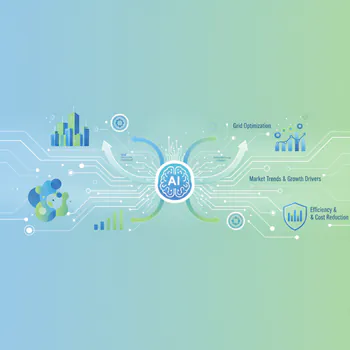
Market Trends & Growth Drivers
Benefits & Advantages
Adopting AI-based grid optimization offers numerous advantages for utilities, businesses, and end-users alike:
- Improved Grid Reliability: AI helps quickly identify and isolate faults, reducing downtime and enhancing service quality.
- Cost Efficiency: Optimized operations lead to lower energy losses, reduced maintenance expenses, and better asset utilization.
- Environmental Impact: Facilitating higher integration of renewables decreases reliance on fossil fuels, supporting sustainability goals.
- Scalability and Flexibility: AI systems adapt to changing grid conditions and evolving energy markets, future-proofing investments.
- Enhanced Customer Experience: Predictive analytics enable personalized energy management solutions and more accurate billing.
Ultimately, the return on investment (ROI) from AI-based grid optimization can be significant by reducing operational costs and unlocking new revenue streams through improved energy efficiency.
Challenges & Future Outlook
Despite its promise, AI-based grid optimization faces several challenges:
- Data Quality and Integration: Inconsistent or incomplete data can limit algorithm accuracy and effectiveness.
- Cybersecurity Risks: Increased digitalization exposes grids to potential cyber threats requiring robust safeguards.
- Regulatory and Compliance Issues: Navigating complex regulatory environments can delay AI deployment.
- High Initial Investment: Advanced AI systems and supporting infrastructure require substantial upfront costs.
However, ongoing innovations such as federated learning (which improves data privacy), edge computing (to reduce latency), and enhanced cybersecurity protocols are addressing these hurdles. Industry collaboration and regulatory support are also accelerating AI integration.
Looking ahead, AI-based grid optimization is expected to become an indispensable component of smart grid ecosystems. With the rise of decentralized energy resources, electric vehicles, and prosumer participation, AI will drive autonomous grid management, enabling more resilient, efficient, and sustainable power systems worldwide.
Conclusion
AI-Based Grid Optimization stands at the forefront of energy innovation, offering transformative benefits that address today’s challenges in grid management. By harnessing advanced AI technologies, utilities can enhance reliability, integrate renewables seamlessly, and optimize operational costs.
For businesses and policymakers, embracing AI-driven grid solutions is crucial to future-proof energy infrastructure and meet sustainability targets. As this technology matures, continuous investment, data quality improvement, and regulatory alignment will be key to unlocking its full potential.
Ultimately, AI-based grid optimization is not just a technological upgrade but a strategic imperative that promises to power a smarter, greener energy future.
Need More Details on Market Players and Competitors?
Tagged in