
Art Crowdfunding: Empowering Creatives and Revolutionizing Funding
Discover how art crowdfunding empowers creatives, drives innovation, and transforms funding. Explore trends, benefits, challenges, and future outlook in this...

Introduction
Art crowdfunding has emerged as a powerful catalyst in the creative economy, enabling artists to bring their visions to life without relying on traditional funding sources. In an era where digital platforms connect creators directly to their audiences, art crowdfunding offers unprecedented opportunities for innovation, collaboration, and financial support.
This article explores the core concepts behind art crowdfunding, its real-world applications, current market trends, and the benefits it provides both artists and supporters. Additionally, we will discuss challenges facing this dynamic funding method, along with future outlooks shaping the creative industries.
Understanding Art Crowdfunding: Technology and Concepts
At its core, art crowdfunding is a method of raising capital through small contributions from a large number of individuals, typically facilitated via online platforms. This model democratizes funding by allowing artists—whether painters, filmmakers, musicians, or sculptors—to pitch projects directly to potential supporters worldwide.
Key terms to understand include:
- Crowdfunding Platforms: Websites like Kickstarter, Indiegogo, and Patreon that host creative campaigns.
- Reward-Based Crowdfunding: Supporters receive tangible or intangible rewards, such as prints or early access.
- Equity Crowdfunding: Less common in art, where backers gain ownership stakes.
- Peer-to-Peer Funding: Direct financial support from individuals without intermediaries.
Historically, artists relied on galleries, grants, or patronage, which often limited who could fund projects. The rise of digital connectivity and secure payment systems has transformed the landscape, making art crowdfunding a vital tool for creative financial independence.
Industry Applications & Real-World Use Cases
Art crowdfunding spans multiple creative sectors, each leveraging it uniquely:
- Visual Arts: Painters and sculptors use platforms like Kickstarter to finance exhibitions and large-scale installations. For example, artist Amanda Palmer raised over $1.2 million via Kickstarter to fund an album and tour.
- Film & Media: Independent filmmakers frequently crowdfund to cover production costs. The critically acclaimed film "Veronica Mars" famously raised $5.7 million on Kickstarter.
- Music: Musicians bypass traditional record labels by crowdfunding albums and tours. Through Patreon, many artists secure steady monthly income from fans.
- Theatre & Performance: Crowdfunding supports experimental theatre projects and community performances, enabling risk-taking and innovation.
These examples highlight how art crowdfunding not only finances projects but also builds engaged communities, strengthens artist-fan relationships, and validates creative ideas before full execution.
Market Trends & Growth Drivers
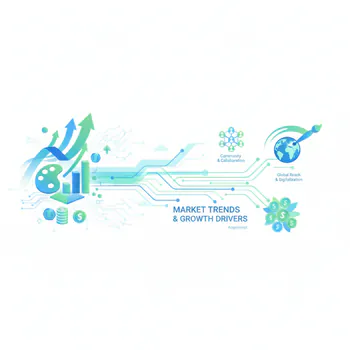
The global crowdfunding market was valued at approximately $17.2 billion in 2023, with art crowdfunding representing a significant and growing niche. Factors driving this growth include:
- Increased Internet Penetration: Expanding access worldwide allows artists to reach broader audiences.
- Shift Toward Experiential Consumption: Consumers prefer supporting authentic, creative experiences over mass-produced content.
- Rise of Social Media: Platforms like Instagram and TikTok amplify campaign visibility and engagement.
- Post-Pandemic Funding Gaps: Traditional funding avenues tightened during COVID-19, accelerating crowdfunding adoption.
Projections suggest the art crowdfunding sector could grow at a CAGR of 12-15% over the next five years, fueled by innovation in payment technologies, enhanced platform features, and increasing creator awareness.
Market Trends & Growth Drivers
Benefits & Advantages of Art Crowdfunding
For artists, art crowdfunding offers multiple benefits:
- Financial Independence: Artists retain creative control without relying on conventional gatekeepers.
- Market Validation: Campaign success signals genuine audience interest, reducing financial risk.
- Community Building: Backers become advocates, fostering ongoing support beyond a single project.
- Marketing Boost: Campaigns generate buzz and media attention critical for visibility.
From a business perspective, crowdfunding reduces upfront capital expenditure and enhances ROI by connecting directly with target consumers. Additionally, it supports diversity by enabling underrepresented voices to gain funding and recognition.
Challenges & Future Outlook
Despite its promise, art crowdfunding faces several challenges:
- Campaign Saturation: Increasing numbers of projects compete for limited attention and funds.
- Project Delivery Risks: Delays or failure to deliver promised rewards can damage reputations.
- Platform Fees and Policies: Varying fee structures and regulations impact profitability and accessibility.
- Digital Divide: Artists without tech skills or internet access may be excluded.
Innovations such as blockchain-based crowdfunding and NFT integration are emerging as solutions to improve transparency, ownership, and funding flexibility. Furthermore, enhanced analytics and AI-driven marketing tools promise to optimize campaign success.
Looking ahead, the fusion of art crowdfunding with immersive technologies like virtual and augmented reality may redefine creative engagement, offering supporters interactive experiences alongside funding opportunities.
Conclusion
Art crowdfunding has revolutionized how creative projects are financed, empowering artists to connect with global audiences and retain artistic freedom. Its multifaceted benefits—from financial independence to community building—make it a compelling alternative to traditional funding methods.
As market trends continue to favor direct creator-supporter models, artists and art organizations should consider integrating crowdfunding into their growth strategies. By leveraging emerging technologies and addressing current challenges proactively, the future of art crowdfunding looks bright, promising richer, more diversified creative landscapes worldwide.
For artists seeking sustainable funding and audiences eager to support authentic creativity, art crowdfunding represents a vibrant, evolving ecosystem worth engaging with today and beyond.
Need More Details on Market Players and Competitors?
Tagged in