
Bottling Line Machinery: Driving Efficiency in Beverage Production
Explore bottling line machinery: technologies, applications, market trends, benefits, and future outlook driving efficiency in beverage production.

Introduction
In today’s fast-paced beverage industry, efficiency and precision are paramount. Bottling line machinery plays a critical role in ensuring that products move seamlessly from production to packaging, ready for consumers. As demand for faster production and higher quality standards grows, understanding how these machines work and their impact on the industry has never been more relevant.
This article dives deep into the world of bottling line machinery, exploring core technologies, real-world applications, market trends, benefits, and the future outlook. Whether you're a business owner, industry professional, or technology enthusiast, this comprehensive guide will shed light on why bottling line machinery is a game-changer in beverage manufacturing.
Technology Overview: What Is Bottling Line Machinery?
Bottling line machinery refers to the integrated equipment and systems used to fill, cap, label, and package bottles in a production environment. These machines automate the process of converting liquid products into sealed bottles, ready for distribution.
At its core, a bottling line typically includes:
- Filling machines – Devices that accurately dispense liquids into bottles.
- Capping machines – Systems that securely seal bottles with caps or lids.
- Labeling machines – Equipment that applies product labels consistently and efficiently.
- Conveyors – Mechanical systems transporting bottles between stages.
- Inspection systems – Technologies ensuring quality control by detecting defects or inconsistencies.
These components are often synchronized using automated controls and sensors, ensuring smooth operation and minimal downtime. Innovations such as servo motors, vision systems, and IoT connectivity are increasingly being integrated to enhance precision and traceability.
Industry Applications & Use Cases
Bottling line machinery spans various sectors beyond just beverage production. Here are some notable applications:
- Food & Beverage: From carbonated soft drinks to juices, water, and alcoholic beverages like beer and wine, bottling lines are tailored to handle diverse liquid viscosities and packaging materials.
- Pharmaceuticals: Precise filling and sealing are critical for liquid medicines to ensure safety and compliance.
- Cosmetics: Perfumes, lotions, and personal care products require specialized machinery for delicate packaging.
- Chemical Industry: Bottling lines help package cleaning agents, solvents, and other chemicals with strict hygiene and safety standards.
A prime example is the use of high-speed bottling lines by major beverage companies like Coca-Cola and PepsiCo. These lines can process thousands of bottles per hour, utilizing advanced automation to maintain quality while meeting massive consumer demand. Another success story comes from craft breweries adopting modular bottling systems to scale production efficiently while preserving artisanal quality.
Market Trends & Growth Drivers
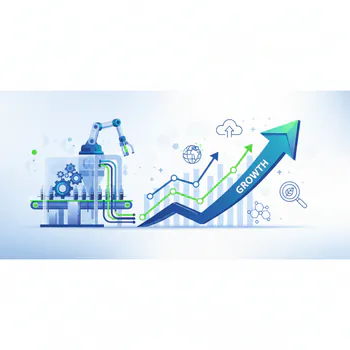
The global bottling line machinery market is witnessing robust growth, driven by rising demand in emerging economies and the expanding beverage sector. According to recent reports, the market is expected to grow at a CAGR of approximately 6-7% over the next five years.
Key factors fueling this expansion include:
- Increased consumer preference for packaged beverages: Convenience and safety concerns have boosted bottled water and ready-to-drink products.
- Technological advancements: Integration of Industry 4.0 technologies like IoT and AI for predictive maintenance and operational optimization.
- Stringent regulatory standards: Necessitating precise and hygienic machinery for compliance.
- Shift towards sustainable packaging: Driving innovation in machinery compatible with eco-friendly materials such as biodegradable plastics and glass.
This dynamic market landscape presents abundant opportunities for manufacturers and end-users to capitalize on cutting-edge bottling line machinery solutions.
Market Trends & Growth Drivers
Benefits & Advantages of Bottling Line Machinery
Implementing advanced bottling line machinery offers numerous advantages to businesses:
- Enhanced productivity: Automated lines significantly increase throughput compared to manual processes.
- Improved accuracy and consistency: Precise filling and labeling reduce product waste and errors.
- Cost efficiency: Lower labor costs and minimized downtime translate into better ROI.
- Quality assurance: Integrated inspection systems uphold high product standards, mitigating recalls and reputational damage.
- Scalability: Modular machinery designs allow businesses to adapt quickly to changing production volumes.
Moreover, the competitive edge gained through faster time-to-market and compliance with industry regulations positions companies for long-term success. For example, beverage startups leveraging compact bottling lines can enter markets rapidly without the need for heavy capital investment.
Challenges & Future Outlook
Despite its many benefits, bottling line machinery faces several challenges. High upfront costs and complex integration processes can be barriers to adoption, especially for small and medium enterprises (SMEs). Additionally, machinery maintenance and the need for skilled technicians remain ongoing concerns.
To overcome these hurdles, innovations such as plug-and-play modular systems, cloud-based monitoring platforms, and predictive maintenance algorithms are gaining traction. These advancements promise to reduce downtime, simplify operations, and enhance machine longevity.
Looking ahead, the future of bottling line machinery lies in greater automation, smart manufacturing, and sustainability. The incorporation of artificial intelligence, robotics, and advanced sensors is set to revolutionize production lines, making them more flexible and responsive. Meanwhile, eco-conscious design will drive the adoption of machines that support recyclable and biodegradable packaging, aligning with global environmental goals.
Conclusion
In summary, bottling line machinery is a cornerstone of efficient, high-quality beverage and liquid product manufacturing. By understanding its core technologies, diverse applications, and evolving market trends, businesses can harness these machines to boost productivity, maintain compliance, and meet consumer demands.
As the industry moves towards smarter, greener solutions, investing in advanced bottling line technology offers a strategic advantage. Whether scaling production or enhancing quality, companies equipped with the right machinery will be well-positioned to thrive in a competitive marketplace.
Embracing innovation in bottling line machinery is not just an operational upgrade—it’s a forward-thinking investment that drives growth, sustainability, and customer satisfaction.
Need More Details on Market Players and Competitors?
Tagged in