
Cabbages and Other Brassicas: Benefits, Uses & Market Trends
Discover the benefits, uses, market trends, and future outlook of cabbages and other brassicas in global agriculture and nutrition.

Introduction
Cabbages and other brassicas have long been staples in kitchens worldwide, prized not only for their distinctive flavors but also for their impressive nutritional profiles. From crunchy kale leaves to tender cauliflower florets, this diverse family of vegetables plays a crucial role in diets, agriculture, and even industry.
Understanding the significance of cabbages and other brassicas is more relevant than ever, given rising consumer interest in healthy eating, sustainable farming, and versatile crops. This article dives into what makes brassicas unique, explores their varied applications, examines market dynamics, and discusses the future outlook for these vital vegetables.
Technology & Concept Overview of Cabbages and Other Brassicas
The term brassicas refers to plants in the Brassicaceae family, also known as the mustard family. This diverse group includes well-known vegetables like cabbage, broccoli, cauliflower, kale, Brussels sprouts, and bok choy. These plants share common traits such as cruciform flowers and often pungent flavors, which come from sulfur-containing compounds known as glucosinolates.
Glucosinolates are key phytochemicals in brassicas, responsible for their characteristic taste and potential health benefits, including anti-inflammatory and anticancer properties. Cultivated for thousands of years, cabbages and other brassicas have been selectively bred to enhance yield, pest resistance, and nutritional content.
Modern agricultural practices have integrated technologies such as precision farming, controlled environment agriculture (CEA), and genetic research to optimize brassica production, ensuring quality and sustainability while meeting growing demand.
Industry Applications & Use Cases
Cabbages and other brassicas find diverse practical applications across multiple sectors:
- Food Industry: Brassicas are integral to culinary traditions globally—used fresh in salads, fermented into products like sauerkraut and kimchi, or cooked in soups and stir-fries. Their versatility drives demand in retail, foodservice, and processed food manufacturing.
- Health and Nutrition: The high fiber, vitamin C, and antioxidant content of brassicas make them popular among health-conscious consumers. Supplements and functional foods often feature extracts derived from these vegetables.
- Agricultural Sector: Brassicas serve as cover crops and green manures, improving soil health and managing pests naturally. Integrated pest management (IPM) strategies also utilize brassica plants to reduce chemical inputs.
- Research and Biotechnology: Scientists study brassicas to understand plant defense mechanisms and biofortification, aiming to enhance crop resilience and nutritional properties.
Notably, companies like Driscoll’s and Bonduelle have successfully expanded their brassica product lines, catering to evolving consumer preferences for fresh, organic, and convenient vegetable options.
Market Trends & Growth Drivers
The market for cabbages and other brassicas is experiencing robust growth fueled by several key trends:
- Increasing Health Awareness: Consumers prioritizing nutrient-dense foods are driving demand for brassicas, seen as superfoods rich in vitamins and antioxidants.
- Plant-Based Diets: The surge in vegetarianism and veganism has boosted consumption of brassicas as important plant protein and fiber sources.
- Urban Farming and Sustainability: Innovations in vertical farming and hydroponics make brassica cultivation viable in urban areas, reducing carbon footprints and enhancing food security.
- Global Supply Chains: Improved logistics enable year-round availability of fresh brassicas, expanding market reach and variety.
According to a recent report by Grand View Research, the global brassica vegetable market is projected to grow at a CAGR of over 4% between 2023 and 2030, driven largely by demand in North America, Europe, and Asia-Pacific regions.
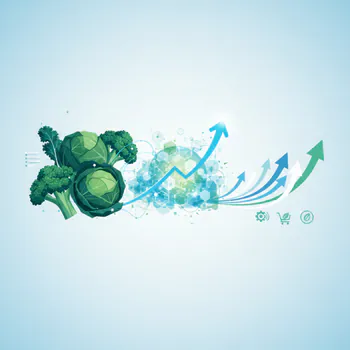
Market Trends & Growth Drivers
Benefits & Advantages of Cabbages and Other Brassicas
Businesses and consumers alike benefit from the unique advantages of cabbages and other brassicas:
- Health Benefits: Rich in vitamins A, C, K, and minerals such as calcium and potassium, brassicas support immune health, bone strength, and reduce chronic disease risk.
- Economic Value: Brassicas yield multiple harvests per season and adapt well to diverse climates, making them profitable crops for farmers.
- Environmental Sustainability: Many brassicas improve soil fertility and reduce pest incidence, decreasing reliance on synthetic inputs and promoting eco-friendly farming.
- Culinary Versatility: From raw salads to fermented foods and cooked dishes, brassicas offer endless meal possibilities that appeal to a broad consumer base.
Moreover, the strong ROI is evident in the growing number of agribusinesses integrating brassicas into crop rotations and product portfolios, capitalizing on steady consumer demand.
Challenges & Future Outlook
Despite their many advantages, cabbages and other brassicas face challenges including:
- Pest and Disease Pressure: Pests like cabbage worms and diseases such as clubroot can significantly reduce yields, necessitating ongoing management innovations.
- Storage and Shelf-life: Brassicas tend to have limited shelf life, which can pose logistics and waste challenges, especially for fresh produce supply chains.
- Climate Change: Fluctuating weather patterns threaten consistent production, calling for resilient crop varieties and adaptive farming practices.
Looking ahead, advances in genomics, integrated pest management, and sustainable agriculture hold promise for overcoming these hurdles. Emerging trends like biofortification aim to amplify nutritional content, while controlled environment agriculture can mitigate weather risks.
Ultimately, cabbages and other brassicas will continue to evolve as key components of global food systems—combining tradition, innovation, and sustainability to meet future demands.
Conclusion
In summary, cabbages and other brassicas represent a vital family of vegetables with far-reaching benefits across nutrition, agriculture, and commerce. Their rich nutrient profiles, culinary adaptability, and growing market demand make them indispensable in modern diets and food production.
For businesses, investing in brassica cultivation and products offers promising returns, while consumers gain from their health-promoting properties. Although challenges like pest management and shelf life persist, ongoing research and technological advances are paving the way for a resilient and sustainable future.
As global focus sharpens on healthy eating and environmental stewardship, the importance of cabbages and other brassicas will only increase—making them a smart choice for farmers, producers, and consumers alike.
Need More Details on Market Players and Competitors?
Tagged in