
Cleaning Robots: Revolutionizing Smart Maintenance & Efficiency
Explore how cleaning robots revolutionize hygiene and efficiency across industries with AI-driven innovation, market trends, and real-world applications.

Introduction
Imagine a world where mundane cleaning tasks are seamlessly handled by intelligent machines, freeing up valuable time and resources. Cleaning robots are transforming this vision into reality, becoming indispensable tools in both residential and commercial settings. As automation and AI technologies evolve, these devices are not only enhancing cleanliness but also driving efficiency and sustainability across industries.
This article dives deep into the fascinating world of cleaning robots, exploring their core technologies, diverse applications, market trends, benefits, and the challenges shaping their future. Whether you’re a business leader, technology enthusiast, or homeowner curious about robotic cleaning solutions, this comprehensive guide will provide valuable insights into why cleaning robots matter today more than ever.
Technology and Concept Overview
Cleaning robots are autonomous or semi-autonomous machines designed to perform cleaning tasks with minimal human intervention. These devices leverage advanced robotics, artificial intelligence (AI), sensors, and sometimes machine learning to navigate environments, detect dirt, and execute cleaning routines efficiently.
Key technologies utilized include:
- Sensors: Lidar, infrared, ultrasonic, and optical sensors allow robots to map rooms, avoid obstacles, and detect dirty spots.
- AI and Machine Learning: Algorithms improve path planning, optimize cleaning patterns, and enable adaptation to different surfaces and environments.
- Robotic Mobility: Tools like wheels, tracks, or brushes empower robots to maneuver over floors, carpets, and even stairs in some cases.
- Connectivity: Wi-Fi or Bluetooth connectivity enables remote control, real-time monitoring, and software updates.
In essence, cleaning robots represent a convergence of robotics and smart technologies aimed at automating repetitive cleaning tasks, thus increasing convenience and consistency.
Industry Applications & Use Cases
Cleaning robots have found applications across diverse sectors, revolutionizing how cleaning is approached in homes, offices, healthcare, hospitality, and industrial spaces.
- Residential Use: Vacuum cleaning robots like iRobot Roomba have become household staples, autonomously cleaning floors with scheduled routines and app control.
- Healthcare Facilities: Autonomous UV-C disinfection robots help sanitize hospital rooms, reducing infection risks while saving labor costs.
- Hospitality Industry: Hotels utilize floor-cleaning robots to maintain spotless lobbies and corridors efficiently, enhancing guest experience and operational productivity.
- Commercial Spaces: Large-scale robotic scrubbers clean expansive warehouses and retail outlets, minimizing downtime and ensuring sanitary conditions.
- Industrial Environments: Specialized cleaning robots handle hazardous or hard-to-reach areas, improving worker safety and compliance with cleanliness standards.
For example, the deployment of Brain Corp’s AI-powered floor scrubbing robots in retail chains like Walmart has reportedly increased cleaning efficiency by 40%, demonstrating the tangible benefits of these innovations.
Market Trends & Growth Drivers
The cleaning robots market is experiencing robust growth driven by technological advancements and shifting consumer preferences. According to a recent report by MarketsandMarkets, the global cleaning robots market is projected to reach $5.7 billion by 2027, growing at a CAGR of approximately 20% from 2022.
Key growth drivers include:
- Rising demand for automation: Businesses and homeowners seek efficient solutions to reduce manual labor and enhance hygiene standards.
- Advances in AI and sensor technologies: Improved navigation, obstacle avoidance, and cleaning precision make robots more effective and user-friendly.
- COVID-19 pandemic impact: Heightened awareness of sanitation and disinfection has accelerated adoption, especially in healthcare and public spaces.
- Cost reductions: Increased competition and mass production have lowered prices, expanding accessibility.
- Environmental concerns: Energy-efficient and water-saving cleaning robots align with sustainable practices.
Overall, the trend towards smart buildings and IoT integration further propels demand, positioning cleaning robots as essential components of future-ready facilities.
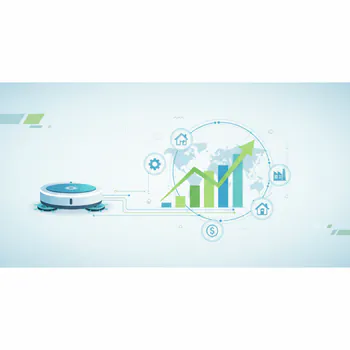
Market Trends & Growth Drivers
Benefits & Advantages
Cleaning robots offer a multitude of advantages that make them attractive investments for both individuals and organizations.
- Time savings: Automating routine cleaning frees up time for employees and homeowners to focus on other tasks.
- Consistent performance: Robots follow programmed schedules and patterns, ensuring uniform cleanliness without human error.
- Cost efficiency: Reduced labor costs and lower resource consumption improve overall operational budgets.
- Improved hygiene: Advanced features like UV disinfection and HEPA filters enhance sanitation levels, crucial in sensitive environments.
- Safety improvements: Robots can access dangerous or difficult areas, minimizing risks to human workers.
- Environmental benefits: Many models use less water and energy than traditional cleaning methods, supporting sustainable practices.
- Scalability and customization: Solutions range from small home vacuums to large industrial floor scrubbers, adaptable to various needs.
Businesses adopting cleaning robots often report a high return on investment (ROI) through improved efficiency, reduced downtime, and enhanced customer satisfaction.
Challenges & Future Outlook
Despite their promise, cleaning robots face certain challenges that innovators are actively addressing.
- Technical limitations: Navigating complex environments with clutter or stairs remains difficult for many models.
- High initial costs: Although prices are declining, initial investment can be significant for some advanced systems.
- Maintenance and repair: Robotics require periodic upkeep and skilled service, which may be a barrier for some users.
- Data privacy concerns: Connectivity features can raise security issues regarding collected spatial and user data.
- Integration with existing systems: Seamless compatibility with building management or cleaning schedules is still evolving.
Looking ahead, ongoing innovations such as enhanced AI, better battery life, and multi-functional cleaning capabilities promise to overcome these barriers. The future may see cleaning robots equipped with swarm technology for cooperative cleaning, advanced self-diagnosis, and integration with smart home ecosystems.
As industries continue to embrace automation and smart technologies, cleaning robots are poised to become ubiquitous, driving a new era of efficient, hygienic, and sustainable maintenance.
Conclusion
Cleaning robots are no longer futuristic concepts but practical solutions reshaping how cleaning is done across sectors. By combining robotics, AI, and sensor technologies, they deliver consistent, efficient, and cost-effective cleaning that benefits businesses and consumers alike. As market demand grows and technology matures, these intelligent machines will play an increasingly critical role in achieving cleanliness, safety, and operational excellence.
For organizations and homeowners considering robotic cleaning solutions, embracing cleaning robots today offers a competitive edge, improved hygiene standards, and sustainable practices. Staying informed about the latest developments and selecting solutions tailored to specific needs will ensure maximum value and long-term success in this dynamic landscape.
The clean future is robotic, and cleaning robots are leading the way.
Need More Details on Market Players and Competitors?
Tagged in