
Digitalization in Mining: Transforming the Industry for Tomorrow
Explore how digitalization in mining transforms operations with AI, IoT, and automation to boost efficiency, safety, and sustainability in the mining industry.

Introduction
Mining has long been a backbone of the global economy, providing essential raw materials for industries ranging from construction to electronics. However, traditional mining methods often involve labor-intensive processes, safety risks, and environmental challenges. Enter digitalization in mining—a revolutionary force reshaping the sector through advanced technologies that optimize operations, enhance safety, and promote sustainability.
In this article, we will explore what digitalization in mining entails, its real-world applications, the current market trends fueling its growth, the tangible benefits it offers, and the challenges that lie ahead. Whether you're a mining professional, investor, or technology enthusiast, understanding this digital transformation is crucial for grasping the future of mining.
Technology and Concept Overview
Digitalization in mining refers to the integration of digital technologies into traditional mining processes to improve efficiency, accuracy, and safety. This transformation involves leveraging tools such as:
- Internet of Things (IoT): Connected sensors and devices that collect real-time data from equipment and environments.
- Artificial Intelligence (AI) & Machine Learning: Algorithms that analyze data to optimize operations and predict maintenance needs.
- Automation & Robotics: Autonomous vehicles and machines that perform tasks with minimal human intervention.
- Big Data Analytics: Processing vast amounts of data to uncover patterns and insights for strategic decisions.
- Remote Monitoring & Control Systems: Allowing operators to oversee and manage mining activities from centralized locations.
- Digital Twins: Virtual replicas of physical mining assets that simulate and predict performance scenarios.
These technologies collectively form a digital ecosystem that modernizes mining operations, making them smarter and more agile.
Industry Applications & Use Cases
Digitalization is already revolutionizing mining operations worldwide. Here are some noteworthy implementations:
- Rio Tinto's Autonomous Haulage System: One of the largest mining companies, Rio Tinto, uses autonomous trucks in its Pilbara iron ore mines in Australia. These trucks operate around the clock, improving productivity and safety by reducing human error.
- Vale's Remote Operation Centers: Brazilian mining giant Vale has established control centers to monitor and manage mining activities remotely, enhancing operational oversight and reducing onsite risks.
- Predictive Maintenance at BHP: BHP employs AI-powered analytics to predict equipment failures, minimizing downtime and maintenance costs.
- Environmental Monitoring in Canada: Sensors and IoT devices are used to monitor environmental impacts in real time, helping companies comply with regulations and reduce ecological footprints.
Across various sectors—from coal and precious metals to rare earth elements—digital technologies facilitate safer workplaces, optimized resource extraction, and improved compliance.
Market Trends & Growth Drivers
The global market for digital technologies in mining is expanding rapidly. According to a recent report by MarketsandMarkets, the digital mining market is projected to grow from USD 7.0 billion in 2021 to over USD 15.0 billion by 2026, at a CAGR of approximately 16%. Several factors contribute to this upward trajectory:
- Demand for Operational Efficiency: Mining companies seek to reduce operating costs and maximize throughput amidst fluctuating commodity prices.
- Safety and Regulatory Compliance: Enhanced safety standards and stricter environmental regulations push firms to adopt smarter monitoring and automation.
- Technological Advancements: The maturation of AI, IoT, and robotics makes digital solutions more accessible and cost-effective.
- Skill Shortages: Automation helps mitigate labor shortages and reduces reliance on hazardous manual labor.
- Sustainability Initiatives: Digital tools enable better resource management and environmental stewardship, aligning with ESG (Environmental, Social, and Governance) goals.
These trends underscore why digitalization in mining is not just an option but a strategic imperative.
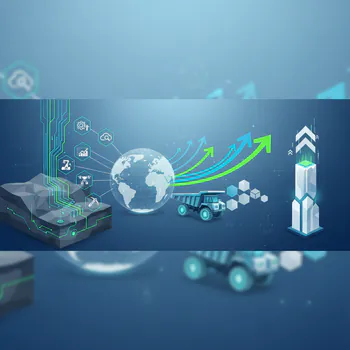
Market Trends & Growth Drivers
Benefits & Advantages
Adopting digitalization provides mining companies with a multitude of benefits:
- Improved Safety: Automation and remote operations reduce human exposure to hazardous conditions.
- Increased Productivity: Real-time data and AI optimize workflows, equipment usage, and resource allocation.
- Cost Reduction: Predictive maintenance lowers repair costs and unplanned downtime, while automation cuts labor expenses.
- Enhanced Decision-Making: Data-driven insights allow managers to make informed, timely decisions.
- Environmental Sustainability: Digital monitoring helps minimize waste, energy usage, and environmental impacts.
- Competitive Edge: Companies embracing digitalization are better positioned to respond to market changes and stakeholder demands.
For example, a McKinsey study found that digital transformation in mining could increase productivity by 20%, reduce costs by 15%, and improve safety metrics substantially.
Challenges & Future Outlook
Despite the compelling benefits, mining companies face challenges in implementing digitalization:
- High Initial Investment: Upfront costs for new technologies and infrastructure can be substantial.
- Integration Complexity: Legacy systems and diverse equipment make digital integration difficult.
- Workforce Adaptation: Reskilling employees and managing cultural change require time and effort.
- Cybersecurity Risks: Increased connectivity creates vulnerabilities that must be managed carefully.
Nevertheless, ongoing innovations offer solutions. Cloud computing, edge AI, and 5G connectivity are enhancing system agility and security. Industry collaborations and government incentives are also accelerating adoption.
Looking ahead, the future of digitalization in mining appears promising. We can expect broader use of autonomous fleets, advanced robotics, and AI-powered decision systems. Additionally, digital twins and virtual reality will enable better planning and training. Ultimately, this transformation will drive mining toward greater efficiency, safety, and sustainability.
Conclusion
Digitalization in mining represents a paradigm shift that is already transforming the industry’s core operations. By integrating IoT, AI, automation, and advanced analytics, mining companies can significantly improve productivity, safety, and environmental performance. While challenges like cost and workforce adaptation exist, the benefits and market momentum make digitalization an indispensable strategy.
For businesses looking to stay competitive, embracing digital mining technologies is no longer optional—it’s essential. With ongoing innovations and increasing industry collaboration, the mining sector is poised for a smarter, safer, and more sustainable future.
Start exploring digitalization in mining today to unlock new value and future-proof your operations.
Need More Details on Market Players and Competitors?
Tagged in