
Dry-Cleaning and Laundry Services: Trends, Benefits, and Future Outlook
Explore the latest trends, benefits, and future outlook of dry-cleaning and laundry services. Learn about industry applications, market growth, and innovations.

Introduction
In today’s fast-paced world, maintaining clean and well-cared-for clothing is more important than ever. Whether for professional settings, special occasions, or everyday wear, dry-cleaning and laundry services play a vital role in ensuring garments look their best while extending their lifespan. This industry has evolved significantly, leveraging new technologies and adapting to changing consumer demands.
In this article, we’ll explore the fundamentals of dry-cleaning and laundry services, examine their diverse applications, analyze current market trends, and highlight the benefits and challenges shaping the sector’s future. Whether you’re a business owner, consumer, or industry enthusiast, this comprehensive guide will provide valuable insights into one of the most essential service industries.
Technology and Concept Overview
At its core, dry-cleaning and laundry services involve specialized cleaning methods designed to remove stains, dirt, and odors from textiles without damaging fabrics. Unlike traditional washing, dry cleaning uses chemical solvents instead of water, making it ideal for delicate materials like silk, wool, and leather.
Key terms to understand include:
- Dry Cleaning: A process using non-water-based solvents such as perchloroethylene or newer eco-friendly alternatives to clean garments gently.
- Laundry Services: Typically refers to washing clothes with water and detergent, suitable for everyday fabrics like cotton and polyester.
- Wet Cleaning: A modern technique combining water and specialized detergents, offering an eco-friendly alternative to traditional dry cleaning.
Technological advancements have introduced automation, environmentally safer solvents, and advanced fabric sensors to optimize cleaning cycles. These innovations improve efficiency, reduce environmental impact, and enhance garment care quality.
Industry Applications & Use Cases
The demand for dry-cleaning and laundry services extends across various sectors, ranging from individual consumers to large-scale commercial clients.
- Hospitality: Hotels and resorts rely on professional laundry services to handle large volumes of linens, uniforms, and guest clothing, ensuring hygiene and quality.
- Healthcare: Hospitals use specialized laundry services to sterilize uniforms, bedding, and drapes, critical for infection control.
- Corporate: Businesses often provide employee uniforms cleaned through contracted services to maintain a professional appearance.
- Retail and Fashion: Designers and boutiques utilize dry-cleaning for fabric care, sample preparation, and garment preservation.
- Individual Consumers: Busy professionals and families increasingly outsource laundry needs, valuing convenience and expert garment care.
One notable success story is the partnership between major hotel chains and innovative laundry providers that use sustainable cleaning methods, significantly reducing water and energy consumption while maintaining service quality.
Market Trends & Growth Drivers
The global market for dry-cleaning and laundry services is projected to grow steadily, driven by urbanization, rising disposable incomes, and changing lifestyle patterns. According to a recent market report, the industry is expected to reach a valuation of over $100 billion by 2028, growing at a CAGR of approximately 5-6%.
Key growth factors include:
- Technological Innovation: Automation and AI integration streamline operations and improve turnaround times.
- Eco-conscious Consumers: Increasing demand for sustainable and chemical-free cleaning methods pushes providers to adopt greener alternatives.
- On-Demand Services: Mobile apps and pickup/delivery models cater to busy lifestyles, fueling convenience-driven growth.
- Expansion in Emerging Markets: Growing middle classes in Asia-Pacific and Latin America present new opportunities.
Moreover, the COVID-19 pandemic heightened awareness around hygiene, prompting more stringent cleaning standards and boosting demand in healthcare and hospitality sectors.
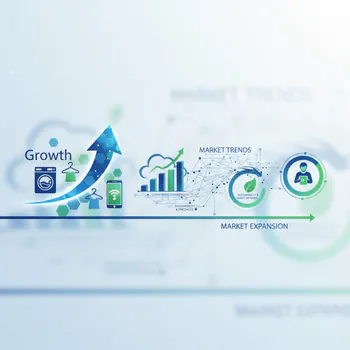
Market Trends & Growth Drivers
Benefits & Advantages
Utilizing professional dry-cleaning and laundry services offers several compelling benefits for both businesses and consumers:
- Superior Garment Care: Expert cleaning methods preserve fabric integrity and extend clothing life.
- Time Savings: Outsourcing laundry frees up time for individuals and staff to focus on core activities.
- Health & Hygiene: Professional services ensure deep cleaning and sanitization, reducing allergens and contaminants.
- Environmental Sustainability: Adoption of eco-friendly solvents and energy-efficient equipment reduces ecological footprints.
- Cost Efficiency: For businesses, economies of scale and reliable service reduce in-house labor and equipment expenses.
From an ROI perspective, companies that invest in quality laundry partnerships often see improved employee satisfaction, enhanced brand reputation, and compliance with industry regulations, all contributing to long-term value.
Challenges & Future Outlook
Despite its strengths, the dry-cleaning and laundry services industry faces challenges such as environmental concerns over solvent use, labor shortages, and competitive pressure from DIY home cleaning technologies.
However, ongoing research into green solvents, automation robotics, and digital customer engagement platforms promises to address these issues. For example, water-based wet cleaning is gaining traction as a safer alternative to traditional solvents.
Looking ahead, the integration of IoT devices for tracking garment cycles, AI for personalized service recommendations, and blockchain for transparency in supply chains could transform the industry. Furthermore, sustainability will remain a top priority as consumers increasingly favor brands committed to environmental stewardship.
Conclusion
In summary, dry-cleaning and laundry services stand at the intersection of tradition and innovation. By combining established cleaning techniques with cutting-edge technology and sustainability, the industry continues to meet evolving consumer needs and business demands.
For businesses, embracing these services can mean enhanced operational efficiency, improved customer satisfaction, and a stronger competitive edge. For consumers, they offer convenience, quality, and peace of mind when it comes to garment care.
As the market grows and technology advances, staying informed about trends and best practices will be essential. The future of dry-cleaning and laundry services is poised for exciting developments that promise cleaner, greener, and smarter solutions for all.
Need More Details on Market Players and Competitors?
Tagged in