
Electric Forklift Services: Boost Efficiency & Sustainability
Discover how electric forklift services enhance efficiency, sustainability, and cost savings across industries. Explore trends, benefits, and future outlook ...

Introduction
In today's rapidly evolving industrial landscape, optimizing warehouse and material handling operations is more crucial than ever. One game-changing innovation helping businesses achieve this is Electric Forklift Services. These services not only enhance operational efficiency but also promote environmental sustainability—making them indispensable in modern logistics and manufacturing sectors.
This article dives deep into the world of electric forklift services, exploring the technology behind them, their real-world applications, market trends, benefits, and future outlook. Whether you're a warehouse manager, logistics professional, or business owner, understanding these services will empower you to make informed decisions that drive growth and sustainability.
Technology and Concept Overview of Electric Forklift Services
Electric forklift services refer to a suite of offerings related to the maintenance, leasing, charging, and management of electric forklifts—vehicles powered by rechargeable batteries rather than internal combustion engines. These services are critical to ensuring that electric forklifts perform at peak efficiency, remain safe, and have minimal downtime.
Electric forklifts operate using lithium-ion or lead-acid batteries, which power electric motors to lift and transport goods. Unlike traditional fuel-powered forklifts, electric models produce zero emissions at the point of use, reduce noise pollution, and require less maintenance due to fewer moving parts.
Key terms to understand include:
- Battery Management System (BMS): Electronic system that monitors battery health and optimizes charging cycles.
- Fleet Management: Services that track, schedule maintenance, and optimize the use of multiple forklifts.
- Charging Infrastructure: The hardware and software setup for efficient and safe battery charging.
Electric forklift services encompass everything from scheduled maintenance and emergency repairs to battery swapping and telematics integration that provides real-time monitoring.
Industry Applications & Use Cases
Electric forklift services have found broad adoption across various industries, driven by their efficiency and sustainability benefits. Some notable sectors include:
- Warehousing and Distribution: Companies like Amazon and Walmart use electric forklifts extensively in their fulfillment centers, relying on electric forklift services to maintain smooth, 24/7 operations.
- Food and Beverage: Electric forklifts are preferred in cold storage and food processing facilities due to zero emissions and reduced noise, which are critical for product safety and worker comfort.
- Manufacturing: Automotive and electronics manufacturers utilize electric forklifts for moving delicate parts with precision. Services include tailored maintenance programs to prevent costly downtime.
- Retail and Wholesale: Large retail chains benefit from electric forklift services for in-store inventory handling, ensuring quick restocking and minimal disruption.
For example, a leading European food supplier reported a 25% reduction in operational costs after switching to electric forklifts supported by dedicated service contracts, which included battery monitoring and scheduled maintenance.
Market Trends & Growth Drivers
The electric forklift market is experiencing robust growth fueled by several key factors. According to industry reports, the global electric forklift market is projected to grow at a CAGR of around 7% from 2023 to 2030. This expansion directly drives increased demand for electric forklift services.
Major growth drivers include:
- Environmental Regulations: Stricter emissions standards are pushing companies to adopt electric forklifts, thereby increasing the need for specialized services to support these vehicles.
- Cost Efficiency: Although upfront costs can be higher, electric forklifts offer lower total cost of ownership (TCO), prompting businesses to invest in comprehensive service packages that maximize uptime.
- Technological Advancements: Innovations such as lithium-ion batteries, IoT-enabled fleet management, and automated charging stations create new service opportunities.
- Sustainability Initiatives: Corporate commitments to reduce carbon footprints are encouraging wider adoption of electric forklifts and associated services.
As a result, service providers are expanding their offerings to include remote diagnostics, predictive maintenance, and customized training programs, catering to the evolving needs of electric forklift operators.
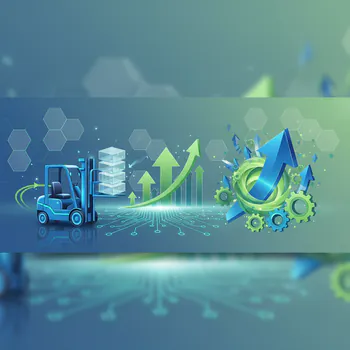
Market Trends & Growth Drivers
Benefits & Advantages of Electric Forklift Services
Utilizing professional electric forklift services delivers a range of benefits that extend beyond simple maintenance. These include:
- Enhanced Operational Efficiency: Scheduled maintenance and real-time monitoring reduce forklift downtime, ensuring smoother workflows.
- Cost Savings: Proactive battery management and optimized charging extend battery lifespan, lowering replacement costs.
- Environmental Impact: Services that support electric forklifts help companies reduce greenhouse gas emissions and comply with environmental regulations.
- Improved Safety: Regular inspections and timely repairs minimize workplace accidents associated with forklift use.
- Competitive Advantage: Businesses leveraging advanced electric forklift services can respond faster to logistics demands, boosting customer satisfaction and market positioning.
For instance, a global logistics firm reported a 15% increase in fleet productivity after partnering with an electric forklift service provider offering predictive maintenance and driver training.
Challenges & Future Outlook
Despite the advantages, several challenges persist in the adoption and servicing of electric forklifts. These include:
- High Initial Investment: The upfront cost of electric forklifts and specialized service contracts can be a barrier for small businesses.
- Battery Limitations: Battery life, charging time, and battery disposal remain concerns that require ongoing technological improvements.
- Infrastructure Requirements: Establishing adequate charging stations and facilities demands capital and planning.
- Skilled Workforce: There is a growing need for technicians trained specifically in electric forklift systems and battery technologies.
Looking ahead, innovations such as fast-charging technologies, wireless charging pads, and AI-powered fleet management tools are set to overcome many of these obstacles. Furthermore, the integration of electric forklifts with Industry 4.0 initiatives will create smarter, more connected warehouse environments.
Experts predict that by 2030, electric forklifts will dominate material handling fleets, with service providers evolving into comprehensive logistics partners offering end-to-end solutions—from leasing and maintenance to energy management and analytics.
Conclusion
Electric forklift services are transforming how businesses handle materials, offering a compelling blend of efficiency, cost savings, and sustainability. By understanding the technology, leveraging industry applications, and staying informed on market trends, companies can harness these services to gain a competitive edge.
While challenges exist, ongoing innovations and growing market demand make electric forklift services a forward-looking investment. Businesses ready to embrace these solutions will benefit from enhanced productivity, reduced emissions, and improved operational resilience.
As we move toward greener, smarter warehouses, electric forklift services will undoubtedly play a pivotal role in shaping the future of logistics and material handling.
Need More Details on Market Players and Competitors?
Tagged in