
Unlocking Growth: Insights into the Smart Home IoT Industry
Explore the Smart Home IoT Industry: technology, applications, market trends, benefits, challenges, and future outlook shaping connected living spaces.

Introduction
The Smart Home IoT Industry is revolutionizing the way we interact with our living spaces, blending convenience, security, and energy efficiency into one connected ecosystem. From voice-activated assistants to intelligent lighting systems, smart home technology is becoming an integral part of everyday life, making homes more responsive and adaptive to individual needs.
In this article, we will explore the core concepts behind the Smart Home IoT Industry, examine real-world applications, analyze market trends, highlight key benefits, and discuss the challenges and future outlook. Whether you're a tech enthusiast, business professional, or simply curious about smart home innovations, this comprehensive guide offers valuable insights into this rapidly evolving sector.
Technology and Concept Overview
The Smart Home IoT Industry revolves around the integration of Internet of Things (IoT) devices within residential environments to automate, monitor, and manage household functions remotely or autonomously. At its core, IoT refers to the network of interconnected devices capable of sending and receiving data over the internet.
Key technologies driving this industry include:
- IoT Devices: Sensors, actuators, and smart appliances that communicate through the internet.
- Wireless Connectivity: Protocols like Wi-Fi, Zigbee, Z-Wave, and Bluetooth enable device communication.
- Cloud Computing: Stores data remotely and supports advanced analytics for smarter automation.
- Artificial Intelligence (AI): Powers voice assistants, predictive behaviors, and intelligent decision-making.
- Mobile Applications: Provide user interfaces for monitoring and controlling smart devices.
Together, these technologies create an ecosystem where devices can respond dynamically to user preferences, environmental factors, and security concerns, forming the backbone of smart homes.
Industry Applications & Use Cases
The Smart Home IoT Industry has broad applications across multiple facets of residential living. Let's explore some prominent use cases:
- Home Security: Smart locks, surveillance cameras, and motion detectors enable real-time monitoring and remote control, enhancing safety. For example, Ring’s video doorbells allow homeowners to see and communicate with visitors via smartphone apps.
- Energy Management: Smart thermostats like Google Nest optimize heating and cooling based on occupancy and user behavior, reducing energy consumption and utility costs.
- Convenience and Automation: Voice-controlled assistants such as Amazon Alexa and Google Assistant facilitate hands-free control over lighting, entertainment systems, and appliances.
- Elderly Care: IoT sensors monitor health metrics and detect emergencies, offering independent living solutions for seniors.
- Entertainment: Connected smart TVs and multi-room audio systems deliver seamless media experiences tailored to user preferences.
Companies like Samsung SmartThings and Philips Hue have successfully implemented these innovations, demonstrating how smart home technology can transform daily routines into more efficient, secure, and enjoyable experiences.
Market Trends & Growth Drivers
The Smart Home IoT Industry is experiencing remarkable growth, fueled by rapid technological advancements and increasing consumer demand. According to a report by Statista, the global smart home market is expected to surpass $150 billion by 2025, growing at a compound annual growth rate (CAGR) of over 20%.
Several factors are driving this surge:
- Rising Smartphone Penetration: Mobile devices act as hubs to control smart home systems, broadening accessibility.
- Affordable Technology: Declining costs of sensors and connectivity modules make smart devices more attainable.
- Increased Focus on Energy Efficiency: Growing environmental awareness encourages adoption of energy-saving smart solutions.
- Enhanced Security Concerns: Homeowners seek smarter ways to safeguard properties remotely.
- Advancements in AI and Machine Learning: Smarter automation and predictive maintenance create superior user experiences.
Additionally, the COVID-19 pandemic accelerated interest in home automation as remote work and health monitoring became priorities, further expanding market opportunities.
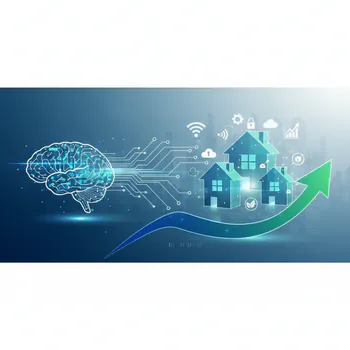
Market Trends & Growth Drivers
Benefits & Advantages
Adopting smart home IoT technology offers numerous advantages to both businesses and consumers:
- Convenience: Automated routines and remote control simplify household management, saving time and reducing manual effort.
- Energy Savings: Intelligent devices optimize power usage, lowering utility bills and contributing to sustainability goals.
- Enhanced Security: Real-time alerts and remote monitoring increase peace of mind and crime deterrence.
- Personalization: Systems adapt to individual preferences, creating comfortable and intuitive living environments.
- Improved Property Value: Smart home features can boost marketability and resale value of properties.
- Business Opportunities: For companies, the industry presents avenues for product development, subscription services, and data-driven offerings, driving return on investment (ROI).
Overall, the Smart Home IoT Industry enhances lifestyle quality while providing tangible economic benefits.
Challenges & Future Outlook
Despite its promising potential, the Smart Home IoT Industry faces several challenges:
- Security and Privacy Concerns: Connected devices can be vulnerable to hacking and data breaches, raising user apprehension.
- Interoperability Issues: Diverse protocols and standards sometimes hinder seamless integration between devices from different manufacturers.
- Complexity and Usability: Some users find smart home systems complicated to install or operate without technical knowledge.
- Regulatory Hurdles: Compliance with data protection laws and safety standards varies across regions, affecting deployment.
However, the industry is actively addressing these challenges through innovations such as enhanced encryption, unified platforms, user-friendly interfaces, and better regulatory frameworks.
Looking ahead, emerging trends like edge computing, 5G connectivity, and AI-powered predictive analytics are expected to propel the Smart Home IoT Industry forward. Experts predict a future where homes are not just smart but truly intelligent—anticipating needs, optimizing resources autonomously, and seamlessly integrating with smart cities and broader IoT ecosystems.
Conclusion
The Smart Home IoT Industry stands at the forefront of technological transformation, reshaping residential living with smarter, safer, and more efficient environments. From foundational technologies and compelling use cases to dynamic market growth and clear benefits, smart home IoT presents a powerful value proposition for consumers and businesses alike.
While challenges remain, ongoing innovation and collaboration promise a vibrant future filled with exciting opportunities. For homeowners, embracing smart home technology means enhanced comfort and control; for companies, it offers a thriving market with potential for innovation and growth.
As we move into an increasingly connected world, understanding and leveraging the smart home IoT ecosystem will be essential to unlocking new levels of convenience, security, and sustainability.
Need More Details on Market Players and Competitors?
Tagged in