
Food and Beverage ERP Systems: Streamlining Industry Success
Discover how Food and Beverage ERP Systems streamline operations, ensure compliance, and drive growth in the dynamic food industry with real-world insights.

Introduction
The food and beverage industry is a dynamic and highly competitive sector, where efficiency, compliance, and quality control are paramount. As consumer demands evolve and regulations tighten, businesses need reliable technology solutions to maintain a competitive edge. This is where Food and Beverage ERP Systems come into play, revolutionizing how companies manage their operations from farm to fork.
In this article, we will explore the core concepts behind Food and Beverage ERP Systems, examine their real-world applications, analyze current market trends, highlight their key benefits, and discuss challenges and future outlooks. Whether you are a decision-maker in the industry or simply interested in technological advancements, this comprehensive guide will provide valuable insights.
Technology and Concept Overview
Enterprise Resource Planning (ERP) systems are integrated software platforms designed to streamline and automate core business processes. In the context of food and beverage, ERP solutions are tailored to address industry-specific demands such as inventory management, quality assurance, traceability, compliance with food safety standards, and production scheduling.
Key terms related to Food and Beverage ERP Systems include:
- Traceability: The ability to track raw materials and finished goods throughout the supply chain.
- Batch Management: Monitoring and controlling production lots to ensure consistency and compliance.
- Regulatory Compliance: Adhering to food safety regulations such as FDA, HACCP, and FSMA.
- Supply Chain Integration: Connecting suppliers, manufacturers, and distributors for seamless operations.
These systems provide a unified platform that consolidates data and automates workflows, reducing errors and improving decision-making across procurement, production, inventory, sales, and finance.
Industry Applications & Use Cases
Food and Beverage ERP Systems have been adopted by various segments within the industry, including manufacturers, distributors, and retailers. Consider the following real-world examples:
- Manufacturing Efficiency: A dairy producer implemented an ERP system to optimize production scheduling, resulting in a 20% reduction in downtime and enhanced batch tracking to meet stringent quality standards.
- Supply Chain Transparency: A global beverage company used ERP to gain end-to-end visibility over their raw material sourcing and distribution, which improved traceability and reduced recall times by 30%.
- Regulatory Compliance: A snack food manufacturer leveraged ERP features to automate compliance documentation and reporting, streamlining audits by regulatory bodies.
These examples illustrate how Food and Beverage ERP Systems not only improve operational efficiency but also help companies meet rigorous industry standards.
Market Trends & Growth Drivers
The market for Food and Beverage ERP Systems is growing rapidly, driven by several key factors. According to a recent report by MarketsandMarkets, the global food ERP market is projected to reach $8.5 billion by 2027, growing at a CAGR of 7.2% from 2022.
Major growth drivers include:
- Increasing Demand for Food Safety: Regulatory agencies worldwide are imposing stricter food safety standards, prompting companies to adopt ERP solutions for compliance.
- Rising Consumer Expectations: Modern consumers demand transparency about product origins and quality, pushing businesses towards traceability-enabled systems.
- Technological Advancements: Integration with IoT devices, AI-powered analytics, and cloud-based ERP solutions are enhancing system capabilities and accessibility.
- Supply Chain Complexity: Globalized supply chains require robust systems for coordination and risk mitigation.
As these trends converge, Food and Beverage ERP Systems become indispensable tools for companies aiming to innovate and scale efficiently.
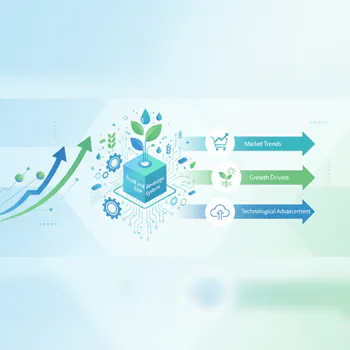
Market Trends & Growth Drivers
Benefits & Advantages
Implementing Food and Beverage ERP Systems offers numerous advantages for businesses and end-users alike. These benefits include:
- Enhanced Operational Efficiency: Automation reduces manual errors, streamlines workflows, and improves resource allocation.
- Improved Traceability and Quality Control: Real-time tracking of ingredients and batches ensures consistent product quality and faster recall management.
- Compliance Assurance: ERP systems simplify adherence to food safety regulations, reducing the risk of penalties and reputational damage.
- Data-Driven Decision Making: Integrated analytics provide actionable insights into sales trends, inventory levels, and production performance.
- Cost Reduction and ROI: Companies typically see a significant return on investment by minimizing waste, optimizing inventory, and reducing downtime.
Overall, Food and Beverage ERP Systems empower businesses with a competitive edge by enhancing transparency, agility, and customer satisfaction.
Challenges & Future Outlook
Despite their advantages, Food and Beverage ERP Systems face several challenges. Implementation complexity, high upfront costs, and resistance to change among staff can hinder adoption. Additionally, data integration from legacy systems and maintaining data security pose ongoing concerns.
Looking ahead, innovations such as cloud-based ERP, AI-driven predictive analytics, and blockchain for immutable traceability promise to address many of these challenges. For instance, blockchain integration can create tamper-proof supply chain records, further enhancing trust and compliance.
Experts predict that future Food and Beverage ERP Systems will become more modular, user-friendly, and scalable, enabling small and medium enterprises to harness advanced technology without prohibitive costs.
In summary, while challenges remain, the future of Food and Beverage ERP Systems is bright, driven by technological progress and increasing industry demands.
Conclusion
Food and Beverage ERP Systems have become essential for companies striving to optimize operations, ensure compliance, and satisfy modern consumer expectations. By understanding the technology’s core concepts, exploring real-world applications, and recognizing market trends, businesses can make informed decisions about their digital transformation journey.
Investing in an ERP solution tailored to the food and beverage industry delivers measurable benefits, including improved efficiency, traceability, and regulatory compliance, all contributing to stronger ROI. While implementation challenges exist, emerging technologies and evolving system capabilities continue to lower barriers and open opportunities.
As the industry evolves, embracing advanced ERP systems will be a defining factor in staying competitive and agile in a fast-paced, demanding marketplace.
Need More Details on Market Players and Competitors?
Tagged in