
Food Grade Hydrolyzed Animal Protein: Key Uses and Market Trends
Discover the uses, benefits, and market trends of Food Grade Hydrolyzed Animal Protein in food, pet care, and nutrition industries.

Introduction
In the ever-evolving food and nutrition industry, Food Grade Hydrolyzed Animal Protein has emerged as a versatile and valuable ingredient. Known for its unique flavor-enhancing properties and nutritional benefits, this specialized protein plays a crucial role in food manufacturing, pet foods, and even pharmaceutical products.
Understanding the significance of Food Grade Hydrolyzed Animal Protein is essential for food scientists, manufacturers, and businesses aiming to innovate and meet consumer demands. This article delves into what this ingredient is, its practical applications, market growth drivers, benefits, and future outlook.
Technology/Concept Overview
Food Grade Hydrolyzed Animal Protein refers to animal-derived proteins that have undergone hydrolysis, a process that breaks down complex proteins into smaller peptides and amino acids. This process enhances digestibility, solubility, and flavor profile, making the protein more suitable for various food and feed applications.
The hydrolysis is typically achieved through enzymatic or acid methods. Enzymatic hydrolysis is preferred for food-grade products because it preserves nutritional quality and produces consistent results. Common sources include beef, poultry, fish, and pork by-products. Key terms to understand include:
- Hydrolysis: Chemical breakdown of proteins into peptides and amino acids.
- Peptides: Short chains of amino acids that influence taste and nutritional properties.
- Umami Flavor: A savory taste often enhanced by hydrolyzed proteins.
- Food Grade: Denotes that the product meets safety and quality standards for human or animal consumption.
Overall, Food Grade Hydrolyzed Animal Protein serves as a functional ingredient with enhanced flavor and nutritional profiles, playing a critical role in food technology innovations.
Industry Applications & Use Cases
This ingredient finds extensive use across multiple sectors due to its functional and nutritional attributes. In the food industry, it enhances savory flavors in soups, sauces, snacks, and ready-to-eat meals. Manufacturers rely on Food Grade Hydrolyzed Animal Protein to improve mouthfeel and protein content without compromising taste.
In pet food, it boosts palatability and digestibility, making it a preferred protein source in premium formulations. For instance, leading pet food brands have incorporated hydrolyzed beef protein to improve acceptance by pets with sensitive digestion.
Additionally, this protein is valuable in the production of nutritional supplements and specialized medical nutrition products. Hydrolyzed proteins are easier to digest and absorb, making them ideal for patients with impaired digestion.
Case Study: A major European pet food manufacturer reported a 15% increase in customer satisfaction after reformulating their wet food products with Food Grade Hydrolyzed Animal Protein, citing improved texture and flavor.
Market Trends & Growth Drivers
The global market for Food Grade Hydrolyzed Animal Protein is witnessing steady growth, driven by rising demand for natural flavor enhancers and high-protein food products. According to industry reports, the market is projected to grow at a CAGR of around 6% over the next five years.
Key growth factors include:
- Increased consumer preference for clean-label and nutritious foods that contain natural ingredients instead of synthetic additives.
- Expansion of the pet food industry with a focus on premium, digestible protein sources.
- Technological advancements in enzymatic hydrolysis, improving yield and product consistency.
- Rising demand in emerging markets where animal protein consumption is increasing.
Moreover, regulatory support ensuring the safety and quality of hydrolyzed proteins further amplifies market confidence and adoption.
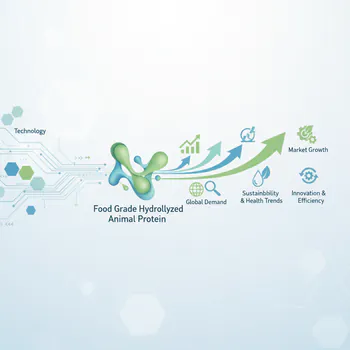
Market Trends & Growth Drivers
Benefits & Advantages
Food Grade Hydrolyzed Animal Protein offers several advantages that make it attractive to manufacturers and consumers alike:
- Enhanced Flavor Profile: It provides a rich umami taste, improving the sensory appeal of products.
- Improved Nutritional Value: Hydrolysis increases protein digestibility and bioavailability of amino acids.
- Functional Versatility: Suitable for incorporation into various product formats, including liquids, powders, and gels.
- Allergen Management: Hydrolyzed proteins tend to be less allergenic, broadening consumer acceptance.
- Cost Efficiency: Utilizes animal by-products, reducing waste and lowering raw material costs.
For businesses, these benefits translate into a competitive edge through product differentiation and better ROI, particularly in premium food and pet nutrition markets.
Challenges & Future Outlook
Despite its benefits, the production and use of Food Grade Hydrolyzed Animal Protein face challenges. Variability in raw material quality can affect product consistency. Additionally, consumer concerns about animal-derived ingredients and sustainability issues require ongoing attention.
Innovations such as improved enzymatic processes and integration with alternative protein sources are being explored to enhance sustainability and reduce environmental impact.
Future trends point toward more personalized nutrition products, where hydrolyzed animal proteins could be tailored for specific dietary needs, such as sports nutrition or clinical diets. Advances in biotechnology may also enable more efficient hydrolysis techniques, expanding applications further.
Conclusion
In summary, Food Grade Hydrolyzed Animal Protein stands out as a vital ingredient in modern food and nutrition sectors, offering enhanced flavor, digestibility, and functional benefits. Its growing adoption across food, pet care, and medical nutrition underscores its versatility and market potential.
Businesses looking to innovate should consider integrating this ingredient to meet evolving consumer expectations for natural, nutritious, and tasty products. As technology advances and sustainability approaches improve, Food Grade Hydrolyzed Animal Protein is poised to play an even more significant role in the future of food science.
Embracing this ingredient today means positioning for success in a competitive, health-conscious marketplace tomorrow.
Need More Details on Market Players and Competitors?
Tagged in