
GPS Trackers: Transforming Location Tracking for Business & Beyond
Explore how GPS trackers revolutionize location tracking with real-world applications, market trends, benefits, challenges, and future opportunities for busi...

Introduction
In a world driven by real-time information and precise location data, GPS trackers have become indispensable tools for businesses and individuals alike. Whether monitoring fleet vehicles, securing valuable assets, or ensuring personal safety, GPS trackers offer unparalleled visibility and control over movement and location.
This article dives deep into the technology behind GPS trackers, explores their diverse applications across industries, examines market trends driving growth, outlines key benefits, and discusses challenges and future outlooks. If you want to understand why GPS trackers are reshaping how we manage logistics, security, and mobility, keep reading.
Technology and Concept Overview
GPS trackers are devices that use the Global Positioning System (GPS) to determine the precise location of objects or people. GPS, originally developed by the U.S. Department of Defense, consists of a network of over 30 satellites orbiting Earth, transmitting signals to receivers globally.
At their core, GPS trackers receive satellite signals to triangulate their location using latitude and longitude coordinates. These devices often combine GPS with additional technologies like cellular networks, Wi-Fi, and Bluetooth to transmit location data in real time to a central system or user’s smartphone.
There are different types of GPS trackers, including:
- Standalone GPS Trackers: Devices that provide location data without supplementary connectivity.
- Real-Time GPS Trackers: These send continuous location updates via cellular or satellite networks.
- Asset Trackers: Small, rugged devices designed for tracking valuable equipment and shipments.
- Vehicle Trackers: Integrated into a vehicle’s system to monitor routes, speed, and driver behavior.
Understanding these basic concepts is essential for grasping how GPS trackers can be applied in real-world scenarios.
Industry Applications & Use Cases
The versatility of GPS trackers has led to widespread adoption across multiple industries:
- Transportation and Logistics: Fleet management companies rely heavily on GPS trackers to optimize routes, monitor driver behavior, and improve delivery times. For example, DHL implemented GPS tracking across its fleet, reducing fuel consumption by 15% and increasing on-time deliveries.
- Construction and Heavy Equipment: Companies use asset GPS trackers to prevent theft and monitor equipment utilization on-site, enhancing operational efficiency.
- Personal Safety and Health: Wearable GPS trackers help parents monitor children’s locations and assist elderly individuals with dementia to stay safe and connected.
- Wildlife and Environmental Monitoring: Researchers attach GPS trackers to animals to study migration patterns and habitat use, contributing valuable ecological insights.
- Insurance Industry: Usage-based insurance models leverage GPS trackers to monitor driver habits, enabling personalized premiums and promoting safer driving.
These examples highlight how GPS trackers extend beyond mere location tracking to drive efficiency, safety, and data-driven decisions.
Market Trends & Growth Drivers
The global market for GPS trackers is witnessing robust growth, fueled by advancements in IoT, increased smartphone penetration, and rising demand for asset tracking solutions.
According to recent industry reports, the GPS tracker market is projected to grow at a CAGR of over 12% between 2023 and 2030. Key factors driving this growth include:
- Technological Innovation: Integration of AI and machine learning enhances predictive analytics and tracking accuracy.
- Regulatory Compliance: Governments mandating GPS tracking for commercial fleets to improve road safety and reduce emissions.
- Cost Reduction: Falling hardware and connectivity costs make GPS tracking accessible to small and medium enterprises.
- Supply Chain Complexity: Growing need for end-to-end visibility in global supply chains to mitigate risks and improve transparency.
Additionally, the rise of 5G networks is expected to enable faster and more reliable data transmission, further boosting adoption.
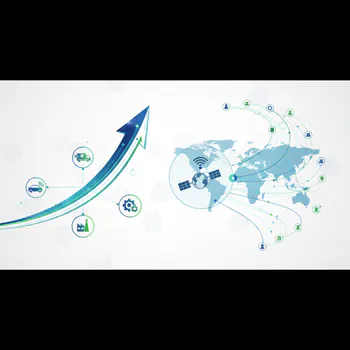
Market Trends & Growth Drivers
Benefits & Advantages
Businesses and consumers alike reap significant advantages from deploying GPS trackers:
- Enhanced Operational Efficiency: Real-time tracking facilitates optimized routing and resource allocation, reducing operational costs.
- Improved Security: GPS trackers deter theft and enable rapid recovery of stolen assets or vehicles.
- Data-Driven Insights: Analytics from tracking data help identify patterns, enabling proactive decision-making.
- Compliance and Reporting: Automated location logs simplify regulatory reporting and auditing.
- Customer Satisfaction: Transparent tracking updates improve trust and communication with end customers.
From a financial perspective, companies often see strong return on investment (ROI) by reducing losses, optimizing fuel consumption, and minimizing downtime.
Challenges & Future Outlook
Despite their many benefits, GPS trackers face certain challenges:
- Privacy Concerns: The collection of location data raises important questions about user consent and data protection.
- Signal Limitations: GPS signals can be weak or unavailable indoors or in dense urban areas, affecting accuracy.
- Battery Life and Maintenance: Ensuring long-lasting power sources for trackers, especially in remote deployments, remains a hurdle.
However, ongoing innovations promise solutions to these challenges. Hybrid tracking technologies that combine GPS with cellular triangulation or ultra-wideband (UWB) are improving reliability. Enhanced encryption and privacy frameworks address data security concerns.
Looking ahead, GPS trackers are expected to integrate more deeply with AI-driven analytics, edge computing, and blockchain to offer smarter, more secure, and autonomous tracking ecosystems. The expanding role of GPS trackers in smart cities, autonomous vehicles, and supply chain digitization signifies a bright and transformative future.
Conclusion
GPS trackers have evolved from simple location devices to complex, multi-functional tools that empower businesses and individuals with critical data and control. Their applications span transportation, asset management, personal safety, environmental monitoring, and more, driven by technological advances and market demand.
By understanding the technology, leveraging current market trends, and addressing challenges proactively, companies can unlock significant competitive advantages and operational efficiencies. As GPS tracking technology continues to innovate and expand, staying informed and adaptable will be key to harnessing its full potential in the coming years.
Embracing GPS trackers today means positioning your organization at the forefront of a data-driven, connected future.
Need More Details on Market Players and Competitors?
Tagged in