
Green Hydrogen Electrolyzers: Powering a Sustainable Future
Explore how green hydrogen electrolyzers are revolutionizing clean energy with sustainable hydrogen production, key applications, market trends, and future o...

Introduction
As the world races towards a greener and more sustainable energy future, green hydrogen electrolyzers have emerged as a game-changing technology. With the urgent need to reduce carbon emissions and combat climate change, green hydrogen offers a clean fuel alternative that could revolutionize multiple industries.
In this article, we'll explore what green hydrogen electrolyzers are, their vital role in producing sustainable hydrogen, and why they are becoming increasingly important across energy, transportation, and manufacturing sectors. We'll also dive into market trends, benefits, challenges, and what lies ahead for this rapidly evolving technology.
Technology Overview: What Are Green Hydrogen Electrolyzers?
Green hydrogen electrolyzers are devices that produce hydrogen gas by splitting water molecules into hydrogen and oxygen using electricity derived from renewable sources such as solar or wind power. This process is called electrolysis, and when powered by renewables, it generates hydrogen without carbon emissions—hence the term "green" hydrogen.
Key types of electrolyzers include:
- Proton Exchange Membrane (PEM) Electrolyzers: Known for fast response times and high purity hydrogen, ideal for fluctuating renewable power.
- Alkaline Electrolyzers: Well-established, cost-effective, and widely used but less flexible compared to PEM.
- Solid Oxide Electrolyzers: High-temperature electrolyzers offering improved efficiency but still in developmental stages.
By converting renewable electricity into hydrogen, green hydrogen electrolyzers serve as a critical bridge in the transition from fossil fuels to clean energy systems.
Industry Applications & Use Cases
The versatility of green hydrogen electrolyzers makes them highly valuable across various industries. Here are some prominent applications:
- Energy Storage & Grid Balancing: Hydrogen produced during surplus renewable electricity can be stored and later converted back to electricity, stabilizing grids with high renewable penetration.
- Transportation: Hydrogen fuel cell vehicles (FCEVs), buses, trucks, and even trains leverage green hydrogen as a zero-emission fuel, reducing reliance on fossil fuels.
- Industrial Processes: Sectors like steel manufacturing, ammonia production, and refining traditionally reliant on natural gas are adopting green hydrogen to slash carbon emissions.
- Heating and Power Generation: Hydrogen can fuel turbines and boilers for heating and power, offering a low-carbon alternative in heavy industries and buildings.
For example, the port of Rotterdam has integrated green hydrogen electrolyzers into its infrastructure to power ships and reduce maritime emissions. Similarly, steel giant ArcelorMittal is piloting electrolyzer technologies to produce green hydrogen for cleaner steel manufacturing.
Market Trends & Growth Drivers
The global green hydrogen electrolyzers market is witnessing robust growth, driven by climate policies, technological advancements, and increasing investments. According to recent reports, the market is projected to grow at a compound annual growth rate (CAGR) of over 50% through 2030.
Key growth drivers include:
- Government Incentives & Targets: Many countries have announced ambitious hydrogen strategies and subsidies to promote green hydrogen production.
- Declining Renewable Energy Costs: Cheaper solar and wind power make green hydrogen production more economically viable.
- Private Sector Commitments: Major corporations are investing in electrolyzer projects to decarbonize supply chains.
- Technological Innovation: Advances in electrolyzer efficiency and scale are reducing costs and improving performance.
Markets in Europe, Asia-Pacific, and North America are particularly active, with projects scaling from small demonstration units to gigawatt-scale electrolyzer plants.
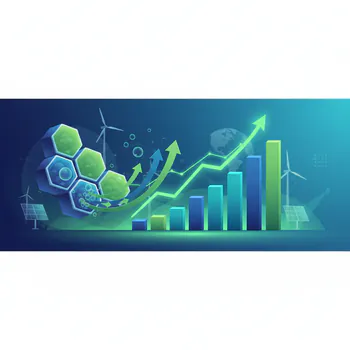
Market Trends & Growth Drivers
Benefits & Advantages of Green Hydrogen Electrolyzers
Green hydrogen electrolyzers offer numerous benefits for businesses, governments, and society at large:
- Zero Carbon Emissions: Unlike grey hydrogen produced from fossil fuels, green hydrogen electrolyzers enable truly sustainable hydrogen generation.
- Energy Security: Utilizing domestic renewable resources reduces dependence on imported fuels.
- Versatility: Hydrogen can be used across sectors, providing flexibility in decarbonization efforts.
- Economic Opportunities: New jobs and industries emerge around electrolyzer manufacturing, installation, and maintenance.
- Return on Investment (ROI): As electrolyzer costs decline, payback periods shorten, making green hydrogen projects increasingly attractive.
Moreover, green hydrogen electrolyzers help companies meet sustainability goals and regulatory requirements, enhancing brand reputation and competitive advantage.
Challenges & Future Outlook
Despite its promise, green hydrogen electrolyzer technology faces several challenges:
- High Capital Costs: Initial investments remain significant, requiring supportive financing mechanisms.
- Infrastructure Gaps: Hydrogen transport, storage, and distribution networks are still underdeveloped.
- Energy Efficiency: Electrolysis consumes considerable electricity; optimizing efficiency is critical.
- Scaling Up: Moving from pilot to commercial scale entails technical and logistical hurdles.
However, ongoing innovations such as advanced catalysts, modular electrolyzer designs, and integration with smart grids offer promising solutions. The future looks bright, with green hydrogen electrolyzers expected to play a central role in achieving net-zero emissions by mid-century.
Industry leaders predict that by 2050, green hydrogen could supply up to 24% of global energy demand, underscoring its transformative potential.
Conclusion
Green hydrogen electrolyzers stand at the forefront of the clean energy revolution, enabling sustainable hydrogen production that can decarbonize multiple sectors. Their ability to harness renewable electricity to produce zero-emission hydrogen presents a compelling pathway to a carbon-neutral future.
Businesses and policymakers should actively explore investments in electrolyzer technologies, capitalize on emerging market opportunities, and collaborate to overcome current challenges. By doing so, they can unlock the full potential of green hydrogen as a cornerstone of the global energy transition.
As technology matures and scales, green hydrogen electrolyzers will undoubtedly become indispensable in building resilient, sustainable energy systems worldwide.
Need More Details on Market Players and Competitors?
Tagged in