
Heavy Quadricycles: Revolutionizing Urban Mobility and Beyond
Discover how heavy quadricycles are transforming urban mobility with sustainable, compact, and cost-effective vehicle solutions across industries.

Introduction
Urban transportation is evolving rapidly, driven by the demand for sustainable, efficient, and versatile vehicles. Among the emerging solutions gaining traction are heavy quadricycles, a unique vehicle category blending compactness with utility. These vehicles are reshaping how cities and industries approach mobility challenges.
In this article, we will explore the concept of heavy quadricycles, their technological framework, industry applications, market trends, advantages, and the challenges they face. Whether you are a business owner, urban planner, or technology enthusiast, understanding heavy quadricycles offers valuable insight into the future of mobility.
Technology and Concept Overview of Heavy Quadricycles
Heavy quadricycles are a specific class of four-wheeled vehicles that fall between light quadricycles and conventional cars in terms of weight, power, and regulatory framework. Defined by the European Union under Regulation (EU) No 168/2013, heavy quadricycles typically have a maximum unladen mass of 400 to 550 kg and engine power up to 15 kW (about 20 horsepower), depending on classifications. They are heavier and more robust than light quadricycles but still more compact and efficient than full-sized vehicles.
These vehicles often run on electric or hybrid powertrains, taking advantage of lightweight construction materials such as aluminum and composites to maximize energy efficiency. Their design balances safety features, urban maneuverability, and compliance with emission standards, positioning them as a bridge between motorcycles and passenger cars.
Industry Applications & Use Cases of Heavy Quadricycles
Heavy quadricycles have found versatile applications across various sectors, particularly where compactness and low operational costs are critical. Here are some notable examples:
- Urban Delivery Services: Companies like UPS and DHL have piloted heavy quadricycles for last-mile deliveries, thanks to their small footprint and low emissions, enabling easy navigation through congested city streets.
- Municipal Services: Cities in Europe have adopted heavy quadricycles for tasks such as street cleaning, utility maintenance, and parking enforcement, where larger vehicles are impractical.
- Tourism and Leisure: Resorts and theme parks use heavy quadricycles as shuttle vehicles, offering quiet operation and easy maneuverability in pedestrian zones.
- Commercial Fleets: Startups and SMEs leverage these vehicles for mobile vending, maintenance services, and light cargo transport.
For instance, French manufacturer Ligier offers several heavy quadricycle models that have gained popularity in European urban centers, praised for their electric range and compact design.
Market Trends & Growth Drivers
The market for heavy quadricycles is expanding steadily, fueled by increasing urbanization, stricter emissions regulations, and the growing emphasis on sustainable transport solutions. According to a recent report by ResearchAndMarkets, the global quadricycle market is projected to grow at a CAGR of 6.5% through 2028, with heavy quadricycles constituting a significant share.
Key growth drivers include:
- Environmental Policies: Governments worldwide are incentivizing zero-emission vehicles, strengthening demand for electric heavy quadricycles.
- Cost Efficiency: Lower acquisition and operating costs compared to traditional vehicles appeal to businesses aiming to reduce expenses.
- Urban Infrastructure Constraints: As cities become more congested, compact vehicles that can navigate narrow streets and limited parking spaces gain preference.
- Technological Advancements: Improvements in battery technology and lightweight materials enhance performance and range.
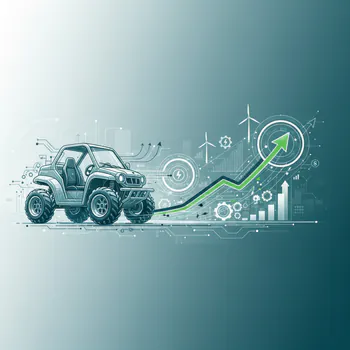
Market Trends & Growth Drivers
Benefits & Advantages of Heavy Quadricycles
Heavy quadricycles offer numerous advantages for businesses, municipalities, and individual users alike. Key benefits include:
- Improved Fuel Efficiency and Reduced Emissions: Many heavy quadricycles use electric or hybrid powertrains, significantly lowering carbon footprints.
- Compact Size: Easier to park and maneuver than traditional vehicles, reducing time spent in traffic and parking searches.
- Lower Operating Costs: Reduced maintenance, insurance, and fuel costs provide a strong return on investment (ROI).
- Regulatory Advantages: In some regions, heavy quadricycles benefit from relaxed licensing requirements and access to restricted urban zones.
- Versatility: Customizable platforms allow for cargo, passenger transport, or specialized equipment installations.
These advantages empower companies to optimize last-mile logistics, improve urban services, and explore new business models with sustainable vehicles.
Challenges & Future Outlook for Heavy Quadricycles
Despite their promising potential, heavy quadricycles face several challenges:
- Safety Concerns: Their lightweight structure may not offer the same protection as standard cars, necessitating ongoing improvements in safety technologies.
- Consumer Awareness: Public understanding and acceptance of heavy quadricycles are still developing, limiting market penetration in some regions.
- Regulatory Variability: Classification and regulations differ internationally, complicating cross-border adoption.
- Range and Performance Limitations: Electric heavy quadricycles often have shorter range compared to larger EVs, which could hamper adoption for longer routes.
Innovations like enhanced battery capacity, advanced driver-assistance systems (ADAS), and modular designs are expected to address these challenges. Experts forecast that integration with smart city infrastructure and autonomous driving technologies will further elevate the role of heavy quadricycles in urban ecosystems over the next decade.
Conclusion
Heavy quadricycles represent an exciting, pragmatic solution to many of today’s urban mobility and commercial transport challenges. Their blend of compact size, cost efficiency, and environmental friendliness makes them an increasingly attractive choice for businesses and municipalities seeking sustainable alternatives.
As technology evolves and regulatory frameworks align, heavy quadricycles are poised to become a staple in smart, green transportation networks worldwide. For stakeholders aiming to future-proof their fleets or urban mobility strategies, investing in heavy quadricycles is a forward-thinking move that promises both immediate and long-term value.
Need More Details on Market Players and Competitors?
Tagged in