
Insulating Glass Spacer: Enhancing Window Efficiency & Comfort
Discover how insulating glass spacers improve window efficiency, reduce energy costs, and enhance comfort. Explore market trends, benefits, and future innova...

Introduction
In the quest for energy-efficient buildings and comfortable living spaces, the role of window technology cannot be overstated. One critical yet often overlooked component that significantly influences a window’s performance is the insulating glass spacer. This small but vital element plays a major role in enhancing thermal insulation, reducing energy costs, and improving overall comfort.
In this article, we will explore the technology behind insulating glass spacers, their practical applications across industries, current market trends, and the benefits they bring to both homeowners and businesses. Additionally, we will discuss the challenges facing spacer technology and the promising innovations shaping its future.
Technology Overview: What Is an Insulating Glass Spacer?
An insulating glass spacer is a component used between the panes of double- or triple-glazed windows to maintain a uniform separation and create an insulating air or gas-filled cavity. This cavity is essential for reducing heat transfer through the window, thereby improving energy efficiency.
Traditionally, spacers were made from aluminum, but advancements have introduced materials like stainless steel, foam, and thermoplastics that offer better thermal performance. These spacers also incorporate desiccants to absorb moisture, preventing condensation within the window unit.
Key terms related to insulating glass spacers include:
- Warm-edge spacer: A spacer made from materials with low thermal conductivity to reduce heat transfer at the window edge.
- Desiccant: A drying agent inside the spacer that absorbs moisture to prevent fogging.
- Gas fill: Inert gases like argon or krypton that fill the space between panes for better insulation.
Industry Applications & Use Cases
Insulating glass spacers are widely used across residential, commercial, and industrial sectors. For instance, modern energy-efficient homes often incorporate warm-edge spacers to meet stringent building codes and green certification standards.
Commercial buildings, such as office towers and hospitals, benefit from improved thermal performance and reduced condensation on large glass facades, thanks to advanced spacer technologies. In the automotive sector, insulating glass spacers are used in specialized glazing to enhance occupant comfort and sound insulation.
A notable success story is the One World Trade Center in New York, where triple-glazed windows with warm-edge spacers were installed. These windows contribute to the building’s LEED Gold certification by significantly reducing energy consumption for heating and cooling.
Market Trends & Growth Drivers
The global market for insulating glass spacers is experiencing robust growth, driven by rising energy efficiency regulations, increasing demand for sustainable construction, and innovations in window technology. According to a recent industry report, the market is expected to grow at a CAGR of over 6% between 2024 and 2030.
Key growth factors include:
- Stringent Building Codes: Governments worldwide are enforcing regulations that mandate higher thermal performance in buildings.
- Green Building Initiatives: Increased adoption of LEED, BREEAM, and other certifications promotes the use of energy-efficient glazing systems.
- Technological Innovations: Development of thermally improved spacers and integrated smart glazing solutions.
Additionally, urbanization and new construction activities in developing regions create further opportunities for insulating glass spacer manufacturers.
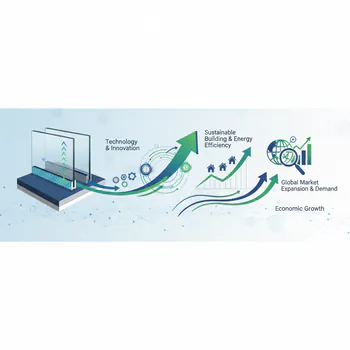
Market Trends & Growth Drivers
Benefits & Advantages of Insulating Glass Spacers
The primary benefit of insulating glass spacers is the enhancement of a window’s thermal insulation properties. By minimizing heat loss around the edges, spacers contribute to lower energy bills and improved occupant comfort.
Other advantages include:
- Condensation Reduction: Effective moisture control reduces fogging and potential mold growth inside window units.
- Sound Insulation: Spacers help maintain the structural gap that dampens outside noise.
- Durability: Modern spacer materials resist corrosion and maintain integrity over time, extending the window’s lifespan.
- Environmental Impact: Energy savings translate to reduced carbon footprint, supporting sustainability goals.
For businesses, these benefits translate into a strong return on investment (ROI) through energy savings, enhanced property value, and compliance with energy codes.
Challenges & Future Outlook
Despite advancements, the insulating glass spacer market faces challenges such as higher initial costs for advanced spacers, manufacturing complexities, and issues with long-term durability in harsh environments. Additionally, improper installation can compromise spacer performance, leading to condensation and thermal bridging.
Innovations aimed at overcoming these challenges include the development of hybrid spacers combining materials for optimal performance, integration of smart sensors to monitor window conditions, and eco-friendly materials to reduce environmental impact.
Looking ahead, the future of insulating glass spacers is promising. With the rise of smart buildings and IoT integration, spacers are expected to evolve beyond passive components to active elements that contribute data for building energy management systems. Moreover, continuous improvements in materials science will further improve thermal efficiency and durability.
Conclusion
In summary, insulating glass spacers are a critical yet often underappreciated component in modern glazing systems, directly influencing energy efficiency, occupant comfort, and building sustainability. From residential homes to iconic commercial projects, their impact is both tangible and growing.
For architects, builders, and facility managers, selecting the right insulating glass spacer technology can yield significant benefits, including energy savings, reduced maintenance, and compliance with evolving regulations. As innovations continue to emerge, staying informed about spacer technology will be essential to harnessing the full potential of advanced glazing systems.
Ultimately, investing in high-quality insulating glass spacers is a forward-thinking step towards sustainable and comfortable buildings that meet the demands of today and tomorrow.
Need More Details on Market Players and Competitors?
Tagged in