
Phone-based Authentication: Enhancing Security & User Experience
Discover how phone-based authentication enhances security and user experience across industries. Explore trends, benefits, challenges, and future outlook in ...

Introduction
In today’s digital landscape, security is more critical than ever before. With cyber threats evolving rapidly, organizations and users alike need reliable methods to protect sensitive information. Phone-based authentication has emerged as a popular and effective tool to enhance security while improving user convenience.
This article explores the concept of phone-based authentication, its applications across industries, current market trends, benefits, challenges, and future outlook. Whether you're a business leader, IT professional, or simply interested in digital security, this guide will provide valuable insights into this evolving technology.
Technology Overview: Understanding Phone-based Authentication
Phone-based authentication refers to methods where a user’s phone acts as a key factor to verify their identity during login or transaction processes. It is often categorized under two-factor authentication (2FA) or multi-factor authentication (MFA), combining something the user knows (like a password) with something the user has (their phone).
Key terms to understand include:
- One-Time Password (OTP): A temporary code sent to the user’s phone via SMS or generated by an authenticator app.
- Push Notification Authentication: A prompt sent to the phone asking the user to approve or deny a login attempt.
- Biometric Authentication: Using phone sensors such as fingerprint or facial recognition to validate identity.
- SIM-based Authentication: Leveraging the phone’s SIM card or network credentials for verification.
The rise of smartphones equipped with secure hardware and biometrics has made phone-based authentication a cornerstone in modern digital security strategies.
Industry Applications & Use Cases
Phone-based authentication is widely adopted across various sectors to safeguard accounts and sensitive transactions. Here are some notable examples:
- Financial Services: Banks and fintech companies use phone-based authentication to secure online banking and mobile payments. For instance, HSBC employs push notification approvals to reduce fraud, enhancing customer trust.
- Healthcare: Medical portals utilize phone-based multi-factor authentication to protect patient data and comply with regulations such as HIPAA.
- Enterprise IT: Businesses implement phone-based authentication to control employee access to corporate networks, ensuring remote work security.
- E-commerce: Platforms like Amazon and eBay offer phone-based 2FA to prevent unauthorized purchases and account takeovers.
- Government Services: Many government portals require phone-based authentication for secure access to tax filing, social services, and voting systems.
These real-world implementations highlight how phone-based authentication balances security needs with user convenience.
Market Trends & Growth Drivers
The global market for phone-based authentication is growing rapidly. According to a report by MarketsandMarkets, the multi-factor authentication market is expected to reach $22.8 billion by 2027, with phone-based methods driving a significant portion of this expansion.
Several factors contribute to this growth:
- Increasing Cybersecurity Threats: Rising cyberattacks push organizations to adopt stronger authentication mechanisms.
- Regulatory Compliance: Regulations like GDPR, PSD2, and CCPA mandate robust identity verification methods.
- Smartphone Penetration: The widespread use of smartphones worldwide enables seamless phone-based authentication adoption.
- Advancements in Mobile Technology: Enhanced biometric sensors and secure elements improve authentication reliability.
- Remote Work Trends: The pandemic accelerated remote access needs, boosting demand for secure authentication solutions.
These trends suggest sustained momentum for phone-based authentication in the foreseeable future.
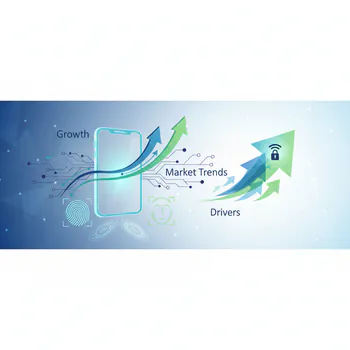
Market Trends & Growth Drivers
Benefits & Advantages of Phone-based Authentication
Phone-based authentication offers several compelling advantages for both businesses and end-users, including:
- Enhanced Security: By adding an additional verification factor beyond passwords, it significantly reduces the risk of breaches and account takeovers.
- Improved User Experience: Methods like push notification approvals and biometrics provide quick, frictionless authentication.
- Cost-Effectiveness: Utilizing existing mobile infrastructure minimizes the need for expensive hardware tokens.
- Flexibility: Supports various verification modes, catering to different security levels and user preferences.
- Regulatory Compliance: Helps organizations meet stringent data protection and privacy requirements.
Additionally, businesses benefit from reduced fraud-related losses and enhanced customer trust—key drivers for a strong return on investment (ROI).
Challenges & Future Outlook
Despite its many benefits, phone-based authentication faces some challenges:
- SIM Swapping Attacks: Fraudsters hijack phone numbers to intercept SMS-based codes.
- Device Loss or Theft: Losing access to the phone can lock users out or expose accounts.
- Privacy Concerns: Users may worry about sharing personal device data with service providers.
- Accessibility Issues: Not all users have smartphones or reliable mobile connectivity.
To address these issues, innovations are underway:
- Transitioning from SMS OTPs to app-based and biometric authentication methods.
- Implementing hardware-backed security elements like Trusted Execution Environments (TEE).
- Developing decentralized identity solutions to enhance privacy.
- Integrating artificial intelligence to detect and prevent fraudulent activities.
Looking forward, phone-based authentication is expected to evolve into more seamless and adaptive security solutions, integrating AI and behavioral biometrics. As digital ecosystems expand, it will remain a pivotal technology in protecting online identities.
Conclusion
In summary, phone-based authentication is a vital component of modern cybersecurity strategies, offering an effective balance between security and usability. Its adoption across industries—from finance to healthcare—demonstrates its versatility and growing importance.
Businesses seeking to safeguard sensitive data and build customer trust should consider integrating phone-based authentication methods tailored to their needs. By staying informed about emerging trends and addressing existing challenges, organizations can leverage this technology to stay ahead of evolving threats.
As we move further into a connected world, phone-based authentication will continue to play a critical role in securing digital interactions, making it an indispensable tool for the future of online security.
Need More Details on Market Players and Competitors?
Tagged in