
Popsicle Machines: Revolutionizing Frozen Treat Production
Discover how popsicle machines transform frozen treat production with advanced technology, industry applications, market trends, and future growth opportunit...

Introduction
Imagine a sunny summer day, kids laughing as they enjoy refreshing frozen treats, made quickly and efficiently by state-of-the-art popsicle machines. These machines have transformed the way we produce and enjoy popsicles, from small artisanal batches to large-scale commercial manufacturing. But what makes popsicle machines so vital in today’s food industry?
In this article, we dive deep into the world of popsicle machines, exploring their technology, applications, market trends, benefits, and the future outlook. Whether you’re a food entrepreneur, manufacturer, or simply curious about frozen treat technology, this comprehensive guide will offer valuable insights.
Technology Overview: Understanding Popsicle Machines
Popsicle machines are specialized equipment designed to automate the production of frozen treats on sticks. These machines streamline the process of filling, freezing, and releasing popsicles in a consistent and hygienic manner.
At their core, popsicle machines consist of molds that shape the popsicle, a freezing system that solidifies the liquid mixture, and a mechanical part that ejects the frozen treats for packaging. Key technologies include:
- Freezing Units: Typically, these use refrigeration cycles or cryogenic freezing to rapidly freeze the popsicle mixture.
- Automated Filling Systems: Precise dispensers ensure accurate portioning of flavored liquid mixtures into molds.
- Demolding Mechanisms: These can be hydraulic or pneumatic systems that gently release the frozen popsicles without damage.
- Control Panels: Advanced models feature touchscreens and programmable logic controllers (PLCs) for customization and quality control.
Modern popsicle machines are designed for versatility, handling a variety of mixtures such as fruit juice-based, dairy, or even alcohol-infused popsicles. This flexibility opens up creative possibilities for producers.
Industry Applications & Use Cases
The use of popsicle machines spans multiple sectors, from small businesses to large food manufacturing plants. Some prominent applications include:
- Commercial Food Production: Companies like GoodPop and Outshine utilize industrial popsicle machines to mass-produce frozen treats with consistent quality and high throughput.
- Food Trucks & Kiosks: Smaller, portable popsicle machines empower mobile vendors to create fresh, on-demand popsicles in parks, festivals, and street fairs.
- Artisanal and Boutique Producers: Craft popsicle makers leverage semi-automatic machines to experiment with exotic flavors and natural ingredients, catering to health-conscious consumers.
- Schools and Catering Services: Some institutions use popsicle machines to produce healthy frozen snacks for children and event attendees.
A notable case study is the rise of vegan and organic popsicles brands that adopted popsicle machines to scale production without compromising ingredient purity or texture. This has helped them meet increasing consumer demand efficiently.
Market Trends & Growth Drivers
The global market for frozen desserts is expanding rapidly, with the popsicle segment showing robust growth. According to a recent market analysis by Grand View Research, the frozen novelty market is expected to grow at a CAGR of over 5% through 2028.
Several factors are driving this growth:
- Rising Health Awareness: Consumers are gravitating towards natural, low-calorie, and allergen-free frozen treats, encouraging innovation in popsicle recipes and machines that accommodate these formulations.
- Technological Advancements: Automation and improved freezing technologies enhance production efficiency, reduce labor costs, and improve product consistency.
- Expanding Distribution Channels: Online grocery platforms and specialty stores have broadened access to diverse popsicle brands, boosting demand.
- Seasonal and Climate Factors: Warmer global temperatures and longer summers push seasonal demand for frozen snacks.
Emerging markets in Asia-Pacific and Latin America are also investing heavily in popsicle machine infrastructure to capitalize on growing urban populations and disposable incomes.
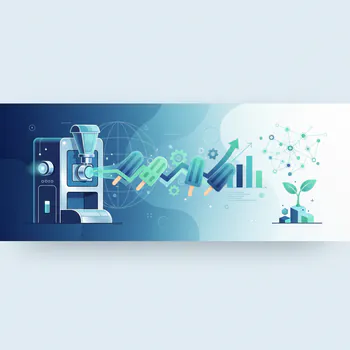
Market Trends & Growth Drivers
Benefits & Advantages of Popsicle Machines
Implementing popsicle machines offers several compelling advantages for manufacturers and vendors:
- Increased Production Speed: Automated systems produce large quantities rapidly, meeting high demand without compromising quality.
- Consistent Product Quality: Precise portioning and controlled freezing ensure uniform texture and taste.
- Cost Efficiency: Reduction in manual labor and wastage translates into improved profit margins.
- Versatility: Ability to handle diverse recipes from fruit juices to dairy or alcohol-based mixes.
- Scalability: Machines come in various sizes to accommodate startups and large manufacturers alike.
From an ROI perspective, businesses report faster break-even periods when upgrading from manual to automated popsicle production, thanks to higher output and reduced downtime.
Challenges & Future Outlook
Despite their benefits, popsicle machines face several challenges. Mechanical maintenance and cleaning can be complex, requiring skilled operators. Additionally, the upfront capital investment may be prohibitive for very small businesses.
Innovation continues to address these hurdles. For example, manufacturers are developing user-friendly interfaces and modular designs that simplify cleaning and maintenance. Advances in IoT integration allow real-time monitoring of machine health, minimizing downtime.
Looking ahead, the future of popsicle machines is promising. Trends include:
- Sustainable Manufacturing: Energy-efficient machines and eco-friendly refrigerants reduce environmental impact.
- Customization & Personalization: Machines that can handle multi-flavor layering and novel shapes to cater to consumer preferences.
- Smart Automation: AI-powered quality control and predictive maintenance enhance reliability.
- Expansion into Emerging Markets: Affordable, compact machines designed for developing regions.
As consumer tastes evolve and technology advances, popsicle machines will undoubtedly continue to play a pivotal role in the frozen treat industry.
Conclusion
From understanding the technology behind popsicle machines to exploring their diverse applications and market potential, it’s clear that these machines are essential to modern frozen treat production. They enable manufacturers to meet growing consumer demand efficiently while maintaining quality and innovation.
For businesses in the food industry, investing in advanced popsicle machines can unlock new growth opportunities, improve operational efficiency, and enhance product offerings. As the market continues to evolve with health trends and technological breakthroughs, staying informed and adaptable will be key to success.
In summary, popsicle machines are more than just equipment—they are catalysts for creativity and growth in the frozen treat sector. Embracing these technologies today will prepare manufacturers for the exciting developments ahead.
Need More Details on Market Players and Competitors?
Tagged in