
Renewable Energy Forecasting AI: Powering the Future of Clean Energy
Discover how Renewable Energy Forecasting AI optimizes clean energy production, enhances grid stability, and drives the future of sustainable power systems.

Introduction
In an era where sustainability is at the forefront of global priorities, the integration of artificial intelligence (AI) into renewable energy systems is revolutionizing how we predict and manage clean power resources. Renewable Energy Forecasting AI is transforming the energy landscape by enabling more accurate predictions of energy generation from wind, solar, and other renewable sources. This optimization is crucial for stabilizing power grids, reducing costs, and accelerating the shift toward green energy.
In this article, we will explore the core concepts behind Renewable Energy Forecasting AI, examine its practical applications across industries, analyze market trends and growth drivers, highlight its benefits, and discuss the challenges and future outlook of this cutting-edge technology.
Understanding Renewable Energy Forecasting AI
At its core, Renewable Energy Forecasting AI uses advanced algorithms, machine learning, and big data analytics to predict the output of renewable energy sources. These forecasts consider variables such as weather conditions, historical production data, and real-time sensor inputs to generate short-term and long-term energy production estimates.
Key concepts and technologies include:
- Machine Learning Models: Algorithms that learn from historical data to improve prediction accuracy over time.
- Weather Data Integration: Incorporating meteorological information like solar irradiance, wind speed, temperature, and cloud cover.
- Time Series Analysis: Analyzing data collected at regular intervals to forecast future energy output.
- IoT Sensors: Devices collecting real-time data from solar panels, wind turbines, and grid stations.
This integration of AI and data analytics allows energy providers to anticipate fluctuations in renewable generation, thereby enhancing grid reliability and dispatch planning.
Industry Applications & Use Cases
Renewable Energy Forecasting AI is widely adopted across various sectors, proving essential in optimizing operational efficiency and sustainability goals.
- Utility Companies: Major utilities use AI-driven forecasts to balance supply and demand, reduce reliance on fossil-fuel backup systems, and manage energy storage more effectively. For example, Enel Green Power leverages AI to predict solar and wind power output, reducing outages and improving grid stability.
- Grid Operators: Transmission system operators (TSOs) integrate AI predictions to plan grid maintenance and enhance demand response strategies, ensuring smoother power delivery.
- Renewable Project Developers: Accurate forecasting informs site selection, project feasibility, and performance optimization. Companies like Siemens Gamesa use AI models to maximize wind farm productivity.
- Energy Traders: AI-powered forecasts enable better market bidding strategies, reducing risks associated with price volatility in energy markets.
One prominent case study involves IBM’s collaboration with utility companies where AI models improved solar power output forecasts by up to 30%, leading to significant cost savings and operational improvements.
Market Trends & Growth Drivers
The global market for Renewable Energy Forecasting AI is rapidly expanding due to increasing renewable capacity and the urgent need for grid modernization.
- Rising Renewable Integration: As wind and solar power installations grow worldwide, forecasting becomes essential for grid management.
- Advancements in AI Technology: Improvements in machine learning algorithms and increased availability of high-quality data fuel better forecasting models.
- Government Policies and Incentives: Supportive regulations aimed at reducing carbon emissions encourage investment in AI-based energy solutions.
- Digital Transformation in Energy Sector: The push for smart grids and IoT adoption creates a fertile ground for AI applications.
According to a MarketsandMarkets report, the renewable energy forecasting market is expected to grow at a CAGR of over 20% between 2023 and 2030, underscoring the strong demand and opportunity in this space.
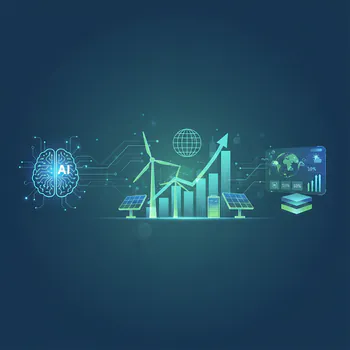
Market Trends & Growth Drivers
Benefits & Advantages
The adoption of Renewable Energy Forecasting AI offers multiple benefits for businesses and end-users alike:
- Improved Grid Stability: Accurate forecasts help prevent blackouts and reduce the risk of grid failures by enabling better balancing of supply and demand.
- Cost Reduction: Enhanced prediction accuracy minimizes the need for expensive backup power and lowers operational expenses.
- Maximized Renewable Utilization: Helps energy providers optimize renewable output and reduce curtailment, increasing the percentage of clean energy in the grid.
- Enhanced Decision-Making: Provides actionable insights for maintenance scheduling, energy trading, and capacity planning.
- Environmental Impact: By facilitating higher renewable penetration, it supports emission reduction targets and sustainability goals.
Overall, the ROI of implementing AI-based forecasting systems is significant, demonstrated by enhanced operational efficiencies and increased renewable energy adoption.
Challenges & Future Outlook
Despite its promise, Renewable Energy Forecasting AI faces several challenges:
- Data Quality and Availability: Incomplete or noisy data can degrade forecast accuracy.
- Integration Complexity: Merging AI forecasts with existing grid management systems requires substantial technical expertise.
- Model Interpretability: The 'black box' nature of some AI models poses hurdles for regulatory compliance and stakeholder trust.
To overcome these challenges, ongoing innovations focus on hybrid modeling techniques combining physical and AI models, improved sensor technology, and transparent AI frameworks.
Looking ahead, the future of Renewable Energy Forecasting AI is bright. Advances in edge computing, 5G connectivity, and quantum computing promise even faster and more precise predictions. Moreover, as energy systems become increasingly decentralized with microgrids and prosumers, AI will play a pivotal role in orchestrating complex energy flows.
Conclusion
Renewable Energy Forecasting AI stands at the intersection of technology and sustainability, offering a powerful solution to the challenges of integrating variable renewable energy into modern power systems. By harnessing AI’s predictive capabilities, businesses and grid operators can optimize renewable utilization, reduce costs, and enhance grid reliability.
As the renewable energy sector continues to grow, embracing AI-driven forecasting will be essential for energy stakeholders aiming to meet ambitious climate goals and build a resilient, sustainable energy future. Organizations looking to invest in this technology should prioritize data quality improvements, scalable integration strategies, and collaboration with AI experts to unlock the full potential of renewable energy forecasting.
Ultimately, Renewable Energy Forecasting AI is not just a technological advancement—it is a cornerstone for powering a cleaner, smarter, and more sustainable tomorrow.
Need More Details on Market Players and Competitors?
Tagged in