
Reverse Osmosis Water Purifier: Benefits, Trends & Applications
Explore the benefits, applications, and future trends of Reverse Osmosis Water Purifiers for clean, safe drinking water across industries and homes.

Introduction
Clean and safe drinking water is a fundamental necessity for health and well-being. With rising concerns over water contamination and pollutants, the demand for advanced purification technologies has surged globally. Among these, the Reverse Osmosis Water Purifier has emerged as a leading solution, providing reliable and efficient filtration to ensure water purity.
In this article, we will explore the technology behind reverse osmosis water purifiers, their real-world applications, current market trends, key benefits, and the challenges faced by this transformative water treatment method. Whether you're a homeowner, business owner, or simply curious about water purification, this comprehensive guide will offer valuable insights.
Understanding Reverse Osmosis Water Purifier Technology
A Reverse Osmosis Water Purifier operates on the principle of reverse osmosis (RO), a water filtration process that removes impurities by forcing water through a semipermeable membrane. Unlike traditional filtration methods that rely on physical barriers or chemical treatments, reverse osmosis separates contaminants at the molecular level.
Key terms to know include:
- Semipermeable membrane: A crucial component that allows water molecules to pass while blocking dissolved salts, bacteria, and other impurities.
- Pre-filters: Initial filters that remove sediment, chlorine, and larger particles to protect the membrane.
- Post-filters: Filters that enhance taste and remove residual odors after the RO process.
The RO process typically involves multiple filtration stages, including sediment filtration, activated carbon filtering, the reverse osmosis membrane, and sometimes UV sterilization for comprehensive purification. This advanced technology can effectively eliminate up to 99% of contaminants such as heavy metals, pesticides, salts, and microorganisms.
Industry Applications & Use Cases
The versatility of Reverse Osmosis Water Purifiers extends across diverse sectors, from residential to industrial use. Here are some notable applications:
- Residential Homes: Millions of households worldwide rely on RO purifiers to ensure safe drinking water, especially in areas with high TDS (total dissolved solids) levels or groundwater contamination.
- Healthcare Facilities: Hospitals and clinics use RO systems to provide ultra-pure water for medical procedures, dialysis, and laboratory testing.
- Food & Beverage Industry: RO purifiers enhance product quality by removing impurities from water used in beverages, food processing, and packaging.
- Pharmaceutical Manufacturing: High-purity water is essential for pharmaceutical formulations, and RO systems help meet stringent regulatory standards.
- Agriculture: In precision farming, purified water from RO systems improves irrigation quality, protecting crops from harmful salts and chemicals.
A compelling success story comes from a major beverage company that integrated RO water purifiers into its production line, which resulted in a 30% reduction in product recalls due to water quality issues and enhanced consumer trust.
Market Trends & Growth Drivers
The global market for Reverse Osmosis Water Purifiers is witnessing robust growth. According to industry reports, the market is projected to reach over $20 billion by 2027, growing at a CAGR of approximately 8%. Several factors are driving this expansion:
- Increasing Water Pollution: Growing industrialization and urbanization have led to higher contamination levels in freshwater sources, amplifying the need for effective purification.
- Health Awareness: Rising consumer awareness about waterborne diseases and the importance of clean water boosts demand for reliable purifiers.
- Technological Advancements: Innovations such as energy-efficient membranes, smart monitoring systems, and compact designs make RO purifiers more accessible and user-friendly.
- Government Initiatives: Many governments support clean water projects and incentivize the adoption of purified water solutions.
Additionally, the surge in residential construction and the hospitality sector further fuels adoption. Emerging markets, particularly in Asia-Pacific and Latin America, present significant growth opportunities due to their large populations and water quality challenges.
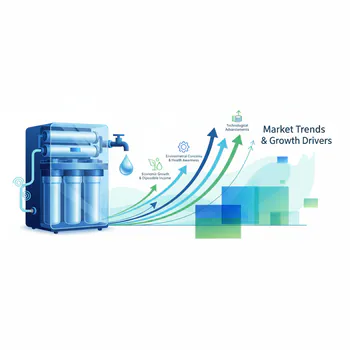
Market Trends & Growth Drivers
Benefits & Advantages of Reverse Osmosis Water Purifiers
Businesses and consumers alike benefit from the advanced filtration capabilities of Reverse Osmosis Water Purifiers. Key advantages include:
- Superior Contaminant Removal: RO systems can eliminate up to 99% of total dissolved solids (TDS), heavy metals like lead and arsenic, bacteria, viruses, and chemical pollutants.
- Improved Taste and Odor: By removing chlorine and organic compounds, RO purified water tastes fresher and is odor-free.
- Cost-Effective Long-Term Solution: While the initial investment may be higher than basic filters, RO purifiers significantly reduce health risks and medical costs associated with contaminated water.
- Environmental Benefits: RO systems reduce reliance on bottled water, lowering plastic waste and carbon footprints.
- Scalability and Flexibility: Systems can be customized for various capacity needs, from small households to large industrial plants.
Return on investment (ROI) is noticeable through decreased waterborne illness incidents and enhanced product quality, making RO purifiers an economically viable choice for many sectors.
Challenges & Future Outlook
Despite its many benefits, the Reverse Osmosis Water Purifier technology faces certain challenges. One primary concern is the waste water generated during the filtration process, which can be up to 3-4 times the purified water output. This inefficiency raises environmental and cost issues.
Moreover, RO systems require regular maintenance, including membrane replacements and filter changes, which can be a barrier for some users. The removal of beneficial minerals from water is another debated aspect, though some advanced systems now incorporate remineralization stages.
Innovations aimed at addressing these challenges are underway. Technologies such as zero-waste RO systems, energy recovery devices, and smart IoT-enabled monitoring to optimize performance are gaining traction. Additionally, hybrid purification systems combining RO with UV or ultrafiltration are enhancing efficacy.
Looking ahead, the future of reverse osmosis water purifiers appears promising. Increasing global water scarcity, coupled with stricter water quality regulations, will catalyze adoption. Emerging trends include portable RO units for remote areas, solar-powered purifiers, and integration with smart home ecosystems.
Conclusion
In summary, the Reverse Osmosis Water Purifier stands out as a powerful technology that addresses critical water purification needs across residential, industrial, and healthcare sectors. Its ability to provide safe, clean water by removing a wide range of contaminants makes it indispensable in today's environmental landscape.
As market demand grows and technological innovations evolve, businesses and consumers can expect more efficient, sustainable, and user-friendly RO solutions. Investing in reverse osmosis purification technology not only safeguards health but also offers significant economic and environmental benefits.
For those seeking reliable water purification, embracing a reverse osmosis water purifier is a forward-thinking choice that aligns with global trends toward improved water quality and sustainability.
Need More Details on Market Players and Competitors?
Tagged in