
Superabsorbent Polymers (SAP): Revolutionizing Absorbent Technologies
Discover how Superabsorbent Polymers (SAP) revolutionize industries with superior absorbency, market trends, key benefits, and future innovations. Learn more...

Introduction
Imagine a material capable of absorbing hundreds of times its own weight in liquid — a groundbreaking innovation that has silently transformed industries from healthcare to agriculture. Superabsorbent Polymers (SAP) are precisely these materials, offering unmatched absorbency and versatility. As the demand for sustainable and efficient absorbent solutions grows, understanding SAP’s role becomes increasingly vital.
In this article, we will explore the fascinating world of Superabsorbent Polymers (SAP), uncovering their core technology, diverse industry applications, market trends, benefits, and the challenges shaping their future. Whether you’re a business professional, engineer, or curious reader, this comprehensive guide sheds light on why SAP continues to be a game-changer across multiple sectors.
Technology Overview: What Are Superabsorbent Polymers (SAP)?
Superabsorbent Polymers (SAP) are hydrophilic networks of polymers that can absorb and retain extremely large amounts of liquid relative to their own mass. Often synthesized from acrylic acid and sodium hydroxide, these cross-linked polymers can absorb 200 to 1000 times their weight in water. Once swollen with liquid, they form a gel-like substance, preventing leakage or evaporation.
Key terms related to SAP include:
- Hydrogel: The gel formed when SAP absorbs liquid.
- Cross-linking: Chemical bonds connecting polymer chains to provide structure and absorbency.
- Swelling capacity: The maximum amount of liquid SAP can absorb.
Developed in the 1970s, SAP technology has evolved significantly, enabling customization for specific absorbency rates, particle sizes, and biodegradability. This adaptability is central to its widespread adoption.
Industry Applications & Use Cases of Superabsorbent Polymers (SAP)
The versatility of Superabsorbent Polymers (SAP) has led to their integration into various industries, each benefiting from their unique absorbent properties.
- Personal Hygiene Products: SAP is a crucial component in diapers, adult incontinence products, and feminine hygiene items, enhancing liquid retention and skin dryness. For example, Procter & Gamble’s Pampers utilizes SAP to improve absorption without bulk.
- Agriculture: SAPs help retain soil moisture, reducing irrigation needs and promoting healthier crop growth. In drought-prone regions, farmers use SAP-infused soil conditioners to improve water efficiency.
- Medical Field: SAPs are used in wound dressings and surgical pads due to their ability to absorb exudates and maintain a moist healing environment.
- Industrial Spill Control: SAP powders quickly lock up oil, chemicals, and other hazardous liquids, proving essential in environmental safety measures.
- Packaging: Integration of SAP in food packaging helps control moisture and extend shelf life.
These real-world examples demonstrate how SAP enhances product functionality and environmental sustainability.
Market Trends & Growth Drivers
The market for Superabsorbent Polymers (SAP) has witnessed robust growth, with an estimated value exceeding $7 billion in 2023 and an expected CAGR of around 6-7% through 2030. Several factors fuel this expansion:
- Rising Demand in Hygiene Products: Increased awareness of personal hygiene, coupled with rising geriatric populations globally, boosts SAP consumption in diapers and adult care products.
- Agricultural Innovation: Growing emphasis on water conservation and sustainable farming drives adoption of SAP-based soil conditioners, particularly in arid regions.
- Environmental Regulations: Governments incentivize biodegradable and eco-friendly SAP production, steering the market towards green alternatives.
- Technological Advancements: Development of SAPs with enhanced biodegradability, specific absorption rates, and controlled release expands applications.
Market players like BASF, Evonik Industries, and Nippon Shokubai lead innovation, investing heavily in R&D to meet evolving consumer and industrial needs.
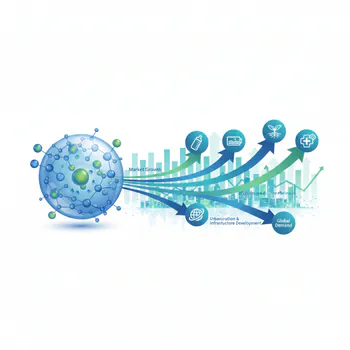
Market Trends & Growth Drivers
Benefits & Advantages of Using Superabsorbent Polymers (SAP)
Superabsorbent Polymers (SAP) offer a plethora of benefits that make them indispensable in modern products:
- Superior Absorbency: Ability to absorb and retain large volumes of liquid ensures dryness and comfort in hygiene products.
- Volume Reduction: SAP allows for thinner, lighter products without compromising performance, improving user convenience.
- Environmental Impact: New biodegradable SAP variants reduce ecological footprint, aiding companies’ sustainability goals.
- Cost-Effectiveness: Efficient liquid management reduces material waste and extends product life, delivering a strong return on investment.
- Versatility: Customizable properties enable SAP use across diverse sectors, from agriculture to pharmaceuticals.
These advantages translate into enhanced product performance, customer satisfaction, and competitive edges for businesses leveraging SAP technology.
Challenges & Future Outlook for Superabsorbent Polymers (SAP)
Despite their widespread use, Superabsorbent Polymers (SAP) face several challenges that could impact their future trajectory:
- Environmental Concerns: Conventional SAPs are often petroleum-based and non-biodegradable, raising disposal and pollution issues.
- Cost of Biodegradable Alternatives: Eco-friendly SAPs currently have higher production costs, limiting adoption.
- Regulatory Hurdles: Stricter regulations on chemical additives and microplastics necessitate ongoing compliance efforts.
- Performance Limitations: Absorption efficiency can decline with saline or complex fluids, requiring material innovation.
However, ongoing research is focused on bio-based SAPs derived from renewable resources such as cellulose and starch, promising reduced environmental impact without sacrificing performance. Additionally, nanotechnology integration and smart SAPs with controlled release properties are on the horizon.
Looking ahead, the Superabsorbent Polymers (SAP) market is poised for continued growth, driven by sustainability trends and expanding applications. Industry experts predict increased adoption in novel sectors, such as wearable electronics and drug delivery systems.
Conclusion
In summary, Superabsorbent Polymers (SAP) stand at the forefront of absorbent technology, delivering unmatched liquid management capabilities across industries. From enhancing personal care products to enabling sustainable agriculture, SAP’s impact is both profound and pervasive.
Businesses looking to innovate and align with environmental goals should closely monitor advancements in SAP technology, particularly biodegradable and smart polymers. By leveraging the benefits and addressing challenges proactively, organizations can unlock significant value and market differentiation.
As we advance, Superabsorbent Polymers (SAP) will undoubtedly continue transforming how we manage liquids, making products safer, more efficient, and environmentally responsible.
Need More Details on Market Players and Competitors?
Tagged in