
Global Kayak Paddles Market Size, Growth & Revenue 2024-2034
Global Kayak Paddles Market is segmented by Product Type (Carbon Fiber Paddles, Fiberglass Paddles, Aluminum Paddles, Plastic Paddles, Wood Paddles), Application (Recreational Kayaking, Whitewater Kayaking, Sea Kayaking, Fishing Kayaking, Competitive Kayaking), End-Use Industry (Outdoor Recreation, Sports & Fitness, Tourism & Adventure, Water Sports Rental Services), Distribution Channel (Specialty Retail Stores, Online Retail Platforms, Direct Sales), and Geography (North America, LATAM, West Europe, Central & Eastern Europe, Northern Europe, Southern Europe, East Asia, Southeast Asia, South Asia, Central Asia, Oceania, MEA)
Pricing
Report Overview
Executive Summary
- •The global Kayak Paddles market is a specialized segment within the outdoor recreational equipment industry that focuses on the manufacture and supply of paddles designed for diverse kayaking activities, including recreational, whitewater, sea, fishing, and competitive kayaking. The market features a variety of paddle types made from materials such as carbon fiber, fiberglass, aluminum, plastic, and wood, each catering to different performance needs and user preferences. Innovation in lightweight composites and ergonomic designs has propelled the market's growth, targeting both casual paddlers and professional athletes. Demand is driven by growing participation in water sports, rising health and fitness awareness, and increasing investments in water-based tourism and outdoor recreation globally. Key regions such as North America, Europe, and Asia-Pacific dominate market share due to well-established sports cultures and infrastructure, while emerging markets in Latin America and the Middle East & Africa present significant growth potential. The market also faces challenges including raw material price volatility and environmental concerns influencing manufacturing practices. Overall, the global Kayak Paddles market is poised for robust expansion through 2034, supported by technological advancements and rising consumer interest in sustainable outdoor activities.
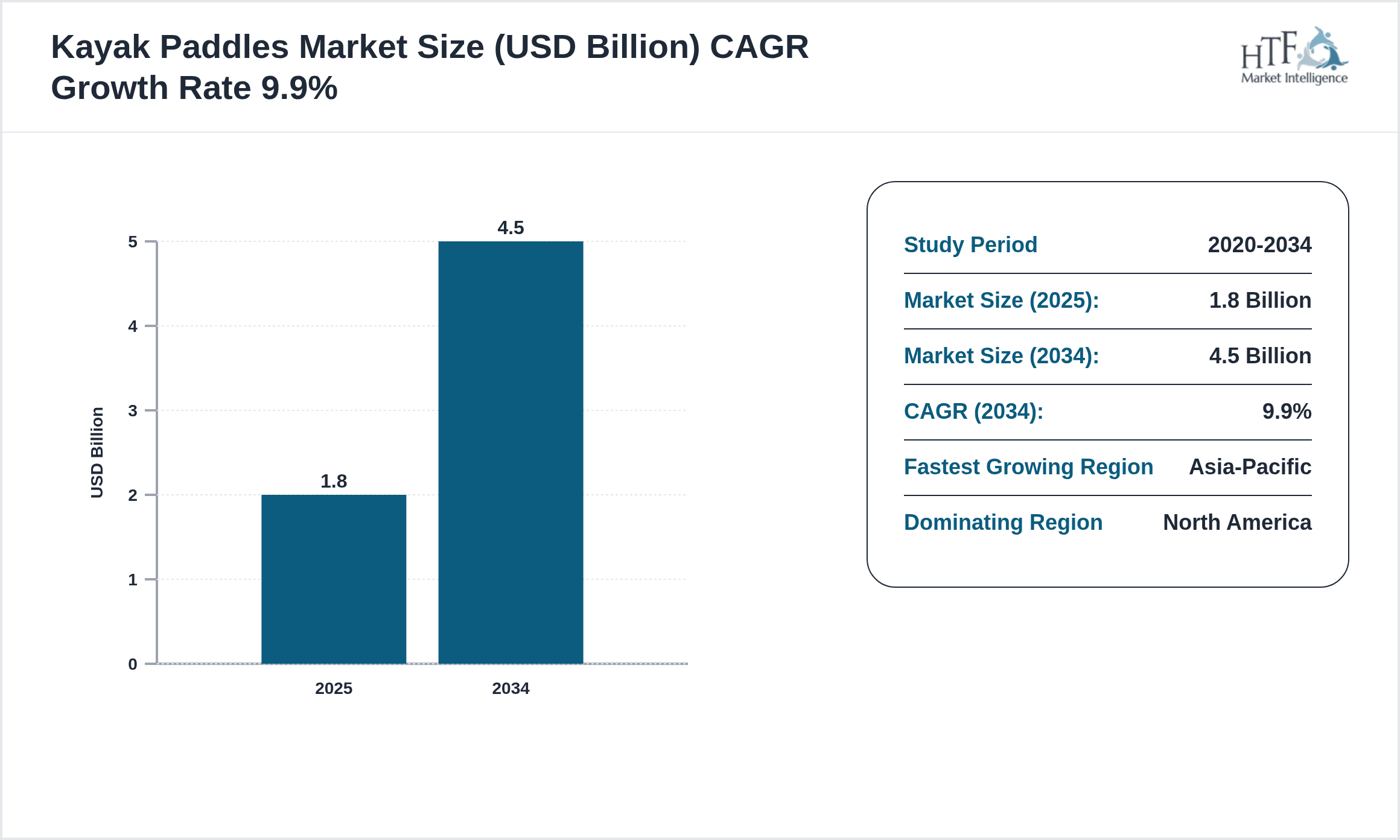
- •Key market highlights include a compound annual growth rate (CAGR) of 9.9% projected from 2024 to 2034, expanding the market size from USD 1.8 billion in 2024 to approximately USD 4.5 billion by 2034. Carbon fiber paddles lead the product segment in revenue due to their superior performance and lightweight attributes, while fiberglass paddles are identified as the fastest growing type owing to their affordability and durability. Recreational kayaking remains the dominant application driven by the increasing popularity of outdoor leisure activities, closely followed by whitewater and sea kayaking segments. Geographically, North America holds the largest market share attributed to high disposable incomes and established outdoor sports culture, whereas Asia-Pacific is the fastest growing region fueled by rising tourism and water sports infrastructure development.
- •The market offers significant value propositions to manufacturers, distributors, retailers, and end-users by integrating advanced materials technology, enhancing user ergonomics, and promoting environmentally sustainable production methods. Strategic importance is underscored by the growing global interest in eco-tourism and fitness trends, which drive demand for high-quality, innovative kayak paddles. Industry stakeholders benefit from expanding distribution networks, diversified product portfolios, and collaborations with sports and adventure tourism sectors. The evolving consumer preferences for durable, lightweight, and customizable paddles position the market for continued growth while addressing sustainability concerns. Furthermore, advances in digital marketing and e-commerce have broadened market reach, enabling companies to engage directly with niche consumer segments worldwide.
Competitive Landscape
The global Kayak Paddles market is characterized by intense competition among a mix of established multinational corporations and agile regional manufacturers. Market players focus extensively on product innovation, emphasizing lightweight materials like carbon fiber and fiberglass to enhance paddling efficiency and durability. Competitive strategies include expanding product portfolios, investing in research and development for ergonomic designs, and leveraging sustainability trends by adopting eco-friendly materials and manufacturing processes. Companies also engage in strategic partnerships with outdoor sports organizations and retailers to strengthen brand presence and distribution channels. Pricing strategies vary, with premium paddles commanding higher margins, while entry-level products target mass-market segments. Market rivalry is further intensified by regional preferences and distribution capabilities, necessitating localized marketing approaches. Additionally, mergers and acquisitions have been instrumental in consolidating market share and expanding technological capabilities. Overall, competition is expected to increase as new entrants and technological advancements continue to reshape market dynamics globally.
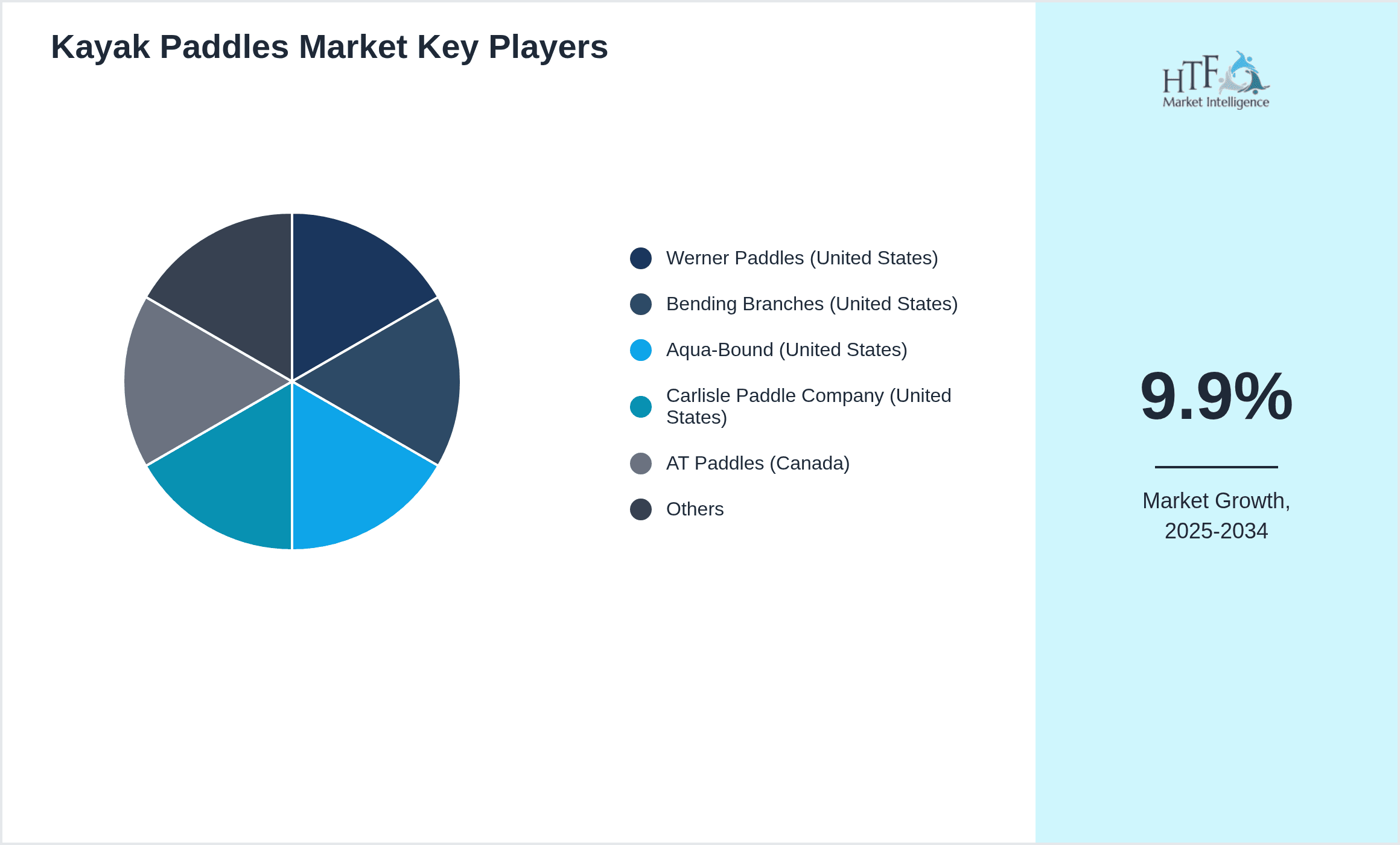
Leading Companies in Kayak Paddles Market
- •Werner Paddles (United States)
- •Bending Branches (United States)
- •Aqua-Bound (United States)
- •Carlisle Paddle Company (United States)
- •AT Paddles (Canada)
- •Kialoa Paddles (United States)
- •Grey Owl Paddles (Canada)
- •NRS (United States)
- •Epic Kayaks (United States)
- •Palm Equipment (United Kingdom)
- •Jantex Sports (United Kingdom)
- •Fenn Kayaks (United States)
- •Kokatat (United States)
- •ZREW Paddles (China)
- •Ocean Kayak (United States)
- •Seals Kayaks (United States)
- •Perception Kayaks (United States)
- •Tahe Outdoors (Finland)
- •Pyranha Kayaks (United Kingdom)
- •Galasport (Belgium)
- •Prijon GmbH (Germany)
- •RTM Kayaks (France)
- •Jackson Kayak (United States)
- •Werner Paddles Europe (Germany)
- •Boreal Design (Canada)
Market Breakdown
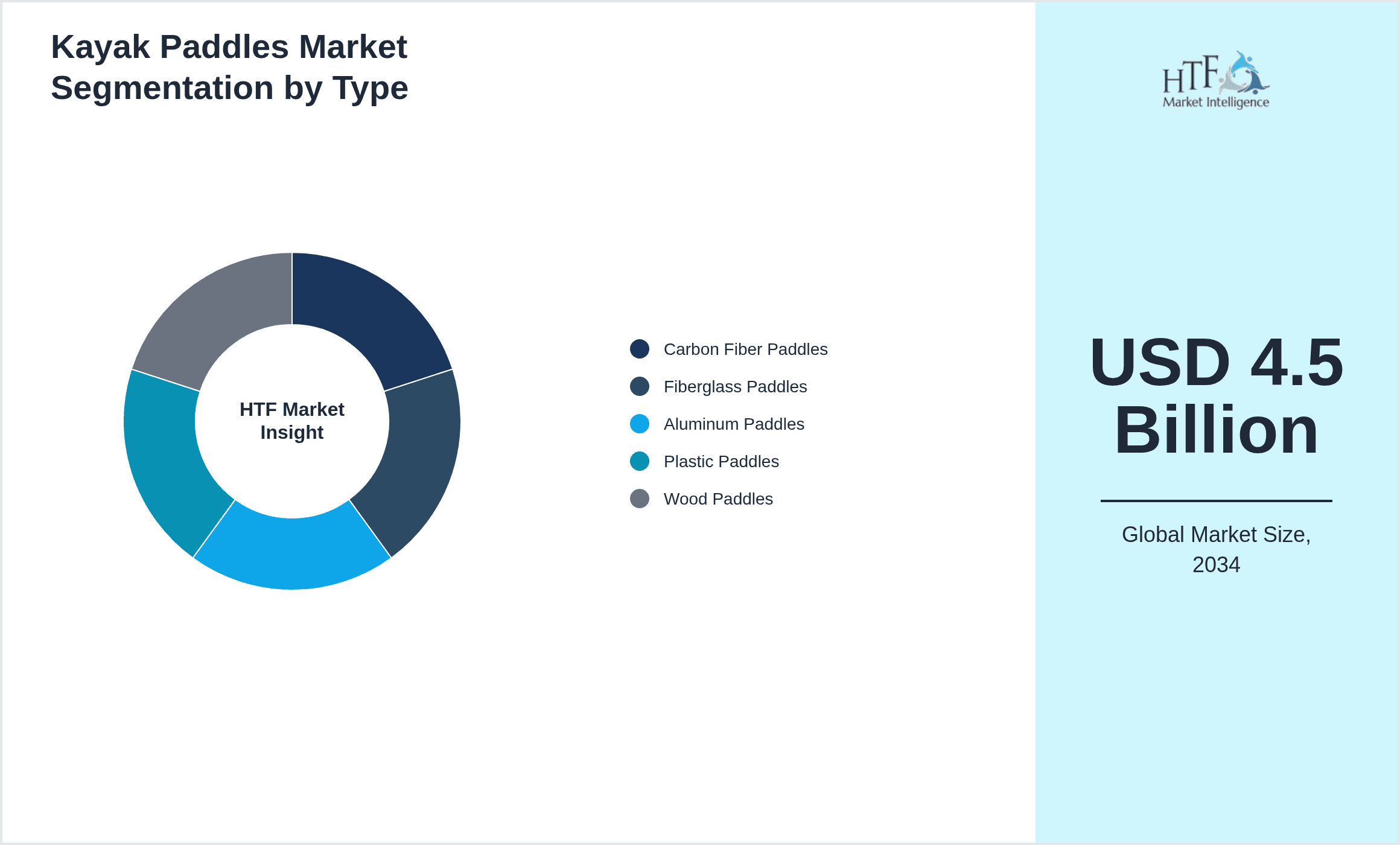
- •By Product Type
- ◦Carbon Fiber Paddles
- ◦Fiberglass Paddles
- ◦Aluminum Paddles
- ◦Plastic Paddles
- ◦Wood Paddles
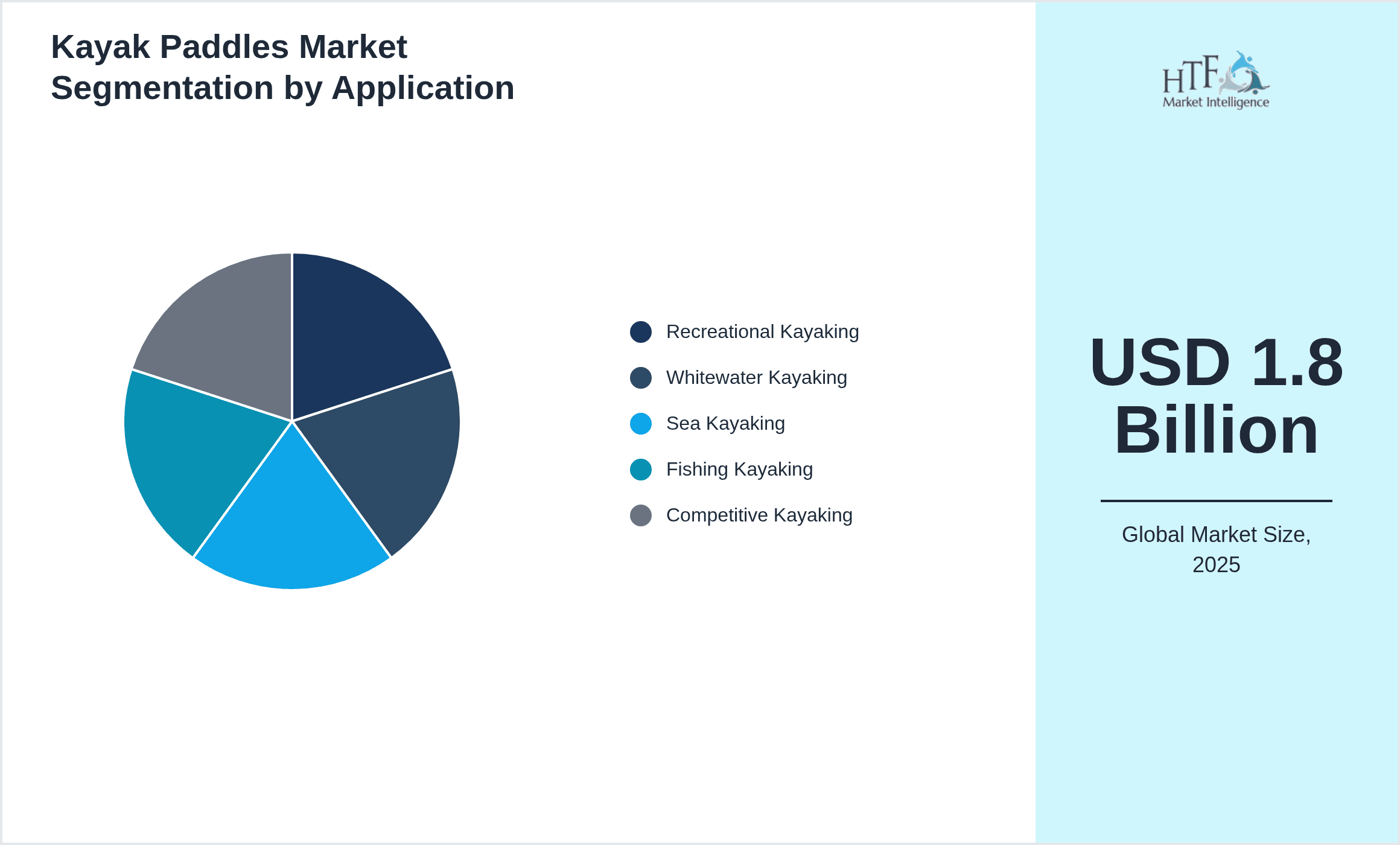
- •By Application
- ◦Recreational Kayaking
- ◦Whitewater Kayaking
- ◦Sea Kayaking
- ◦Fishing Kayaking
- ◦Competitive Kayaking
- •By End-Use Industry
- ◦Outdoor Recreation
- ◦Sports & Fitness
- ◦Tourism & Adventure
- ◦Water Sports Rental Services
- •By Distribution Channel
- ◦Specialty Retail Stores
- ◦Online Retail Platforms
- ◦Direct Sales
Growth Dynamics
- •Rising global participation in outdoor and water sports activities is a primary growth driver, fueled by increasing health consciousness and leisure expenditure worldwide. This trend significantly boosts demand for high-quality kayak paddles tailored to varied user expertise levels.
- •Technological advancements in composite materials, particularly the development of carbon fiber and fiberglass paddles, enhance performance and durability, attracting both amateur and professional paddlers seeking lightweight and efficient equipment.
- •Expansion of adventure tourism and eco-tourism sectors globally, notably in Asia-Pacific and Latin America, contributes to the market's growth by increasing demand for water sports equipment, including kayak paddles.
- •Increased investments by manufacturers in digital marketing and e-commerce platforms expand global reach, enabling wider accessibility and customization options to diverse consumer segments.
- •Growing emphasis on sustainable manufacturing practices and eco-friendly materials offers opportunities for innovation, aligning with consumer preferences for environmentally responsible products.
- •Collaborations between paddle manufacturers and outdoor adventure organizations drive product development and brand visibility, fostering market expansion through targeted marketing and sponsorships.
- •Government initiatives promoting physical activity and outdoor recreation in developed regions stimulate market demand, supported by infrastructure development such as kayaking parks and water sports centers.
Market Trends
- •There is a noticeable shift towards lightweight and ergonomic kayak paddle designs utilizing advanced composites, enhancing paddling efficiency and reducing user fatigue, which is becoming a standard expectation among consumers.
- •Customization and modular paddle systems are gaining traction, allowing users to adjust blade size, shaft length, and paddle angle, thus improving adaptability across different kayaking environments and user preferences.
- •Sustainability is a growing trend with manufacturers exploring bio-based resins and recycled materials for paddle production, reflecting increasing consumer demand for environmentally friendly outdoor products.
- •Integration of smart technologies, such as sensors for stroke rate and power measurement embedded in paddles, is emerging, catering to competitive kayakers and training programs seeking performance analytics.
- •Collaborative marketing campaigns between kayak paddle brands and outdoor lifestyle influencers on digital platforms are expanding market reach and consumer engagement globally.
- •Rising popularity of kayak fishing has introduced specialized paddle designs with enhanced grip and durability, addressing niche application needs and driving product diversification.
- •The market is witnessing regional diversification with increasing demand from emerging economies in Asia-Pacific, Latin America, and the Middle East & Africa, facilitated by expanding water sports tourism infrastructure.
Market Opportunities
- •The growing eco-tourism sector offers substantial opportunities for manufacturers to develop sustainable kayak paddles using recycled and biodegradable materials, appealing to environmentally conscious consumers.
- •Expansion into emerging markets in Asia-Pacific and Latin America presents untapped segments with increasing disposable income and interest in outdoor recreational activities, allowing companies to establish early market presence.
- •Rising demand for customizable and modular paddle systems enables companies to offer tailored products, enhancing user experience and fostering brand loyalty among kayakers of all skill levels.
- •Collaborations with adventure tourism operators and water sports rental services provide channels for product demonstration and increased adoption, especially in high-traffic tourist destinations.
- •Innovations incorporating smart technologies and connectivity features in paddles can open new market segments focused on performance tracking and training optimization for competitive paddlers.
- •Utilizing digital platforms for direct-to-consumer sales and marketing can expand global reach, reduce distribution costs, and enable personalized customer engagement and feedback integration.
- •Government-backed initiatives promoting physical and outdoor activities create opportunities for partnerships and funding, supporting product development and market expansion efforts.
Market Challenges
- •Fluctuating raw material costs, especially for carbon fiber and fiberglass, pose significant challenges to maintaining stable pricing and profit margins for kayak paddle manufacturers.
- •Environmental regulations and the need for sustainable manufacturing processes require costly adjustments in production methods, impacting operational efficiency and product pricing.
- •Market fragmentation with numerous small regional players intensifies competition, complicating brand differentiation and market penetration for global companies.
- •Seasonality in demand linked to regional climatic conditions restricts continuous sales flow, necessitating strategic inventory and supply chain management.
- •Limited consumer awareness in emerging markets about advanced paddle technologies and benefits can impede adoption rates and slow market growth.
- •Counterfeit products and low-quality imports challenge brand reputation and consumer trust, requiring stringent quality control and brand protection strategies.
- •Logistical complexities and rising transportation costs impact global distribution efficiency, particularly in remote or developing regions with emerging demand.
Regulatory Framework
- •Between 2019 and 2024, global regulatory bodies have increasingly emphasized environmental compliance for sports equipment manufacturing, mandating reductions in volatile organic compounds (VOCs) and encouraging the use of recyclable materials in kayak paddle production.
- •The European Union’s REACH regulation has implemented strict guidelines on chemical substances used in composites, impacting material sourcing and prompting manufacturers to explore alternative, eco-friendly materials.
- •Safety standards for outdoor sports equipment, including kayak paddles, have been updated in North America, requiring certification for durability and performance to ensure user protection during water activities.
- •Several countries in Asia-Pacific have introduced environmental mandates encouraging sustainable manufacturing processes, with incentives for companies adopting green technologies and materials in paddle production.
- •Government policies promoting outdoor recreation and tourism infrastructure development have indirectly supported market growth by facilitating access and awareness, while also imposing regulations on waterway usage and safety compliance for related equipment.
Market Intelligence
- •15th February 2025, Werner Paddles launched an innovative carbon fiber kayak paddle featuring enhanced blade geometry and integrated comfort grips targeting professional kayakers. The product aims to improve stroke efficiency while reducing arm fatigue, positioning Werner as a leader in performance-oriented paddle technology. This launch is expected to boost market share in the premium segment and respond to increasing demand for high-performance equipment. Source: Werner Paddles Official Website
- •20th April 2025, Bending Branches introduced a sustainable line of fiberglass paddles manufactured with recycled materials and bio-based resins, targeting environmentally conscious consumers in North America and Europe. The launch aligns with growing eco-tourism trends and regulatory pressures, offering an alternative that does not compromise durability or performance. This initiative is projected to open new market opportunities in green product categories. Source: Bending Branches Press Release
- •10th June 2025, Aqua-Bound announced a strategic partnership with a leading outdoor adventure tourism operator in Asia-Pacific to supply customized kayak paddles designed for rental fleets. This collaboration aims to expand brand presence in emerging markets and adapt paddle designs to diverse water conditions across the region. The partnership underscores the importance of localized product development and market-specific strategies. Source: Aqua-Bound Industry News
- •5th August 2025, Carlisle Paddle Company completed the acquisition of a niche European fiberglass paddle manufacturer to enhance its product portfolio and gain access to advanced European composite technologies. This acquisition strengthens Carlisle’s competitive position in the global market while accelerating innovation pipelines and expanding distribution channels across Europe. Source: Carlisle Paddle Company Official Statement
- •Source: Verified Industry Publications, Company Press Releases
Regional Outlook
The North America currently holds a significant share of the market, primarily due to several key factors: increasing consumption rates, a burgeoning population, and robust economic momentum. These elements collectively drive demand, positioning this region as a leader in the market. On the other hand, Asia-Pacific is rapidly emerging as the fastest-growing area within the industry. This remarkable growth can be attributed to swift infrastructure development, the expansion of various industrial sectors, and a marked increase in consumer demand. These dynamics make this region a crucial player in shaping future market growth.
In our report, we cover a comprehensive analysis of the following regions and countries:
- North America
- LATAM
- West Europe
- Central & Eastern Europe
- Northern Europe
- Southern Europe
- East Asia
- Southeast Asia
- South Asia
- Central Asia
- Oceania
- MEA
| Feature | Details |
|---|---|
| Base Year Market Size | USD 1.8 Billion |
| Forecast Year Market Size | USD 4.5 Billion |
| CAGR | 9.9% |
| Forecast Period | 2026 to 2033 |
| YoY Growth | 9.5% |
| Scope of Report | Market is segmented by Product Type (Carbon Fiber Paddles, Fiberglass Paddles, Aluminum Paddles, Plastic Paddles, Wood Paddles), Application (Recreational Kayaking, Whitewater Kayaking, Sea Kayaking, Fishing Kayaking, Competitive Kayaking), End-Use Industry (Outdoor Recreation, Sports & Fitness, Tourism & Adventure, Water Sports Rental Services), Distribution Channel (Specialty Retail Stores, Online Retail Platforms, Direct Sales) |
| Regions Covered | North America, LATAM, West Europe, Central & Eastern Europe, Northern Europe, Southern Europe, East Asia, Southeast Asia, South Asia, Central Asia, Oceania, MEA |
| Key Companies | Werner Paddles (United States), Bending Branches (United States), Aqua-Bound (United States), Carlisle Paddle Company (United States), AT Paddles (Canada), Kialoa Paddles (United States), Grey Owl Paddles (Canada), NRS (United States), Epic Kayaks (United States), Palm Equipment (United Kingdom), Jantex Sports (United Kingdom), Fenn Kayaks (United States), Kokatat (United States), ZREW Paddles (China), Ocean Kayak (United States), Seals Kayaks (United States), Perception Kayaks (United States), Tahe Outdoors (Finland), Pyranha Kayaks (United Kingdom), Galasport (Belgium), Prijon GmbH (Germany), RTM Kayaks (France), Jackson Kayak (United States), Werner Paddles Europe (Germany), Boreal Design (Canada) |
Global Kayak Paddles Market Size, Growth & Revenue 2024-2034 - Table of Contents
Research enthusiast focused on transforming data uncovering into actionable insights through data-driven decision-making.
Frequently Asked Questions (FAQ):
The Compact Track Loaders market is expected to see value worth 5.3 Billion in 2025.
North America currently leads the market with approximately 45% market share, followed by Europe at 28% and Asia-Pacific at 22%. The remaining regions account for 5% of the global market.
Key growth drivers include increasing construction activities, rising demand for versatile equipment in agriculture, technological advancements in track loader design, and growing preference for compact equipment in urban construction projects.