
Energy Efficiency in Commercial Buildings Market - Global Share, Size & Changing Dynamics 2020-2033
Global Energy Efficiency in Commercial Buildings Market is segmented by Application (Offices, Retail, Healthcare, Education, Hospitality), Type (Building Automation, HVAC Optimization, Lighting Controls, Envelope Retrofits, Energy Monitoring), and Geography (North America, LATAM, West Europe, Central & Eastern Europe, Northern Europe, Southern Europe, East Asia, Southeast Asia, South Asia, Central Asia, Oceania, MEA)
Pricing
Report Overview
Key Values Provided by a Energy Efficiency in Commercial Buildings Market
The Energy Efficiency in Commercial Buildings market was valued at 26.30 billion in 2024 and is expected to reach 55.70 billion by 2020, growing at a compound annual growth rate (CAGR) of 8.90% over the forecast period.
A hydraulic tappet—also called a lash adjuster—automatically maintains zero valve clearance in internal-combustion engines. Pressurised oil fills its internal plunger chamber, extending to compensate for thermal expansion and cam-lobe wear, thus eliminating noisy lash and boosting volumetric efficiency. Machined from case-hardened steel, tappets undergo carburising and diamond-finish honing to 0.2 µm Ra for scuff resistance. SAE International J-304 test rigs verify leakage < 0.3 mm/10 min at 120 °C. Anti-drain-back check valves preserve stiffness during engine shutdown, and low-viscosity 0W-16 oils ensure rapid refill at cold start. Variable-displacement tappets underpin cylinder-deactivation and VVT systems in downsized turbo engines, aiding fuel economy targets without sacrificing NVH.
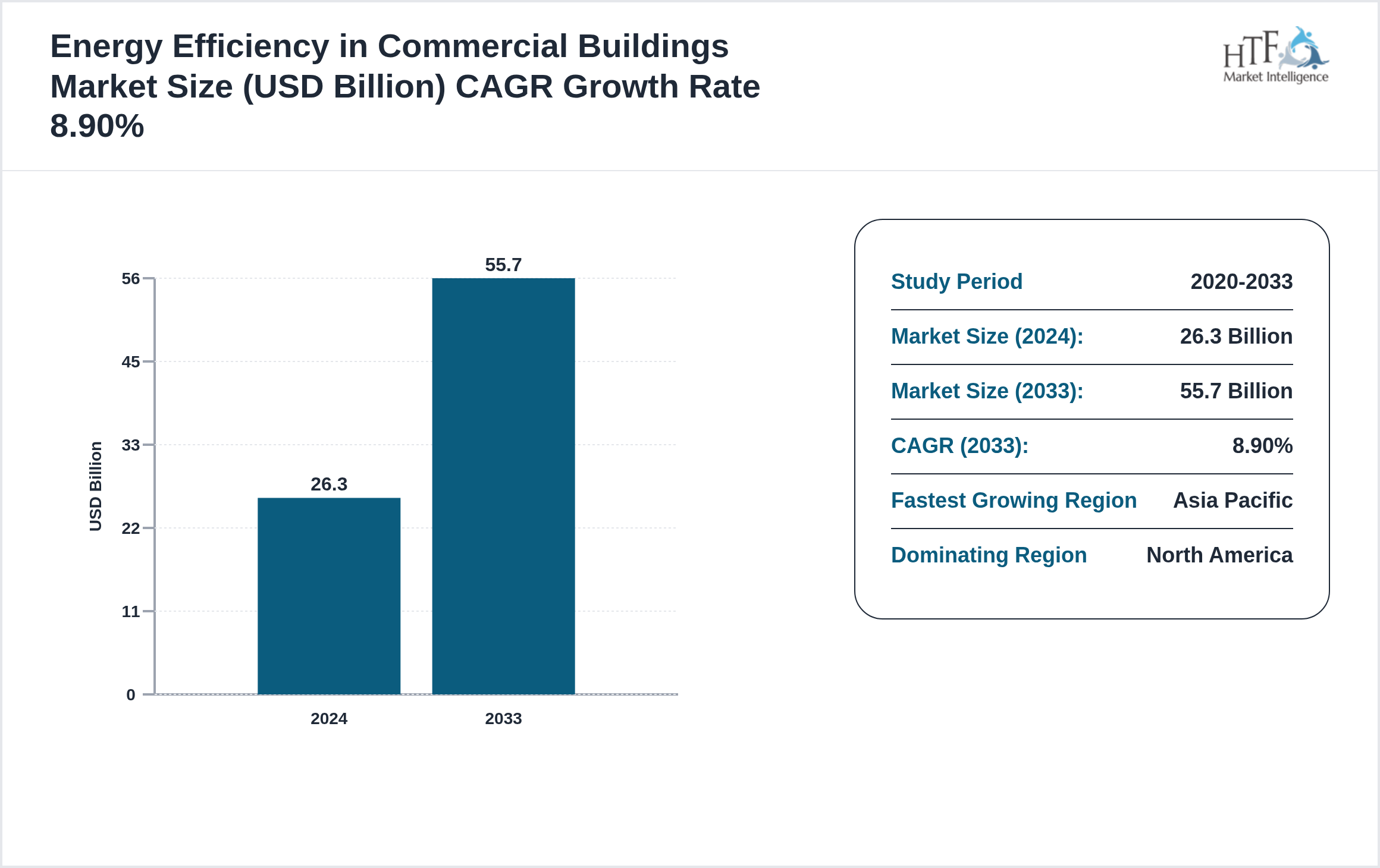
Source: HTF Market Intelligence (HTF MI)
A Energy Efficiency in Commercial Buildings market research study provides invaluable data-driven insights that allow businesses to make informed decisions based on accurate market trends, customer behaviors, and competitor analysis. These reports help organizations better understand the evolving needs of their target audience, enabling more customer-focused strategies.
Market Dynamics
Influencing Trend:
- • Lithium-ion power integration
- • Lightweight ergonomic designs
- • Smart flow-control systems
- • Modular nozzle options
- • Expansion of cordless commercial models
- • Growth in horticulture and landscaping
- • Rising labor costs driving mechanization
- • Demand for precise pesticide application
- • Increased consumer garden care
- • Advances in rechargeable batteries
- • High upfront price
- • Battery lifespan limits
- • Chemical exposure affecting durability
- • User training needs
- • Competition from manual sprayers
- • Smallholder agriculture adoption
- • E-commerce distribution growth
- • Bundling with agrochemicals
- • Rental services for seasonal use
- • Fast-charging innovation
The North America Dominant Region currently dominates the market share, fueled by increasing consumption, population growth, and sustained economic progress, which collectively enhance market demand. Conversely, the {FASTEST GROWING REGION} is rapidly becoming the fastest-growing region, driven by significant infrastructure investments, industrial expansion, and rising consumer demand.
- North America
- LATAM
- West Europe
- Central & Eastern Europe
- Northern Europe
- Southern Europe
- East Asia
- Southeast Asia
- South Asia
- Central Asia
- Oceania
- MEA
Competitive Insights
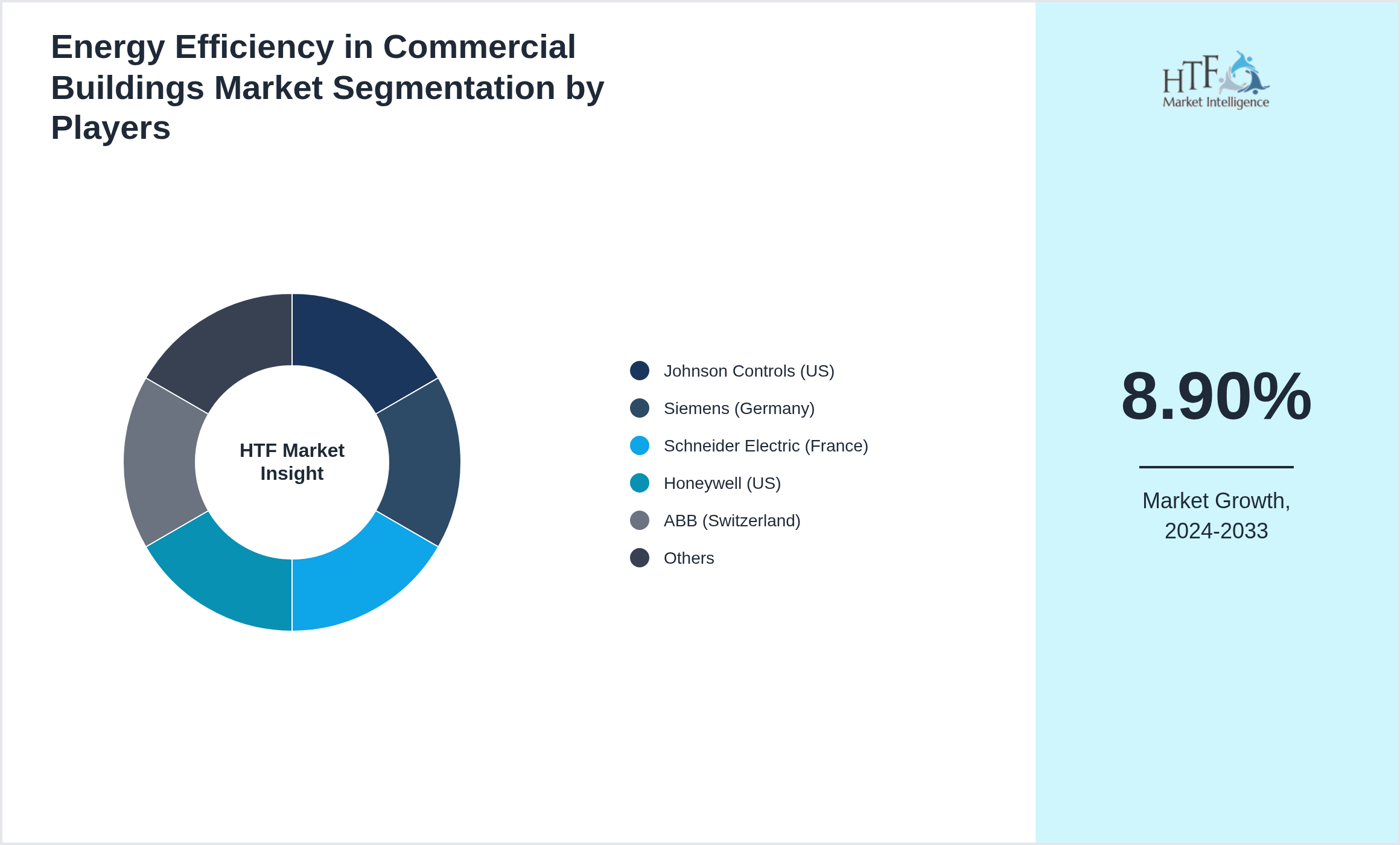
The key players in the Energy Efficiency in Commercial Buildings are intensifying their focus on research and development (R&D) activities to innovate and stay competitive. Major companies, such as Johnson Controls (US), Siemens (Germany), Schneider Electric (France), Honeywell (US), ABB (Switzerland), Daikin (Japan), Trane (US), Carrier (US), Rockwool (Denmark), Kingspan (Ireland), Johnson Matthey (UK), Emerson (US), Bosch (Germany), Legrand (France), Ingersoll Rand (US), Hitachi (Japan), LG Electronics (South Korea), Toshiba (Japan), Aereco (France), United Technologies (US), WSP (Canada), Arup (UK), Johnson Controls India (India), Schneider Electric China (China), Honeywell India (India), are heavily investing in R&D to develop new products and improve existing ones. This strategic emphasis on innovation drives significant advancements in product formulation and the introduction of sustainable and eco-friendly products.
Moreover, these established industry leaders are actively pursuing acquisitions of smaller companies to expand their regional presence and enhance their market share. These acquisitions not only help in diversifying their product portfolios but also provide access to new technologies and markets. This consolidation trend is a critical factor in the growth of the consumer goods industry, as it enables larger companies to streamline operations, reduce costs, and increase their competitive edge.
The companies highlighted in this profile were selected based on insights from primary experts and an evaluation of their market penetration, product offerings, and geographical reach:
- • Johnson Controls (US)
- • Siemens (Germany)
- • Schneider Electric (France)
- • Honeywell (US)
- • ABB (Switzerland)
- • Daikin (Japan)
- • Trane (US)
- • Carrier (US)
- • Rockwool (Denmark)
- • Kingspan (Ireland)
- • Johnson Matthey (UK)
- • Emerson (US)
- • Bosch (Germany)
- • Legrand (France)
- • Ingersoll Rand (US)
- • Hitachi (Japan)
- • LG Electronics (South Korea)
- • Toshiba (Japan)
- • Aereco (France)
- • United Technologies (US)
- • WSP (Canada)
- • Arup (UK)
- • Johnson Controls India (India)
- • Schneider Electric China (China)
- • Honeywell India (India)
Key Highlights
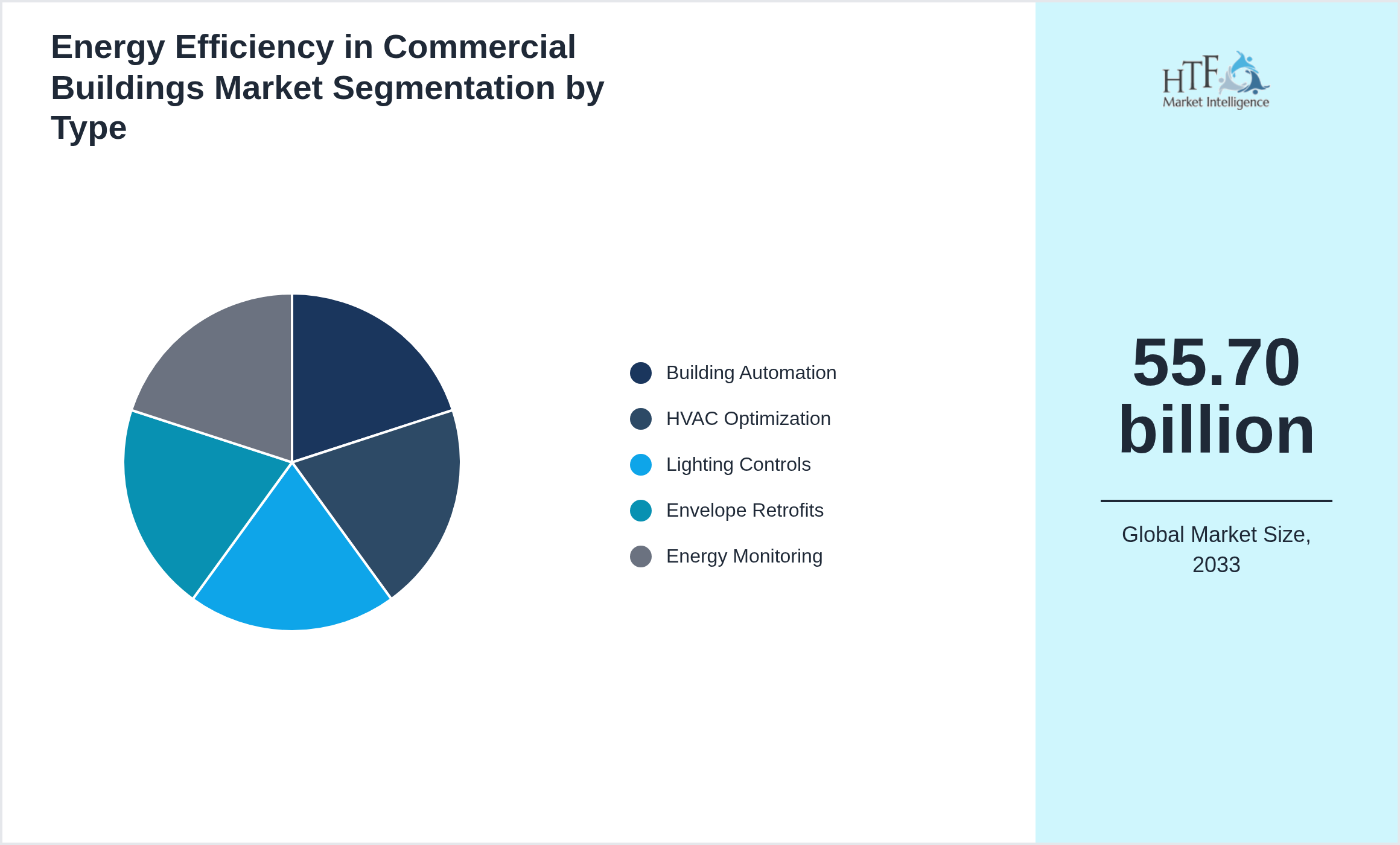
Segmentation by Type
- • Building Automation
- • HVAC Optimization
- • Lighting Controls
- • Envelope Retrofits
- • Energy Monitoring
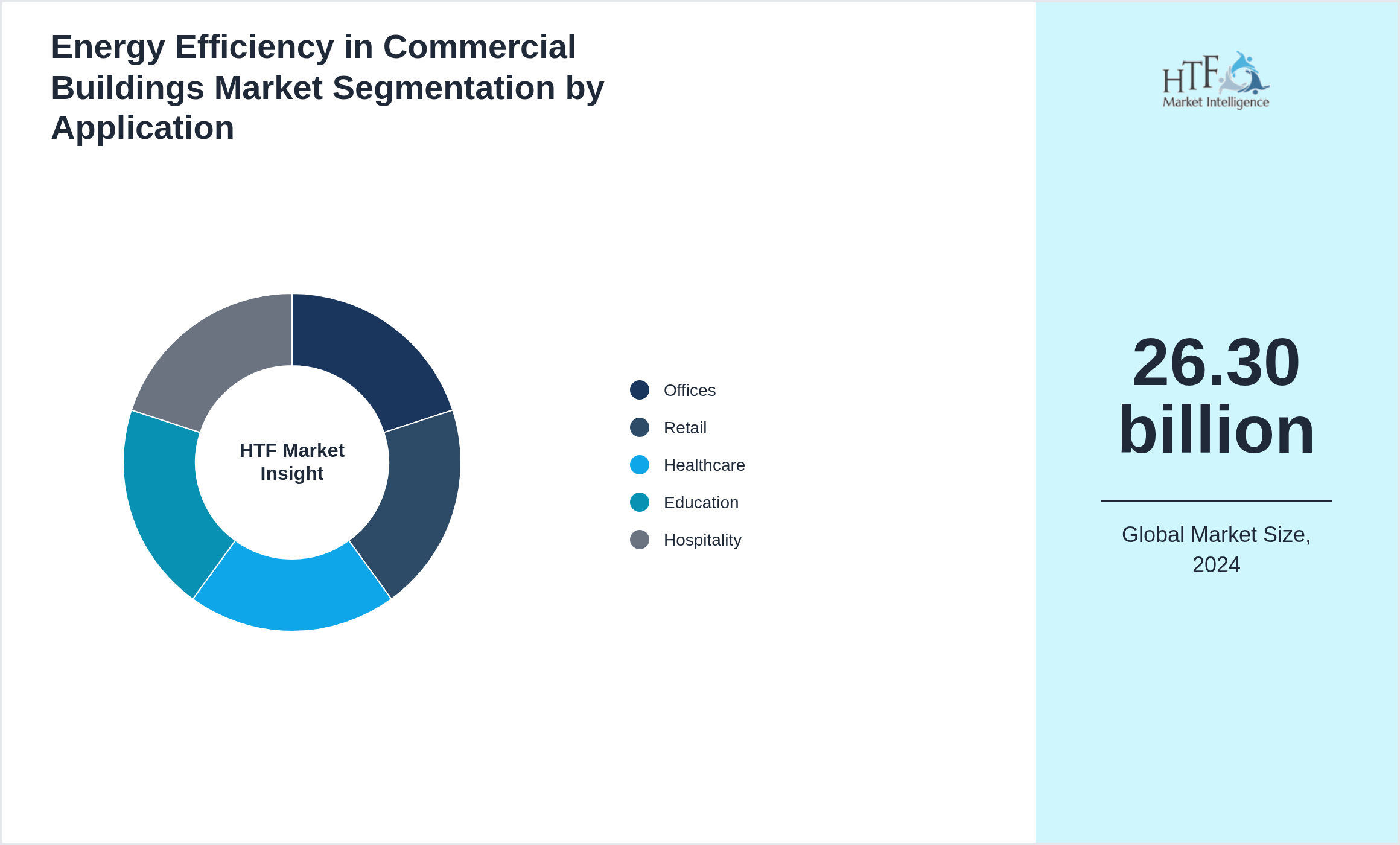
Segmentation by Application
- • Offices
- • Retail
- • Healthcare
- • Education
- • Hospitality
Market Entropy
- • Dec 2025: PropTech startup introduced an AI platform that optimizes HVAC and lighting delivering 20 % energy savings in pilot sites.
Merger & Acquisition
- • Sep 2025 – GreenSquare Systems bought EffiBuild Analytics integrating digitaltwin HVAC models ISO 52120 smartmeter hubs and ESG lending dashboards; landlords hit 2030 carbonintensity targets five years early unlocking greenbond rate discounts.
Regulatory Landscape
- • Governed by ASHRAE 90.1 EU EPBD ISO 50001 and LEED certifications. Smartbuilding mandates enforce IoTbased monitoring compliance.
Patent Analysis
- • Patents focus on HVAC optimization automated lighting control and energy analytics software.
Investment and Funding Scenario
- • Investment from realestate developers ESG funds and government retrofitting grants.
Competitive Innovation Radar
- • Innovation radar emphasizes AI energy management digital twins and IoTintegrated BMS. Firms compete on predictive efficiency algorithms renewable integration and carbonneutral construction materials.
The Top-Down and Bottom-Up Approaches
The top-down approach begins with a broad theory or hypothesis and breaks it down into specific components for testing. This structured, deductive process involves developing a theory, creating hypotheses, collecting and analyzing data, and drawing conclusions. It is particularly useful when there is substantial theoretical knowledge, but it can be rigid and may overlook new phenomena.
Conversely, the bottom-up approach starts with specific data or observations, from which broader generalizations and theories are developed. This inductive process involves collecting detailed data, analyzing it for patterns, developing hypotheses, formulating theories, and validating them with additional data. While this approach is flexible and encourages the discovery of new phenomena, it can be time-consuming and less structured.
Swot and Pestel Analysis
SWOT Analysis
A SWOT analysis evaluates a company’s internal strengths and weaknesses, as well as external opportunities and threats. This Energy Efficiency in Commercial Buildings analysis helps businesses identify their competitive advantages, address internal challenges, and seize external opportunities while mitigating potential risks. It is performed to gain a comprehensive understanding of the organization's position in the market, align strategies with its strengths, and effectively navigate competitive landscapes.
PESTEL Analysis
Political, economic, social, technological, environmental, and legal factors impacting the business environment. This analysis helps organizations anticipate external changes, adapt strategies to macroeconomic trends, and ensure compliance with regulatory requirements. It is crucial for understanding the external forces that could influence business operations and for planning long-term strategies that align with evolving market conditions.
Report Infographics:
| Report Features | Details |
| Base Year | 2024 |
| Based Year Market Size 2024 | 26.30 billion |
| Historical Period | 2020 |
| CAGR (2024 to 2033) | 8.90% |
| Forecast Period | 2033 |
| Forecasted Period Market Size (2033) | 55.70 billion |
| Scope of the Report | By Type, By Application, By Sales Channel, By Region |
| Quantitative Units |
Revenue in USD million/billion, volume in kilotons, and CAGR from 2024 to 2033 |
| Companies Covered | Johnson Controls (US), Siemens (Germany), Schneider Electric (France), Honeywell (US), ABB (Switzerland), Daikin (Japan), Trane (US), Carrier (US), Rockwool (Denmark), Kingspan (Ireland), Johnson Matthey (UK), Emerson (US), Bosch (Germany), Legrand (France), Ingersoll Rand (US), Hitachi (Japan), LG Electronics (South Korea), Toshiba (Japan), Aereco (France), United Technologies (US), WSP (Canada), Arup (UK), Johnson Controls India (India), Schneider Electric China (China), Honeywell India (India) |
| Customization Scope | 15% Free Customization (For example)
Want to Buy Specific Sections of This Report?
|
| Delivery Format | PDF and Excel through Email |