
Global Egg White Protein Powder Market Size, Growth & Revenue 2024-2034
Global Egg White Protein Powder Market is segmented by Product Type (Powdered Egg White Protein, Instantized Egg White Protein, Organic Egg White Protein, Flavored Egg White Protein, Unflavored Egg White Protein), Application (Sports Nutrition, Dietary Supplements, Food & Beverage, Medical Nutrition, Cosmetics), End-Use Industry (Athletics & Fitness, Healthcare & Medical, Food & Beverage Manufacturing, Personal Care & Cosmetics), Distribution Channel (Supermarkets & Hypermarkets, Online Retail, Specialty Stores), and Geography (North America, LATAM, West Europe, Central & Eastern Europe, Northern Europe, Southern Europe, East Asia, Southeast Asia, South Asia, Central Asia, Oceania, MEA)
Pricing
Report Overview
Executive Summary
- •The Global Egg White Protein Powder Market represents a dynamic segment within the protein supplement industry, defined by the extraction and processing of high-purity protein from egg whites into powder form. This market caters to a wide array of end-use industries including sports nutrition, dietary supplements, food & beverage, medical nutrition, and cosmetics, with applications ranging from muscle recovery formulations to functional food ingredients. The market comprises diverse product types such as powdered, instantized, organic, flavored, and unflavored variants, each formulated to meet specific consumer preferences and regulatory standards. Geographically, the market spans key regions including North America, Europe, Asia-Pacific, Latin America, and the Middle East & Africa, reflecting varied adoption rates driven by regional dietary trends, health awareness, and economic development. Market growth is propelled by rising consumer inclination towards clean-label and plant-based proteins, technological advancements in processing and formulation, and expanding distribution channels including e-commerce. Key challenges include fluctuating raw material costs, stringent regulatory environments, and competition from alternative protein sources. The landscape is characterized by innovation, strategic partnerships, and increasing investments, positioning egg white protein powder as a vital component in global health and nutrition markets.
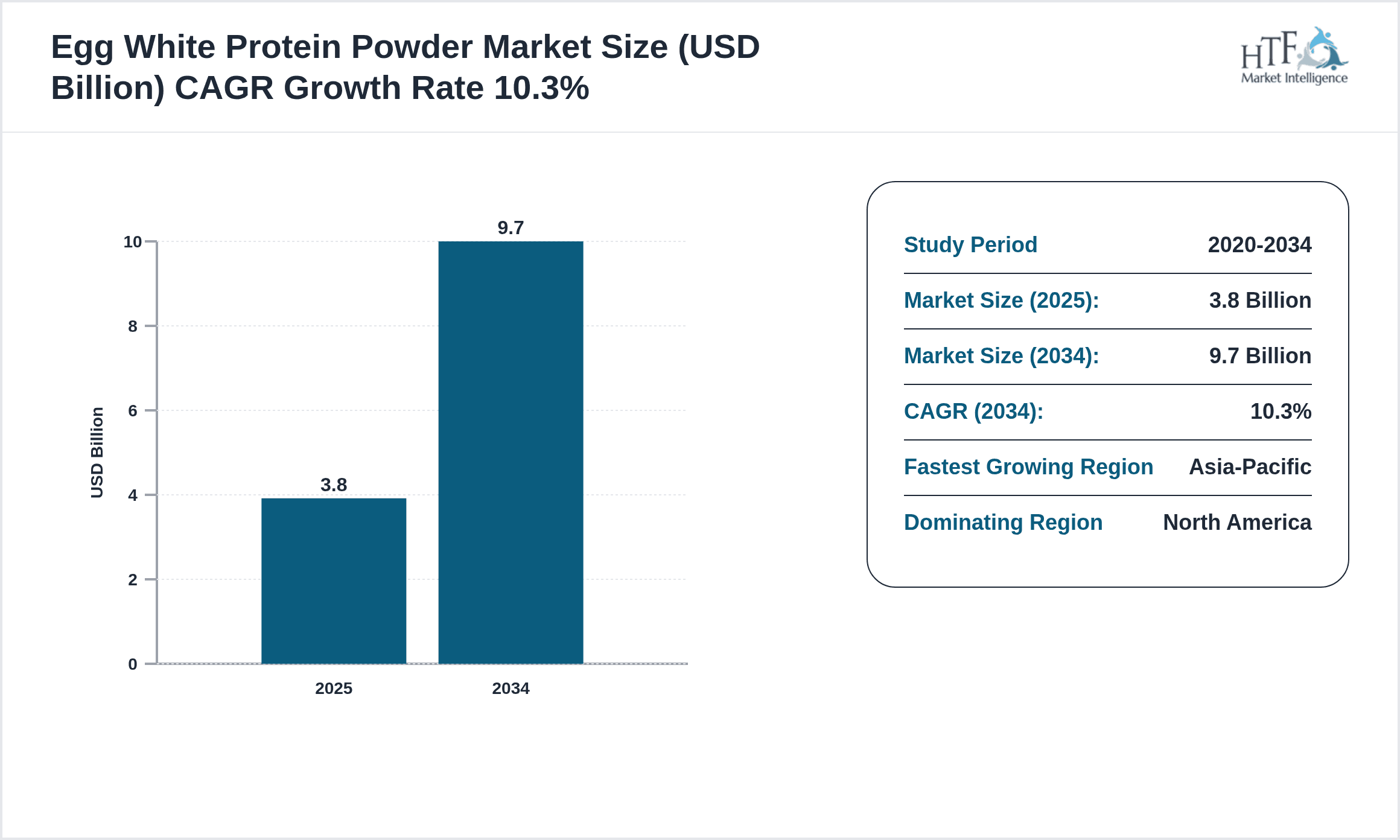
- •The market experienced a base valuation of USD 3.8 Billion in 2025, with projections estimating expansion to USD 9.7 Billion by 2034, reflecting a robust CAGR of 10.3%. North America currently dominates the market, leveraging high consumer awareness and established sports nutrition industries, while Asia-Pacific is identified as the fastest-growing region due to increasing health consciousness and expanding middle-class demographics. The powdered type segment leads product categories, favored for its versatility and wide application scope, whereas organic types are witnessing accelerated growth driven by clean-label trends. Sports nutrition remains the primary application segment, followed closely by dietary supplements. The market growth is underpinned by continuous product innovation, growing demand for functional foods, and evolving consumer lifestyles emphasizing health and wellness. However, challenges such as raw material supply volatility and regulatory compliance complexities necessitate strategic agility among market participants.
- •The strategic importance of the egg white protein powder market is underscored by its role in enabling diverse industries to meet consumer demands for high-quality, natural protein sources. Stakeholders including manufacturers, distributors, formulators, and retailers benefit from the sector’s growth through innovation-led differentiation and expanding global reach. The market offers value propositions such as superior protein bioavailability, allergen-friendly options, and multifunctional ingredient applications, enhancing product portfolios across nutrition and cosmetics sectors. The rising trend towards personalized nutrition and plant-based diets further amplifies market relevance. For investors and industry players, the market presents opportunities for sustainable growth through targeted R&D, geographic expansion, and strategic collaborations, making it a pivotal segment within the global protein supplements landscape.
Competitive Landscape
The Global Egg White Protein Powder Market is highly competitive, characterized by the presence of numerous multinational corporations and regional players striving for market share through continuous innovation and strategic positioning. Companies invest heavily in research and development to enhance product quality, develop organic and flavored variants, and improve functional properties to meet evolving consumer preferences. Competitive strategies include expanding production capacities, optimizing supply chains, and leveraging digital marketing and e-commerce platforms to reach broader audiences. Market rivalry is intensified by low entry barriers for new players and the availability of substitute protein sources such as whey and plant-based proteins. To maintain competitive advantages, firms engage in strategic partnerships, mergers and acquisitions, and geographic expansion, particularly targeting high-growth regions like Asia-Pacific. Pricing strategies vary from premium pricing for organic and specialized products to competitive pricing for mass-market offerings. Regulatory compliance and sustainability initiatives also factor significantly into competitive dynamics, influencing product development and market acceptance. Overall, the competitive environment fosters innovation and diversification, fueling market expansion and consumer choice.
Prominent Players in Egg White Protein Powder Market
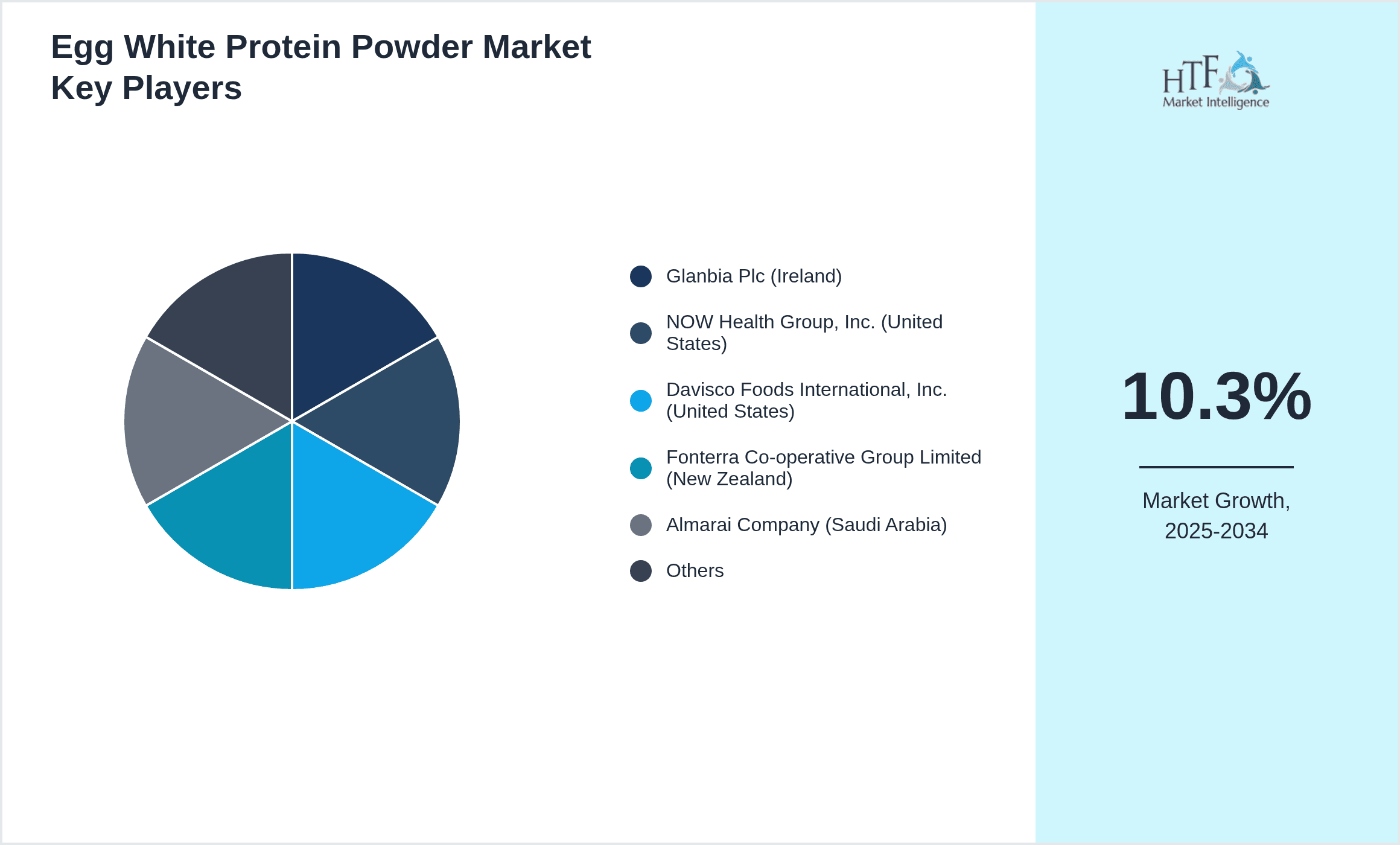
- •Glanbia Plc (Ireland)
- •NOW Health Group, Inc. (United States)
- •Davisco Foods International, Inc. (United States)
- •Fonterra Co-operative Group Limited (New Zealand)
- •Almarai Company (Saudi Arabia)
- •Eggland's Best, Inc. (United States)
- •Farbest Brands (United States)
- •Nestlé S.A. (Switzerland)
- •Suntory Beverage & Food Limited (Japan)
- •DuPont Nutrition & Health (United States)
- •Arla Foods amba (Denmark)
- •Kerry Group plc (Ireland)
- •Ingredion Incorporated (United States)
- •Meiji Holdings Co., Ltd. (Japan)
- •Morinaga Milk Industry Co., Ltd. (Japan)
- •BASF SE (Germany)
- •Cargill, Incorporated (United States)
- •Royal DSM N.V. (Netherlands)
- •Tate & Lyle PLC (United Kingdom)
- •Nutrien Ltd. (Canada)
- •Hormel Foods Corporation (United States)
- •Mead Johnson Nutrition Company (United States)
- •NutriScience Innovations LLC (United States)
- •VIVANIUM AG (Switzerland)
- •Solae LLC (United States)
Market Breakdown
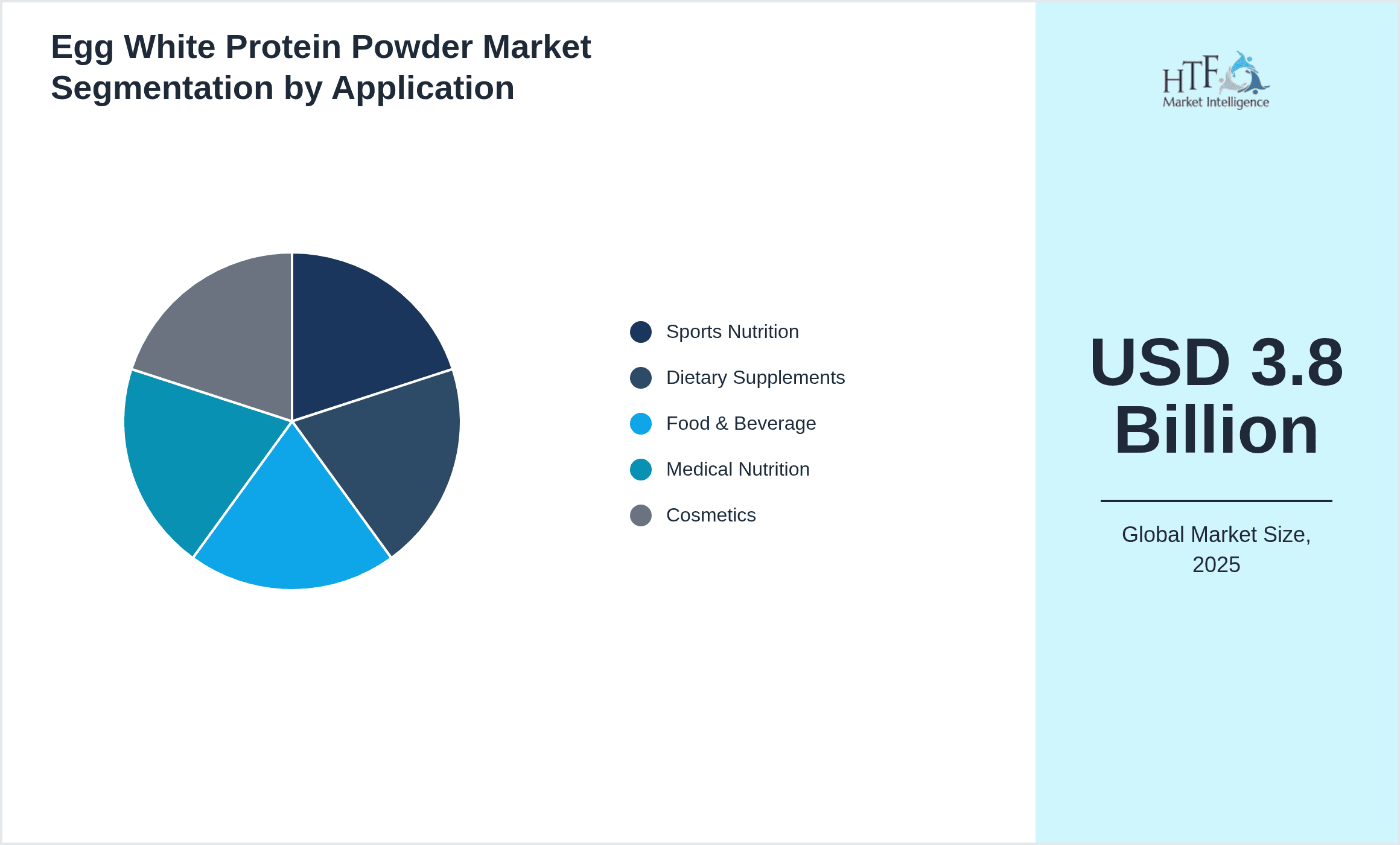
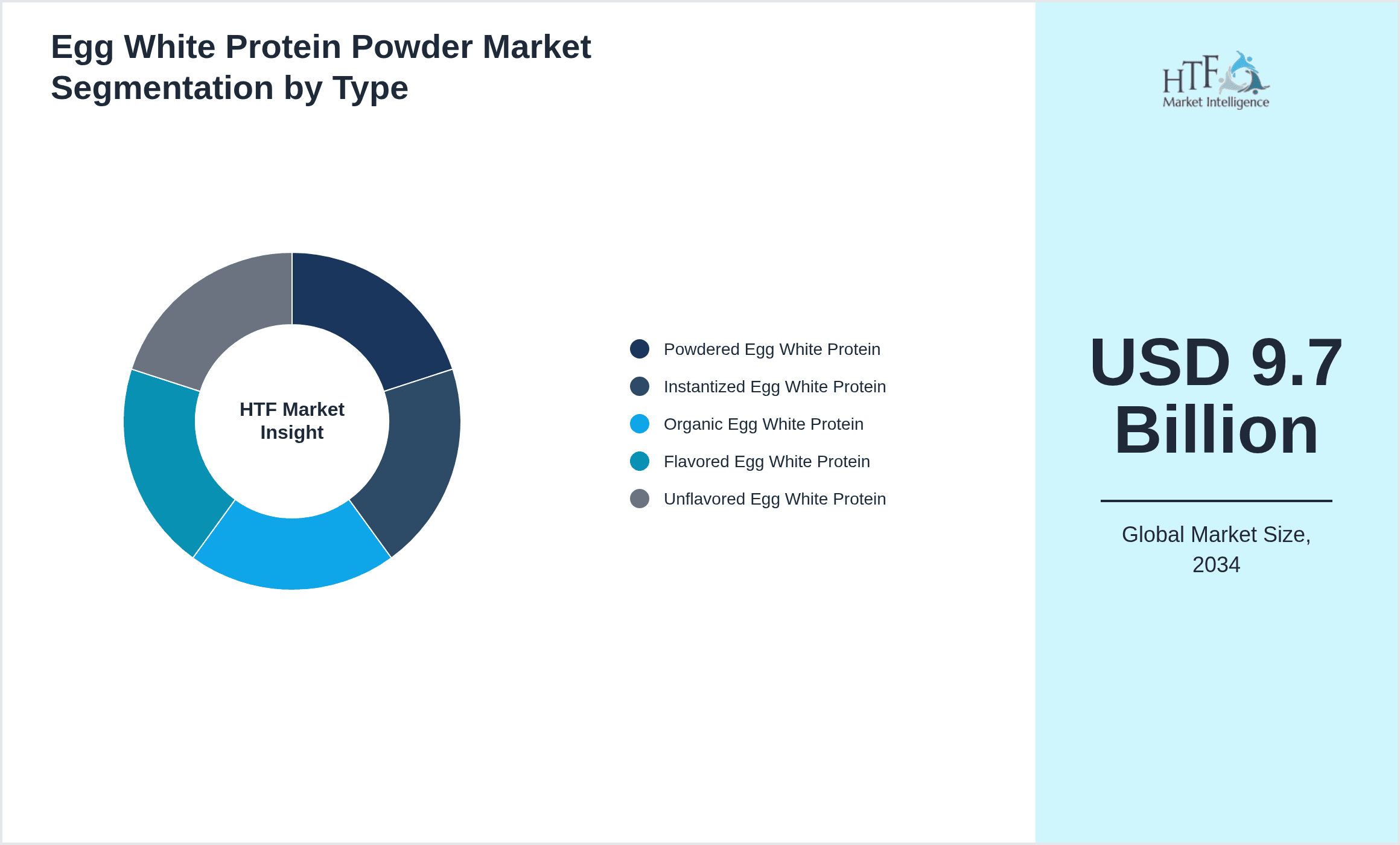
- •By Product Type
- ◦Powdered Egg White Protein
- ◦Instantized Egg White Protein
- ◦Organic Egg White Protein
- ◦Flavored Egg White Protein
- ◦Unflavored Egg White Protein
- •By Application
- ◦Sports Nutrition
- ◦Dietary Supplements
- ◦Food & Beverage
- ◦Medical Nutrition
- ◦Cosmetics
- •By End-Use Industry
- ◦Athletics & Fitness
- ◦Healthcare & Medical
- ◦Food & Beverage Manufacturing
- ◦Personal Care & Cosmetics
- •By Distribution Channel
- ◦Supermarkets & Hypermarkets
- ◦Online Retail
- ◦Specialty Stores
Growth Dynamics
- •The global egg white protein powder market is driven by increasing health awareness among consumers worldwide, who are actively seeking natural, high-quality protein sources to support fitness and wellness goals. The expanding sports nutrition segment, fueled by rising gym memberships and athletic activities, significantly contributes to demand. Technological advancements in processing enhance protein purity and solubility, improving product appeal. Additionally, the surge in vegan and clean-label preferences encourages manufacturers to innovate organic and allergen-friendly egg white protein variants. Strategic expansion of distribution channels, especially e-commerce, facilitates wider market penetration. These factors collectively propel sustained market growth.
- •Emerging trends include the integration of egg white protein powder into functional food and beverage products, such as protein bars, shakes, and bakery items, aligning with the consumer shift towards convenient nutrition. There is also growing adoption of flavored and instantized protein powders to improve user experience. Sustainability initiatives are influencing sourcing and production, with companies investing in eco-friendly packaging and organic certifications. Furthermore, collaborations between ingredient suppliers and food manufacturers are driving product innovation, enhancing market competitiveness. The rise of personalized nutrition and digital health platforms is expected to further stimulate tailored protein supplement offerings.
- •Market restraints encompass the volatility of raw material prices due to fluctuating egg supply and feed costs, which can impact product pricing and profitability. Regulatory compliance with food safety and labeling standards across different regions poses challenges for manufacturers, especially for organic and specialty products. Consumer concerns regarding potential allergens in egg-derived products limit market penetration in certain demographics. Additionally, competition from plant-based and whey protein alternatives creates pricing and preference pressures. Logistical complexities in maintaining product quality during storage and transportation also constrain market expansion.
- •Opportunities abound in expanding into emerging markets where increasing disposable incomes and health consciousness are driving protein supplement adoption. Development of novel product formats such as ready-to-drink protein beverages and incorporation into medical nutrition for specialized dietary needs present growth avenues. Investment in R&D to enhance functional properties and taste profiles can attract broader consumer bases. Strategic partnerships and acquisitions enable companies to access new technologies and distribution networks, fostering market share gains. Furthermore, leveraging digital marketing and e-commerce platforms offers cost-effective consumer engagement and sales expansion.
- •Challenges include navigating complex international regulatory landscapes that vary by region, impacting product approvals and market entry timelines. Ensuring consistent raw material quality amid supply chain disruptions requires robust sourcing strategies. Intense competition from established protein types and emerging plant-based alternatives demands continuous innovation and differentiation. Price sensitivity among end-users, particularly in developing regions, limits premium product uptake. Additionally, educating consumers on the benefits and safety of egg white protein powder remains crucial to overcoming skepticism and driving adoption.
Market Trends
- •The market is witnessing a pronounced shift towards clean-label and organic egg white protein powders, reflecting consumer demand for transparency and natural ingredients. This trend is accompanied by increased product customization, with manufacturers offering flavored and instantized options to enhance palatability and convenience. Functional fortification with vitamins, minerals, and probiotics is gaining traction, broadening application potential. Moreover, digital transformation is enabling direct-to-consumer sales via online platforms, expanding market accessibility globally. Sustainability practices in sourcing and packaging are becoming standard, aligning with environmental concerns.
- •Innovation in processing technologies such as microfiltration and spray drying is enhancing protein purity and solubility, improving product quality and consumer acceptance. Companies are investing in research to develop allergen-free and non-GMO certifications, catering to sensitive consumer groups. The integration of egg white protein powders into plant-based and hybrid formulations signals a convergence of protein sources, targeting diverse dietary preferences. Collaborative ventures between ingredient suppliers and food manufacturers are driving rapid product development cycles, enabling quicker market responsiveness.
- •Strategic market expansions are evident with companies entering emerging economies through partnerships and localized manufacturing facilities, capitalizing on rising health awareness and disposable incomes. Launches of ready-to-drink protein beverages and on-the-go snack formats reflect consumer demand for convenience and portability. The increasing use of sustainable packaging materials such as biodegradable films and recyclable containers is improving brand reputation and compliance with environmental regulations. Data analytics and AI-driven consumer insights are shaping product development and marketing strategies to better align with evolving preferences.
- •Digitalization is fostering personalized nutrition, with platforms providing tailored protein supplement recommendations based on individual health data and goals. This trend is complemented by a surge in influencer marketing and social media engagement, amplifying product visibility and consumer education. Operational efficiencies are being enhanced through automation and supply chain optimization, reducing costs and improving delivery timelines. Cross-sector collaborations between nutrition, wellness, and fitness industries are creating integrated consumer experiences, expanding market scope.
- •Future directions point towards disruptive innovations such as protein powders with enhanced bioactive compounds, targeted delivery systems, and incorporation of novel ingredients like collagen peptides. The industry is also exploring circular economy models to minimize waste and maximize resource utilization. Expansion into niche markets like elderly nutrition, maternal health, and clinical nutrition offers significant growth potential. Regulatory harmonization efforts are expected to facilitate smoother global trade and market access. Overall, the market is poised for sustained innovation-driven growth.
Market Opportunities
- •Emerging markets in Asia-Pacific and Latin America present significant growth opportunities due to increasing urbanization, rising disposable incomes, and expanding health-conscious consumer segments. Targeting these regions with localized product formulations and affordable pricing can bridge market gaps. Additionally, the growing demand for organic and clean-label products offers opportunities for premium segment expansion. Companies can capitalize on the functional food trend by developing protein powders fortified with vitamins and minerals tailored to specific health conditions or demographics.
- •The introduction of innovative delivery formats such as ready-to-drink shakes, protein-enriched snacks, and meal replacements can attract convenience-seeking consumers. Expansion into medical nutrition by collaborating with healthcare providers to address malnutrition and recovery needs offers a niche yet growing market. Strategic alliances with sports and fitness organizations can enhance brand visibility and consumer trust. Furthermore, leveraging e-commerce and digital marketing channels facilitates direct consumer engagement and rapid market penetration.
- •Investment in research and development to improve taste profiles, solubility, and nutritional benefits can differentiate products in a competitive landscape. Sustainability initiatives in sourcing and packaging can appeal to environmentally conscious consumers and comply with evolving regulations. Acquisitions and joint ventures enable access to new technologies and distribution networks, accelerating growth. Exploring personalized nutrition platforms and AI-driven consumer insights can tailor offerings, enhancing customer loyalty and market share. Overall, these opportunities position companies to capitalize on evolving consumer needs and market trends.
- •Geographic expansion into untapped regions with rising fitness and wellness trends offers potential for new revenue streams. Developing allergen-free and specialty protein powders can address underserved consumer segments. Collaborations with foodservice providers and retail chains can broaden product availability and brand presence. Innovations in packaging design promoting convenience and sustainability can enhance consumer appeal. The integration of advanced analytics for supply chain and demand forecasting optimizes operational efficiency, supporting scalable growth.
- •Anticipating regulatory changes and proactively aligning product development and quality standards can minimize market entry barriers. Engaging in corporate social responsibility initiatives and community health programs can build brand equity. Exploring co-branding and cross-industry partnerships expands market reach and diversifies product applications. The increasing global focus on preventive healthcare and nutrition presents expanding demand for egg white protein products, offering long-term growth potential.
- •Opportunities also exist in developing value-added products incorporating bioactive peptides and functional ingredients addressing specific health concerns such as immunity and metabolism. Expanding product portfolios to include vegan-friendly hybrid protein blends can cater to broader consumer bases. Enhancing consumer education about the benefits of egg white protein powder through targeted campaigns can drive adoption. Overall, these strategies align with evolving market dynamics and consumer expectations.
- •The convergence of technology and nutrition through digital health applications enables personalized diet planning and product recommendations, opening new avenues for market differentiation. Exploring alternative protein extraction technologies to improve sustainability and cost-effectiveness can provide competitive advantages. Lastly, expanding collaborations with regulatory bodies and standard organizations ensures compliance readiness and market acceptance, fostering smoother business operations.
Market Challenges
- •One of the foremost challenges is the volatility in raw material availability and pricing, influenced by seasonal egg supply fluctuations and feed cost variability, which can disrupt production planning and profit margins. Manufacturers must develop robust sourcing and inventory strategies to mitigate these risks. Additionally, the presence of allergenic components in egg white protein limits market adoption among sensitive populations, requiring clear labeling and consumer education to address concerns. Regulatory diversity across global markets necessitates substantial compliance efforts and can delay product launches.
- •Competition from alternative protein sources such as whey, soy, and emerging plant-based proteins creates pricing pressure and challenges consumer loyalty. The relatively higher production costs of egg white protein powder compared to some alternatives may limit accessibility in price-sensitive markets. Logistical complexities related to maintaining product integrity through cold chain or moisture control during storage and transportation pose operational challenges. Furthermore, educating consumers on the distinct benefits of egg white protein over other proteins remains imperative to drive preference and demand.
- •The fragmented nature of the market with numerous small and medium players intensifies competition and can lead to market saturation in developed economies. Intellectual property and patent protection for novel formulations and processing technologies require careful management to safeguard competitive advantages. Environmental concerns related to egg production, including animal welfare and sustainability, can influence consumer perception and regulatory scrutiny. These factors collectively necessitate strategic agility and innovation among market participants.
- •Price sensitivity and fluctuating consumer preferences, especially amid economic uncertainties, challenge consistent market growth. The complexity of formulating flavored and instantized protein powders that meet taste and solubility expectations without compromising nutritional integrity demands ongoing R&D investment. Additionally, counterfeit and low-quality products in certain markets can undermine brand reputation and consumer trust. Addressing these challenges requires comprehensive quality control, transparent communication, and robust brand positioning.
- •Finally, the evolving regulatory environment with varying food safety, labeling, and health claim standards across regions imposes compliance costs and operational constraints. Navigating import/export restrictions and tariffs further complicates global expansion strategies. Market players must invest in regulatory intelligence and adapt quickly to maintain market access and competitiveness.
Regulatory Framework
- •Between 2019 and 2025, several regulatory developments have shaped the global egg white protein powder market. The implementation of stricter food safety standards such as the Food Safety Modernization Act (FSMA) in the United States has enhanced requirements for supplier verification and preventive controls, ensuring higher product safety. The European Union introduced updated Novel Food Regulations mandating comprehensive safety assessments for new protein ingredients, impacting product approvals. Organic certification standards harmonized globally, including USDA Organic and EU Organic regulations, have increased scrutiny on sourcing and processing practices, influencing market entry for organic product lines. Additionally, labeling regulations have evolved to require transparent allergen declarations and nutritional information, improving consumer awareness. Various countries have enacted policies promoting sustainable packaging and waste reduction, encouraging manufacturers to adopt eco-friendly materials. These regulatory changes collectively advance product quality, safety, and sustainability, while imposing compliance obligations that require strategic adaptation by industry players.
- •The regulatory landscape also includes mandates on health claims substantiation, requiring scientific evidence to support marketing statements related to protein benefits. Standards for protein content and purity testing have been standardized by organizations such as Codex Alimentarius, facilitating international trade. Import-export regulations have become more stringent with enhanced border inspections and documentation requirements. Governments have also initiated programs incentivizing local production and innovation in functional foods, influencing market dynamics. Compliance with these evolving frameworks is critical for market access and competitiveness, driving investments in quality assurance, certification, and regulatory affairs expertise.
Market Intelligence
- •12th January 2025, Glanbia Plc announced the launch of a new organic instantized egg white protein powder designed for enhanced solubility and flavor profile, targeting the sports nutrition segment. This product features improved digestibility and is certified USDA Organic and Non-GMO, aligning with clean-label consumer demand. The initiative aims to strengthen Glanbia’s position in North America and Asia-Pacific markets by expanding their portfolio with premium, sustainable ingredients. Strategic marketing campaigns and partnerships with fitness influencers are set to support product adoption globally. Source: Official Glanbia Press Release
- •5th May 2025, NOW Health Group, Inc. introduced a flavored egg white protein powder line enriched with essential amino acids and antioxidants, catering to dietary supplement users seeking functional benefits beyond basic protein intake. The product incorporates natural fruit extracts and offers multiple flavor options to enhance consumer appeal. NOW Health Group’s innovation reflects growing trends toward multifunctional nutrition and product personalization. Expansion plans include entering new markets in Europe and Latin America supported by established distribution networks. Source: Company Website Announcement
- •20th August 2024, Cargill, Incorporated completed the acquisition of NutriScience Innovations LLC, a move aimed at bolstering its presence in the egg white protein ingredient space with advanced formulation technologies. This strategic acquisition enables Cargill to integrate NutriScience’s expertise in bioactive peptides and functional ingredient development, enhancing their product offerings for medical nutrition and specialty applications. The consolidation is expected to increase operational efficiency and accelerate innovation pipelines. This transaction underscores the importance of mergers and acquisitions in driving market growth and competitive advantage. Source: Industry Publication
- •15th March 2025, Arla Foods amba expanded its manufacturing capacity for egg white protein powders in Europe by commissioning a new facility equipped with state-of-the-art microfiltration and drying technologies. The investment supports increasing demand for high-purity protein ingredients in food & beverage and sports nutrition sectors. The facility emphasizes sustainable operations with energy-efficient systems and waste reduction measures. This expansion enhances Arla’s ability to supply global markets and respond swiftly to consumer trends emphasizing product quality and sustainability. Source: Official Company Release
Regional Outlook
The North America currently holds a significant share of the market, primarily due to several key factors: increasing consumption rates, a burgeoning population, and robust economic momentum. These elements collectively drive demand, positioning this region as a leader in the market. On the other hand, Asia-Pacific is rapidly emerging as the fastest-growing area within the industry. This remarkable growth can be attributed to swift infrastructure development, the expansion of various industrial sectors, and a marked increase in consumer demand. These dynamics make this region a crucial player in shaping future market growth.
In our report, we cover a comprehensive analysis of the following regions and countries:
- North America
- LATAM
- West Europe
- Central & Eastern Europe
- Northern Europe
- Southern Europe
- East Asia
- Southeast Asia
- South Asia
- Central Asia
- Oceania
- MEA
| Feature | Details |
|---|---|
| Base Year Market Size | USD 3.8 Billion |
| Forecast Year Market Size | USD 9.7 Billion |
| CAGR | 10.3% |
| Forecast Period | 2026 to 2033 |
| YoY Growth | 10.1% |
| Scope of Report | Market is segmented by Product Type (Powdered Egg White Protein, Instantized Egg White Protein, Organic Egg White Protein, Flavored Egg White Protein, Unflavored Egg White Protein), Application (Sports Nutrition, Dietary Supplements, Food & Beverage, Medical Nutrition, Cosmetics), End-Use Industry (Athletics & Fitness, Healthcare & Medical, Food & Beverage Manufacturing, Personal Care & Cosmetics), Distribution Channel (Supermarkets & Hypermarkets, Online Retail, Specialty Stores) |
| Regions Covered | North America, LATAM, West Europe, Central & Eastern Europe, Northern Europe, Southern Europe, East Asia, Southeast Asia, South Asia, Central Asia, Oceania, MEA |
| Key Companies | Glanbia Plc (Ireland), NOW Health Group, Inc. (United States), Davisco Foods International, Inc. (United States), Fonterra Co-operative Group Limited (New Zealand), Almarai Company (Saudi Arabia), Eggland's Best, Inc. (United States), Farbest Brands (United States), Nestlé S.A. (Switzerland), Suntory Beverage & Food Limited (Japan), DuPont Nutrition & Health (United States), Arla Foods amba (Denmark), Kerry Group plc (Ireland), Ingredion Incorporated (United States), Meiji Holdings Co., Ltd. (Japan), Morinaga Milk Industry Co., Ltd. (Japan), BASF SE (Germany), Cargill, Incorporated (United States), Royal DSM N.V. (Netherlands), Tate & Lyle PLC (United Kingdom), Nutrien Ltd. (Canada), Hormel Foods Corporation (United States), Mead Johnson Nutrition Company (United States), NutriScience Innovations LLC (United States), VIVANIUM AG (Switzerland), Solae LLC (United States) |
Global Egg White Protein Powder Market Size, Growth & Revenue 2024-2034 - Table of Contents
Frequently Asked Questions (FAQ):
The Compact Track Loaders market is expected to see value worth 5.3 Billion in 2025.
North America currently leads the market with approximately 45% market share, followed by Europe at 28% and Asia-Pacific at 22%. The remaining regions account for 5% of the global market.
Key growth drivers include increasing construction activities, rising demand for versatile equipment in agriculture, technological advancements in track loader design, and growing preference for compact equipment in urban construction projects.