
Global Lenticular Sheet Market Size, Growth & Revenue 2024-2034
Global Lenticular Sheet Market is segmented by Product Type (3D Lenticular Sheets, Flip Lenticular Sheets, Animated Lenticular Sheets, Morph Lenticular Sheets, Others), Application (Advertising Displays, Packaging, Labeling, Point of Sale, Promotional Items), End-Use Industry (Retail, Food & Beverage, Consumer Electronics, Healthcare), Distribution Channel (Direct Sales, Distributors, Online Sales), and Geography (North America, LATAM, West Europe, Central & Eastern Europe, Northern Europe, Southern Europe, East Asia, Southeast Asia, South Asia, Central Asia, Oceania, MEA)
Pricing
Report Overview
Executive Summary
- •The global Lenticular Sheet market is defined by the production and application of specialized plastic sheets embedded with lenticular lenses that create dynamic visual effects such as 3D images, animations, and flip designs. These sheets find extensive use in advertising, packaging, labeling, point-of-sale displays, and promotional items, offering enhanced visual appeal and consumer engagement. The market scope covers diverse product types including 3D lenticular, flip, animated, and morph sheets, manufactured using advanced optical and printing technologies. The industry involves a comprehensive value chain from raw material suppliers to end users across multiple sectors such as retail, packaging, and marketing. The market is driven by the need for innovative packaging solutions and experiential advertising to capture consumer attention in competitive environments. Key technological advancements focus on improving image resolution, sheet durability, and cost-effectiveness, enabling wider adoption globally. This market is characterized by dynamic innovation, strong competition, and expanding applications across developed and emerging economies.
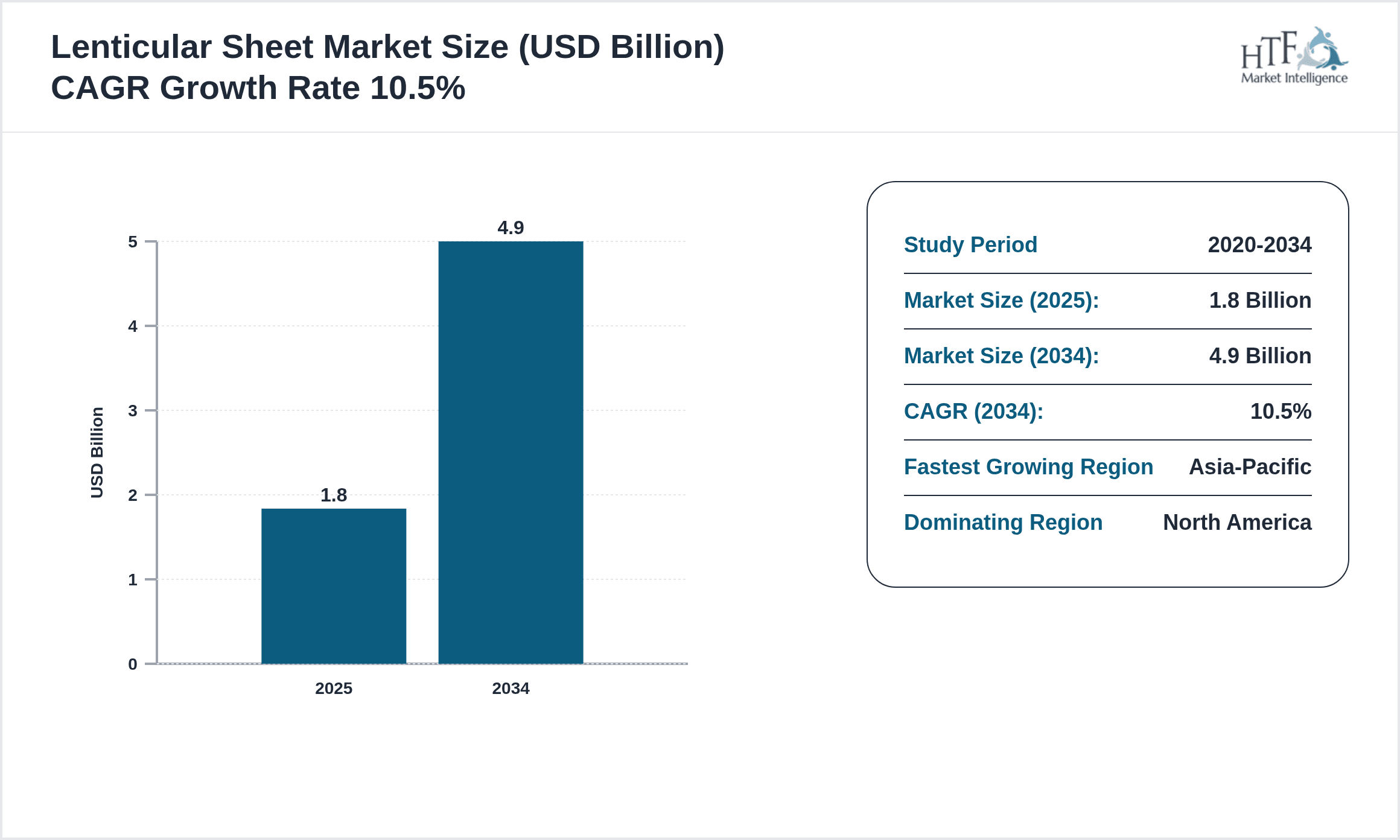
- •The global Lenticular Sheet market was valued at USD 1.8 billion in 2024 and is projected to reach USD 4.9 billion by 2034, reflecting a robust CAGR of 10.5%. North America currently dominates the market due to high adoption in advertising and packaging industries, while Asia-Pacific is anticipated to exhibit the fastest growth owing to increasing manufacturing activities and rising consumer demand. The leading product type is 3D lenticular sheets, with animated lenticular sheets emerging as the fastest-growing segment driven by technological innovations. Key market highlights include rising investments in retail marketing and packaging innovation, coupled with growing demand for visually appealing promotional materials. The market is witnessing strategic partnerships and product launches aimed at enhancing sheet performance and expanding applications.
- •The lenticular sheet market offers significant value propositions by enabling brands and manufacturers to create impactful visual displays that attract consumer attention and improve product differentiation. Its strategic importance spans across advertising, packaging, and promotional sectors, serving as a vital tool in enhancing brand recall and customer engagement. The integration of innovative lenticular technologies elevates traditional print materials into dynamic visual media, thereby increasing marketing effectiveness. Stakeholders including manufacturers, distributors, and end-users benefit from the market's growth driven by technological advancements and expanding application domains. The market's evolution aligns with the broader trends of experiential marketing and sustainability initiatives, further enhancing its relevance across global industries.
Competitive Landscape
The competitive landscape of the global Lenticular Sheet market is characterized by a diverse array of players ranging from large multinational corporations to specialized regional manufacturers. Market dynamics are heavily influenced by technological innovation, quality of product offerings, and the ability to customize solutions for varied applications. Companies compete through continuous R&D investments focused on enhancing visual effects, sheet durability, and cost efficiency. Strategic partnerships and collaborations with printing and packaging firms are common to expand market reach and develop integrated solutions. Price competitiveness and distribution network strength also play critical roles in market positioning. The rivalry intensifies as players strive to capture emerging markets, particularly in Asia-Pacific and Latin America, while maintaining dominance in established regions like North America and Europe. Future competitive trends include increased focus on sustainable materials and digital printing integration to meet evolving customer demands and regulatory requirements.
Leading Companies in Lenticular Sheet Market
- •3M Company (United States)
- •Lenticular Graphics Inc. (United States)
- •Tru Vue Inc. (United States)
- •Taghleef Industries (United Arab Emirates)
- •Olmec Graphic Arts Ltd. (United Kingdom)
- •Lenticular Supplies Ltd. (United Kingdom)
- •Kolor Optics (France)
- •Mitsubishi Chemical Corporation (Japan)
- •Molded Fiber Glass Companies (United States)
- •Wausau Coated Products (United States)
- •Klearfold (United States)
- •Dechen Plastics Pvt. Ltd. (India)
- •Sun Plastic Enterprises (China)
- •Lenti Flash (Germany)
- •GPI Graphic Products Inc. (United States)
- •New Lite Plastics (United States)
- •Lenticular Innovations Ltd. (Canada)
- •DNP Imagingcomm America Corporation (Japan)
- •Integra Plastics (United States)
- •Kuraray Co., Ltd. (Japan)
- •Polymershapes (United States)
- •Eastman Chemical Company (United States)
- •Hanwha Solutions Corporation (South Korea)
- •Avery Dennison Corporation (United States)
- •Flexcon Company, Inc. (United States)
Market Breakdown
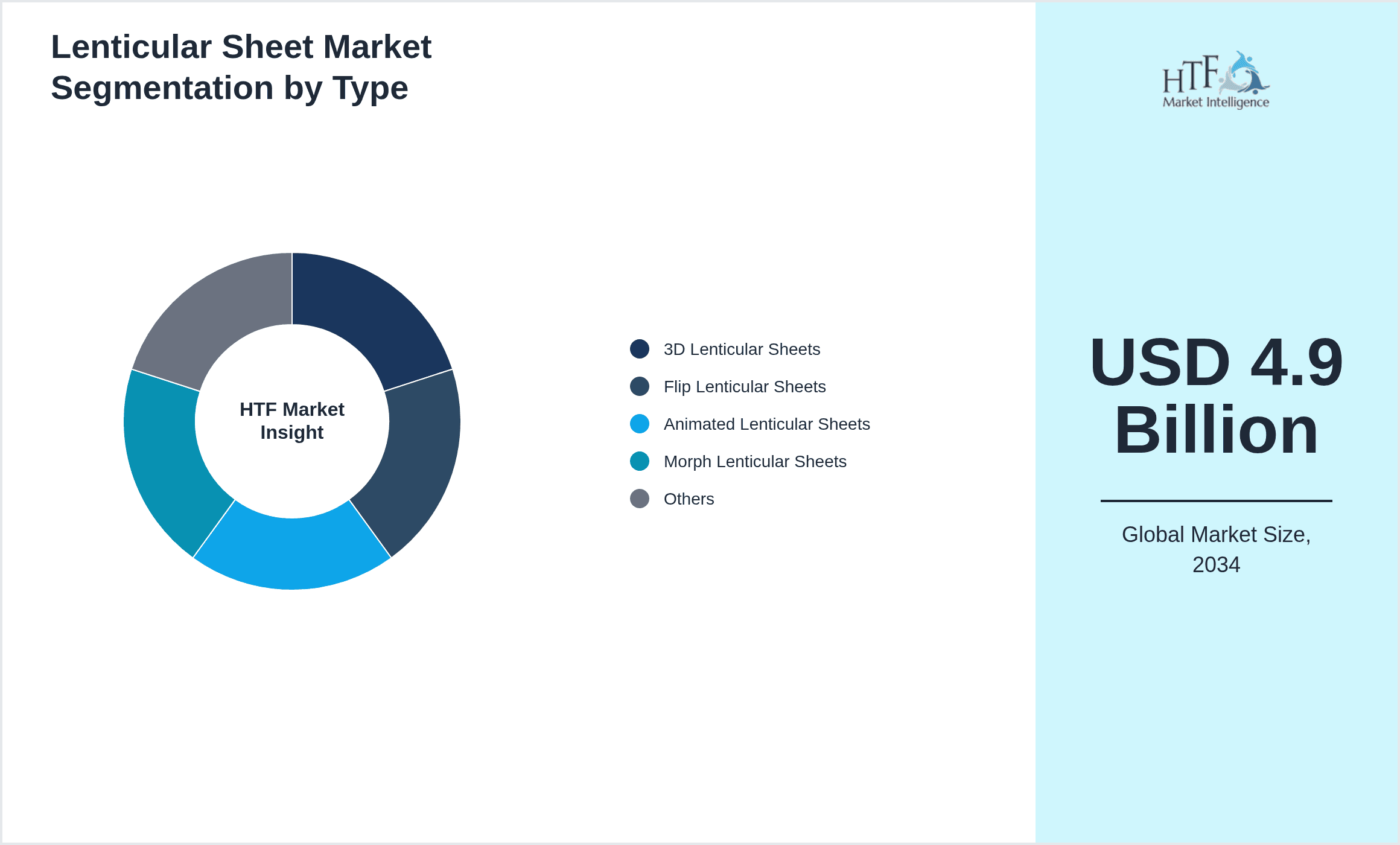
- •By Product Type
- ◦3D Lenticular Sheets
- ◦Flip Lenticular Sheets
- ◦Animated Lenticular Sheets
- ◦Morph Lenticular Sheets
- ◦Others
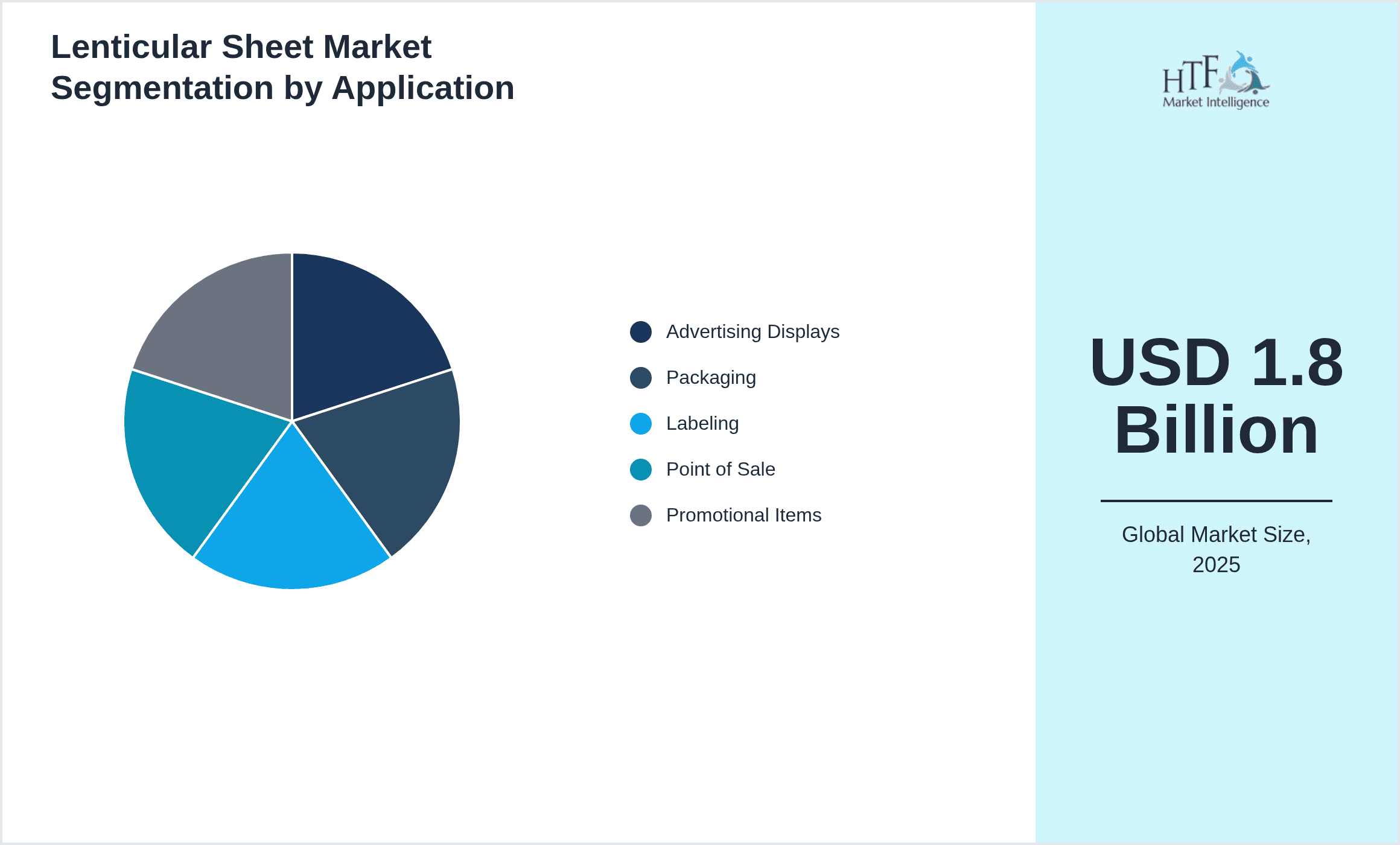
- •By Application
- ◦Advertising Displays
- ◦Packaging
- ◦Labeling
- ◦Point of Sale
- ◦Promotional Items
- •By End-Use Industry
- ◦Retail
- ◦Food & Beverage
- ◦Consumer Electronics
- ◦Healthcare
- •By Distribution Channel
- ◦Direct Sales
- ◦Distributors
- ◦Online Sales
Growth Dynamics
- •Increasing demand for innovative and visually appealing packaging solutions is a major growth driver for the lenticular sheet market. Brands are leveraging lenticular technology to enhance product differentiation and attract consumer attention, especially in the retail and FMCG sectors.
- •Technological advancements in lenticular lens manufacturing and printing techniques have improved image resolution and sheet durability, enabling wider application across industries. These innovations facilitate the development of more complex 3D and animated effects, boosting market adoption.
- •The rising prominence of experiential marketing and interactive advertising campaigns drives the adoption of lenticular sheets in promotional and point-of-sale displays. This trend is supported by increased marketing budgets focused on consumer engagement through novel visual experiences.
- •Expansion of e-commerce and online retail channels is propelling demand for enhanced packaging aesthetics, creating new opportunities for lenticular sheet applications. Customization capabilities offered by lenticular technology further support personalized branding strategies.
- •Growth in emerging economies, particularly in Asia-Pacific and Latin America, is fueling market expansion due to rising consumer spending and increased urbanization. Investments in manufacturing infrastructure and marketing innovations in these regions are key contributors.
- •Regulatory support for sustainable packaging and use of recyclable materials encourages manufacturers to develop eco-friendly lenticular sheets, aligning with global environmental goals and consumer preferences.
- •Collaborations between lenticular sheet producers and printing technology firms are accelerating product innovation and market penetration, creating competitive advantages and enhancing product portfolios.
Market Trends
- •Integration of digital printing with lenticular technology is a key trend enhancing customization and reducing production time, allowing brands to create tailored visual effects for targeted consumer segments.
- •Sustainability is gaining prominence with development of biodegradable and recyclable lenticular sheets, responding to increasing environmental regulations and consumer demand for green packaging solutions.
- •Companies are adopting smart lenticular sheets embedded with NFC or QR codes to bridge physical packaging with digital engagement, enabling interactive marketing experiences.
- •Rising use of lenticular sheets in healthcare for product labeling and anti-counterfeiting measures is an emerging trend, enhancing product security and consumer trust.
- •Collaborative ventures between lenticular manufacturers and consumer electronics firms are driving innovation in device casings and display applications, expanding market boundaries beyond traditional packaging.
- •Growth in point-of-sale advertising utilizing lenticular sheets is transforming retail display strategies, offering dynamic and eye-catching promotional content that improves conversion rates.
- •Advancements in lenticular sheet materials are enabling thinner, lighter, and more flexible products, broadening application possibilities and reducing shipping costs.

Market Opportunities
- •Expanding applications in emerging sectors such as automotive and consumer electronics present significant growth opportunities for lenticular sheet manufacturers aiming to diversify product portfolios.
- •Untapped markets in Latin America and Middle East & Africa offer potential for market entry and expansion due to growing retail infrastructure and increasing consumer awareness.
- •Investment in R&D to develop sustainable and biodegradable lenticular materials can unlock new customer segments focused on eco-friendly solutions.
- •Leveraging digital and smart packaging trends by integrating lenticular sheets with interactive technologies can create differentiated product offerings and enhance user engagement.
- •Collaborations with e-commerce platforms to offer customized lenticular packaging for online retailers can drive demand in the growing digital retail space.
- •Expansion into healthcare and pharmaceutical labeling markets offers opportunities due to stringent regulatory requirements for product authenticity and safety.
- •Development of cost-effective manufacturing processes can make lenticular sheets more accessible to small and medium enterprises, broadening the customer base.
Market Challenges
- •High production costs and complex manufacturing processes limit the adoption of lenticular sheets among price-sensitive end-users, posing a significant challenge to market growth.
- •Technical limitations such as image distortion and limited viewing angles in certain lenticular sheet types affect product quality and customer satisfaction.
- •Supply chain disruptions, including raw material shortages and logistic delays, impact timely product delivery and increase operational costs.
- •Stringent environmental regulations and compliance requirements necessitate investment in sustainable materials and processes, increasing R&D expenses.
- •Competition from alternative display technologies such as digital screens and holography presents a threat to traditional lenticular sheet applications.
- •Limited awareness and technical expertise in emerging markets restrict market penetration and adoption of advanced lenticular sheet technologies.
- •Intellectual property challenges and patent disputes may hinder innovation and market entry for new players.
Regulatory Framework
- •Between 2019 and 2024, the implementation of the EU Packaging and Packaging Waste Directive mandated stricter environmental standards for packaging materials, compelling lenticular sheet manufacturers to adopt recyclable and sustainable materials to comply with regulations and reduce ecological impact.
- •In 2021, the U.S. Environmental Protection Agency introduced updated guidelines focusing on plastic packaging recyclability, influencing manufacturers to innovate in eco-friendly lenticular sheet production and align with federal sustainability goals.
- •Safety standards for chemical composition in plastics, enforced across North America and Europe, ensure consumer health protection and restrict the use of hazardous substances in lenticular sheet manufacturing processes.
- •Country-specific mandates in Asia-Pacific, such as China’s National Sword policy enacted in 2020, have tightened regulations on plastic waste imports, prompting local manufacturers to enhance material sourcing and recycling capabilities.
- •Government initiatives promoting circular economy practices and providing incentives for sustainable packaging innovations are influencing market participants globally to invest in greener lenticular sheet products and production methods.
Market Intelligence
- •15th January 2025, 3M Company launched a new range of eco-friendly 3D lenticular sheets designed for enhanced recyclability and improved image clarity. These products target the retail and packaging sectors, aiming to reduce environmental impact while offering superior visual effects. The initiative aligns with 3M's commitment to sustainability and innovation, positioning the company as a leader in green lenticular technology. The launch included advanced printing compatibility and durability enhancements to meet growing consumer demands for sustainable packaging solutions. Source: 3M Official Press Release
- •23rd March 2025, Mitsubishi Chemical Corporation introduced a breakthrough animated lenticular sheet featuring integrated smart technology capable of interacting with mobile devices via embedded QR codes. This innovation enhances consumer engagement by linking physical packaging to digital content, creating immersive marketing experiences. The product targets the consumer electronics and promotional items markets, providing brands with new avenues for interactive advertising. The launch marks a significant step in merging lenticular technology with the digital ecosystem, broadening application possibilities. Source: Mitsubishi Chemical Corporate News
- •7th May 2025, Taghleef Industries announced a strategic partnership with a leading packaging solutions provider to co-develop sustainable morph lenticular sheets using biodegradable polymers. This collaboration focuses on expanding the market for eco-friendly packaging materials while maintaining high-performance visual effects. The partnership aims to accelerate adoption in the food and beverage industry, responding to increasing regulatory pressure and consumer preference for green products. Joint R&D efforts are underway to optimize production processes and scale manufacturing capacity. Source: Taghleef Industries Press Release
- •12th February 2025, Avery Dennison Corporation completed the acquisition of a specialty lenticular sheet manufacturer to enhance its product portfolio and expand geographic reach into emerging markets. The acquisition supports Avery Dennison's strategic objectives to innovate in packaging technologies and strengthen its position in the global lenticular sheet market. The deal is expected to bring synergies in R&D and distribution, enabling accelerated product development and market penetration. This move reflects the growing importance of lenticular sheets in the promotional and labeling sectors worldwide. Source: Avery Dennison Corporate Announcement
Regional Outlook
The North America currently holds a significant share of the market, primarily due to several key factors: increasing consumption rates, a burgeoning population, and robust economic momentum. These elements collectively drive demand, positioning this region as a leader in the market. On the other hand, Asia-Pacific is rapidly emerging as the fastest-growing area within the industry. This remarkable growth can be attributed to swift infrastructure development, the expansion of various industrial sectors, and a marked increase in consumer demand. These dynamics make this region a crucial player in shaping future market growth.
In our report, we cover a comprehensive analysis of the following regions and countries:
- North America
- LATAM
- West Europe
- Central & Eastern Europe
- Northern Europe
- Southern Europe
- East Asia
- Southeast Asia
- South Asia
- Central Asia
- Oceania
- MEA
| Feature | Details |
|---|---|
| Base Year Market Size | USD 1.8 Billion |
| Forecast Year Market Size | USD 4.9 Billion |
| CAGR | 10.5% |
| Forecast Period | 2026 to 2033 |
| YoY Growth | 10% |
| Scope of Report | Market is segmented by Product Type (3D Lenticular Sheets, Flip Lenticular Sheets, Animated Lenticular Sheets, Morph Lenticular Sheets, Others), Application (Advertising Displays, Packaging, Labeling, Point of Sale, Promotional Items), End-Use Industry (Retail, Food & Beverage, Consumer Electronics, Healthcare), Distribution Channel (Direct Sales, Distributors, Online Sales) |
| Regions Covered | North America, LATAM, West Europe, Central & Eastern Europe, Northern Europe, Southern Europe, East Asia, Southeast Asia, South Asia, Central Asia, Oceania, MEA |
| Key Companies | 3M Company (United States), Lenticular Graphics Inc. (United States), Tru Vue Inc. (United States), Taghleef Industries (United Arab Emirates), Olmec Graphic Arts Ltd. (United Kingdom), Lenticular Supplies Ltd. (United Kingdom), Kolor Optics (France), Mitsubishi Chemical Corporation (Japan), Molded Fiber Glass Companies (United States), Wausau Coated Products (United States), Klearfold (United States), Dechen Plastics Pvt. Ltd. (India), Sun Plastic Enterprises (China), Lenti Flash (Germany), GPI Graphic Products Inc. (United States), New Lite Plastics (United States), Lenticular Innovations Ltd. (Canada), DNP Imagingcomm America Corporation (Japan), Integra Plastics (United States), Kuraray Co., Ltd. (Japan), Polymershapes (United States), Eastman Chemical Company (United States), Hanwha Solutions Corporation (South Korea), Avery Dennison Corporation (United States), Flexcon Company, Inc. (United States) |
Global Lenticular Sheet Market Size, Growth & Revenue 2024-2034 - Table of Contents
Research enthusiast focused on transforming data uncovering into actionable insights through data-driven decision-making.
Frequently Asked Questions (FAQ):
The Market market is projected to grow at a steady CAGR from 2025 to 2030, driven by increasing demand and expansion in various applications.
North America currently leads the market, followed by Europe and Asia-Pacific.
Key growth drivers include increasing activities, rising demand for innovative solutions, technological advancements, and growing preference for efficient products.