
Global Sofa Recliners Market Size, Growth & Revenue 2024-2034
Global Sofa Recliners Market is segmented by Product Type (Manual Recliners, Power Recliners, Wall-Hugger Recliners, Petite Recliners, XL Recliners), Application (Residential, Commercial, Hospitality, Healthcare, Outdoor), End-Use Industry (Home Furnishing, Hotels & Resorts, Hospitals & Clinics, Office & Corporate Spaces), Distribution Channel (Offline Retail, Online Retail, Specialty Furniture Stores), and Geography (North America, LATAM, West Europe, Central & Eastern Europe, Northern Europe, Southern Europe, East Asia, Southeast Asia, South Asia, Central Asia, Oceania, MEA)
Pricing
Report Overview
Executive Summary
- •The Global Sofa Recliners market is a dynamic segment within the broader furniture industry, focused on seating solutions that combine comfort, functionality, and aesthetic appeal. This market covers an extensive product range including manual recliners, power recliners equipped with motorized adjustments, space-saving wall-hugger recliners, petite-sized models, and XL recliners designed for larger users. The applications span residential living rooms, commercial waiting areas, hospitality venues such as hotels, healthcare facilities requiring specialized seating for patient comfort, and outdoor environments where durability is key. The market’s scope includes design innovation, material selection, ergonomic features, and integration of advanced technology to meet evolving consumer demands. Key market drivers include rising disposable incomes, increasing home renovation trends, and growing awareness about ergonomic furniture benefits. The competitive landscape is marked by product differentiation through technological enhancements and customization options. Strategic collaborations and expanding distribution networks are vital for market growth globally.
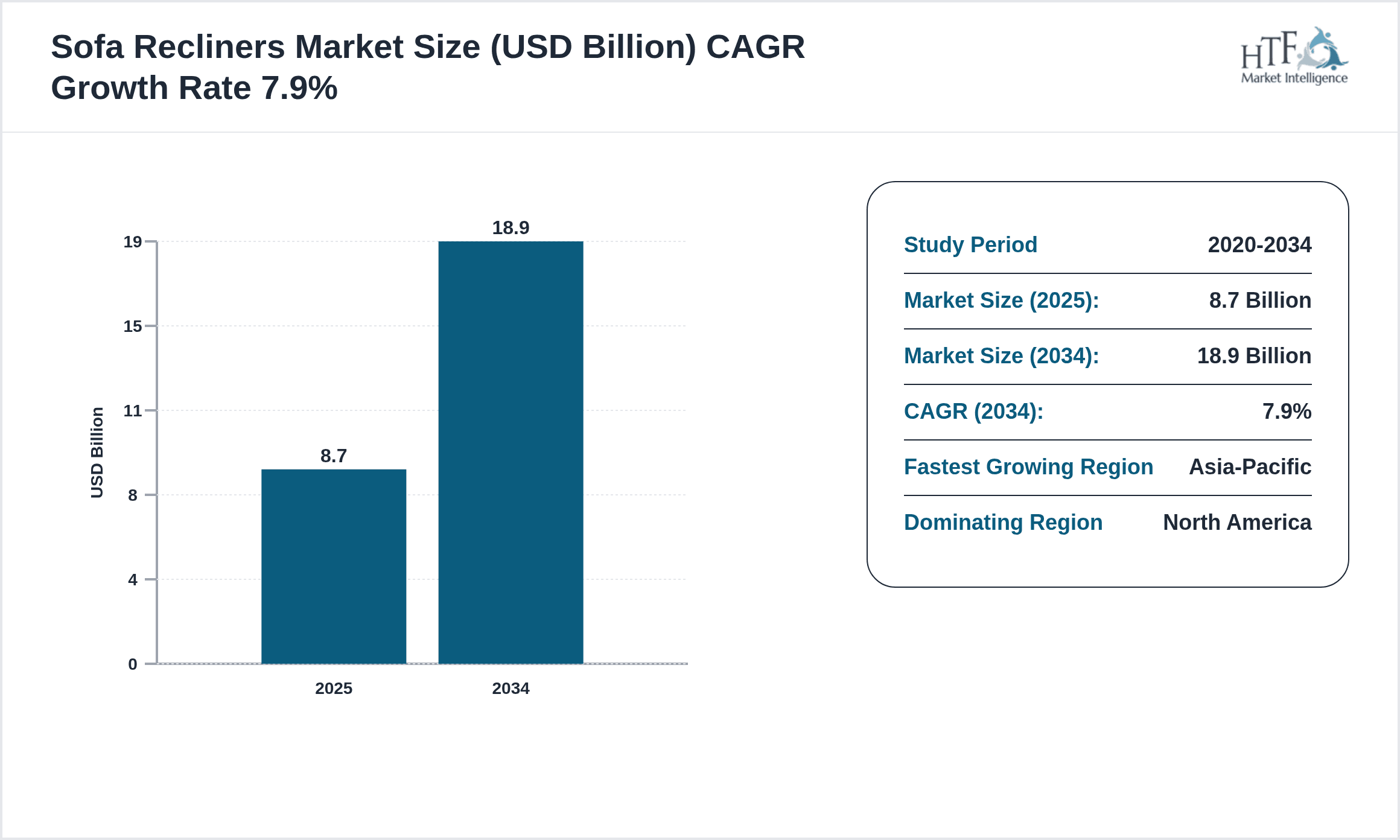
- •Key market highlights underscore a robust CAGR of 7.9% projected from 2024 to 2034, with the market size expanding from USD 8.7 Billion in 2024 to USD 18.9 Billion by 2034. North America leads the market in terms of revenue and adoption, owing to established furniture manufacturing hubs and high consumer spending on premium recliners. Meanwhile, Asia-Pacific is forecasted to exhibit the fastest growth rate driven by urbanization, increasing middle-class population, and rising demand for luxury home furnishings. Power recliners dominate the product segment due to their convenience and advanced features, whereas wall-hugger recliners show the highest growth potential attributed to space-saving designs suitable for compact living spaces. Residential applications account for the largest share, with commercial and healthcare sectors gaining prominence due to increased focus on ergonomic and therapeutic seating solutions.
- •The value proposition of the Global Sofa Recliners market lies in its ability to cater to diverse consumer needs through versatile product offerings that enhance comfort and lifestyle quality. The market holds strategic importance for furniture manufacturers, retailers, interior designers, and hospitality providers seeking to capitalize on increasing consumer preference for functional and stylish seating. Innovations in motorized recliners and sustainable material use align with evolving market trends, offering competitive advantages. Moreover, the sector contributes significantly to employment and economic growth in furniture manufacturing regions. Stakeholders benefit from expanding distribution channels including offline retail, e-commerce platforms, and specialty stores. The market’s growth trajectory is supported by rising awareness of health benefits associated with ergonomic seating, making it a critical segment within the global furniture industry landscape.
Competitive Landscape
The competitive environment of the Global Sofa Recliners market is characterized by intense rivalry among established multinational corporations and emerging regional players. Market leaders employ strategic approaches including innovation in design, use of advanced motorized technology, and incorporation of premium materials to differentiate their product offerings. Companies focus heavily on R&D to introduce features such as wireless remote controls, USB charging ports, and smart furniture integration to enhance user experience. Pricing strategies vary from premium positioning targeting luxury segments to cost-efficient models aimed at mass markets. Distribution channels are diversified across retail showrooms, online platforms, and exclusive brand outlets, improving market reach. Strategic partnerships, mergers, and acquisitions are common tactics to consolidate market share and expand geographically. Sustainability and eco-friendly manufacturing processes also play a growing role in competitive differentiation. Regional competition reflects localized consumer preferences, with companies tailoring products to specific market demands. Future competitive trends include increased adoption of digital marketing and customization options to build brand loyalty.
Leading Companies in Sofa Recliners Market
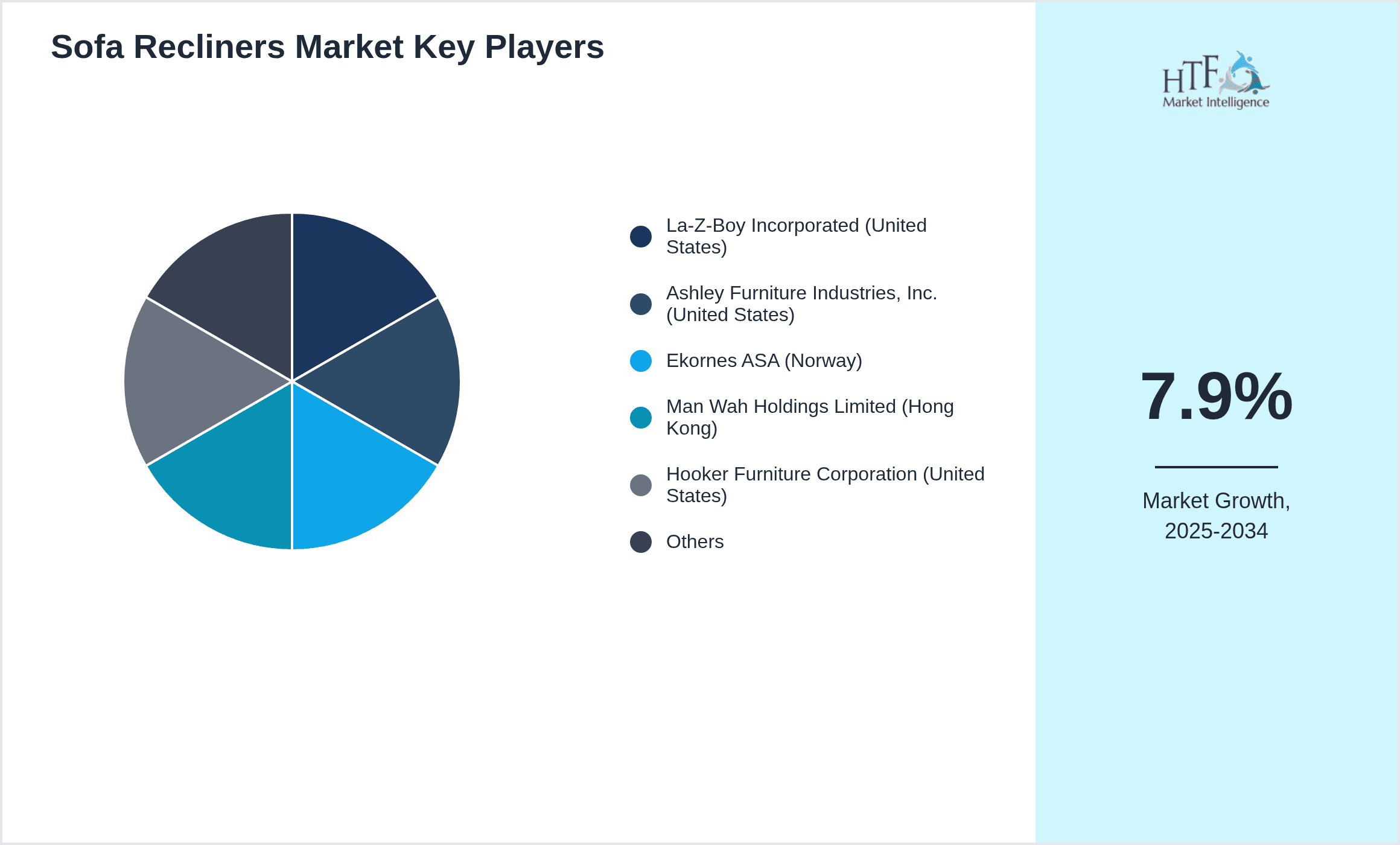
- •La-Z-Boy Incorporated (United States)
- •Ashley Furniture Industries, Inc. (United States)
- •Ekornes ASA (Norway)
- •Man Wah Holdings Limited (Hong Kong)
- •Hooker Furniture Corporation (United States)
- •Flexsteel Industries, Inc. (United States)
- •Natuzzi S.p.A. (Italy)
- •Restonic Corporation (United States)
- •Homelegance, LLC (United States)
- •HTL Group Limited (Australia)
- •Jardine Furniture Group (Hong Kong)
- •Kuka Home (China)
- •Therapedic International, Inc. (United States)
- •HNI Corporation (United States)
- •Hukla GmbH (Germany)
- •Morris Home USA (United States)
- •Ligne Roset (France)
- •Roche Bobois (France)
- •American Leather (United States)
- •Flexform S.p.A. (Italy)
- •Boconcept A/S (Denmark)
- •Furninova AB (Sweden)
- •Dorel Industries Inc. (Canada)
- •Southern Motion LLC (United States)
- •Bradington-Young Furniture (United States)
Market Breakdown
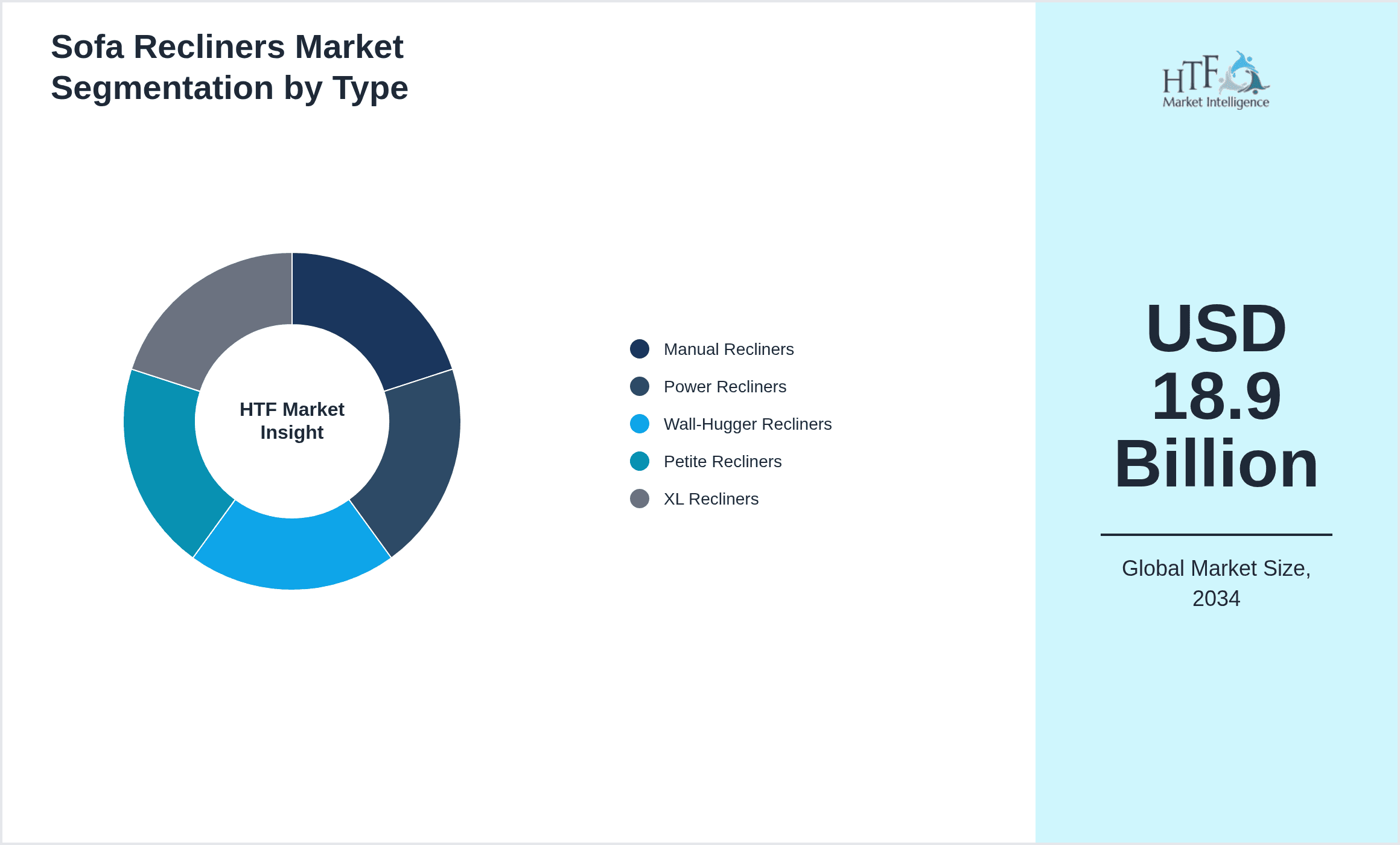
- •By Product Type
- ◦Manual Recliners
- ◦Power Recliners
- ◦Wall-Hugger Recliners
- ◦Petite Recliners
- ◦XL Recliners
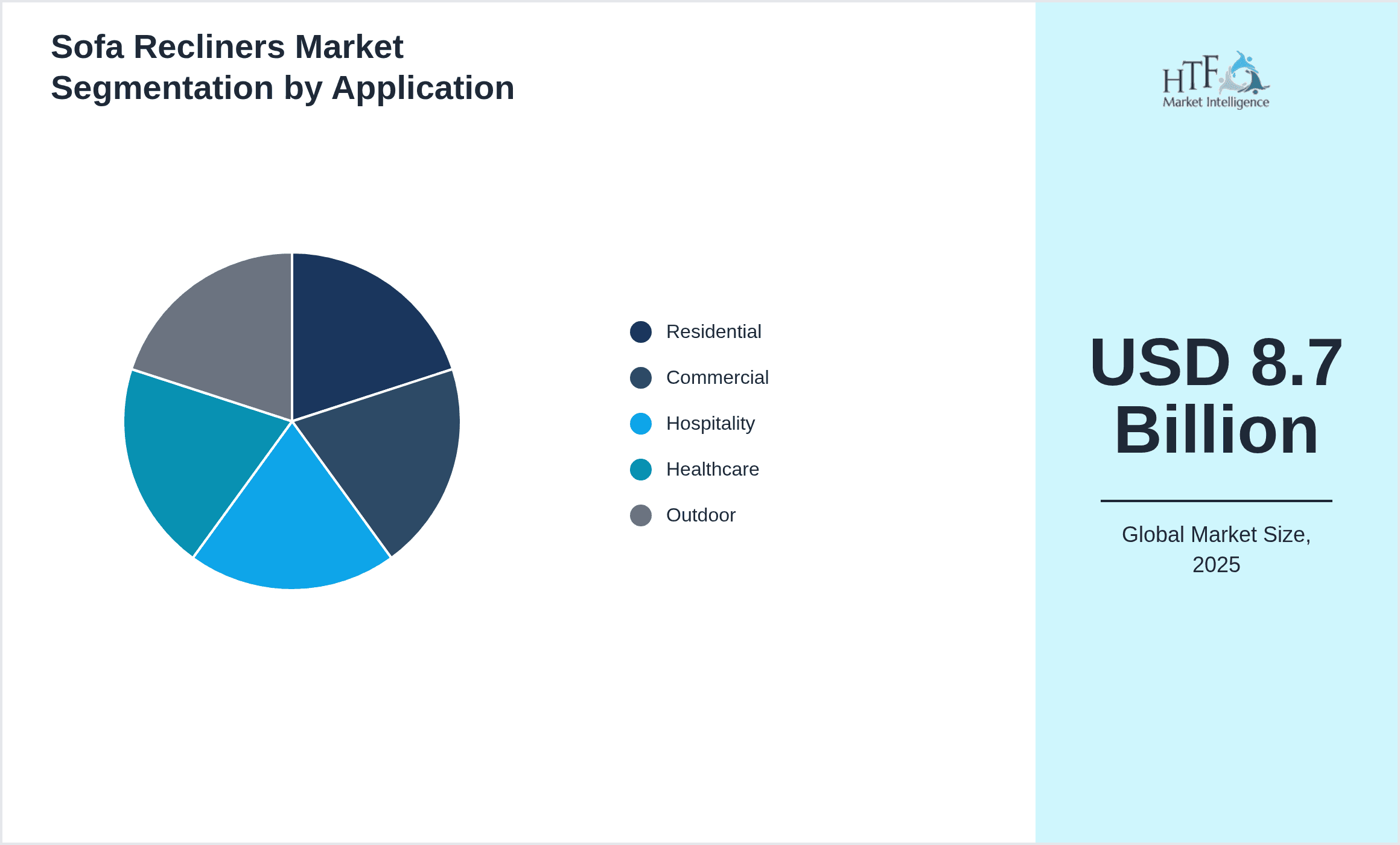
- •By Application
- ◦Residential
- ◦Commercial
- ◦Hospitality
- ◦Healthcare
- ◦Outdoor
- •By End-Use Industry
- ◦Home Furnishing
- ◦Hotels & Resorts
- ◦Hospitals & Clinics
- ◦Office & Corporate Spaces
- •By Distribution Channel
- ◦Offline Retail
- ◦Online Retail
- ◦Specialty Furniture Stores
Growth Dynamics
The Global Sofa Recliners market is propelled by increasing consumer preference for comfort-oriented furniture coupled with rising disposable incomes, especially in emerging economies. The proliferation of urban lifestyles and growing home renovation trends have accelerated demand for ergonomic seating solutions. Technological advancements in power recliners, such as motorized controls and integration with smart home systems, enhance user convenience and drive market expansion. Additionally, the aging global population fuels demand for healthcare applications of recliners that offer therapeutic benefits and support mobility. Retail expansion through e-commerce platforms enables wider consumer reach, facilitating market growth. Rising investments by manufacturers in R&D to develop innovative, space-saving recliners also contribute significantly. These factors collectively underpin a robust growth environment, positioning the market for sustained upward trajectory through 2034.
Market Trends
Current trends in the Global Sofa Recliners market include a shift towards sustainable and eco-friendly materials, reflecting heightened consumer environmental consciousness. The rise of smart recliners with integrated technology such as USB charging ports, wireless controls, and connectivity to home automation systems is reshaping product offerings. Customization and modular designs are gaining popularity, allowing consumers to tailor recliners to specific comfort and aesthetic preferences. Additionally, the market witnesses increased adoption of compact and multifunctional recliners to suit urban living spaces with limited area. Collaborations between furniture designers and technology firms have become more prevalent, fostering innovation. These trends signify a market evolving towards enhanced user experience, sustainability, and personalization.
Market Opportunities
Expanding urbanization in developing regions presents significant opportunities for growth in the sofa recliners market, as increasing middle-class populations seek premium home furnishings. The healthcare sector offers untapped potential through demand for recliners with therapeutic features targeting elderly and physically challenged individuals. E-commerce growth opens avenues for niche product lines and direct-to-consumer sales models, reducing traditional retail overheads. Technological integration, such as app-controlled recliners and IoT-enabled furniture, presents avenues for product differentiation. Strategic partnerships with hospitality chains can bolster market penetration in luxury hotel segments. Additionally, rising awareness about ergonomic benefits creates opportunities for educational marketing campaigns to drive adoption. These factors collectively offer fertile ground for innovation and market expansion.
Market Challenges
The Global Sofa Recliners market faces challenges including high production costs associated with advanced motorized recliners, which can limit affordability for price-sensitive consumers. Supply chain disruptions and raw material price volatility impact manufacturing continuity and cost structures. Regulatory compliance related to safety and environmental standards varies across regions, complicating global market operations. Intense competition from low-cost manufacturers in emerging economies puts pressure on established players to optimize pricing without compromising quality. Additionally, shifting consumer preferences require constant innovation, demanding significant investment in R&D. The bulky nature of recliners poses logistical challenges in distribution and warehousing. Finally, economic uncertainties and fluctuating consumer spending patterns may affect demand, necessitating adaptive strategies by market participants.
Regulatory Framework
Between 2019 and 2024, the Global Sofa Recliners market has seen increasing regulatory emphasis on product safety standards, including certifications for electrical components in power recliners to prevent hazards. Environmental regulations have intensified, mandating manufacturers to reduce volatile organic compound (VOC) emissions from upholstery materials and adopt sustainable sourcing of raw materials. In North America and Europe, compliance with stringent fire retardancy standards for furniture upholstery is compulsory, impacting material selection and manufacturing processes. Additionally, regulations concerning end-of-life furniture disposal and recycling have been strengthened to promote circular economy practices. Governments have introduced labeling requirements to inform consumers about product safety and environmental impact. These regulatory developments necessitate ongoing compliance efforts and innovation from manufacturers to align products with evolving standards, ensuring market access and consumer trust.
Market Intelligence
- •15th March 2024, La-Z-Boy Incorporated launched its latest power recliner model featuring a next-generation whisper-quiet motor system and integrated USB charging ports, targeting tech-savvy consumers seeking enhanced comfort and connectivity. The new product includes customizable memory settings for personalized recline positions and a sleek, modern design that appeals to urban dwellers. This launch aims to reinforce La-Z-Boy’s market leadership by combining innovation with ergonomic excellence, expected to boost sales particularly in North America and Asia-Pacific regions. Strategic marketing campaigns accompanied the launch to emphasize user convenience and stylish aesthetics. Source: Official La-Z-Boy press release.
- •22nd November 2023, Man Wah Holdings Limited unveiled a wall-hugger recliner series designed specifically for compact living spaces common in metropolitan areas. Incorporating space-saving engineering and premium upholstery, the line addresses increasing demand in Asia-Pacific urban markets. The company’s innovation reduces recliner footprint without compromising user comfort, supporting growing trends towards multifunctional furniture. This product launch is part of Man Wah’s broader strategy to expand its presence in high-growth regions and capitalize on rising consumer preference for ergonomic yet space-efficient furniture. Source: Man Wah Holdings corporate announcement.
- •Recent market developments and strategic initiatives are continuously tracked through industry publications, company announcements, and regulatory filings. For the most current information, stakeholders are advised to monitor official corporate communications and recognized market intelligence platforms.
- •Recent market developments and strategic initiatives are continuously tracked through industry publications, company announcements, and regulatory filings. For the most current information, stakeholders are advised to monitor official corporate communications and recognized market intelligence platforms.
Regional Outlook
The North America currently holds a significant share of the market, primarily due to several key factors: increasing consumption rates, a burgeoning population, and robust economic momentum. These elements collectively drive demand, positioning this region as a leader in the market. On the other hand, Asia-Pacific is rapidly emerging as the fastest-growing area within the industry. This remarkable growth can be attributed to swift infrastructure development, the expansion of various industrial sectors, and a marked increase in consumer demand. These dynamics make this region a crucial player in shaping future market growth.
In our report, we cover a comprehensive analysis of the following regions and countries:
- North America
- LATAM
- West Europe
- Central & Eastern Europe
- Northern Europe
- Southern Europe
- East Asia
- Southeast Asia
- South Asia
- Central Asia
- Oceania
- MEA
| Feature | Details |
|---|---|
| Base Year Market Size | USD 8.7 Billion |
| Forecast Year Market Size | USD 18.9 Billion |
| CAGR | 7.9% |
| Forecast Period | 2026 to 2033 |
| YoY Growth | 7.6% |
| Scope of Report | Market is segmented by Product Type (Manual Recliners, Power Recliners, Wall-Hugger Recliners, Petite Recliners, XL Recliners), Application (Residential, Commercial, Hospitality, Healthcare, Outdoor), End-Use Industry (Home Furnishing, Hotels & Resorts, Hospitals & Clinics, Office & Corporate Spaces), Distribution Channel (Offline Retail, Online Retail, Specialty Furniture Stores) |
| Regions Covered | North America, LATAM, West Europe, Central & Eastern Europe, Northern Europe, Southern Europe, East Asia, Southeast Asia, South Asia, Central Asia, Oceania, MEA |
| Key Companies | La-Z-Boy Incorporated (United States), Ashley Furniture Industries, Inc. (United States), Ekornes ASA (Norway), Man Wah Holdings Limited (Hong Kong), Hooker Furniture Corporation (United States), Flexsteel Industries, Inc. (United States), Natuzzi S.p.A. (Italy), Restonic Corporation (United States), Homelegance, LLC (United States), HTL Group Limited (Australia), Jardine Furniture Group (Hong Kong), Kuka Home (China), Therapedic International, Inc. (United States), HNI Corporation (United States), Hukla GmbH (Germany), Morris Home USA (United States), Ligne Roset (France), Roche Bobois (France), American Leather (United States), Flexform S.p.A. (Italy), Boconcept A/S (Denmark), Furninova AB (Sweden), Dorel Industries Inc. (Canada), Southern Motion LLC (United States), Bradington-Young Furniture (United States) |
Global Sofa Recliners Market Size, Growth & Revenue 2024-2034 - Table of Contents
Research enthusiast focused on transforming data uncovering into actionable insights through data-driven decision-making.
Frequently Asked Questions (FAQ):
The Market market is projected to grow at a steady CAGR from 2025 to 2030, driven by increasing demand and expansion in various applications.
North America currently leads the market, followed by Europe and Asia-Pacific.
Key growth drivers include increasing activities, rising demand for innovative solutions, technological advancements, and growing preference for efficient products.