
Global Rice Crisps Market Size, Growth & Revenue 2024-2034
Global Rice Crisps Market is segmented by Product Type (Plain Rice Crisps, Flavored Rice Crisps, Organic Rice Crisps, Multigrain Rice Crisps, Gluten-Free Rice Crisps), Application (Snacking, Ready-to-Eat Meals, Breakfast Cereals, Foodservice, Others), End-Use Industry (Retail, Foodservice, Institutional, Online Retail), Distribution Channel (Supermarkets/Hypermarkets, Convenience Stores, E-commerce), and Geography (North America, LATAM, West Europe, Central & Eastern Europe, Northern Europe, Southern Europe, East Asia, Southeast Asia, South Asia, Central Asia, Oceania, MEA)
Pricing
Report Overview
Executive Summary
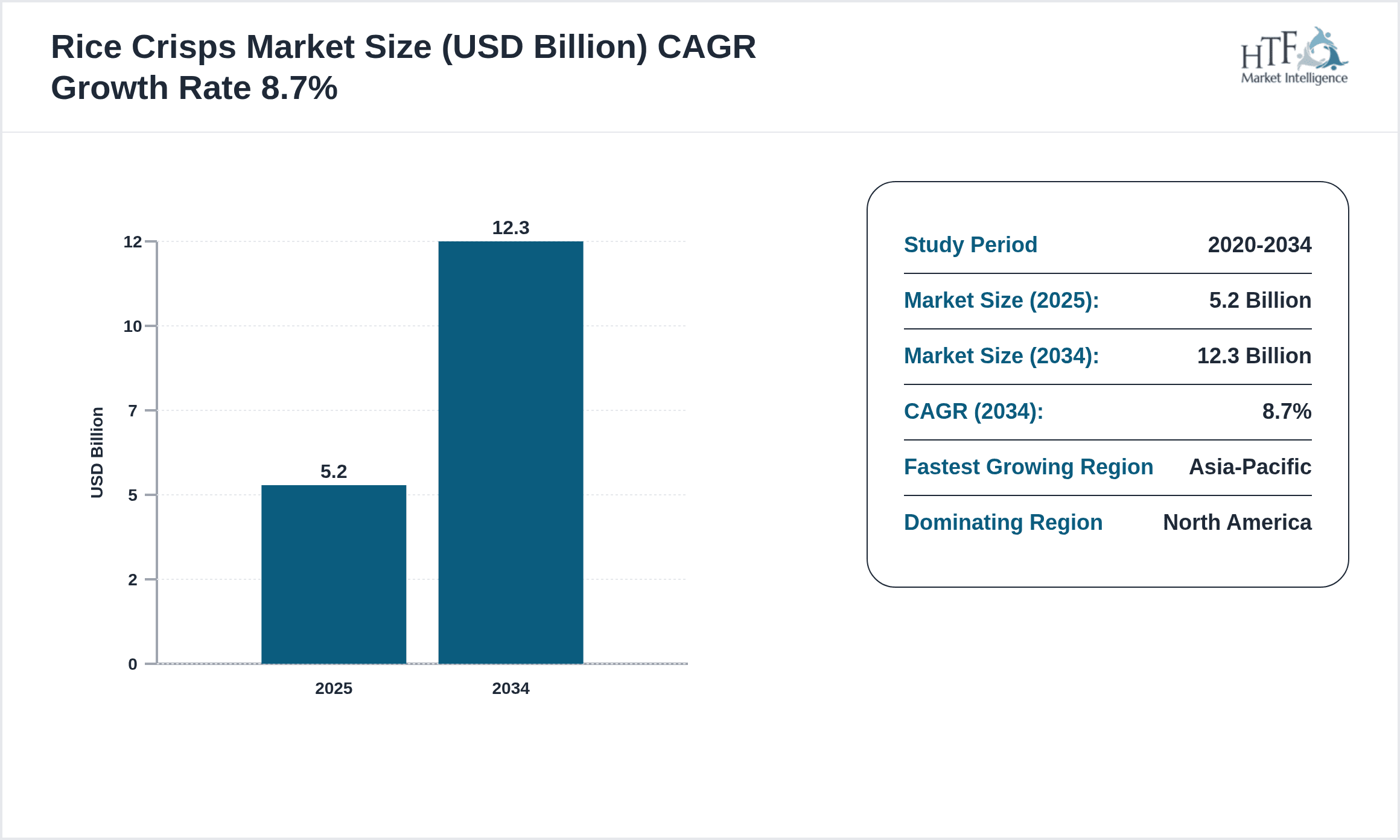
- •The Global Rice Crisps Market is a dynamic segment of the broader snack foods industry, characterized by rice-based crispy snacks designed for a variety of consumer needs and preferences. The market includes multiple product types such as plain, flavored, organic, multigrain, and gluten-free rice crisps, which cater to growing health-conscious trends and evolving taste profiles across continents. Applications range from traditional snacking to incorporation in ready-to-eat meals and breakfast cereals, serving both retail consumers and institutional foodservice sectors. Demand drivers include rising urbanization, increasing disposable incomes, and expanding awareness regarding gluten-free and organic snack options. The market operates within a complex ecosystem involving ingredient sourcing, manufacturing innovation, distribution logistics, and regulatory compliance. Geographically, the market spans North America, Europe, Asia-Pacific, Latin America, and the Middle East & Africa, each demonstrating unique consumption patterns and growth trajectories. Technological advancements in flavor development, packaging, and product diversification are significant contributors to market expansion. Competitive intensity is high with a mix of multinational corporations and regional players investing in product innovation and market penetration strategies. Overall, the market is forecast to grow robustly from USD 5.2 billion in 2024 to USD 12.3 billion by 2034, driven by consumer shifts towards healthier snacks and convenience foods.
- •Key market highlights include a projected CAGR of 8.7% between 2024 and 2034, reflecting accelerating consumer demand and product innovation. The flavored rice crisps segment currently dominates the product type category, accounting for the largest revenue share due to its wide consumer appeal and variety of taste options. Organic rice crisps are identified as the fastest-growing product type, fueled by increasing health awareness and premiumization trends. North America leads the regional market share, benefiting from established distribution networks and high consumer spending on snacks, while Asia-Pacific emerges as the fastest-growing region, propelled by rising urban populations and expanding middle-class consumers. The snacking application remains the primary consumption driver, supported by lifestyle changes favoring convenient and portable food options. Market players are strategically focusing on product diversification, sustainable sourcing, and expansion into emerging markets to capitalize on growth opportunities.
- •The rice crisps market offers significant value propositions to stakeholders across the supply chain, including manufacturers, distributors, retailers, and consumers. For manufacturers, innovation in flavor profiles, organic and gluten-free formulations, and advanced packaging provides competitive differentiation and access to niche markets. Distributors and retailers benefit from increased consumer demand for healthier and convenient snack options, enabling expanded product assortments and higher turnover rates. Consumers gain access to diverse rice crisps that align with dietary preferences, lifestyle needs, and cultural tastes, enhancing their snacking experience. Furthermore, the market's strategic importance is underscored by its alignment with global trends towards clean label products, sustainability, and functional foods. These factors collectively position the rice crisps market as a high-potential segment within the global snack foods industry, attracting continuous investment and innovation.
Competitive Landscape
The competitive environment in the global rice crisps market is characterized by intense rivalry among multinational corporations and regional manufacturers striving for market share through innovation, brand differentiation, and geographic expansion. Companies are adopting strategies such as product line extensions, introduction of organic and gluten-free variants, and strategic partnerships to cater to evolving consumer preferences. Innovation approaches focus on flavor development, healthier ingredient blends, and sustainable packaging solutions to enhance product appeal and comply with regulatory standards. Market positioning varies with established players leveraging strong distribution networks and brand equity, while emerging companies focus on niche segments and local tastes. Mergers and acquisitions play a crucial role in consolidating market presence and expanding product portfolios. Pricing strategies are competitive yet mindful of quality perceptions, and distribution channels are diversified across retail, e-commerce, and foodservice sectors. Regional competition is shaped by cultural preferences and regulatory frameworks, influencing product adaptation and marketing tactics. Looking forward, competitive trends indicate increased emphasis on sustainability, digital marketing, and consumer engagement to maintain relevance and growth momentum in this dynamic market.
Leading Companies in Rice Crisps Market
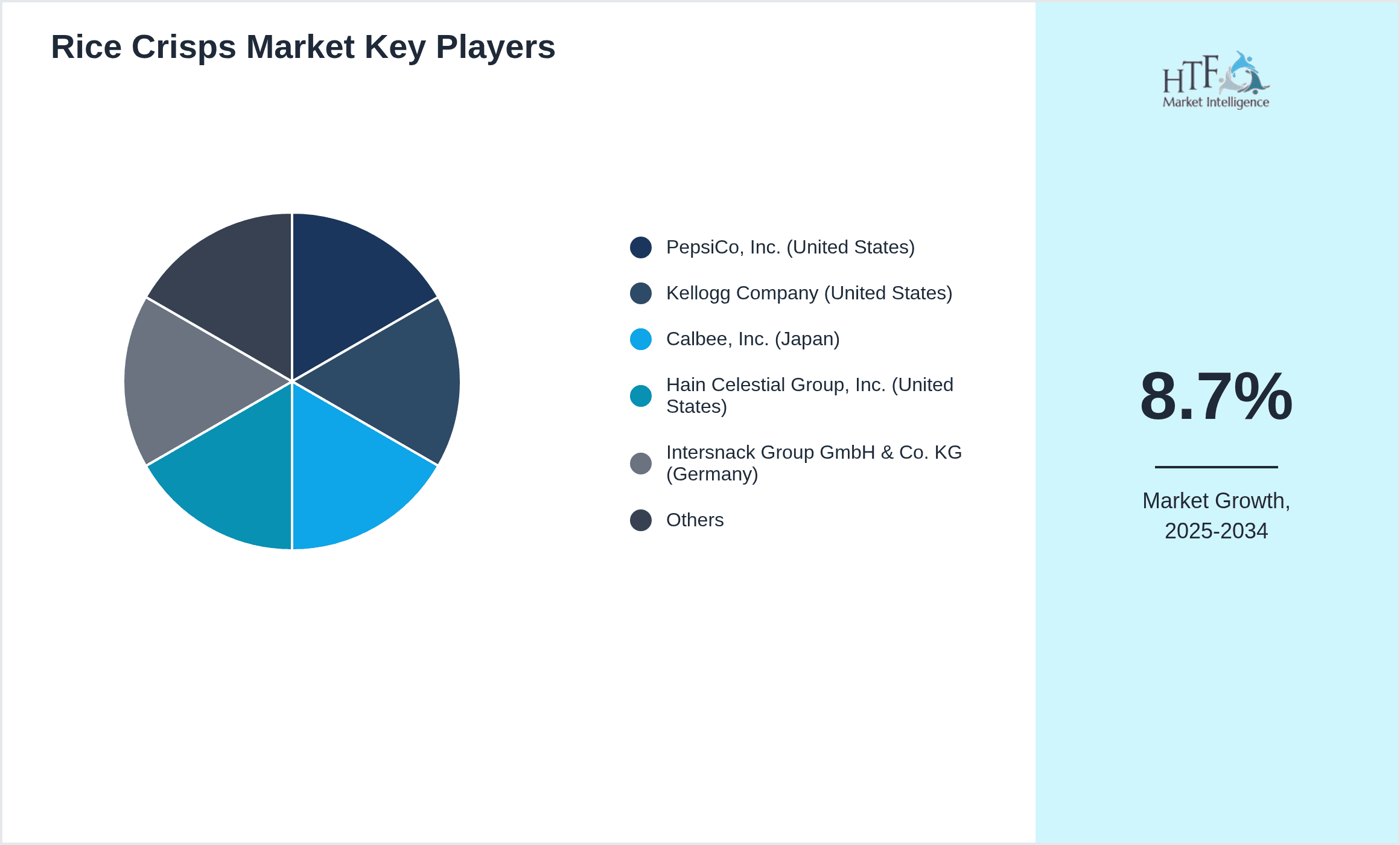
- •PepsiCo, Inc. (United States)
- •Kellogg Company (United States)
- •Calbee, Inc. (Japan)
- •Hain Celestial Group, Inc. (United States)
- •Intersnack Group GmbH & Co. KG (Germany)
- •Kameda Seika Co., Ltd. (Japan)
- •Lorenz Snack-World GmbH & Co. KG (Germany)
- •The Hershey Company (United States)
- •Bingo Snacks (India)
- •Wonderful Pistachios & Almonds (United States)
- •Snack Alliance (United States)
- •Angie's Artisan Treats (United States)
- •Frito-Lay India Pvt. Ltd. (India)
- •Munchy Food Industries Sdn Bhd (Malaysia)
- •Tingyi (Cayman Islands) Holding Corp. (China)
- •MTR Foods Pvt Ltd (India)
- •Yamamotoyama Co., Ltd. (Japan)
- •Pejoy Co., Ltd. (South Korea)
- •B&G Foods, Inc. (United States)
- •Snyder's-Lance, Inc. (United States)
- •Nissin Foods Holdings Co., Ltd. (Japan)
- •Calbee North America, Inc. (United States)
- •Osem Group (Israel)
- •Sunshine Biscuits Ltd. (India)
- •United Biscuits (United Kingdom)
Market Breakdown
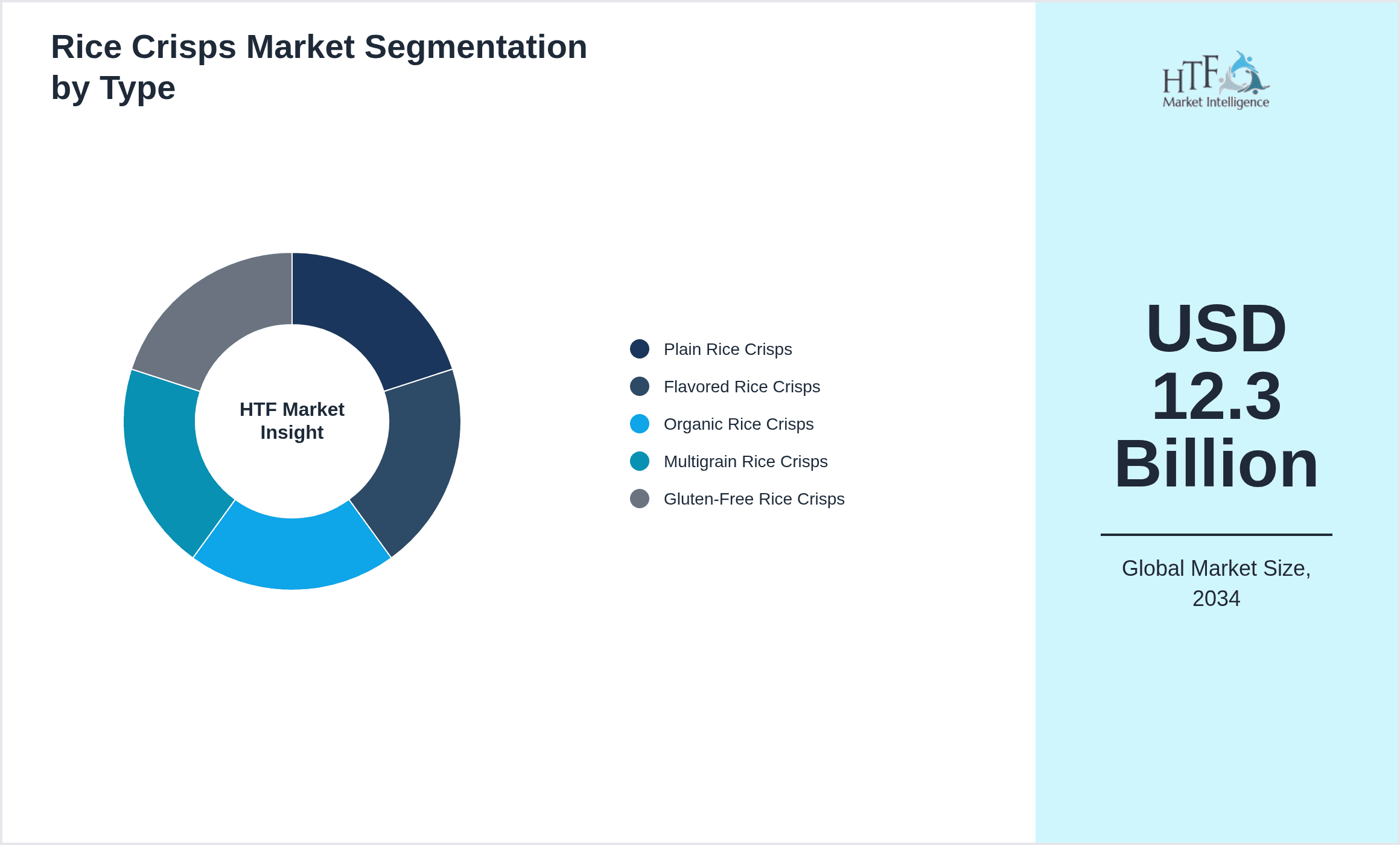
- •By Product Type
- ◦Plain Rice Crisps
- ◦Flavored Rice Crisps
- ◦Organic Rice Crisps
- ◦Multigrain Rice Crisps
- ◦Gluten-Free Rice Crisps
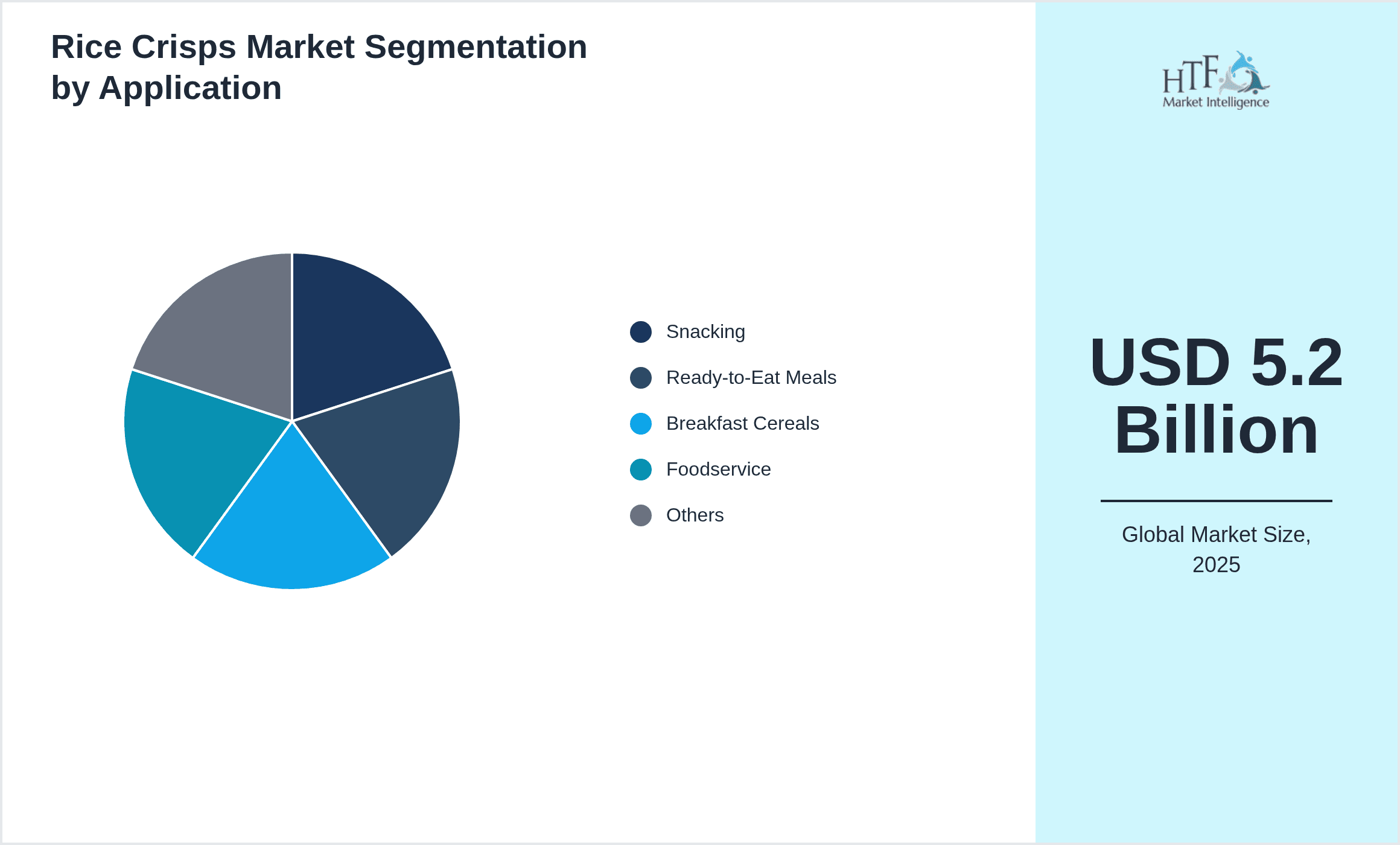
- •By Application
- ◦Snacking
- ◦Ready-to-Eat Meals
- ◦Breakfast Cereals
- ◦Foodservice
- ◦Others
- •By End-Use Industry
- ◦Retail
- ◦Foodservice
- ◦Institutional
- ◦Online Retail
- •By Distribution Channel
- ◦Supermarkets/Hypermarkets
- ◦Convenience Stores
- ◦E-commerce
Growth Dynamics
- •Rising health consciousness among consumers globally is a significant growth driver, with increasing demand for gluten-free, organic, and multigrain rice crisps providing healthier snacking alternatives. This trend is bolstered by greater awareness of dietary restrictions and preference for natural ingredients.
- •Urbanization and busier lifestyles are fueling demand for convenient and portable snack options such as rice crisps, especially among younger demographics and working professionals seeking quick yet nutritious food choices.
- •Innovation in flavor development and product variety by major market players is driving consumer interest, allowing companies to cater to diverse palate preferences and regional taste profiles, thereby expanding market penetration.
- •Expansion of modern retail channels and e-commerce platforms worldwide is improving accessibility and availability of rice crisps, enabling greater product reach and supporting market growth across both developed and emerging economies.
- •Government initiatives promoting healthier food options and regulations favoring clean label products are encouraging manufacturers to reformulate and innovate, enhancing market attractiveness and consumer trust.
Market Trends
- •There is an increasing trend towards clean-label and organic rice crisps, reflecting consumer preferences for transparency and natural ingredients in snack foods. This shift is influencing product formulations and marketing strategies globally.
- •Sustainability and environmentally friendly packaging are becoming critical trends, with companies investing in recyclable and biodegradable materials to reduce environmental impact and attract eco-conscious consumers.
- •The rise of plant-based diets is driving demand for rice crisps as a vegan-friendly snack option, encouraging manufacturers to innovate with plant-derived flavors and additives.
- •Integration of digital marketing and social media campaigns is reshaping consumer engagement, allowing brands to build stronger connections and enhance brand loyalty among the millennial and Gen Z populations.
- •Collaborations between snack manufacturers and health food brands are emerging to co-develop fortified rice crisps that offer added nutritional benefits, catering to functional food trends.
Market Opportunities
- •Expanding into emerging markets with rising disposable incomes and changing dietary habits presents significant growth potential for rice crisps manufacturers, particularly in Asia-Pacific and Latin America regions.
- •Development of novel flavors and product formats tailored to regional tastes can help companies differentiate their offerings and capture niche consumer segments globally.
- •Investment in organic and gluten-free product lines offers opportunities to capitalize on the growing health and wellness market segment, meeting increasing consumer demand for specialized snacks.
- •Leveraging e-commerce and direct-to-consumer sales channels can provide enhanced market access and personalized marketing, improving customer reach and retention.
- •Strategic partnerships with foodservice providers and retailers can facilitate product innovation and broaden distribution networks, fostering sustainable market expansion.
Market Challenges
- •Volatility in raw material prices, particularly rice and flavoring agents, poses cost pressures on manufacturers, affecting pricing strategies and profitability margins in the rice crisps market.
- •Stringent regulatory requirements related to food safety, labeling, and health claims necessitate continuous compliance efforts, increasing operational complexity and costs for market participants.
- •High competition from alternative snacks such as potato chips, corn-based snacks, and nuts challenges rice crisps manufacturers to maintain consumer interest and market share.
- •Consumer skepticism regarding processed snack foods’ health benefits requires transparent communication and validation, compelling companies to invest in quality assurance and certifications.
- •Supply chain disruptions affecting ingredient sourcing and logistics can impact production continuity and market availability, especially in regions with infrastructural constraints.
Regulatory Framework
- •Between 2019 and 2024, multiple countries have enhanced food safety regulations mandating rigorous testing for contaminants and allergens in rice crisps, leading to improved product quality and consumer safety.
- •Labeling laws have been tightened globally, requiring clear disclosure of ingredients, nutritional information, and potential allergens, compelling manufacturers to update packaging and marketing materials accordingly.
- •Environmental regulations enacted in various regions have driven adoption of sustainable packaging solutions, with mandates to reduce single-use plastics influencing product packaging innovations.
- •In the European Union and North America, regulatory bodies have introduced guidelines for health claims on snack products, ensuring that advertisements and labels are substantiated with scientific evidence.
- •Government initiatives promoting organic agriculture and non-GMO food products have supported market growth by incentivizing organic rice crisps production and certification processes.
Market Intelligence
- •15th February 2025, PepsiCo, Inc. launched a new line of organic rice crisps featuring innovative flavors such as turmeric and black pepper, targeting health-conscious consumers in North America and Europe. The product incorporates sustainably sourced rice and biodegradable packaging, aligning with rising environmental concerns. This launch aims to strengthen PepsiCo’s position in the premium snack segment while catering to the growing demand for clean-label snacks globally. The company plans to expand distribution through major retail chains and e-commerce platforms to maximize reach and consumer engagement. Source: Official PepsiCo Press Release
- •22nd January 2025, Calbee, Inc. introduced a multigrain rice crisps variant enriched with fiber and protein targeted at the Asia-Pacific market. This product innovation responds to increasing consumer interest in functional snacks that support digestive health and weight management. Calbee’s new offering leverages advanced extrusion technology to maintain crispiness while enhancing nutritional content. The launch was supported by a comprehensive digital campaign focused on millennials and urban professionals. This strategic move is expected to boost Calbee’s market share in the growing health-focused snack category. Source: Calbee Corporate Announcement
- •30th March 2025, Hain Celestial Group, Inc. expanded its rice crisps portfolio with the acquisition of a regional organic snack manufacturer in Europe. This strategic acquisition enables Hain Celestial to broaden its organic product offerings and strengthen its footprint in the European market. The acquired company specializes in gluten-free rice crisps with unique regional flavors, complementing Hain Celestial’s existing product range. The deal is projected to enhance synergies in production, distribution, and marketing, positioning the group for accelerated growth in the organic snacks segment. Source: Hain Celestial Investor Relations
- •10th April 2025, Intersnack Group GmbH & Co. KG announced a partnership with a leading e-commerce platform to launch exclusive rice crisps products in the Latin American market. This collaboration aims to leverage digital retail growth and consumer preferences for convenient, healthy snacks. The partnership includes joint marketing initiatives and co-branded product development, focusing on popular flavors adapted for local tastes. This move is expected to increase Intersnack’s market penetration and brand visibility in a rapidly growing region. Source: Intersnack Corporate News
Regional Outlook
The North America currently holds a significant share of the market, primarily due to several key factors: increasing consumption rates, a burgeoning population, and robust economic momentum. These elements collectively drive demand, positioning this region as a leader in the market. On the other hand, Asia-Pacific is rapidly emerging as the fastest-growing area within the industry. This remarkable growth can be attributed to swift infrastructure development, the expansion of various industrial sectors, and a marked increase in consumer demand. These dynamics make this region a crucial player in shaping future market growth.
In our report, we cover a comprehensive analysis of the following regions and countries:
- North America
- LATAM
- West Europe
- Central & Eastern Europe
- Northern Europe
- Southern Europe
- East Asia
- Southeast Asia
- South Asia
- Central Asia
- Oceania
- MEA
| Feature | Details |
|---|---|
| Base Year Market Size | USD 5.2 Billion |
| Forecast Year Market Size | USD 12.3 Billion |
| CAGR | 8.7% |
| Forecast Period | 2026 to 2033 |
| YoY Growth | 8.3% |
| Scope of Report | Market is segmented by Product Type (Plain Rice Crisps, Flavored Rice Crisps, Organic Rice Crisps, Multigrain Rice Crisps, Gluten-Free Rice Crisps), Application (Snacking, Ready-to-Eat Meals, Breakfast Cereals, Foodservice, Others), End-Use Industry (Retail, Foodservice, Institutional, Online Retail), Distribution Channel (Supermarkets/Hypermarkets, Convenience Stores, E-commerce) |
| Regions Covered | North America, LATAM, West Europe, Central & Eastern Europe, Northern Europe, Southern Europe, East Asia, Southeast Asia, South Asia, Central Asia, Oceania, MEA |
| Key Companies | PepsiCo, Inc. (United States), Kellogg Company (United States), Calbee, Inc. (Japan), Hain Celestial Group, Inc. (United States), Intersnack Group GmbH & Co. KG (Germany), Kameda Seika Co., Ltd. (Japan), Lorenz Snack-World GmbH & Co. KG (Germany), The Hershey Company (United States), Bingo Snacks (India), Wonderful Pistachios & Almonds (United States), Snack Alliance (United States), Angie's Artisan Treats (United States), Frito-Lay India Pvt. Ltd. (India), Munchy Food Industries Sdn Bhd (Malaysia), Tingyi (Cayman Islands) Holding Corp. (China), MTR Foods Pvt Ltd (India), Yamamotoyama Co., Ltd. (Japan), Pejoy Co., Ltd. (South Korea), B&G Foods, Inc. (United States), Snyder's-Lance, Inc. (United States), Nissin Foods Holdings Co., Ltd. (Japan), Calbee North America, Inc. (United States), Osem Group (Israel), Sunshine Biscuits Ltd. (India), United Biscuits (United Kingdom) |
Global Rice Crisps Market Size, Growth & Revenue 2024-2034 - Table of Contents
Frequently Asked Questions (FAQ):
The Compact Track Loaders market is expected to see value worth 5.3 Billion in 2025.
North America currently leads the market with approximately 45% market share, followed by Europe at 28% and Asia-Pacific at 22%. The remaining regions account for 5% of the global market.
Key growth drivers include increasing construction activities, rising demand for versatile equipment in agriculture, technological advancements in track loader design, and growing preference for compact equipment in urban construction projects.