
Global Single-Child Stroller Market Size, Growth & Revenue 2024-2034
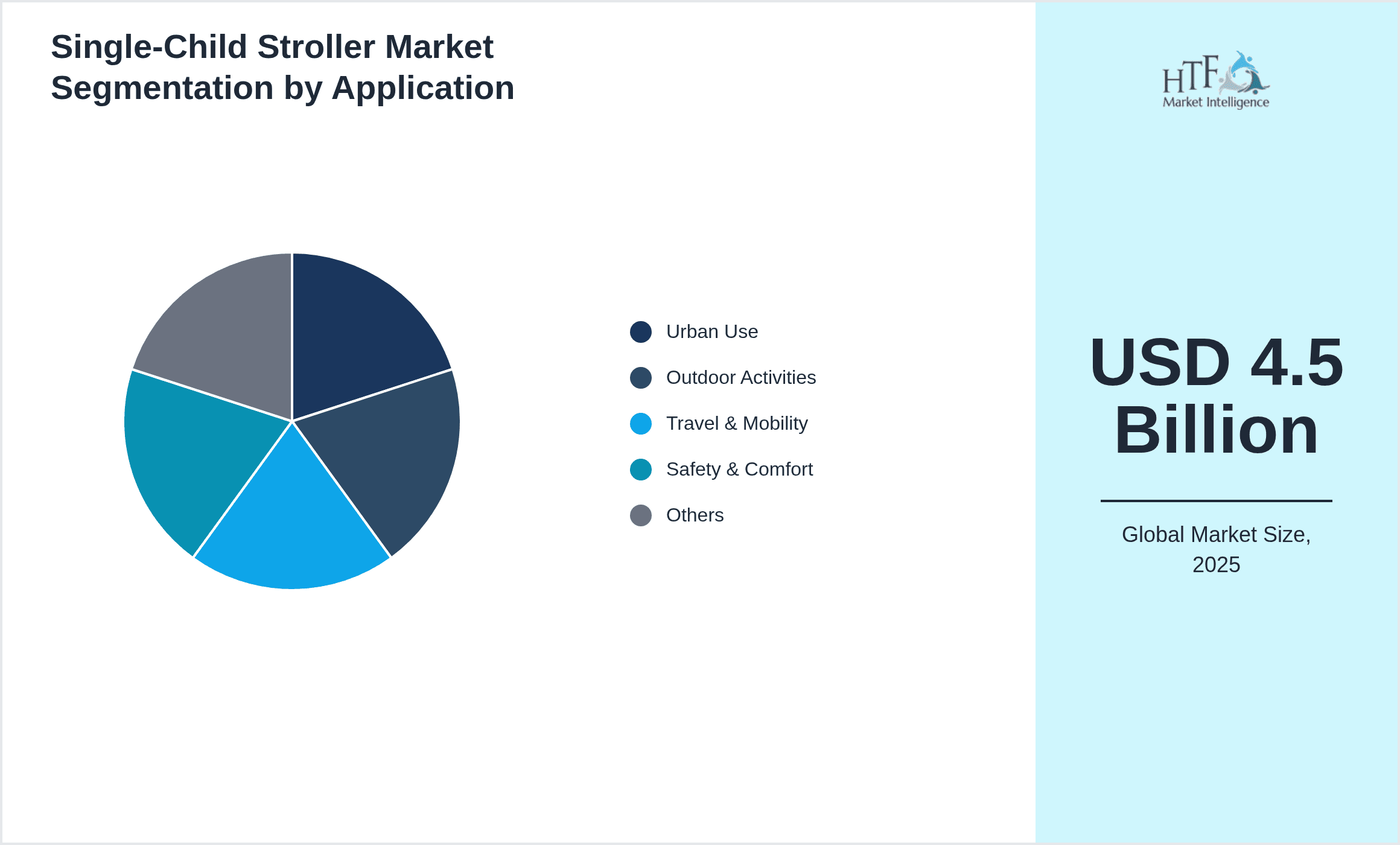
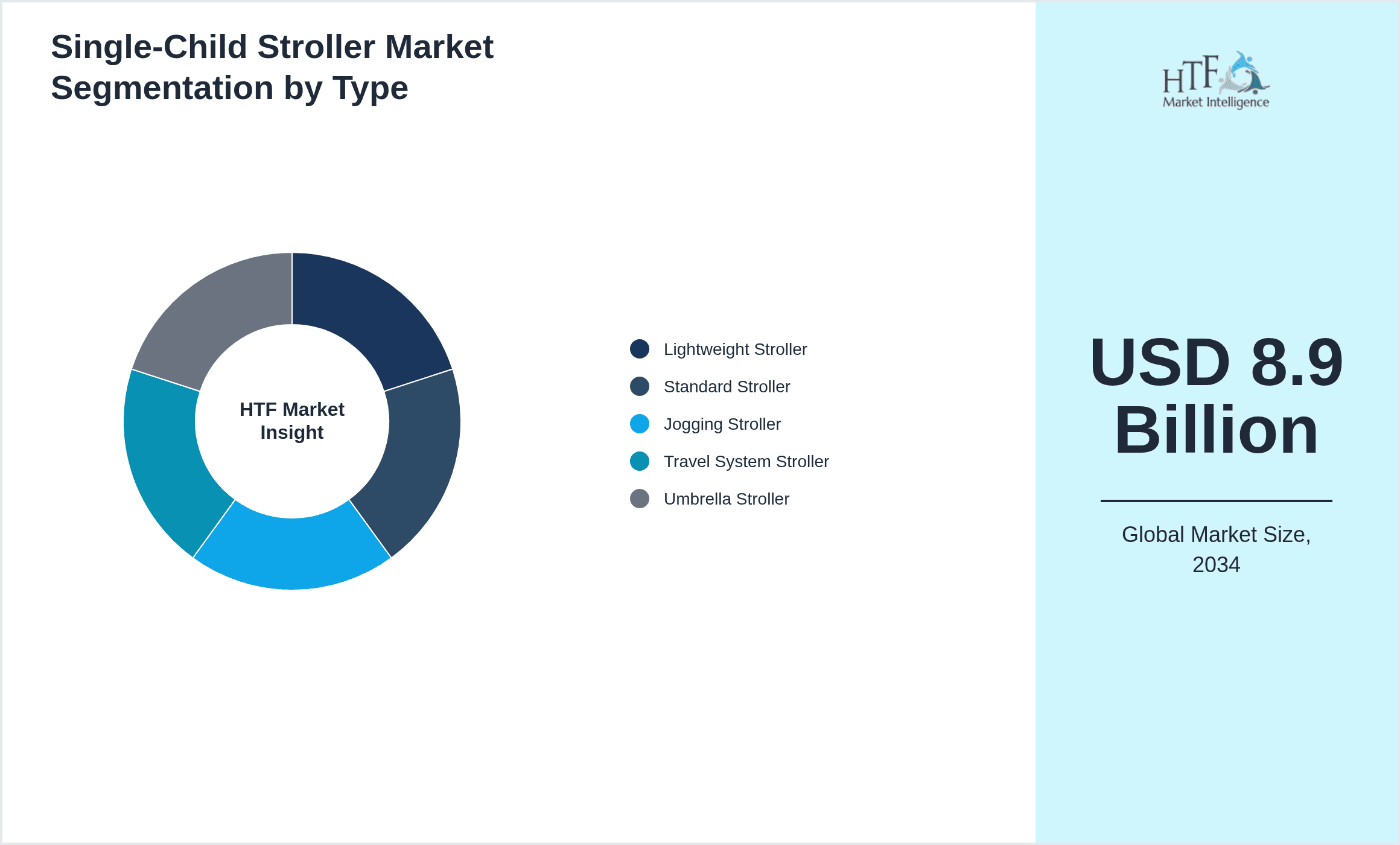
Global Single-Child Stroller Market is segmented by Product Type (Lightweight Stroller, Standard Stroller, Jogging Stroller, Travel System Stroller, Umbrella Stroller), Application (Urban Use, Outdoor Activities, Travel & Mobility, Safety & Comfort, Others), End-Use Industry (Retail Consumers, Childcare Centers, Hospitals and Clinics, Rental Services), Distribution Channel (Specialty Baby Stores, Online Retail, Mass Merchandisers), and Geography (North America, LATAM, West Europe, Central & Eastern Europe, Northern Europe, Southern Europe, East Asia, Southeast Asia, South Asia, Central Asia, Oceania, MEA)
Pricing
Report Overview
Executive Summary
- •The Global Single-Child Stroller Market represents a specialized segment within the infant and toddler mobility solutions industry, focusing on strollers designed for one child use. This market covers a broad spectrum of stroller types including lightweight, standard, jogging, travel systems, and umbrella strollers, each providing distinct functionalities to accommodate diverse consumer needs. Applications span from urban daily commuting, outdoor recreational activities, travel convenience to enhanced safety and ergonomic comfort. The market is driven by rising birth rates in emerging economies, increasing parental awareness about child safety, and technological innovations enhancing stroller features such as foldability, durability, and multifunctionality. Manufacturers are investing in sustainable materials and smart stroller technologies, responding to evolving consumer lifestyle preferences. Geographically, the market captures significant demand across North America, Europe, and Asia-Pacific, shaped by urbanization and increasing disposable income. The industry faces competitive pressures with key players focusing on product differentiation, brand loyalty, and expanding distribution channels globally. This comprehensive overview highlights the market’s growth potential, evolving regulatory frameworks, and strategic importance for stakeholders globally.
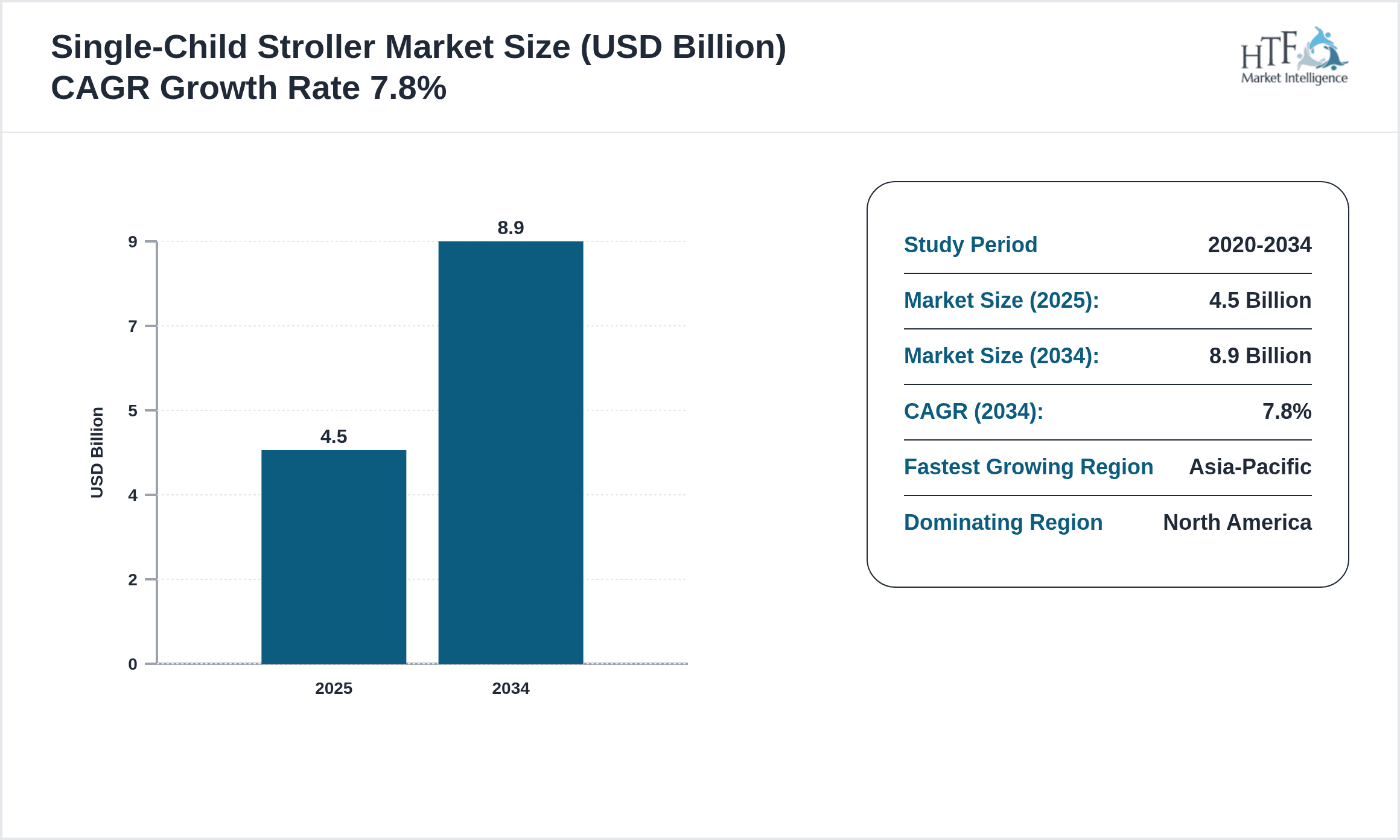
- •Key market highlights include a forecasted CAGR of 7.8% from 2025 to 2034, with the market size expected to nearly double from USD 4.5 Billion in 2025 to USD 8.9 Billion by 2034. The standard stroller segment currently dominates the market, accounting for the largest share due to its versatile design and broad consumer acceptance. However, the lightweight stroller segment is projected to exhibit the fastest growth, driven by urban consumers seeking portability and ease of use. North America leads regionally in market share, supported by high consumer awareness and established retail infrastructure, while Asia-Pacific is the fastest-growing region fueled by rising middle-class populations and increasing birth rates. Key applications such as urban use and travel & mobility hold significant market shares, reflecting lifestyle trends favoring convenience and safety. The market dynamics reveal a robust growth trajectory shaped by innovation, consumer trends, and expanding geographic penetration.
- •The single-child stroller market offers substantial value to manufacturers, retailers, and consumers by addressing the critical need for safe, convenient, and ergonomic infant transport solutions. Its strategic importance lies in catering to a growing demographic of modern parents emphasizing child safety and mobility. Innovations in stroller technology, such as integrated smart sensors and eco-friendly materials, are opening new avenues for product differentiation and customer engagement. The market also influences allied industries including baby accessories, textile manufacturing, and retail distribution. For investors and stakeholders, the market represents an opportunity to capitalize on evolving consumer preferences, regulatory support for child safety standards, and expanding global urbanization trends. In summary, the market’s comprehensive scope spans product innovation, application diversity, and global reach, underscoring its critical role in the infant care ecosystem.
Competitive Landscape
The global single-child stroller market is characterized by intense competition among established multinational corporations and emerging regional players, driving continuous innovation and strategic market positioning. Competitors emphasize product differentiation through enhanced safety features, ergonomic design, and integration of smart technologies such as GPS tracking and modular accessories. Pricing strategies vary widely, with premium segments focusing on high-quality materials and advanced functionalities, while economy segments target price-sensitive consumers with basic yet reliable models. Distribution channels are diverse, including specialty baby stores, online platforms, and large retail chains, enabling broad market penetration. Mergers and acquisitions have become strategic tools for companies to consolidate market share, expand product portfolios, and enter new geographic markets. Additionally, sustainability initiatives focusing on eco-friendly materials and manufacturing processes are influencing competitive dynamics. Regional competition is notable, with North America and Europe dominated by established brands, while Asia-Pacific sees rapid growth fueled by local manufacturers adapting to regional consumer preferences. The competitive landscape is poised for evolution as technological advancements and consumer expectations continue to shape market rivalry and strategic collaboration.
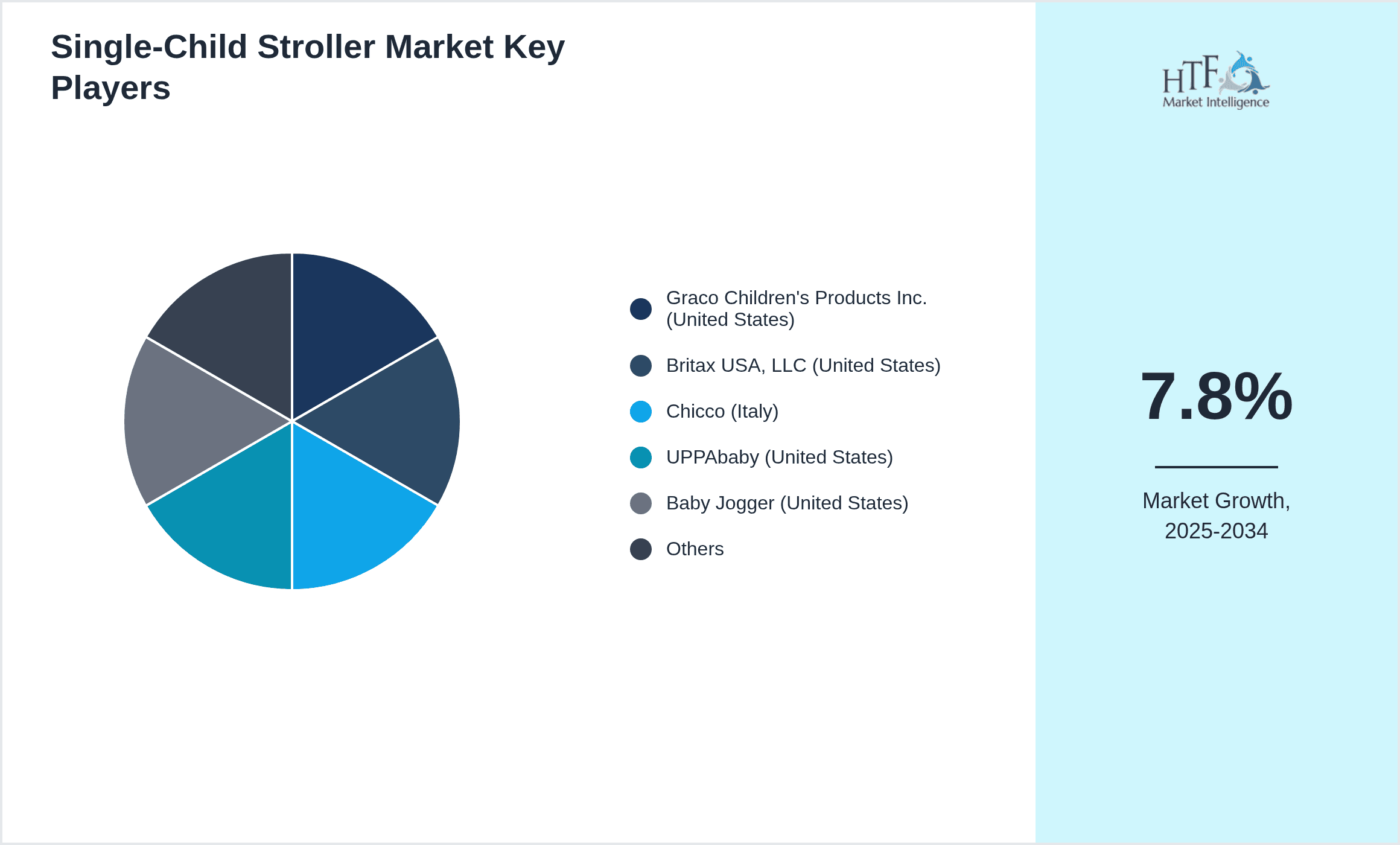
Key Players in Single-Child Stroller Market
- •Graco Children's Products Inc. (United States)
- •Britax USA, LLC (United States)
- •Chicco (Italy)
- •UPPAbaby (United States)
- •Baby Jogger (United States)
- •Cybex GmbH (Germany)
- •Joovy (United States)
- •Bugaboo International B.V. (Netherlands)
- •Peg Perego (Italy)
- •Evenflo Company, Inc. (United States)
- •Baby Trend, Inc. (United States)
- •Safety 1st (United States)
- •Mountain Buggy (New Zealand)
- •Mima (Spain)
- •Clek Inc. (Canada)
- •Silver Cross Ltd. (United Kingdom)
- •Joie (United Kingdom)
- •Stokke AS (Norway)
- •Doona Baby (Israel)
- •Inglesina (Italy)
- •Nuna International B.V. (Netherlands)
- •Babyzen (France)
- •Maclaren USA LLC (United Kingdom)
- •Carter's, Inc. (United States)
- •Hauck GmbH & Co. KG (Germany)
Market Breakdown
- •By Product Type
- ◦Lightweight Stroller
- ◦Standard Stroller
- ◦Jogging Stroller
- ◦Travel System Stroller
- ◦Umbrella Stroller
- •By Application
- ◦Urban Use
- ◦Outdoor Activities
- ◦Travel & Mobility
- ◦Safety & Comfort
- ◦Others
- •By End-Use Industry
- ◦Retail Consumers
- ◦Childcare Centers
- ◦Hospitals and Clinics
- ◦Rental Services
- •By Distribution Channel
- ◦Specialty Baby Stores
- ◦Online Retail
- ◦Mass Merchandisers
Growth Dynamics
The global single-child stroller market is experiencing robust growth driven by rising urbanization and increasing disposable incomes, especially in emerging economies. Parents are prioritizing convenience and safety, stimulating demand for technologically advanced strollers that offer ergonomic designs, multi-functionality, and portability. Innovations such as smart sensors and modular adaptability enhance user experience, further propelling market expansion. Additionally, heightened awareness regarding infant health and mobility fosters market penetration in untapped regions. The growing prevalence of nuclear families and increasing number of working parents emphasize the need for reliable, easy-to-use strollers, contributing to sustained demand. Furthermore, e-commerce platforms have revolutionized product accessibility, enabling consumers worldwide to explore diverse options, thereby accelerating market growth. Strategic collaborations among manufacturers and retailers enhance distribution efficiency and customer reach. Government initiatives promoting child safety and standards compliance also positively influence market dynamics. Overall, these factors collectively create a favorable environment for continuous growth in the single-child stroller market.
Market Trends
The single-child stroller market is witnessing a trend towards lightweight and compact designs that cater to urban lifestyles, facilitating ease of transport and storage in limited spaces. Consumers increasingly favor strollers that combine aesthetics with functionality, prompting manufacturers to integrate premium materials and customizable features. Sustainability has become a key trend, with brands adopting eco-friendly materials and recyclable components to address environmental concerns. The integration of smart technology, including GPS tracking, mobile app connectivity, and adjustable ergonomics, is redefining user interaction and safety standards. Subscription-based rental models and omni-channel retail strategies are gaining traction, enabling consumers to experience diverse product offerings before purchase. Additionally, collaborations between stroller manufacturers and infant safety organizations are emerging to elevate industry standards. These evolving trends demonstrate the market’s responsiveness to changing consumer preferences, technological advancements, and environmental consciousness, shaping the future trajectory of the industry.
Market Opportunities
Emerging markets in Asia-Pacific and Latin America present significant growth opportunities due to rising birth rates, increasing urbanization, and expanding middle-class consumer bases. There is potential for product innovation focusing on multi-functional strollers that combine ease of use with enhanced safety features, appealing to modern parents’ demands. Digital transformation in retail, including enhanced e-commerce platforms and virtual showrooms, offers opportunities to increase market penetration and consumer engagement. Collaborations with healthcare providers and childcare institutions can open new distribution channels and promote product awareness. Additionally, the growing trend of sustainable and eco-friendly baby products aligns with increasing consumer environmental consciousness, offering prospects for differentiation and brand loyalty. Expanding rental and subscription services for strollers provide an alternative revenue stream while addressing affordability challenges. Overall, strategic investment in product development, geographic expansion, and digital marketing can unlock substantial value in this evolving market.
Market Challenges
The single-child stroller market faces challenges including stringent safety regulations varying significantly across regions, which complicate product certification and increase compliance costs. High raw material costs and supply chain disruptions pose risks to manufacturing efficiency and product pricing. Intense competition pressures manufacturers to continuously innovate while maintaining cost-effectiveness, impacting profit margins. Consumer price sensitivity, especially in developing regions, limits adoption of premium products, necessitating affordable yet quality offerings. Additionally, counterfeit products and unregulated imports undermine brand reputation and market share. Rapid technological evolution requires constant product updates, challenging companies to balance innovation with operational sustainability. Environmental concerns also necessitate investment in sustainable materials and processes, which may elevate production costs. Addressing these challenges demands strategic planning, robust quality control, and adaptive marketing to sustain competitive advantage in the global arena.
Regulatory Framework
Between 2020 and 2025, significant regulatory developments shaped the single-child stroller market globally. Key regulations such as the ASTM F833 standard in the United States mandated rigorous safety testing for structural integrity, braking systems, and hazard identification, ensuring enhanced consumer protection. The European Union implemented the EN 1888 standard, emphasizing stroller stability, durability, and chemical safety compliance. Regulatory bodies increased enforcement of labeling requirements and child restraint provisions to reduce injury risks. New mandates on eco-friendly materials and recyclability also emerged, reflecting growing environmental concerns. Compliance with these evolving standards increased manufacturing complexity but fostered higher product quality and consumer trust. Companies have invested in certification processes and collaborative industry efforts to meet regulatory demands across regions, thus facilitating smoother market access and reinforcing safety credentials.
Market Intelligence
- •15th January 2025, Graco Children's Products Inc. launched the 'Graco SmartFold' stroller, featuring an automated folding mechanism integrated with a mobile app for remote control and safety alerts. This innovation targets tech-savvy urban parents seeking convenience and enhanced child monitoring. The product includes advanced suspension systems to improve ride comfort on varied terrains and complies with the latest ASTM safety standards. The launch is a strategic move to solidify Graco’s position in the premium stroller segment, responding to growing demand for smart baby products globally. This introduction is expected to boost Graco’s market share in North America and Asia-Pacific, leveraging digital retail channels for wider reach. Source: Official Graco press release.
- •3rd March 2025, Bugaboo International B.V. unveiled its eco-friendly stroller line 'Bugaboo Green', crafted from 80% recycled materials and biodegradable fabrics. This initiative aligns with increasing consumer environmental consciousness and regulatory pressures on sustainability. The product features modular design for easy part replacement, extending lifecycle and reducing waste. Bugaboo aims to capture growing market segments in Europe and Oceania focused on green products. This launch enhances the brand’s reputation for innovation and corporate responsibility, potentially influencing industry-wide adoption of sustainable practices. Source: Bugaboo corporate announcement.
- •20th February 2025, UPPAbaby announced a strategic partnership with Amazon to expand its online retail presence worldwide. The collaboration includes enhanced distribution logistics and joint marketing campaigns promoting UPPAbaby’s full range of single-child strollers. This partnership leverages Amazon’s global e-commerce infrastructure, enabling faster delivery and increased product accessibility in emerging markets such as Southeast Asia and Latin America. UPPAbaby anticipates significant sales growth driven by digital consumer trends and the increasing preference for online shopping among new parents. The alliance strengthens UPPAbaby’s competitive positioning against established market leaders. Source: UPPAbaby press release.
- •10th April 2025, Chicco introduced the 'Chicco All-Terrain Jogger', designed for active parents engaging in fitness activities with infants. The stroller incorporates advanced shock absorption and adjustable handle heights, enhancing maneuverability and comfort. It meets stringent European safety standards and includes integrated storage solutions for convenience. Chicco aims to target the growing segment of health-conscious consumers globally, particularly in North America and Europe. The product launch is complemented by a digital campaign emphasizing lifestyle integration and durability. This move reflects the trend towards specialized strollers catering to niche applications. Source: Chicco official product launch.
Regional Outlook
The North America currently holds a significant share of the market, primarily due to several key factors: increasing consumption rates, a burgeoning population, and robust economic momentum. These elements collectively drive demand, positioning this region as a leader in the market. On the other hand, Asia-Pacific is rapidly emerging as the fastest-growing area within the industry. This remarkable growth can be attributed to swift infrastructure development, the expansion of various industrial sectors, and a marked increase in consumer demand. These dynamics make this region a crucial player in shaping future market growth.
In our report, we cover a comprehensive analysis of the following regions and countries:
- North America
- LATAM
- West Europe
- Central & Eastern Europe
- Northern Europe
- Southern Europe
- East Asia
- Southeast Asia
- South Asia
- Central Asia
- Oceania
- MEA
| Feature | Details |
|---|---|
| Base Year Market Size | USD 4.5 Billion |
| Forecast Year Market Size | USD 8.9 Billion |
| CAGR | 7.8% |
| Forecast Period | 2026 to 2033 |
| YoY Growth | 7.6% |
| Scope of Report | Market is segmented by Product Type (Lightweight Stroller, Standard Stroller, Jogging Stroller, Travel System Stroller, Umbrella Stroller), Application (Urban Use, Outdoor Activities, Travel & Mobility, Safety & Comfort, Others), End-Use Industry (Retail Consumers, Childcare Centers, Hospitals and Clinics, Rental Services), Distribution Channel (Specialty Baby Stores, Online Retail, Mass Merchandisers) |
| Regions Covered | North America, LATAM, West Europe, Central & Eastern Europe, Northern Europe, Southern Europe, East Asia, Southeast Asia, South Asia, Central Asia, Oceania, MEA |
| Key Companies | Graco Children's Products Inc. (United States), Britax USA, LLC (United States), Chicco (Italy), UPPAbaby (United States), Baby Jogger (United States) |
Global Single-Child Stroller Market Size, Growth & Revenue 2024-2034 - Table of Contents
Frequently Asked Questions (FAQ):
The Compact Track Loaders market is expected to see value worth 5.3 Billion in 2025.
North America currently leads the market with approximately 45% market share, followed by Europe at 28% and Asia-Pacific at 22%. The remaining regions account for 5% of the global market.
Key growth drivers include increasing construction activities, rising demand for versatile equipment in agriculture, technological advancements in track loader design, and growing preference for compact equipment in urban construction projects.