
Europe Non-dairy Yogurt Market - Europe Size & Outlook 2025-2034
Europe Non-dairy Yogurt Market is segmented by Product Type (Almond-based Non-dairy Yogurt, Coconut-based Non-dairy Yogurt, Soy-based Non-dairy Yogurt, Oat-based Non-dairy Yogurt, Cashew-based Non-dairy Yogurt), Application (Breakfast, Snacks, Desserts, Culinary, Beverages), End-Use Industry (Retail Consumer, Foodservice, Health & Wellness Centers, Hospitality), Distribution Channel (Supermarkets & Hypermarkets, Specialty Health Stores, E-commerce, Convenience Stores), and Geography (Germany, France, The United Kingdom, BeNeLux, Spain, Italy, NORDIC, CEE, Others)
Pricing
Report Overview
Executive Summary
- •The Europe Non-dairy Yogurt Market is a dynamic segment within the broader plant-based food industry, focusing on yogurt alternatives derived from various plant sources such as almonds, soy, coconut, oats, and cashews. This market caters to consumers who prefer lactose-free, vegan, or health-conscious options, driven by rising awareness regarding lactose intolerance, dairy allergies, and environmental sustainability. The market scope covers multiple product types based on ingredients, taste, texture, and nutritional value, targeting diverse applications including breakfast, snacks, desserts, culinary uses, and beverages. Geographically, it spans important European countries such as Germany, France, the United Kingdom, Italy, Spain, and emerging markets in the Nordics and Central and Eastern Europe. Key characteristics include innovation in formulations with natural ingredients, plant-based protein enrichment, and eco-friendly packaging solutions. The market is influenced by shifting consumer lifestyles, growing flexitarian populations, and increasing retail penetration across supermarkets, health stores, and e-commerce platforms. Overall, the Europe Non-dairy Yogurt Market represents a significant growth opportunity underpinned by evolving dietary trends and regulatory support for plant-based alternatives.
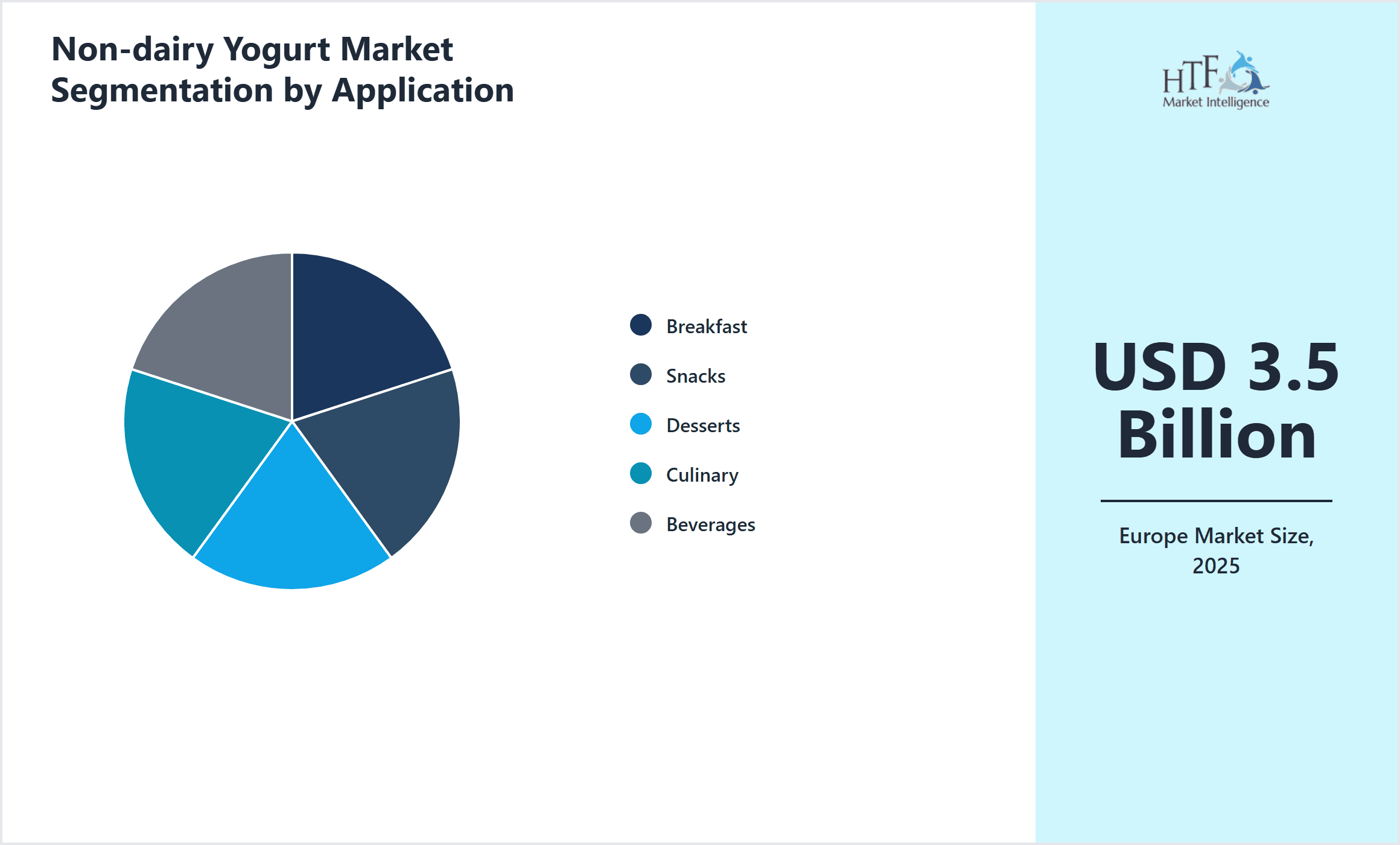
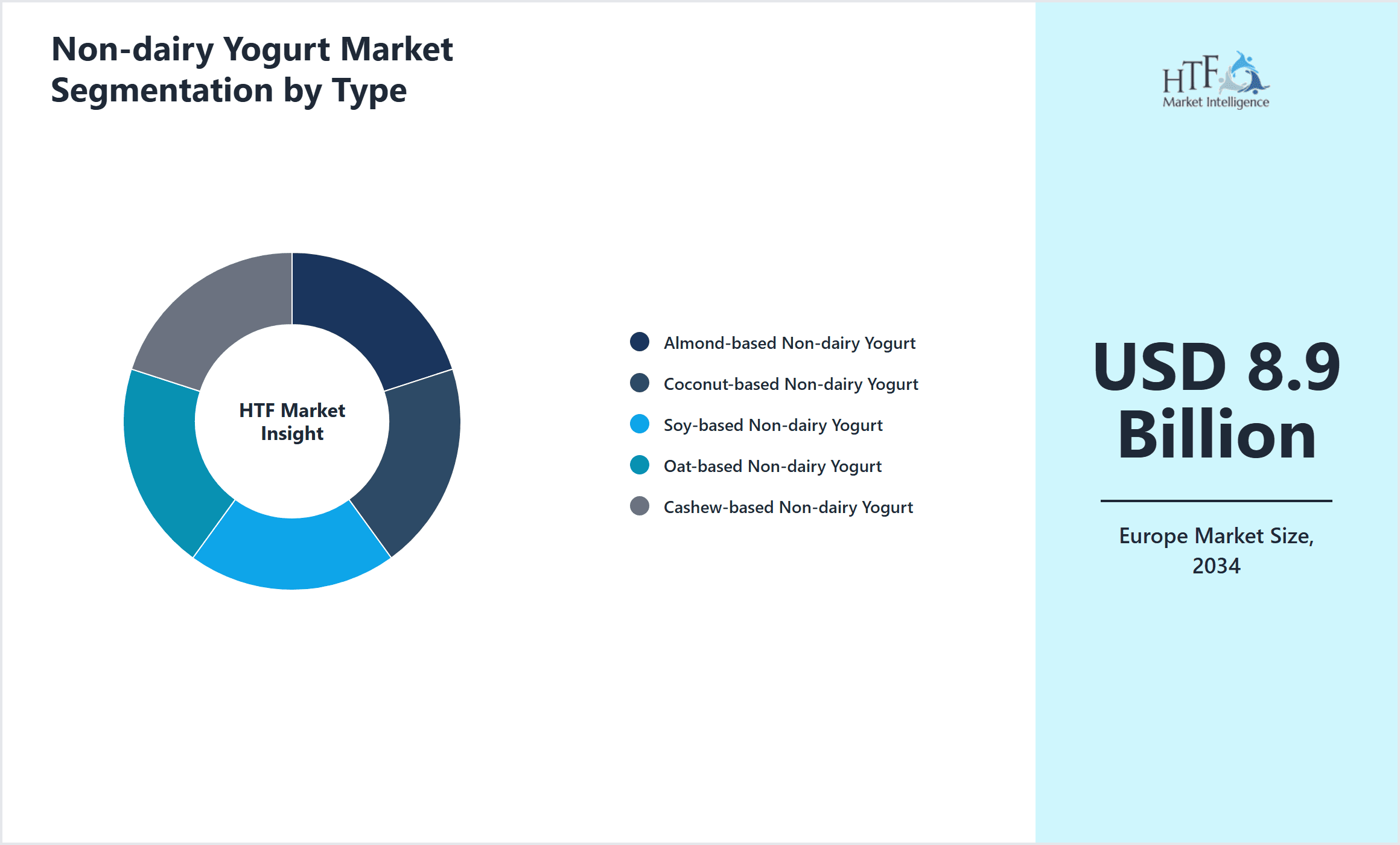
- •Market highlights indicate a base valuation of USD 3.5 Billion in 2025, projected to reach USD 8.9 Billion by 2034, reflecting a robust CAGR of 10.3%. Germany leads the market in size and consumption, while France demonstrates the fastest growth trajectory, emphasizing strong regional demand variability. Almond-based yogurts currently dominate the product landscape, but oat-based varieties are rapidly gaining market share due to their creamy texture and sustainability appeal. Breakfast and snack applications constitute the largest consumption segments, supported by consumer preference for convenient and healthy food options. The market is marked by increasing investments in research and development, strategic partnerships, and product launches tailored to local taste preferences and nutritional needs.
- •The value proposition of the Europe Non-dairy Yogurt Market lies in offering nutritious, ethically produced, and allergen-friendly alternatives that align with modern health and environmental priorities. This market holds strategic importance for food manufacturers, retailers, and investors aiming to capitalize on the burgeoning plant-based trend and shifting consumer behaviors. It also contributes to the reduction of the environmental footprint associated with traditional dairy farming. Stakeholders benefit from diverse product portfolios, innovative marketing strategies, and expanding distribution networks across urban and rural Europe, positioning this market for sustained growth and long-term value creation.

Competitive Landscape
The competitive environment in the Europe Non-dairy Yogurt Market is characterized by intense rivalry among established multinational food corporations and agile regional players focusing on innovation and sustainability. Market participants employ strategies such as product differentiation through unique plant-based formulations, clean-label certifications, and incorporation of functional ingredients like probiotics and vitamins. Pricing strategies are varied, balancing premium positioning with competitive accessibility to capture broad consumer segments. Distribution channels range from traditional supermarkets and health food stores to growing e-commerce platforms, enhancing market reach. Strategic partnerships, co-branding initiatives, and mergers and acquisitions serve as key mechanisms to consolidate market presence and expand geographic footprint. Furthermore, companies invest in sustainable packaging and transparent sourcing to meet evolving regulatory requirements and consumer expectations, fostering brand loyalty and competitive advantage. The market exhibits moderate entry barriers due to regulatory compliance, technological know-how, and distribution complexities, while innovation cycles and consumer trends continuously reshape competitive dynamics.
Leading Companies in Non-dairy Yogurt Market
- •Danone S.A. (France)
- •Nestlé S.A. (Switzerland)
- •The Hain Celestial Group, Inc. (United Kingdom)
- •Yeo Valley Organic (United Kingdom)
- •Alpro (Belgium)
- •Oatly Group AB (Sweden)
- •The WhiteWave Foods Company (United States)
- •Miyoko's Creamery (United States)
- •Valsoia S.p.A. (Italy)
- •So Delicious Dairy Free (United States)
- •Lactalis Group (France)
- •Vitasoy International Holdings Ltd. (Hong Kong)
- •SunOpta Inc. (Canada)
- •Siggi's Dairy (United States)
- •Blue Diamond Growers (United States)
- •Strauss Group Ltd. (Israel)
- •Chobani LLC (United States)
- •New Barn Organics (United States)
- •Ripple Foods Inc. (United States)
- •Good Karma Foods (United States)
- •Sunfed Meats Ltd. (New Zealand)
- •Provamel (Belgium)
- •Evolve Organic Food Company (United Kingdom)
- •The Collective Dairy (New Zealand)
- •Earth Island Ltd. (United Kingdom)
Market Breakdown
- •By Product Type
- ◦Almond-based Non-dairy Yogurt
- ◦Coconut-based Non-dairy Yogurt
- ◦Soy-based Non-dairy Yogurt
- ◦Oat-based Non-dairy Yogurt
- ◦Cashew-based Non-dairy Yogurt
- •By Application
- ◦Breakfast
- ◦Snacks
- ◦Desserts
- ◦Culinary
- ◦Beverages
- •By End-Use Industry
- ◦Retail Consumer
- ◦Foodservice
- ◦Health & Wellness Centers
- ◦Hospitality
- •By Distribution Channel
- ◦Supermarkets & Hypermarkets
- ◦Specialty Health Stores
- ◦E-commerce
- ◦Convenience Stores
Growth Dynamics
- •Rising consumer awareness of lactose intolerance and dairy allergies has significantly propelled the demand for non-dairy yogurts across Europe, encouraging manufacturers to innovate plant-based alternatives that cater to health-conscious demographics seeking lactose-free and vegan products.
- •The surge in flexitarian and vegan diets has accelerated the adoption of non-dairy yogurts, with consumers increasingly prioritizing sustainable and ethical food choices, which has driven market expansion and product portfolio diversification by key players.
- •Government initiatives and policies promoting sustainable agriculture and reducing carbon footprints have positively influenced the non-dairy yogurt market by stimulating investments in plant-based food production and supporting consumer education campaigns.
- •Advancements in food technology, including fermentation techniques and natural flavor enhancement, have improved the taste and texture profiles of non-dairy yogurts, fostering broader consumer acceptance and repeat purchases.
- •Expansion of modern retail infrastructure and e-commerce platforms across Europe has enhanced product accessibility and distribution efficiency, enabling manufacturers to reach a wider consumer base and respond rapidly to market demand shifts.
Market Trends
- •A notable trend is the increasing use of oat-based non-dairy yogurts, driven by their creamy texture and sustainability credentials, which has led to innovative product launches and growing consumer preference over traditional soy-based alternatives.
- •Clean-label formulations free from artificial additives and preservatives are gaining traction, reflecting consumer demand for transparency and natural ingredients in plant-based yogurt products across Europe.
- •The integration of functional ingredients such as probiotics, prebiotics, and vitamin fortification is becoming mainstream, positioning non-dairy yogurts as health-enhancing products beyond basic nutrition.
- •Sustainability-driven packaging innovations, including biodegradable and recyclable materials, are increasingly adopted by manufacturers to reduce environmental impact and meet regulatory and consumer expectations.
- •Collaborative ventures between traditional dairy companies and plant-based startups are reshaping the competitive landscape, facilitating knowledge exchange and accelerating market penetration.

Market Opportunities
- •Emerging markets within Eastern and Southern Europe present substantial growth opportunities due to rising disposable incomes and increasing awareness of plant-based diets, enabling companies to expand their regional footprint.
- •Innovations in flavor profiles and texture enhancement offer opportunities to attract mainstream consumers who traditionally prefer dairy yogurts, thereby broadening the customer base.
- •Investment in direct-to-consumer e-commerce platforms and subscription models can increase consumer engagement and loyalty while collecting valuable market insights.
- •Collaborations with health and wellness brands to co-develop specialized non-dairy yogurts targeting niche health conditions can differentiate offerings and drive premium pricing.
- •Expansion into foodservice sectors such as cafes, restaurants, and institutional catering opens new application channels and increases product visibility among diverse consumer groups.
Market Challenges
- •High production costs associated with sourcing quality plant-based ingredients and implementing advanced fermentation processes restrict price competitiveness against traditional dairy yogurts.
- •Taste and texture differences compared to conventional dairy yogurts remain a barrier for some consumers, necessitating continuous product development and consumer education efforts.
- •Regulatory complexities and varying standards across European countries pose challenges for market entry and product labeling consistency.
- •Supply chain vulnerabilities, including seasonal availability of raw materials and logistic disruptions, can impact production continuity and cost structures.
- •Intense competition from both traditional dairy companies diversifying into plant-based segments and pure-play plant-based startups increases pressure on market share and innovation pace.
Regulatory Framework
- •Between 2020 and 2025, the European Union implemented stricter labeling regulations requiring clear differentiation between dairy and plant-based products, mandating manufacturers to avoid dairy terminology for non-dairy yogurts to reduce consumer confusion.
- •The EU introduced new guidelines on allergen declarations specific to plant-based food products, compelling companies to enhance ingredient transparency and traceability across the supply chain.
- •Environmental regulations focusing on sustainable packaging have been enforced in major European countries, including France and Germany, requiring increased use of recyclable or biodegradable materials for non-dairy yogurt packaging.
- •Food safety standards have been updated to address fermentation practices and microbial quality in plant-based yogurts, ensuring consumer protection and product consistency.
- •Government incentives supporting plant-based food innovation and sustainable agriculture have been introduced across Europe, including tax benefits and research grants, encouraging market growth and development.
Market Intelligence
- •15th January 2025, Danone S.A. launched a new range of oat-based non-dairy yogurts in Germany, featuring enhanced probiotic strains and natural fruit inclusions. This product line aims to capture growing consumer demand for gut health benefits and sustainable plant-based options. The launch is supported by a multi-channel marketing campaign targeting health-conscious millennials and flexitarians across Europe, positioning Danone as a leader in innovation within the non-dairy yogurt segment. The introduction leverages Danone’s extensive distribution network to accelerate market penetration and brand visibility.
- •22nd March 2025, Oatly Group AB expanded its manufacturing capacity in Sweden by opening a state-of-the-art fermentation facility dedicated to non-dairy yogurt production. The facility incorporates advanced sustainable technologies that reduce water usage and carbon emissions by 30%, aligning with the company's environmental commitments. This expansion is expected to meet increasing demand across Northern and Western Europe, enabling faster product delivery and customization options for regional tastes. Oatly also announced plans to launch innovative flavors and fortified products later in the year to strengthen its competitive position.
- •17th May 2025, Nestlé S.A. announced a strategic partnership with a leading European plant protein supplier to co-develop novel coconut- and almond-based yogurt alternatives enriched with plant proteins and vitamins. This collaboration focuses on leveraging proprietary technology to improve texture and nutritional profiles, targeting both retail and foodservice channels. The initiative is part of Nestlé’s broader strategy to diversify its plant-based portfolio and capture the growing vegan consumer base. The partnership is expected to accelerate product development cycles and enhance supply chain efficiencies.
- •5th July 2025, Alpro introduced a new line of cashew-based non-dairy yogurts in France and Belgium, emphasizing organic certification and clean-label ingredients. The launch targets premium consumers looking for indulgent yet healthy snack options. Alpro’s marketing emphasizes sustainability and local sourcing, aligning with evolving consumer ethics. The product is available through major supermarket chains and online platforms, supported by promotional pricing and in-store tastings to drive trial and repeat purchase.
- •Source: Official company press releases, industry publications
Regional Outlook
The Germany currently holds a significant share of the market, primarily due to several key factors: increasing consumption rates, a burgeoning population, and robust economic momentum. These elements collectively drive demand, positioning this region as a leader in the market. On the other hand, France is rapidly emerging as the fastest-growing area within the industry. This remarkable growth can be attributed to swift infrastructure development, the expansion of various industrial sectors, and a marked increase in consumer demand. These dynamics make this region a crucial player in shaping future market growth.
In our report, we cover a comprehensive analysis of the following regions and countries:
- Germany
- France
- The United Kingdom
- BeNeLux
- Spain
- Italy
- NORDIC
- CEE
- Others
| Feature | Details |
|---|---|
| Base Year Market Size | USD 3.5 Billion |
| Forecast Year Market Size | USD 8.9 Billion |
| CAGR | 10.3% |
| Forecast Period | 2026 to 2033 |
| YoY Growth | 10.1% |
| Scope of Report | Market is segmented by Product Type (Almond-based Non-dairy Yogurt, Coconut-based Non-dairy Yogurt, Soy-based Non-dairy Yogurt, Oat-based Non-dairy Yogurt, Cashew-based Non-dairy Yogurt), Application (Breakfast, Snacks, Desserts, Culinary, Beverages), End-Use Industry (Retail Consumer, Foodservice, Health & Wellness Centers, Hospitality), Distribution Channel (Supermarkets & Hypermarkets, Specialty Health Stores, E-commerce, Convenience Stores) |
| Regions Covered | Germany, France, The United Kingdom, BeNeLux, Spain, Italy, NORDIC, CEE, Others |
| Key Companies | Danone S.A. (France), Nestlé S.A. (Switzerland), The Hain Celestial Group, Inc. (United Kingdom), Yeo Valley Organic (United Kingdom), Alpro (Belgium), Oatly Group AB (Sweden), The WhiteWave Foods Company (United States), Miyoko's Creamery (United States), Valsoia S.p.A. (Italy), So Delicious Dairy Free (United States), Lactalis Group (France), Vitasoy International Holdings Ltd. (Hong Kong), SunOpta Inc. (Canada), Siggi's Dairy (United States), Blue Diamond Growers (United States), Strauss Group Ltd. (Israel), Chobani LLC (United States), New Barn Organics (United States), Ripple Foods Inc. (United States), Good Karma Foods (United States), Sunfed Meats Ltd. (New Zealand), Provamel (Belgium), Evolve Organic Food Company (United Kingdom), The Collective Dairy (New Zealand), Earth Island Ltd. (United Kingdom) |
Europe Non-dairy Yogurt Market - Europe Size & Outlook 2025-2034 - Table of Contents
Frequently Asked Questions (FAQ):
The Compact Track Loaders market is expected to see value worth 5.3 Billion in 2025.
North America currently leads the market with approximately 45% market share, followed by Europe at 28% and Asia-Pacific at 22%. The remaining regions account for 5% of the global market.
Key growth drivers include increasing construction activities, rising demand for versatile equipment in agriculture, technological advancements in track loader design, and growing preference for compact equipment in urban construction projects.