
Global Body Wash and Shower Gel Products Market Size, Growth & Revenue 2025-2034
Global Body Wash and Shower Gel Products Market is segmented by Product Type (Liquid Body Wash, Shower Gel, Cream-based Body Wash, Gel-based Body Wash, Others), Application (Personal Care, SPA & Wellness, Hospitality, Sports & Fitness, Others), End-Use Industry (Retail, E-commerce, Salons and Spas, Hospitality and Hotels), Distribution Channel (Supermarkets/Hypermarkets, Specialty Stores, Online Retail), and Geography (North America, LATAM, West Europe, Central & Eastern Europe, Northern Europe, Southern Europe, East Asia, Southeast Asia, South Asia, Central Asia, Oceania, MEA)
Pricing
Report Overview
Executive Summary
- •The global body wash and shower gel products market is a dynamic segment within the personal care industry, characterized by a wide variety of formulations that cater to diverse consumer needs across the world. This market includes liquid body washes, shower gels, cream-based and gel-based variants, each offering unique cleansing and moisturizing properties. Applications span personal daily use, spa and wellness treatments, hospitality services, and sports-related hygiene products, highlighting the market's broad utility. The value chain extends from raw material sourcing, such as surfactants and essential oils, through manufacturing processes that emphasize innovation and sustainability, to distribution across retail, e-commerce, and specialty channels. Growing consumer preference for natural and organic ingredients, coupled with increasing awareness about skin health and hygiene, is propelling product innovation and market expansion globally. Additionally, the shift towards premiumization and personalized care solutions is influencing product development and marketing strategies. The market's evolution is also shaped by regional preferences, regulatory frameworks, and technological advancements, making it a key area for investment and strategic growth in the personal care sector.
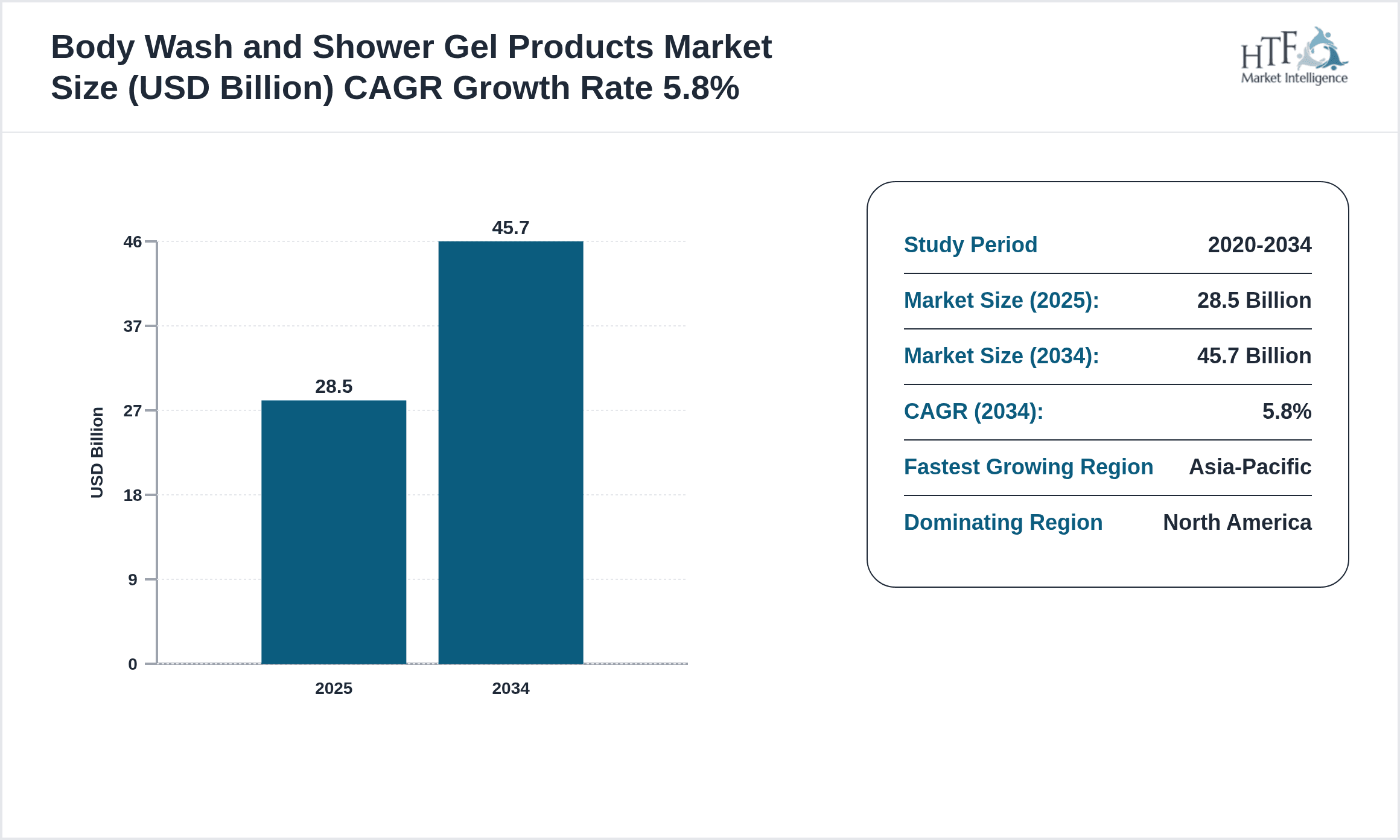
- •Key market highlights include a base market size of USD 28.5 Billion in 2025, with a forecasted growth to USD 45.7 Billion by 2034, representing a compound annual growth rate (CAGR) of 5.8%. North America dominates the market due to high consumer spending and advanced retail infrastructure, while Asia-Pacific is identified as the fastest-growing region, fueled by rising urbanization and increasing disposable incomes. Liquid body wash remains the leading product type, although cream-based body wash shows the fastest growth, driven by consumer demand for moisturizing and skin-nourishing products. Year-on-year growth is projected at 5.7%, reflecting steady expansion amid evolving consumer preferences and technological innovations.
- •The market offers significant value propositions to stakeholders including manufacturers, retailers, and consumers by delivering innovative, effective, and diverse bathing products that meet hygiene and wellness needs. Strategic importance lies in its capacity to drive brand loyalty through product differentiation, respond to health and sustainability trends, and capitalize on expanding global distribution channels. The sector's growth supports ancillary industries such as raw material suppliers and packaging, while offering investment opportunities in emerging markets and niche product segments. Overall, the body wash and shower gel products market is positioned as a critical driver of growth within personal care, reflecting broader social trends towards self-care and wellness.
Competitive Landscape
The global body wash and shower gel products market is marked by intense competition among multinational corporations and regional players, each leveraging unique strategies to capture market share and drive innovation. Competitive dynamics are shaped by continuous product development focused on natural and organic formulations, premiumization, and sensory appeal. Companies invest heavily in research and development to introduce variants targeting different skin types, age groups, and consumer preferences, enhancing product differentiation. Strategic partnerships and collaborations with ingredient suppliers and technology firms accelerate innovation cycles. Market positioning is further influenced by pricing strategies that balance affordability with perceived quality, alongside expansive distribution through retail chains, e-commerce, and specialty outlets. Mergers and acquisitions serve as critical tools for market consolidation, expanding geographic presence and product portfolios. Regional competition varies, with North America and Europe focusing on sustainability and premium products, while Asia-Pacific players emphasize value and innovation. Future trends indicate a shift towards personalized and multifunctional products, digital marketing engagement, and eco-friendly packaging, intensifying competitive pressures and opportunities for differentiation.
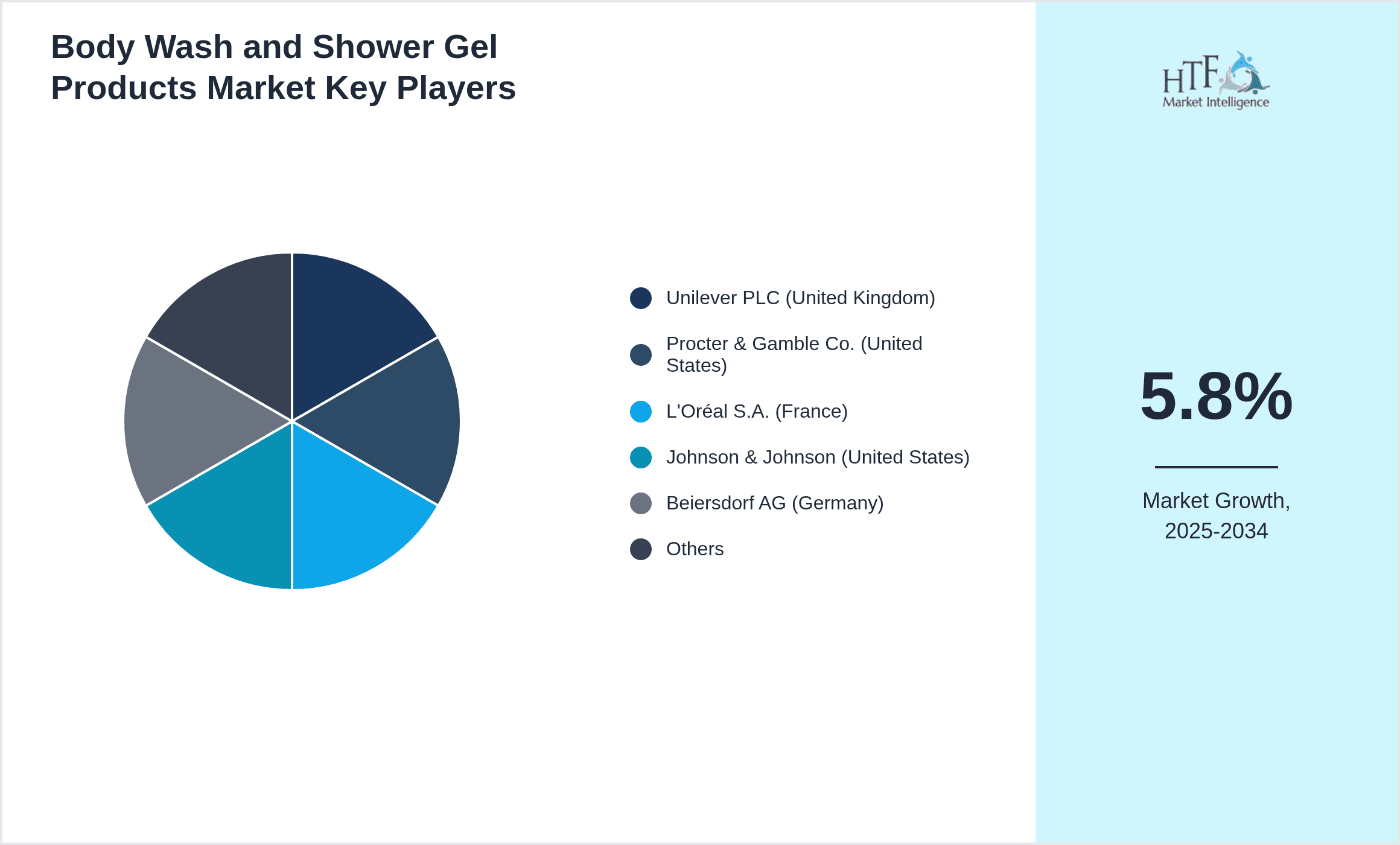
Leading Companies in Body Wash and Shower Gel Products Market
- •Unilever PLC (United Kingdom)
- •Procter & Gamble Co. (United States)
- •L'Oréal S.A. (France)
- •Johnson & Johnson (United States)
- •Beiersdorf AG (Germany)
- •Colgate-Palmolive Company (United States)
- •Shiseido Company, Limited (Japan)
- •Kao Corporation (Japan)
- •Amorepacific Corporation (South Korea)
- •Reckitt Benckiser Group plc (United Kingdom)
- •Edgewell Personal Care Company (United States)
- •Henkel AG & Co. KGaA (Germany)
- •Coty Inc. (United States)
- •LG Household & Health Care Ltd. (South Korea)
- •The Estee Lauder Companies Inc. (United States)
- •Church & Dwight Co., Inc. (United States)
- •Unicharm Corporation (Japan)
- •Mennen Personal Care (United States)
- •Yves Rocher (France)
- •CeraVe (United States)
- •The Himalaya Drug Company (India)
- •Dabur India Ltd. (India)
- •GlaxoSmithKline plc (United Kingdom)
- •Natura &Co Holding S.A. (Brazil)
- •Essity AB (Sweden)
Market Breakdown
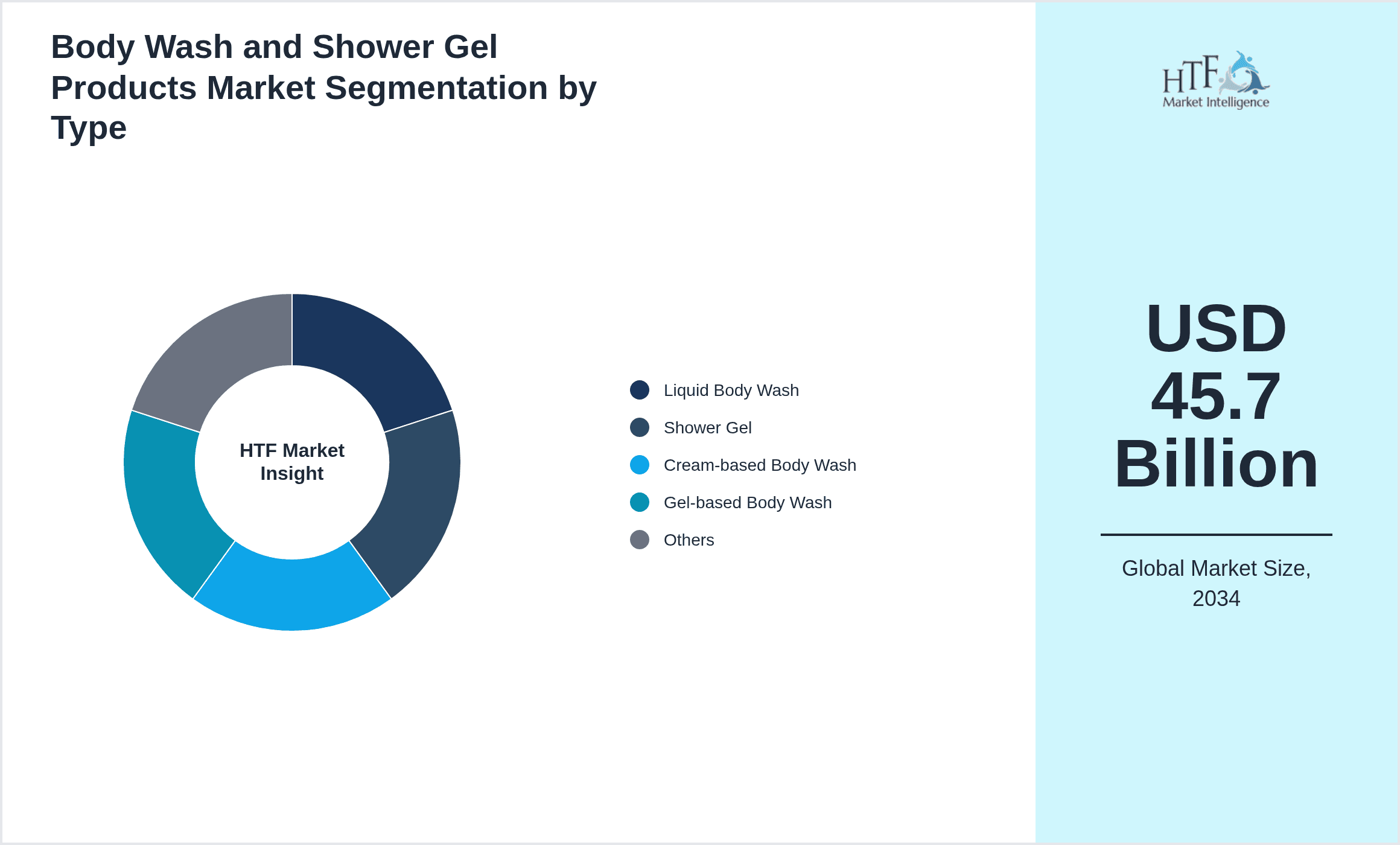
- •By Product Type
- ◦Liquid Body Wash
- ◦Shower Gel
- ◦Cream-based Body Wash
- ◦Gel-based Body Wash
- ◦Others
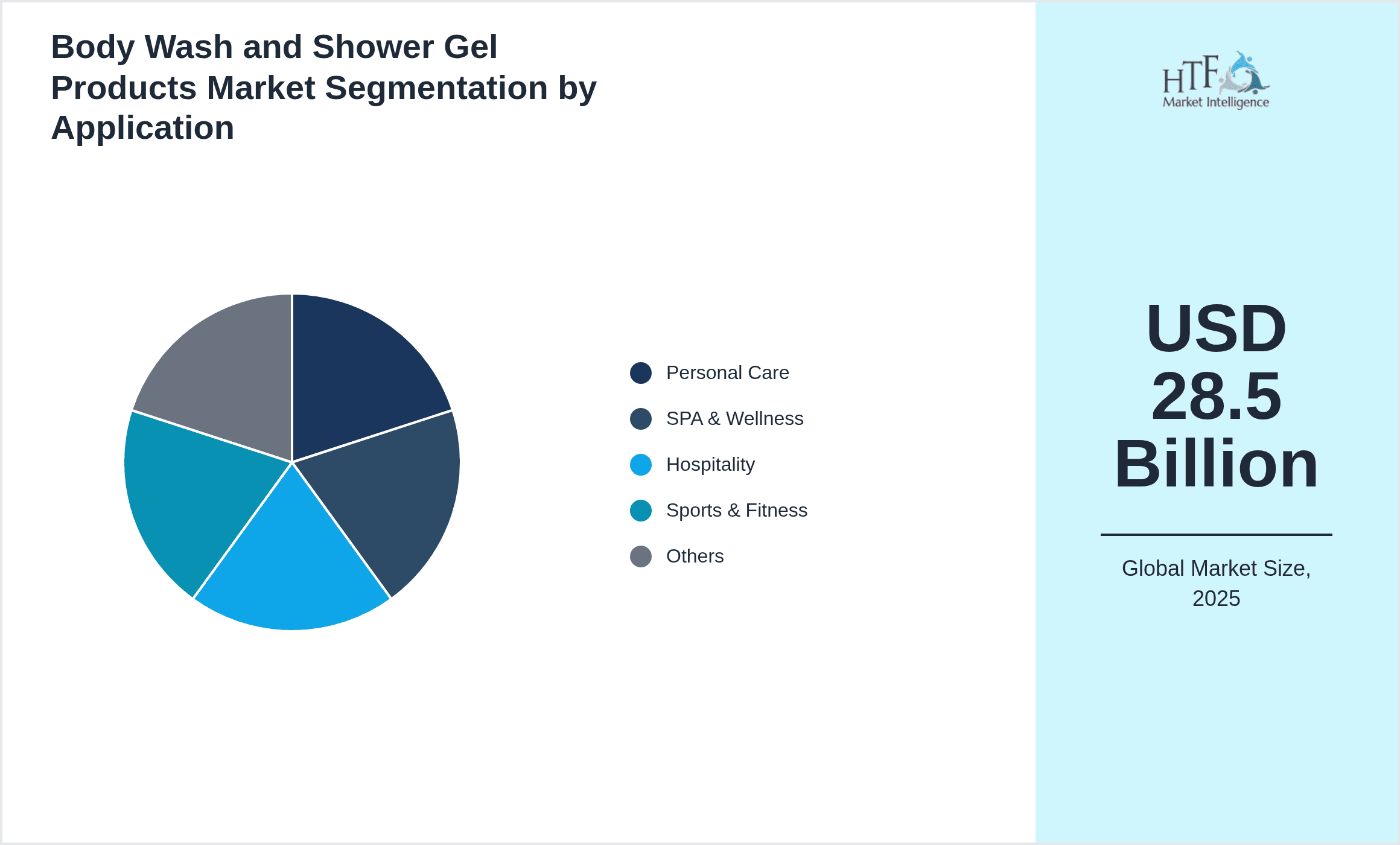
- •By Application
- ◦Personal Care
- ◦SPA & Wellness
- ◦Hospitality
- ◦Sports & Fitness
- ◦Others
- •By End-Use Industry
- ◦Retail
- ◦E-commerce
- ◦Salons and Spas
- ◦Hospitality and Hotels
- •By Distribution Channel
- ◦Supermarkets/Hypermarkets
- ◦Specialty Stores
- ◦Online Retail
Growth Dynamics
- •Rising consumer awareness about personal hygiene and skincare is significantly driving demand for body wash and shower gel products globally. Increasing preference for products with natural and organic ingredients is influencing manufacturers to innovate and diversify their portfolios, boosting market growth.
- •The expansion of e-commerce platforms provides convenient access to a wide range of products, facilitating market penetration in emerging regions and enhancing consumer reach. This digital shift also enables personalized marketing and product recommendations, further stimulating growth.
- •Growing urbanization and rising disposable income in developing economies, particularly in Asia-Pacific and Latin America, are fueling increased consumption of premium and functional body wash products, contributing to accelerated market expansion.
- •Advancements in formulation technology, such as the incorporation of moisturizing agents, anti-aging compounds, and eco-friendly packaging, are creating new product segments that attract health-conscious and environmentally aware consumers.
- •The hospitality and wellness industries' growing focus on guest experience and hygiene standards is driving demand for specialized body wash products, offering opportunities for product customization and bulk supply contracts.
- •Investment in marketing campaigns targeting younger demographics and men’s grooming segments is broadening the consumer base and encouraging the adoption of shower gels and body washes beyond traditional users.
- •Government initiatives promoting hygiene and sanitation in schools, workplaces, and public facilities are indirectly supporting the market by increasing awareness and usage of cleansing products.
Market Trends
- •The increasing demand for eco-friendly and biodegradable body wash products is reshaping product development, with companies focusing on sustainable sourcing and packaging to meet consumer expectations and regulatory requirements.
- •There is a notable trend toward multifunctional products that combine cleansing with skincare benefits such as hydration, exfoliation, and fragrance, enhancing consumer value and satisfaction.
- •Digital marketing and influencer partnerships have become prominent strategies to engage consumers and build brand loyalty, especially among millennials and Gen Z audiences seeking authenticity and transparency.
- •Customization and personalization in body wash formulations are gaining traction, supported by advancements in AI and data analytics that enable brands to offer tailored products based on individual skin types and preferences.
- •The rise of men’s grooming products within the body wash segment is creating niche markets, with targeted marketing and product designs addressing male consumers’ specific skincare needs.
- •Companies are increasingly incorporating traditional and herbal ingredients into body wash products, tapping into cultural preferences and the growing natural cosmetics trend.
- •Subscription-based models and direct-to-consumer sales channels are emerging, providing convenience and fostering recurring revenue streams for manufacturers.
Market Opportunities
- •Expanding penetration in emerging markets such as Asia-Pacific, Latin America, and Middle East & Africa offers substantial growth potential due to increasing urbanization and rising disposable incomes.
- •Innovations in natural and organic formulations cater to increasing consumer demand for clean-label products, presenting opportunities for product differentiation and premium pricing.
- •Development of gender-specific and age-targeted body wash products can attract niche consumer segments, enhancing market reach and brand loyalty.
- •Leveraging digital platforms for personalized marketing and direct-to-consumer sales can improve customer engagement and boost sales volumes.
- •Collaborations with hospitality and wellness sectors can secure bulk supply agreements and strengthen brand presence in institutional markets.
- •Introducing eco-friendly packaging solutions and refill options can appeal to environmentally conscious consumers, aligning with global sustainability trends.
- •Investment in R&D for multifunctional body wash products that provide cleansing along with therapeutic benefits such as anti-aging or acne control can capture additional market share.
Market Challenges
- •The high cost associated with natural and organic ingredients limits accessibility in price-sensitive markets, posing a challenge for widespread adoption of premium body wash products.
- •Stringent regulatory requirements concerning ingredient safety, product labeling, and environmental impact increase compliance costs and can delay product launches.
- •Intense competition with low-cost alternatives such as traditional soap bars and local brands restricts market share growth for branded body wash products in certain regions.
- •Supply chain disruptions, including raw material shortages and logistics challenges, impact production schedules and product availability, affecting revenue streams.
- •Consumer skepticism regarding product claims and ingredient efficacy necessitates transparent communication and investment in clinical validations, increasing marketing expenses.
- •Environmental concerns about plastic packaging and chemical ingredients may lead to decreased consumer acceptance if sustainability initiatives are not effectively implemented.
- •Rapidly changing consumer preferences require agile product development cycles which can strain resources and operational capabilities for smaller manufacturers.
Regulatory Framework
- •Between 2020 and 2025, key regulations such as the EU Cosmetics Regulation (EC) No 1223/2009 were rigorously enforced, emphasizing ingredient safety, product labeling, and prohibiting harmful substances, significantly shaping market compliance standards.
- •The U.S. Food and Drug Administration (FDA) implemented updated guidelines on cosmetic product safety and ingredient transparency, requiring manufacturers to disclose allergenic ingredients and maintain rigorous quality control.
- •Environmental regulations targeting plastic waste reduction and promotion of sustainable packaging gained prominence globally, compelling companies to innovate in packaging design and material selection.
- •Several countries introduced mandatory testing for microbial contamination and stability of personal care products, ensuring consumer safety and product efficacy throughout shelf life.
- •Government initiatives promoting the use of natural and organic personal care products, along with certification schemes like COSMOS and USDA Organic, supported market growth while setting industry benchmarks.
Market Intelligence
- •15th January 2025, Unilever PLC launched a new line of eco-friendly shower gels infused with botanical extracts targeting environmentally conscious consumers. The product line features biodegradable packaging and formulations free from parabens and sulfates, aiming to capture growing demand in North America and Europe. The launch includes a multi-channel marketing campaign emphasizing sustainability and wellness, positioning Unilever as a leader in green personal care products. This initiative aligns with global trends towards natural ingredients and environmental responsibility, potentially boosting Unilever’s market share and brand loyalty in key markets. Source: Unilever Official Press Release
- •10th March 2025, Procter & Gamble Co. introduced a premium cream-based body wash under its flagship brand, focusing on moisturizing and anti-aging properties. Leveraging advanced skin hydration technology, the product targets aging populations in Asia-Pacific and Europe. The launch is supported by clinical trials validating efficacy and a digital marketing strategy aimed at millennials and Gen Z consumers seeking multifunctional skincare solutions. This product expansion complements P&G’s existing portfolio and addresses rising demand for premium personal care offerings. Source: P&G Corporate News
- •5th May 2025, L'Oréal S.A. announced a strategic partnership with a biotechnology firm to develop sustainable surfactants derived from renewable resources for use in body wash formulations. This collaboration aims to reduce environmental impact and enhance product performance, aligning with L'Oréal’s sustainability roadmap. The initiative is expected to lead to the launch of innovative, green-certified body wash products across Europe and North America by late 2026, strengthening L'Oréal’s competitive position in eco-conscious markets. Source: L'Oréal Press Release
- •20th July 2024, Johnson & Johnson completed the acquisition of a natural personal care brand specializing in herbal and organic body wash products. The acquisition expands J&J’s portfolio and presence in the fast-growing natural segment, particularly in Asia-Pacific and Latin America. The integration is projected to enhance innovation capabilities and accelerate market penetration through combined distribution networks. This strategic move reflects the increasing importance of natural products and consumer preference shifts toward clean beauty. Source: Johnson & Johnson Newsroom
Regional Outlook
The North America currently holds a significant share of the market, primarily due to several key factors: increasing consumption rates, a burgeoning population, and robust economic momentum. These elements collectively drive demand, positioning this region as a leader in the market. On the other hand, Asia-Pacific is rapidly emerging as the fastest-growing area within the industry. This remarkable growth can be attributed to swift infrastructure development, the expansion of various industrial sectors, and a marked increase in consumer demand. These dynamics make this region a crucial player in shaping future market growth.
In our report, we cover a comprehensive analysis of the following regions and countries:
- North America
- LATAM
- West Europe
- Central & Eastern Europe
- Northern Europe
- Southern Europe
- East Asia
- Southeast Asia
- South Asia
- Central Asia
- Oceania
- MEA
| Feature | Details |
|---|---|
| Base Year Market Size | USD 28.5 Billion |
| Forecast Year Market Size | USD 45.7 Billion |
| CAGR | 5.8% |
| Forecast Period | 2026 to 2033 |
| YoY Growth | 5.7% |
| Scope of Report | Market is segmented by Product Type (Liquid Body Wash, Shower Gel, Cream-based Body Wash, Gel-based Body Wash, Others), Application (Personal Care, SPA & Wellness, Hospitality, Sports & Fitness, Others), End-Use Industry (Retail, E-commerce, Salons and Spas, Hospitality and Hotels), Distribution Channel (Supermarkets/Hypermarkets, Specialty Stores, Online Retail) |
| Regions Covered | North America, LATAM, West Europe, Central & Eastern Europe, Northern Europe, Southern Europe, East Asia, Southeast Asia, South Asia, Central Asia, Oceania, MEA |
| Key Companies | Unilever PLC (United Kingdom), Procter & Gamble Co. (United States), L'Oréal S.A. (France), Johnson & Johnson (United States), Beiersdorf AG (Germany), Colgate-Palmolive Company (United States), Shiseido Company, Limited (Japan), Kao Corporation (Japan), Amorepacific Corporation (South Korea), Reckitt Benckiser Group plc (United Kingdom), Edgewell Personal Care Company (United States), Henkel AG & Co. KGaA (Germany), Coty Inc. (United States), LG Household & Health Care Ltd. (South Korea), The Estee Lauder Companies Inc. (United States), Church & Dwight Co., Inc. (United States), Unicharm Corporation (Japan), Mennen Personal Care (United States), Yves Rocher (France), CeraVe (United States), The Himalaya Drug Company (India), Dabur India Ltd. (India), GlaxoSmithKline plc (United Kingdom), Natura &Co Holding S.A. (Brazil), Essity AB (Sweden) |
Global Body Wash and Shower Gel Products Market Size, Growth & Revenue 2025-2034 - Table of Contents
Frequently Asked Questions (FAQ):
The Compact Track Loaders market is projected to grow at a CAGR of 6.8% from 2025 to 2030, driven by increasing demand in construction and agricultural sectors.
North America currently leads the market with approximately 45% market share, followed by Europe at 28% and Asia-Pacific at 22%. The remaining regions account for 5% of the global market.
Key growth drivers include increasing construction activities, rising demand for versatile equipment in agriculture, technological advancements in track loader design, and growing preference for compact equipment in urban construction projects.