
Global Billiards Three-Finger Glove Market Size, Growth & Revenue 2024-2034
Global Billiards Three-Finger Glove Market is segmented by Product Type (Leather Three-Finger Gloves, Synthetic Three-Finger Gloves, Cotton Three-Finger Gloves, Wool Three-Finger Gloves, Hybrid Material Three-Finger Gloves), Application (Professional Billiards, Amateur Billiards, Training, Tournaments, Casual Play), End-Use Industry (Sports Clubs & Academies, Retail & Sports Goods Stores, Online Retailers, Event Organizers), Distribution Channel (Specialty Sports Retailers, E-commerce Platforms, Direct Sales), and Geography (North America, LATAM, West Europe, Central & Eastern Europe, Northern Europe, Southern Europe, East Asia, Southeast Asia, South Asia, Central Asia, Oceania, MEA)
Pricing
Report Overview
Executive Summary
- •The global Billiards Three-Finger Glove market is a specialized segment of the sports accessories industry focusing on gloves designed to optimize players’ grip and shot precision in billiards and snooker. These gloves typically cover three fingers to minimize cue friction, enhancing performance during both professional and recreational play. The market covers a range of materials including leather, synthetic, cotton, wool, and hybrid types, catering to diverse user preferences and climatic conditions. Applications span professional tournaments, amateur competitions, training, casual play, and events, reflecting a broad user base worldwide. Market growth is propelled by the rising global popularity of cue sports, increasing participation rates, and technological advancements in glove design and materials. Distribution channels include specialty sports retailers, online platforms, and direct sales, enabling broad accessibility. The industry is influenced by regional preferences, innovation in comfort and durability, and strategic marketing by key players targeting both emerging and established billiards communities globally.
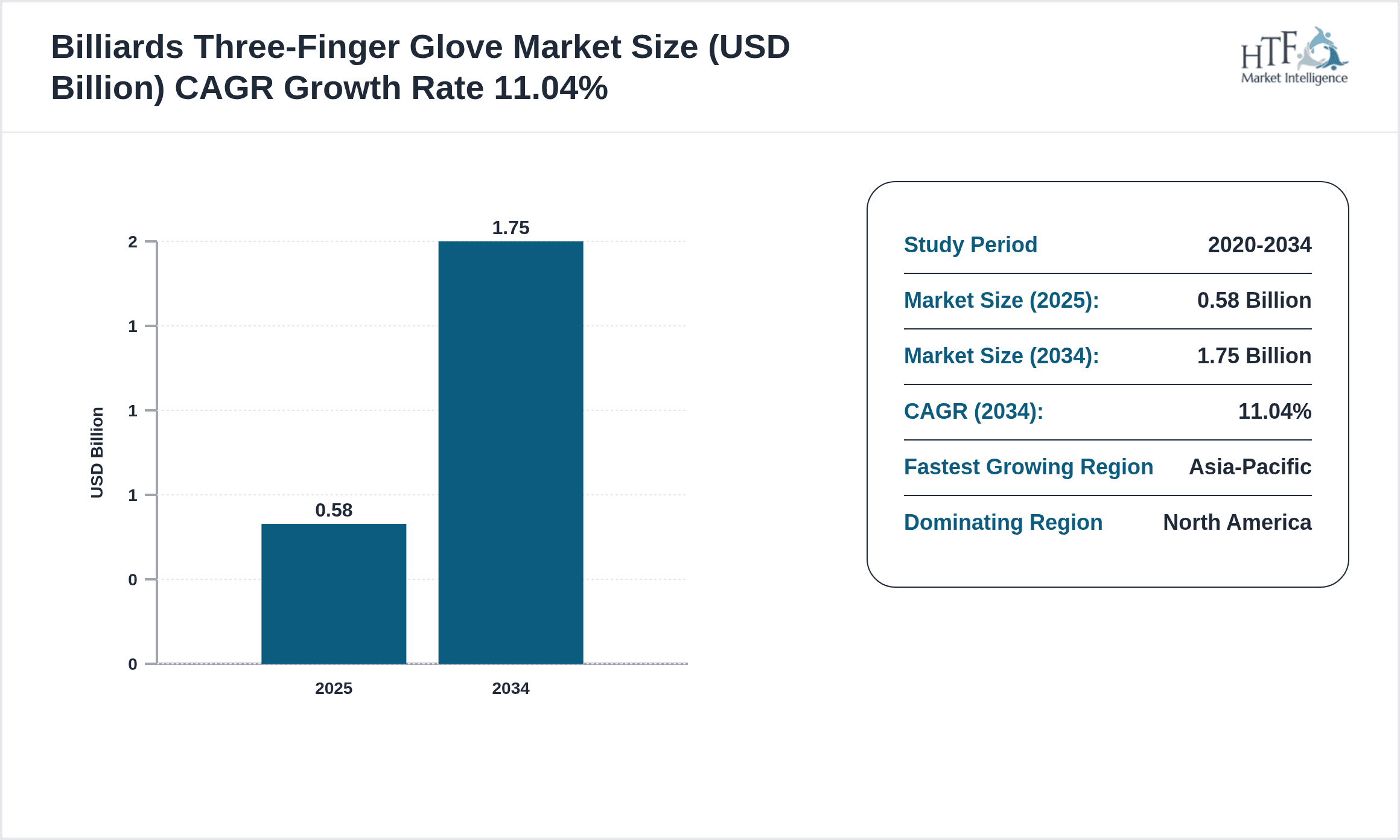
- •Key market highlights include a base market valuation of USD 0.58 Billion in 2024, with a projected growth to USD 1.75 Billion by 2034, demonstrating a robust CAGR of approximately 11.04%. North America currently dominates the market due to high professional billiards participation and strong sports culture. Asia-Pacific is the fastest-growing region, fueled by expanding amateur leagues and increasing disposable incomes. Leather gloves remain the leading product type, appreciated for durability and grip, while synthetic gloves are gaining rapid traction for affordability and comfort. Professional billiards application holds the largest market share, followed by amateur and training uses, reflecting the market’s broad spectrum. Year-over-year growth averages around 10.52%, indicative of steady consumer demand and expanding market reach.
- •The strategic importance of the Billiards Three-Finger Glove market lies in its role in enhancing player performance and experience, aligning with the broader growth of cue sports globally. For manufacturers and retailers, the market presents opportunities through product innovation, material enhancements, and expansion into emerging regions with growing billiards communities. Stakeholders gain competitive advantage by addressing ergonomic needs, regional preferences, and leveraging e-commerce and specialty distribution networks. The market’s evolution is also shaped by collaborations with professional players, sponsorships, and integration of technology in glove features. Overall, this market contributes significantly to the billiards equipment ecosystem, supporting the sport’s professionalization and recreational appeal worldwide.
Competitive Landscape
The global Billiards Three-Finger Glove market exhibits a highly competitive landscape characterized by numerous regional and international players striving for market dominance through innovation, quality, and strategic partnerships. Market leaders focus on product differentiation by integrating advanced materials such as breathable synthetics and premium leathers that enhance grip, durability, and comfort. Competitive strategies include sponsorships of professional players and billiards tournaments to elevate brand visibility and credibility. Pricing strategies vary by region, with premium pricing in developed markets balanced by affordability in emerging economies. Distribution channels are diversified, encompassing specialty sports retailers, online marketplaces, and direct-to-consumer sales, which intensify competition. Innovation in ergonomic design and customization options is a key focus to capture discerning customers. Barriers to entry include stringent quality standards and brand loyalty in established markets. Future competition will likely hinge on technological advancements, sustainability initiatives, and regional market penetration strategies.
Companies Shaping the Billiards Three-Finger Glove Market
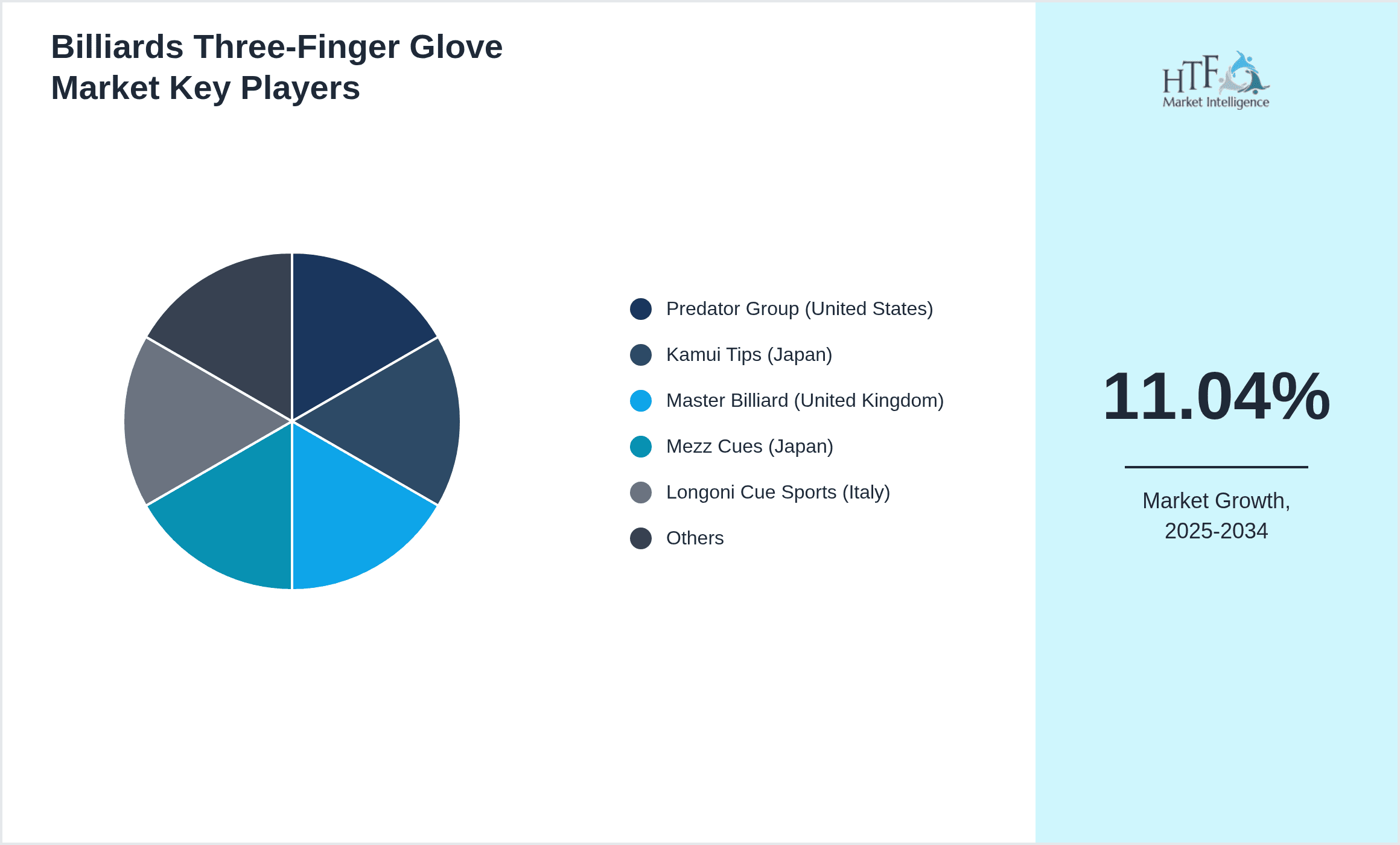
- •Predator Group (United States)
- •Kamui Tips (Japan)
- •Master Billiard (United Kingdom)
- •Mezz Cues (Japan)
- •Longoni Cue Sports (Italy)
- •Riley (United Kingdom)
- •OB Cues (United States)
- •Sportglove (Germany)
- •Garlando (Italy)
- •McDermott Cue (United States)
- •Cuetec (United States)
- •Peradon (United Kingdom)
- •Taom Billiards (Russia)
- •Players Billiard (Germany)
- •Viking Cues (United States)
- •Joss Cues (United States)
- •Samsara (South Korea)
- •Meucci Cues (United States)
- •Canis Billiards (China)
- •Ziggi Sports (United States)
- •Cuetec Billiards (United States)
- •Lucasi Cues (United States)
- •Balabushka Cues (United States)
- •Kamui Gloves (Japan)
- •Peradon (United Kingdom)
Market Breakdown
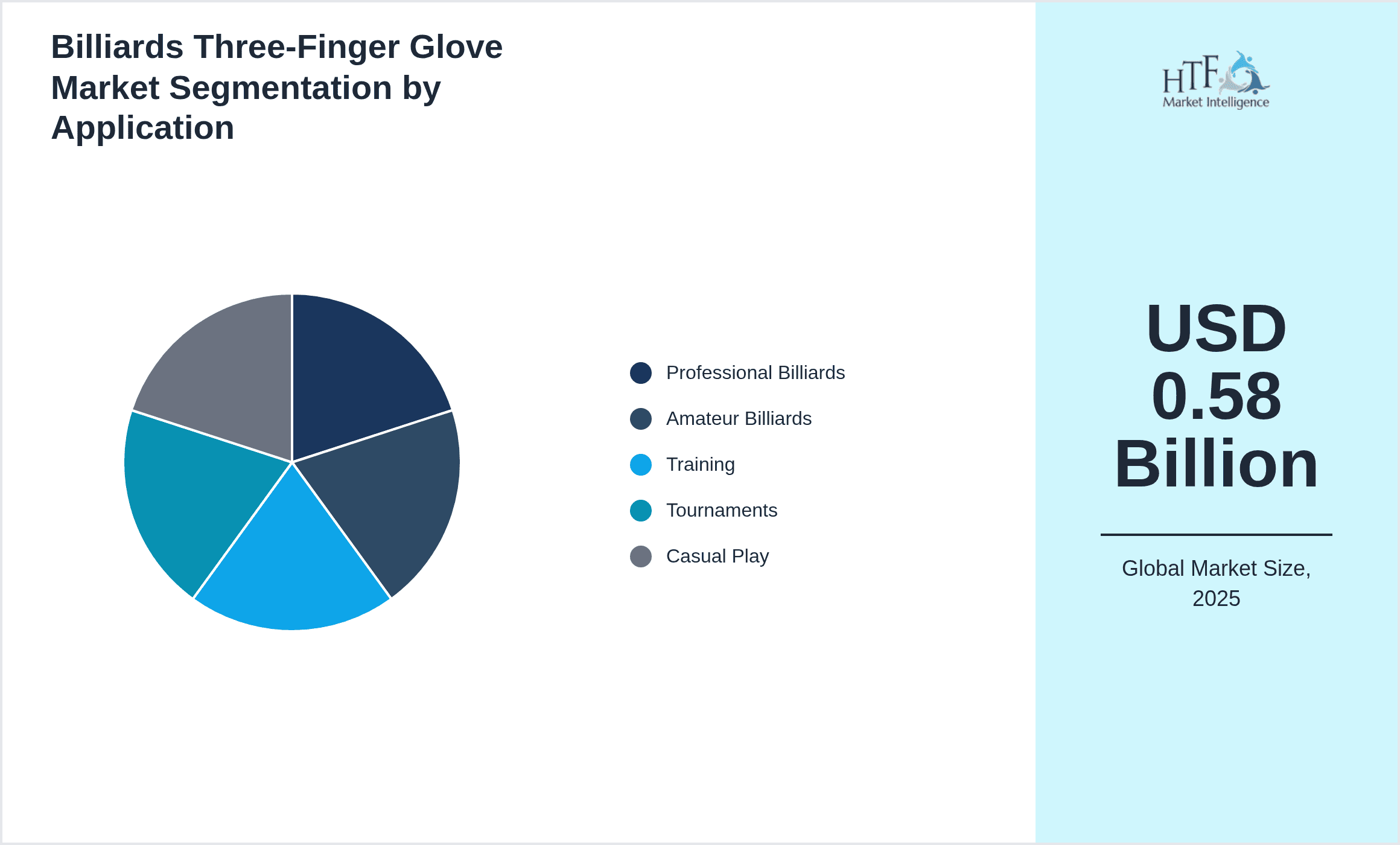
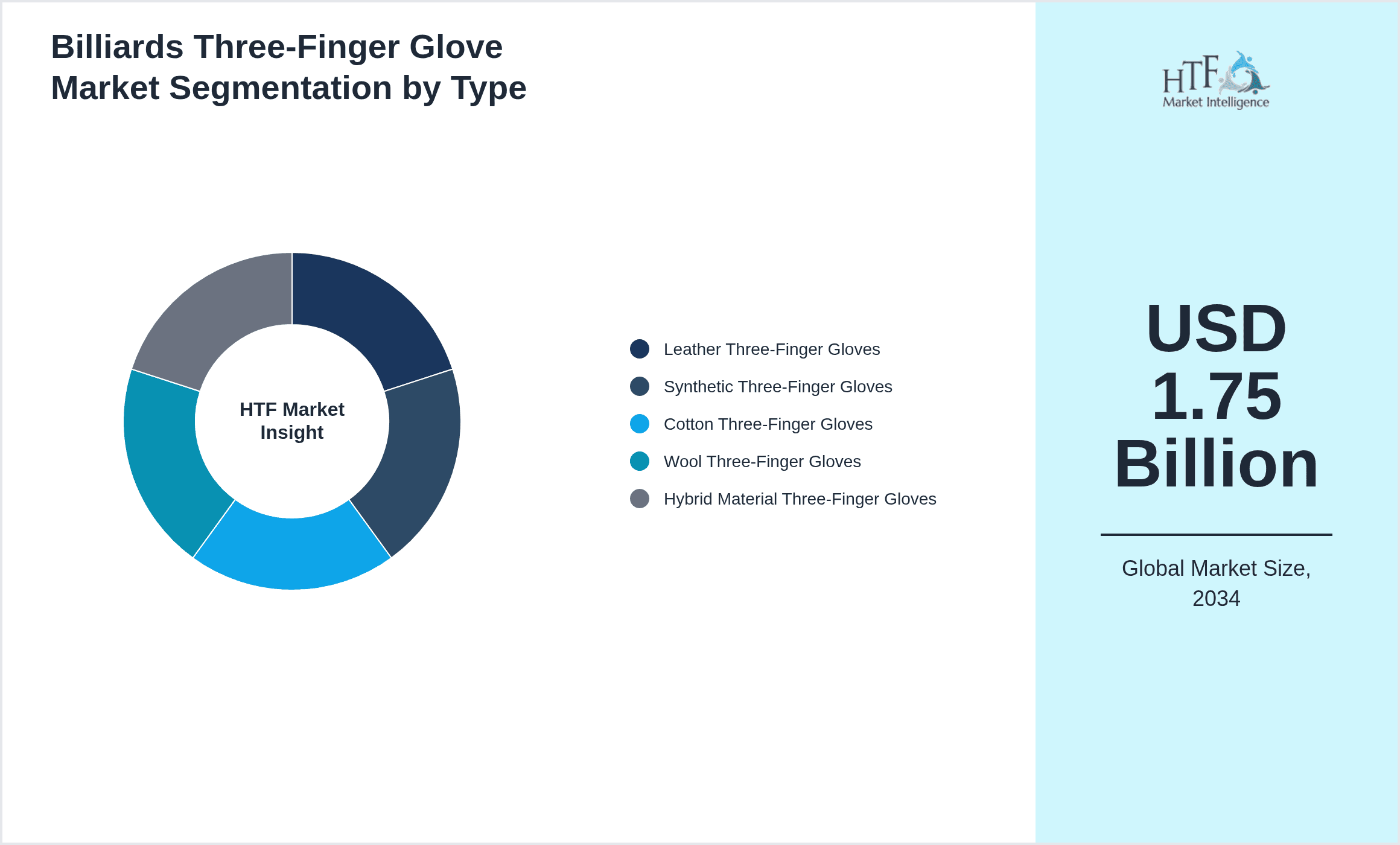
- •By Product Type
- ◦Leather Three-Finger Gloves
- ◦Synthetic Three-Finger Gloves
- ◦Cotton Three-Finger Gloves
- ◦Wool Three-Finger Gloves
- ◦Hybrid Material Three-Finger Gloves
- •By Application
- ◦Professional Billiards
- ◦Amateur Billiards
- ◦Training
- ◦Tournaments
- ◦Casual Play
- •By End-Use Industry
- ◦Sports Clubs & Academies
- ◦Retail & Sports Goods Stores
- ◦Online Retailers
- ◦Event Organizers
- •By Distribution Channel
- ◦Specialty Sports Retailers
- ◦E-commerce Platforms
- ◦Direct Sales
Growth Dynamics
- •The increasing global popularity of cue sports is a primary growth driver, with expanding participation in professional and amateur billiards leagues boosting demand for performance-enhancing gloves. This trend is particularly strong in Asia-Pacific, where rising disposable incomes and sports culture are fueling market expansion.
- •Innovation in glove materials such as breathable synthetics and hybrid fabrics enhances player comfort and durability, attracting new users and encouraging upgrades among existing players. This technological advancement is a key growth mechanism fostering market competitiveness.
- •The rise of e-commerce and digital platforms facilitates wider product accessibility and consumer awareness, allowing manufacturers to reach emerging markets efficiently. Online sales have become a significant channel driving market penetration worldwide.
- •Strategic partnerships with professional players and sponsorship of major billiards tournaments enhance brand visibility and credibility, stimulating demand from enthusiasts and professionals alike. These collaborations strengthen market positioning and consumer trust.
- •Increasing health awareness and demand for ergonomic sports equipment are driving consumers to seek specialized gloves that reduce injury risk and improve performance, thereby expanding the market for premium and customized products.
- •Government and sports federations’ support for cue sports development through funding and event organization stimulates participation rates, indirectly boosting demand for related accessories including three-finger gloves.
- •The growth of recreational billiards as a social activity in urban centers worldwide encourages casual players to invest in quality gloves, expanding the market beyond professional segments and into lifestyle and leisure domains.
Market Trends
- •A noticeable trend is the shift towards sustainable and eco-friendly materials in glove manufacturing, with companies exploring plant-based and recycled fabrics to appeal to environmentally conscious consumers and comply with green regulations.
- •Customization and personalization of billiards gloves, including adjustable fits, bespoke colors, and branding options, have emerged as a differentiator, engaging consumers seeking unique and tailored products.
- •Integration of smart textiles and wearable technology is an emerging trend, with experimental gloves featuring sensors to analyze grip pressure and movement, providing players with data-driven performance insights.
- •The rise of online billiards communities and influencer marketing is reshaping promotional strategies, with brands leveraging social media platforms to engage younger demographics and increase product visibility globally.
- •Expansion of multi-channel retail strategies combining brick-and-mortar presence with e-commerce ensures wider product availability and enhances customer experience through flexible purchasing options.
- •Collaborations between glove manufacturers and cue sports event organizers to produce limited edition or commemorative gloves are gaining traction, boosting sales through exclusivity and collector appeal.
- •Growing emphasis on ergonomic design improvements, including finger articulation and breathability, reflects evolving consumer expectations for comfort during extended play sessions.
Market Opportunities
- •Emerging markets in Asia-Pacific and Latin America present significant growth opportunities due to increasing billiards popularity and rising disposable income, encouraging expansion of distribution networks and localized marketing strategies.
- •Development of hybrid material gloves combining durability and flexibility offers product innovation avenues to capture both professional and casual segments seeking multi-functional performance gloves.
- •E-commerce expansion presents opportunities to reach niche customer segments globally, especially through direct-to-consumer sales models that reduce costs and improve customer engagement.
- •Strategic alliances with sports academies and training centers can facilitate product endorsements and bulk sales, strengthening brand presence among upcoming players and institutions.
- •Investing in research for smart glove technology incorporating performance tracking sensors can position companies as innovators and open new markets in sports analytics and coaching.
- •Expanding product lines to include accessories complementary to gloves, such as cue maintenance kits and carrying cases, can enhance overall customer value and brand loyalty.
- •Targeting casual and recreational billiards players through lifestyle-oriented marketing campaigns could increase adoption and market size beyond traditional professional and competitive segments.
Market Challenges
- •High cost of premium materials like genuine leather limits accessibility for price-sensitive consumers, particularly in emerging markets, constraining overall market penetration.
- •Competition from low-cost unbranded gloves and counterfeit products impacts brand equity and profitability for established manufacturers, creating challenges in quality assurance.
- •Variability in regional preferences for glove types and designs complicates product standardization and inventory management for global players.
- •Supply chain disruptions, including raw material shortages and logistical delays, can impede timely product availability and increase costs.
- •Limited consumer awareness in non-traditional markets about the performance benefits of three-finger gloves restricts adoption rates and necessitates educational marketing efforts.
- •Regulatory uncertainties concerning material safety and environmental standards may impose compliance costs and operational challenges for manufacturers.
- •Rapid technological changes require continuous investment in R&D, which can be a barrier for smaller companies lacking sufficient capital.
Regulatory Framework
- •Between 2019 and 2024, major markets implemented stricter product safety regulations mandating chemical safety and allergen disclosures for sports accessories, directly impacting glove material selection and manufacturing processes.
- •Environmental regulations introduced in North America and Europe require manufacturers to reduce carbon footprint and utilize sustainable materials, encouraging adoption of eco-friendly glove components.
- •Compliance with international standards such as ISO 9001 for quality management has become essential for market access, driving improvements in production and quality assurance systems.
- •Region-specific mandates regarding labor practices and fair trade in Asia-Pacific have influenced supply chain transparency and ethical sourcing of glove materials.
- •Government incentives promoting sports development, including grants and subsidies for equipment manufacturers, have supported innovation and market expansion particularly in emerging economies.
Market Intelligence
- •15th January 2025, Predator Group launched its latest line of eco-friendly billiards three-finger gloves featuring sustainable leather alternatives and enhanced breathability designed for professional players seeking performance and environmental responsibility. The new product line targets tournaments and training applications, aiming to capture growing demand in North America and Europe. The launch included a strategic marketing campaign highlighting the gloves' reduced environmental impact and durability, positioning Predator as an innovator in sustainable sports accessories. This initiative aligns with global trends favoring eco-conscious products and is expected to increase market share in premium segments. Source: Official Predator Group Press Release
- •10th March 2025, Kamui Tips introduced a synthetic three-finger glove with integrated moisture-wicking technology and enhanced grip surfaces tailored for amateur and training applications. This innovation addresses user comfort during extended play and targets expanding markets in Asia-Pacific. Kamui’s new glove is positioned as a cost-effective alternative to leather, aiming to attract a broader customer base including beginners and casual players. The launch was supported by partnerships with regional billiards academies for product trials and feedback, strengthening brand presence in emerging markets. Source: Kamui Tips Corporate Announcement
- •20th February 2025, Master Billiard announced a strategic alliance with e-commerce platform SportsGear Global to expand online distribution of its three-finger glove range internationally. The partnership enables enhanced digital marketing reach and direct-to-consumer sales, targeting North America, Europe, and Asia-Pacific regions. Master Billiard will leverage data analytics from the platform to tailor offerings and improve customer engagement. This move responds to shifting consumer purchasing behavior favoring online channels and is expected to drive significant revenue growth over the next five years. Source: Master Billiard Official Website
- •5th April 2025, Mezz Cues completed an acquisition of a niche synthetic glove manufacturer specializing in customizable three-finger gloves for tournament players. This acquisition aims to broaden Mezz’s product portfolio and enhance innovation capabilities in synthetic materials and ergonomic design. The deal is expected to accelerate Mezz’s market penetration in Asia-Pacific and Europe, where demand for synthetic gloves is rapidly growing. Mezz plans to integrate advanced R&D teams and expand production capacity to meet increasing global demand. Source: Industry Publication on Sports Equipment M&A
Regional Outlook
The North America currently holds a significant share of the market, primarily due to several key factors: increasing consumption rates, a burgeoning population, and robust economic momentum. These elements collectively drive demand, positioning this region as a leader in the market. On the other hand, Asia-Pacific is rapidly emerging as the fastest-growing area within the industry. This remarkable growth can be attributed to swift infrastructure development, the expansion of various industrial sectors, and a marked increase in consumer demand. These dynamics make this region a crucial player in shaping future market growth.
In our report, we cover a comprehensive analysis of the following regions and countries:
- North America
- LATAM
- West Europe
- Central & Eastern Europe
- Northern Europe
- Southern Europe
- East Asia
- Southeast Asia
- South Asia
- Central Asia
- Oceania
- MEA
| Feature | Details |
|---|---|
| Base Year Market Size | USD 0.58 Billion |
| Forecast Year Market Size | USD 1.75 Billion |
| CAGR | 11.04% |
| Forecast Period | 2026 to 2033 |
| YoY Growth | 10.52% |
| Scope of Report | Market is segmented by Product Type (Leather Three-Finger Gloves, Synthetic Three-Finger Gloves, Cotton Three-Finger Gloves, Wool Three-Finger Gloves, Hybrid Material Three-Finger Gloves), Application (Professional Billiards, Amateur Billiards, Training, Tournaments, Casual Play), End-Use Industry (Sports Clubs & Academies, Retail & Sports Goods Stores, Online Retailers, Event Organizers), Distribution Channel (Specialty Sports Retailers, E-commerce Platforms, Direct Sales) |
| Regions Covered | North America, LATAM, West Europe, Central & Eastern Europe, Northern Europe, Southern Europe, East Asia, Southeast Asia, South Asia, Central Asia, Oceania, MEA |
| Key Companies | Predator Group (United States), Kamui Tips (Japan), Master Billiard (United Kingdom), Mezz Cues (Japan), Longoni Cue Sports (Italy), Riley (United Kingdom), OB Cues (United States), Sportglove (Germany), Garlando (Italy), McDermott Cue (United States), Cuetec (United States), Peradon (United Kingdom), Taom Billiards (Russia), Players Billiard (Germany), Viking Cues (United States), Joss Cues (United States), Samsara (South Korea), Meucci Cues (United States), Canis Billiards (China), Ziggi Sports (United States), Cuetec Billiards (United States), Lucasi Cues (United States), Balabushka Cues (United States), Kamui Gloves (Japan), Peradon (United Kingdom) |
Global Billiards Three-Finger Glove Market Size, Growth & Revenue 2024-2034 - Table of Contents
Research enthusiast focused on transforming data uncovering into actionable insights through data-driven decision-making.
Frequently Asked Questions (FAQ):
The Market market is projected to grow at a steady CAGR from 2025 to 2030, driven by increasing demand and expansion in various applications.
North America currently leads the market, followed by Europe and Asia-Pacific.
Key growth drivers include increasing activities, rising demand for innovative solutions, technological advancements, and growing preference for efficient products.