
Global Plastic Cosmetics Packaging Market Size, Growth & Revenue 2024-2034
Global Plastic Cosmetics Packaging Market is segmented by Product Type (Rigid Plastic Packaging, Flexible Plastic Packaging, Bioplastics Packaging, Recycled Plastics Packaging, Other Plastic Packaging), Application (Skincare Packaging, Makeup Packaging, Haircare Packaging, Fragrances Packaging, Other Cosmetic Packaging), End-Use Industry (Personal Care Products, Luxury Cosmetics, Mass Market Cosmetics, Professional Cosmetics), Distribution Channel (Direct Sales, Retail Stores, Online E-commerce), and Geography (North America, LATAM, West Europe, Central & Eastern Europe, Northern Europe, Southern Europe, East Asia, Southeast Asia, South Asia, Central Asia, Oceania, MEA)
Pricing
Report Overview
Executive Summary
- •The global plastic cosmetics packaging market is a dynamic sector that covers the design, manufacture, and supply of plastic-based containers and packaging solutions tailored for cosmetic products worldwide. It includes multiple types of plastics such as rigid, flexible, bioplastics, and recycled materials used across various applications including skincare, makeup, haircare, and fragrances. This market is driven by rising consumer demand for high-quality, sustainable, and innovative packaging solutions that offer protection, convenience, and aesthetic appeal. Industry players are adopting advanced technologies and eco-friendly materials to address environmental concerns and regulatory pressures. The market also reflects trends like lightweight packaging, refillable containers, and smart packaging features that enhance user experience. Its scope spans from raw material production to final delivery, serving global cosmetic brands, manufacturers, and retailers, with a focus on innovation, sustainability, and compliance across diverse regional markets.
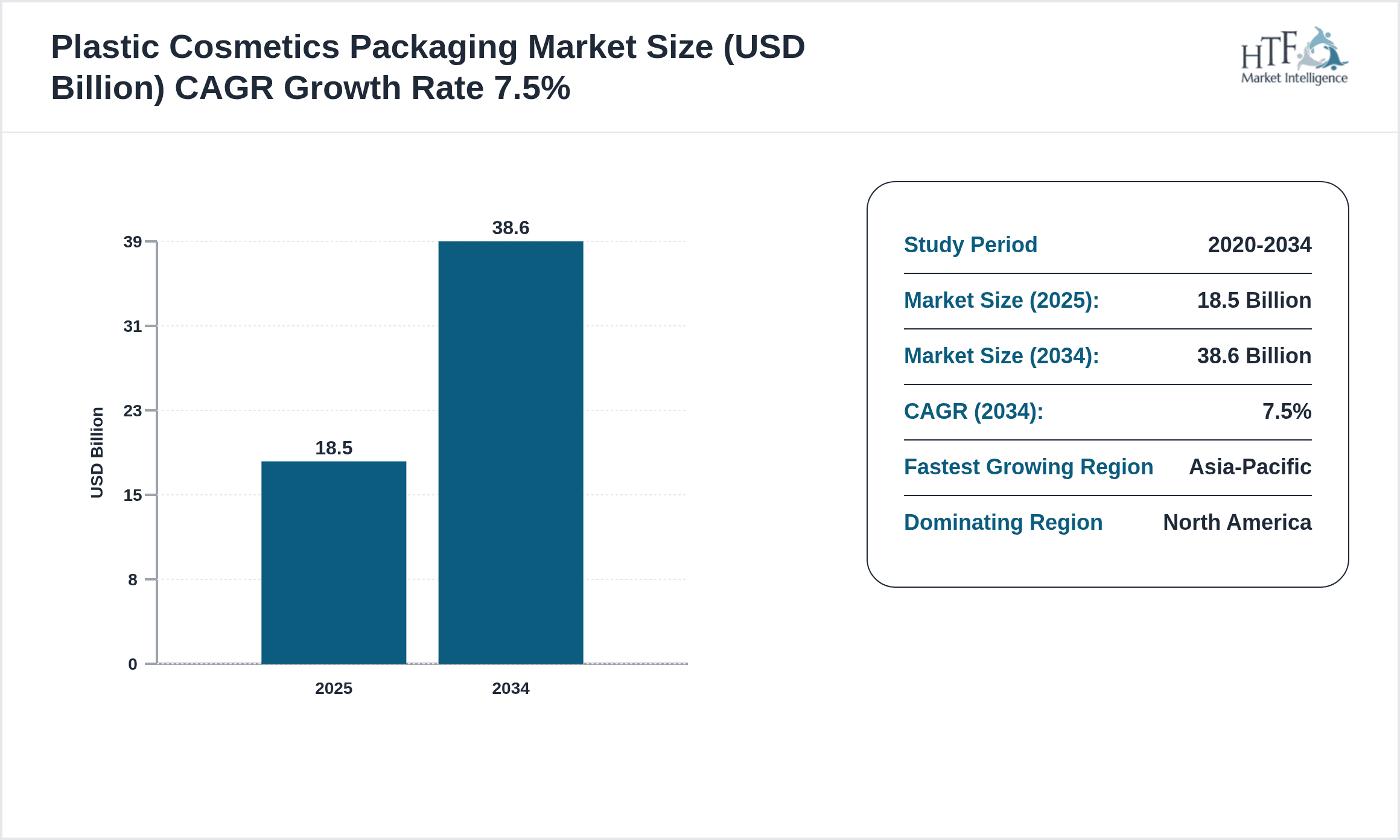
- •Key market highlights include a base market size of USD 18.5 Billion in 2024, with a forecast to reach USD 38.6 Billion by 2034, reflecting a CAGR of 7.5%. North America currently dominates the market, supported by strong regulatory frameworks and high consumer spending on premium cosmetics. Asia-Pacific emerges as the fastest-growing region, propelled by increasing urbanization, rising disposable incomes, and growing awareness of personal care. Rigid plastic remains the leading product type due to its durability and versatility, while bioplastics are gaining rapid traction as the fastest-growing segment, underpinned by sustainability trends. Applications in skincare and makeup packaging maintain significant shares, with fragrances and haircare also contributing robustly to market growth.
- •The plastic cosmetics packaging market offers considerable value to cosmetic manufacturers, distributors, and end consumers by enabling product differentiation, ensuring product safety, and enhancing shelf appeal. Strategic importance lies in balancing innovation with environmental responsibility, as brands seek sustainable packaging to meet consumer expectations and regulatory mandates. This drives investments in bioplastics, recyclable materials, and smart packaging technologies that improve user engagement and supply chain efficiency. The market's growth is also fueled by technological advancements in molding, printing, and design, which allow for customization and premiumization. Overall, this market is critical for the global cosmetics industry's growth, providing essential packaging solutions that align with evolving market trends and sustainability imperatives.
Competitive Landscape
The competitive landscape of the global plastic cosmetics packaging market is characterized by intense rivalry among multinational corporations and regional players striving to innovate and capture market share. Companies compete based on product quality, sustainability initiatives, technological innovation, and cost efficiency. Key strategies include developing eco-friendly packaging solutions such as bioplastics and recycled plastics, investing in smart packaging technologies that enhance consumer engagement, and expanding geographic reach through strategic partnerships and acquisitions. Market players also focus on differentiation through premium design aesthetics and functional enhancements like airtight seals and lightweight structures. Competitive dynamics are influenced by stringent regulatory frameworks and growing consumer demand for sustainable packaging, leading firms to continuously adapt their product portfolios and manufacturing processes. Additionally, collaboration between raw material suppliers and cosmetics manufacturers fosters innovation and supply chain optimization, ensuring responsiveness to evolving market needs and regional preferences.
Leading Companies in Plastic Cosmetics Packaging Market
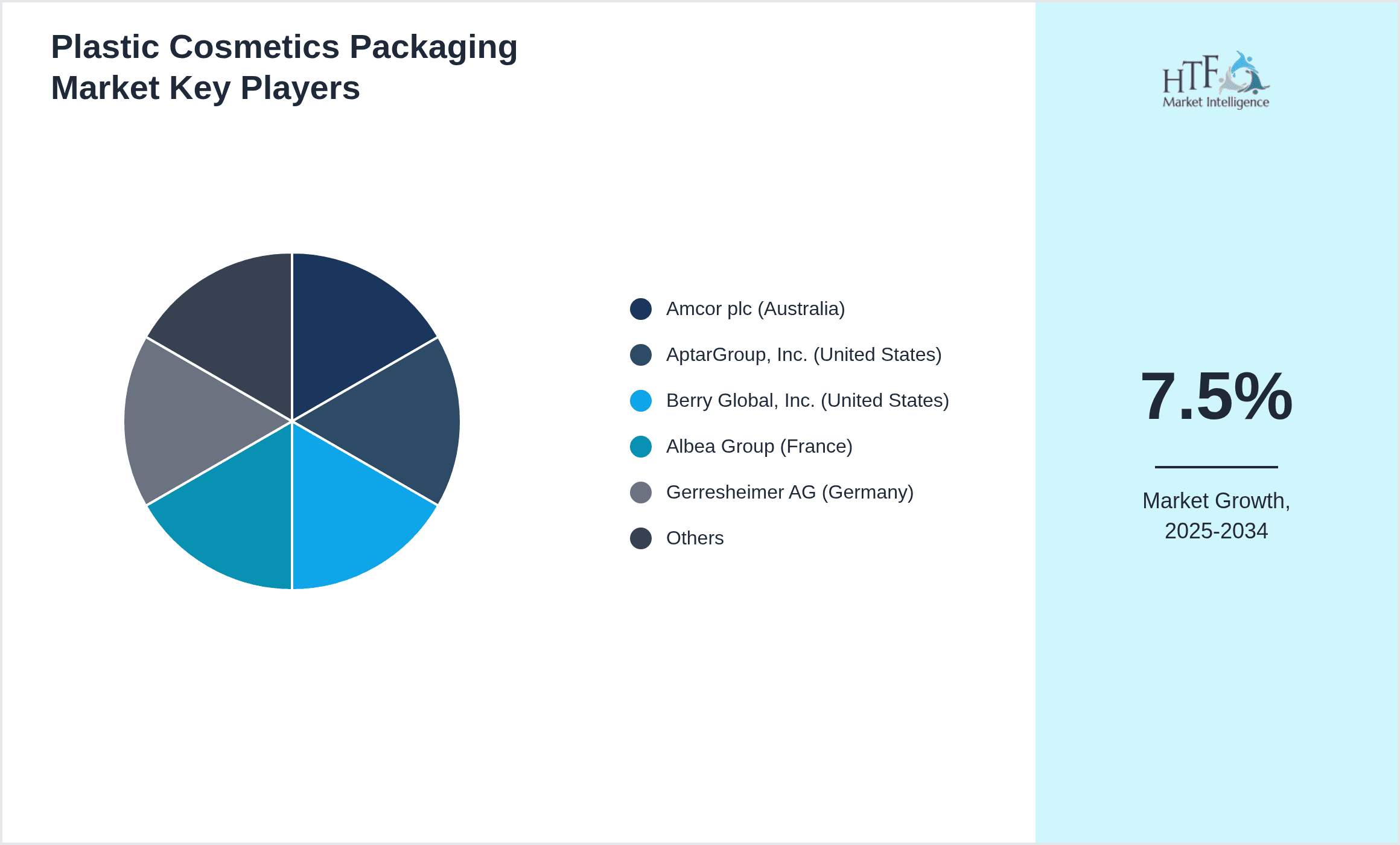
- •Amcor plc (Australia)
- •AptarGroup, Inc. (United States)
- •Berry Global, Inc. (United States)
- •Albea Group (France)
- •Gerresheimer AG (Germany)
- •Silgan Holdings Inc. (United States)
- •WestRock Company (United States)
- •RPC Group Plc (United Kingdom)
- •Mold-Rite Plastics (United States)
- •Quadpack Industries S.A. (Spain)
- •HCT Group (China)
- •Sidel Group (France)
- •Gerresheimer Bünde GmbH (Germany)
- •Alpha Packaging (United States)
- •MJS Packaging (United States)
- •Logoplaste (Portugal)
- •Berry Global Group, Inc. (United States)
- •SIPA S.p.A. (Italy)
- •TricorBraun (United States)
- •Schoeller Allibert (Netherlands)
- •Ningbo Hicon International Industry Co., Ltd. (China)
- •Moldtex Packaging (Malaysia)
- •Plastipak Packaging, Inc. (United States)
- •RPC Bramlage GmbH (Germany)
- •HCP Packaging Co., Ltd. (China)
Market Breakdown
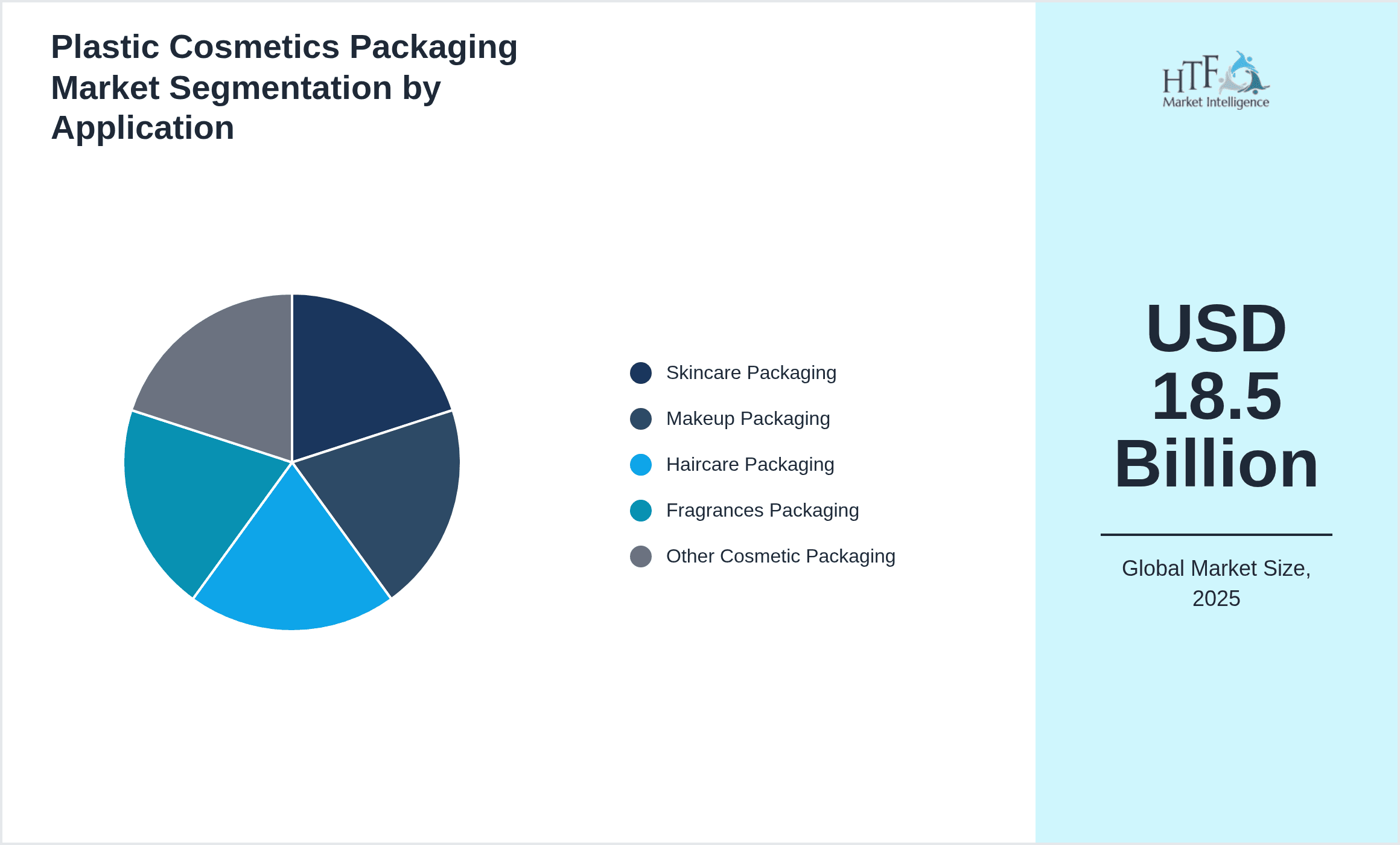
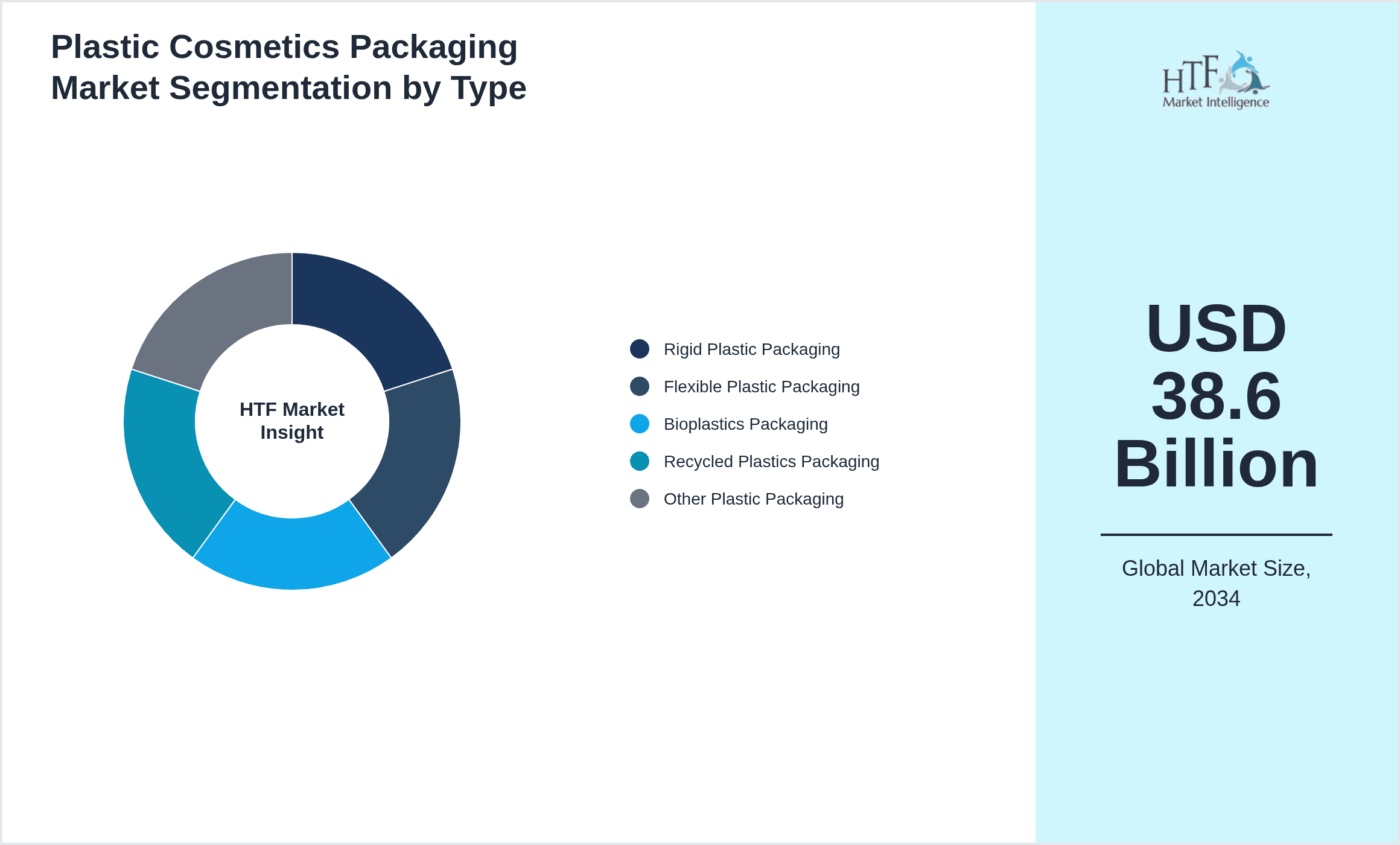
- •By Product Type
- ◦Rigid Plastic Packaging
- ◦Flexible Plastic Packaging
- ◦Bioplastics Packaging
- ◦Recycled Plastics Packaging
- ◦Other Plastic Packaging
- •By Application
- ◦Skincare Packaging
- ◦Makeup Packaging
- ◦Haircare Packaging
- ◦Fragrances Packaging
- ◦Other Cosmetic Packaging
- •By End-Use Industry
- ◦Personal Care Products
- ◦Luxury Cosmetics
- ◦Mass Market Cosmetics
- ◦Professional Cosmetics
- •By Distribution Channel
- ◦Direct Sales
- ◦Retail Stores
- ◦Online E-commerce
Growth Dynamics
- •Rising consumer preference for sustainable and eco-friendly packaging solutions is a principal growth driver, pushing manufacturers to innovate with bioplastics and recycled materials that reduce environmental impact while maintaining product integrity.
- •Technological advancements in molding, labeling, and smart packaging enable enhanced product differentiation and user engagement, boosting demand across premium and mass-market segments globally.
- •Increased urbanization and disposable incomes, especially in Asia-Pacific and Latin America, stimulate growing demand for cosmetics packaged in versatile and attractive plastic containers tailored to regional consumer preferences.
- •Regulatory pressures mandating reduction of plastic waste and promoting recyclability drive innovation in packaging design, compelling companies to adopt compliance-focused, sustainable solutions.
- •Expansion of e-commerce channels globally accelerates demand for durable, lightweight, and protective plastic packaging that ensures product safety during shipping and enhances consumer convenience.
Market Trends
- •Growing adoption of bioplastics and compostable materials reflects the industry's commitment to sustainability and aligns with consumer demand for environmentally responsible products.
- •Smart packaging technologies integrating QR codes and NFC chips are increasingly used to provide product transparency, authenticity verification, and personalized consumer interaction.
- •Minimalist and refillable packaging designs gain traction as brands seek to reduce plastic waste and appeal to eco-conscious consumers, fostering brand loyalty.
- •Collaborations between packaging manufacturers and cosmetic brands intensify to co-develop innovative solutions that combine aesthetics and functionality to meet evolving market needs.
- •Digital printing advancements allow for high-quality, customized packaging graphics, enabling brands to create unique shelf presence and targeted marketing campaigns.
Market Opportunities
- •Emerging markets in Asia-Pacific and Latin America offer substantial growth potential due to rising middle-class consumers and increasing demand for premium cosmetic products requiring advanced packaging solutions.
- •Innovation in sustainable bioplastics and recycled packaging materials presents opportunities for companies to differentiate and capture environmentally conscious consumers globally.
- •Integration of smart packaging features such as sensor technology and interactive labeling can enhance consumer engagement and provide competitive advantage in the cosmetics sector.
- •Expanding e-commerce and direct-to-consumer sales channels create demand for packaging that combines protection with convenience and brand storytelling capabilities.
- •Strategic partnerships between packaging producers and cosmetic brands can facilitate co-innovation and accelerate time-to-market for novel packaging solutions.
Market Challenges
- •High costs associated with developing and scaling sustainable packaging materials, such as bioplastics, limit widespread adoption among smaller cosmetic brands.
- •Complex regulatory environments across different regions create compliance challenges and increase operational costs for packaging manufacturers and cosmetic producers.
- •Supply chain disruptions and raw material price volatility impact production schedules and profitability, particularly for plastic resins and specialty additives used in packaging.
- •Consumer skepticism regarding the recyclability and environmental impact of plastic packaging necessitates transparent communication and credible certifications.
- •Technological barriers in integrating advanced smart packaging features without significantly increasing costs or compromising packaging integrity remain a critical challenge.
Regulatory Framework
- •Between 2019 and 2024, regulations such as the EU’s Single-Use Plastics Directive have mandated reductions in plastic waste and increased recyclability standards, affecting packaging designs and material choices globally.
- •Governments worldwide have implemented labeling requirements to enhance consumer awareness about packaging recyclability and environmental impact, compelling manufacturers to adapt packaging communication strategies.
- •Safety and quality standards for cosmetic packaging materials have been tightened, requiring compliance with certifications such as ISO 9001 and ISO 14001, ensuring product safety and environmental responsibility.
- •Regional mandates in North America and Asia-Pacific emphasize circular economy principles, encouraging the use of recycled plastics and bioplastics in cosmetics packaging by 2025.
- •Government incentives and subsidies for sustainable packaging innovation have been introduced in several regions, promoting research and development in eco-friendly materials and manufacturing processes.
Market Intelligence
- •15th January 2025, Amcor plc launched a new line of fully recyclable rigid plastic containers designed specifically for luxury skincare products, featuring lightweight construction and enhanced barrier properties to extend shelf life. This launch targets premium brands aiming to reduce their carbon footprint without compromising product quality, aligning with growing sustainability trends globally. The containers incorporate advanced polymer blends to ensure durability and recyclability, supporting circular economy goals. Amcor’s initiative is expected to strengthen its leadership position in eco-friendly cosmetics packaging and meet increasing consumer demand for sustainable options. Source: Official Amcor Press Release
- •22nd March 2025, AptarGroup, Inc. introduced an innovative airless pump dispenser that reduces product waste and contamination for makeup and skincare applications. The dispenser features a patented mechanism that ensures full product evacuation while maintaining airtight protection, enhancing user experience and product longevity. This technology is designed to appeal to premium cosmetics brands focusing on sustainability and performance. AptarGroup’s new product aims to capture growing market share in the luxury segment and support brand differentiation strategies. Source: AptarGroup Corporate Website
- •10th May 2025, Berry Global, Inc. announced a strategic partnership with a leading bioplastics manufacturer to co-develop sustainable packaging solutions for haircare and fragrance products. This collaboration focuses on integrating compostable materials and innovative manufacturing techniques to reduce environmental impact and comply with emerging regulations. Berry Global aims to expand its sustainable product portfolio and meet growing demand in North America and Europe. The partnership is expected to accelerate commercialization of cutting-edge eco-friendly packaging across multiple cosmetic categories. Source: Industry Publication
- •5th July 2025, Albea Group completed the acquisition of a specialized flexible packaging firm to strengthen its position in sustainable cosmetics packaging. The acquisition enhances Albea’s capabilities in producing biodegradable tubes and pouches, catering to increasing demand for flexible, eco-conscious packaging formats. This move supports Albea’s strategic growth ambitions in Asia-Pacific and Latin America, regions identified for rapid market expansion. The integration is anticipated to improve product innovation and operational efficiency. Source: Albea Official Announcement
Regional Outlook
The North America currently holds a significant share of the market, primarily due to several key factors: increasing consumption rates, a burgeoning population, and robust economic momentum. These elements collectively drive demand, positioning this region as a leader in the market. On the other hand, Asia-Pacific is rapidly emerging as the fastest-growing area within the industry. This remarkable growth can be attributed to swift infrastructure development, the expansion of various industrial sectors, and a marked increase in consumer demand. These dynamics make this region a crucial player in shaping future market growth.
In our report, we cover a comprehensive analysis of the following regions and countries:
- North America
- LATAM
- West Europe
- Central & Eastern Europe
- Northern Europe
- Southern Europe
- East Asia
- Southeast Asia
- South Asia
- Central Asia
- Oceania
- MEA
| Feature | Details |
|---|---|
| Base Year Market Size | USD 18.5 Billion |
| Forecast Year Market Size | USD 38.6 Billion |
| CAGR | 7.5% |
| Forecast Period | 2026 to 2033 |
| YoY Growth | 7.25% |
| Scope of Report | Market is segmented by Product Type (Rigid Plastic Packaging, Flexible Plastic Packaging, Bioplastics Packaging, Recycled Plastics Packaging, Other Plastic Packaging), Application (Skincare Packaging, Makeup Packaging, Haircare Packaging, Fragrances Packaging, Other Cosmetic Packaging), End-Use Industry (Personal Care Products, Luxury Cosmetics, Mass Market Cosmetics, Professional Cosmetics), Distribution Channel (Direct Sales, Retail Stores, Online E-commerce) |
| Regions Covered | North America, LATAM, West Europe, Central & Eastern Europe, Northern Europe, Southern Europe, East Asia, Southeast Asia, South Asia, Central Asia, Oceania, MEA |
| Key Companies | Amcor plc (Australia), AptarGroup, Inc. (United States), Berry Global, Inc. (United States), Albea Group (France), Gerresheimer AG (Germany), Silgan Holdings Inc. (United States), WestRock Company (United States), RPC Group Plc (United Kingdom), Mold-Rite Plastics (United States), Quadpack Industries S.A. (Spain), HCT Group (China), Sidel Group (France), Gerresheimer Bünde GmbH (Germany), Alpha Packaging (United States), MJS Packaging (United States), Logoplaste (Portugal), Berry Global Group, Inc. (United States), SIPA S.p.A. (Italy), TricorBraun (United States), Schoeller Allibert (Netherlands), Ningbo Hicon International Industry Co., Ltd. (China), Moldtex Packaging (Malaysia), Plastipak Packaging, Inc. (United States), RPC Bramlage GmbH (Germany), HCP Packaging Co., Ltd. (China) |
Global Plastic Cosmetics Packaging Market Size, Growth & Revenue 2024-2034 - Table of Contents
Research enthusiast focused on transforming data uncovering into actionable insights through data-driven decision-making.
Frequently Asked Questions (FAQ):
The Compact Track Loaders market is expected to see value worth 5.3 Billion in 2025.
North America currently leads the market with approximately 45% market share, followed by Europe at 28% and Asia-Pacific at 22%. The remaining regions account for 5% of the global market.
Key growth drivers include increasing construction activities, rising demand for versatile equipment in agriculture, technological advancements in track loader design, and growing preference for compact equipment in urban construction projects.