
Global Peony Cut Flower Market - Outlook 2020-2034
Global Peony Cut Flower Market is segmented by Product Type (Herbaceous Peony, Tree Peony, Intersectional Peony, Itoh Peony, Hybrid Peony), Application (Floral Arrangements, Wedding Decorations, Event Decorations, Personal Gifting, Commercial Landscaping), End-Use Industry (Retail Floristry, Event Management, Hospitality, Landscape Architecture), Distribution Channel (Direct Sales, Wholesale Markets, E-commerce Platforms), and Geography (North America, LATAM, West Europe, Central & Eastern Europe, Northern Europe, Southern Europe, East Asia, Southeast Asia, South Asia, Central Asia, Oceania, MEA)
Pricing
Report Overview
Executive Summary
- •The global Peony Cut Flower market represents a dynamic segment of the floriculture industry, covering the cultivation, harvesting, and supply of peony flowers used predominantly as cut flowers in various decorative and commercial applications. The market includes multiple peony varieties such as herbaceous, tree, Itoh, intersectional, and hybrid peonies, each catering to diverse consumer preferences and decorative needs. Applications extend to floral arrangements, weddings, corporate events, personal gifting, and commercial landscaping, highlighting the flower's versatility and aesthetic appeal. The comprehensive value chain spans growers, distributors, wholesalers, florists, and end-users, supported by advancements in agriculture technology, logistics, and preservation techniques ensuring product freshness and quality. Market growth is propelled by rising consumer interest in premium and exotic floral products, increased wedding and event activities worldwide, and the expansion of commercial landscaping. Challenges like climatic sensitivity, perishability, and seasonal constraints are addressed through innovations in greenhouse cultivation and cold chain logistics. Regionally, North America dominates due to mature floriculture infrastructure and high consumer spending, while Asia-Pacific exhibits rapid growth driven by expanding middle-class populations and increasing adoption of ornamental horticulture. Overall, the market is poised for steady expansion from 2025 to 2034, driven by evolving consumer lifestyles and technological advancements in floriculture.
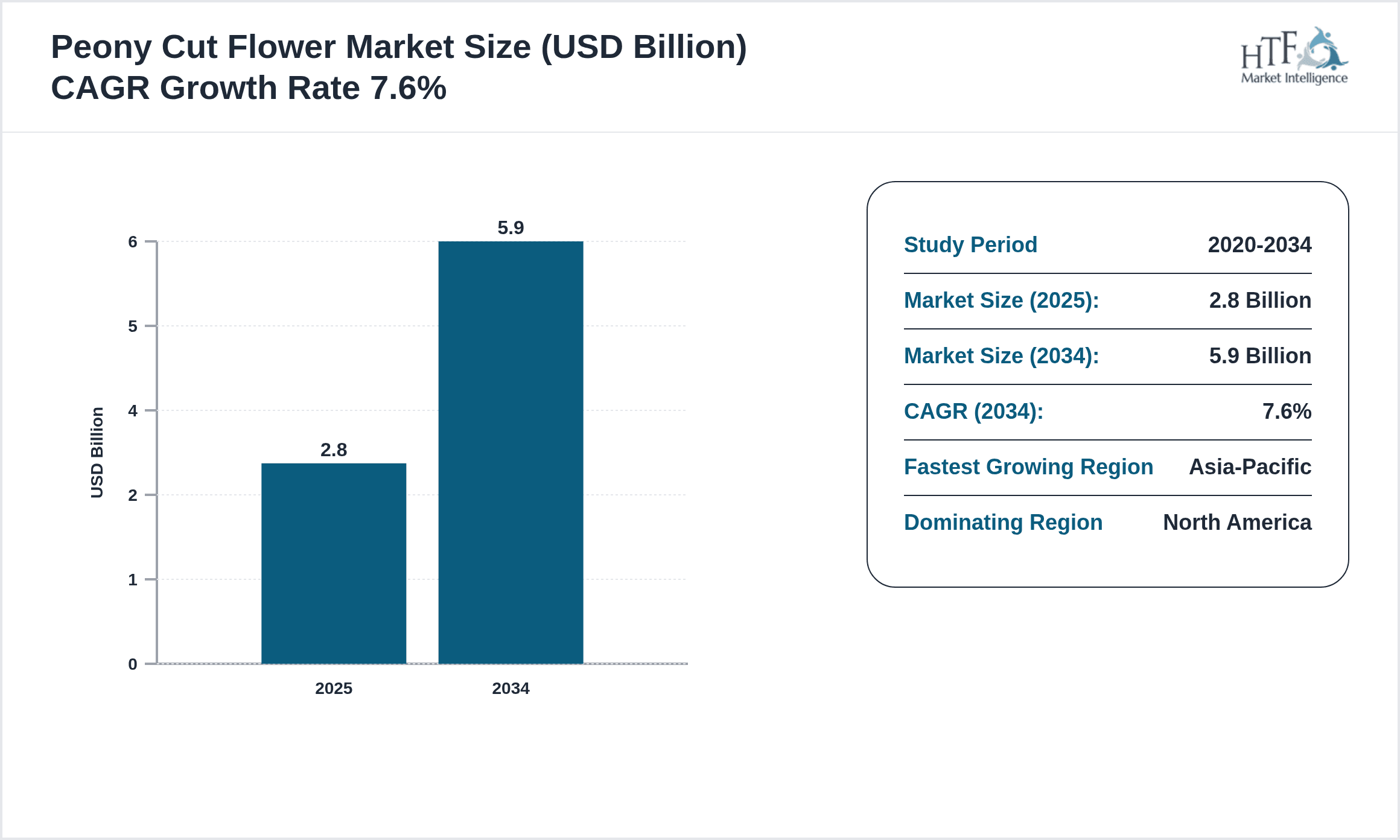
- •Key highlights include a base market size of USD 2.8 Billion in 2025, forecasted to reach USD 5.9 Billion by 2034, reflecting a CAGR of 7.6%. The global demand is led by North America, with Asia-Pacific emerging as the fastest growing region. Herbaceous peonies remain the leading product type by market share, while Itoh peonies register the highest growth rate due to their hybrid vigor and extended blooming period. Increasing urbanization, rising disposable incomes, and the growing popularity of floral decorations for events and personal use are significant growth drivers. Technological advancements in cultivation and supply chain improvements further enhance market potential.
- •The Peony Cut Flower market offers substantial value to stakeholders including growers, distributors, event planners, and retail florists by catering to rising consumer demand for quality ornamental flowers. Strategic investments in sustainable farming and cold chain logistics create competitive advantages, while innovations in hybrid varieties open new avenues for product differentiation. The market's importance is underscored by its contribution to the global floriculture ecosystem, supporting employment, trade, and cultural practices. Growth opportunities abound in emerging markets, driven by evolving consumer preferences and increasing commercialization of floral products.
Competitive Landscape
The competitive environment of the global Peony Cut Flower market is characterized by a diverse array of players ranging from small-scale growers to large multinational horticultural enterprises. Market dynamics are influenced by factors such as product quality, supply chain efficiency, innovation in hybrid varieties, and geographical reach. Companies employ strategies including strategic partnerships, mergers and acquisitions, and investments in sustainable cultivation practices to enhance market positioning. Innovation plays a significant role, with firms focusing on developing disease-resistant and longer-lasting peony varieties to meet consumer demands. Pricing strategies are adapted to reflect seasonal availability and regional supply-demand variations. Distribution channels encompass direct sales to florists, e-commerce platforms, and wholesale markets, ensuring extensive market penetration. Entry barriers include capital-intensive cultivation infrastructure and the need for specialized horticultural expertise. Regional competition is notable, with North America and Europe hosting well-established players, while Asia-Pacific attracts emerging producers leveraging cost advantages. Future competitive trends point towards increased digitalization, eco-friendly practices, and product diversification to sustain growth and profitability.
Leading Companies in Peony Cut Flower Market
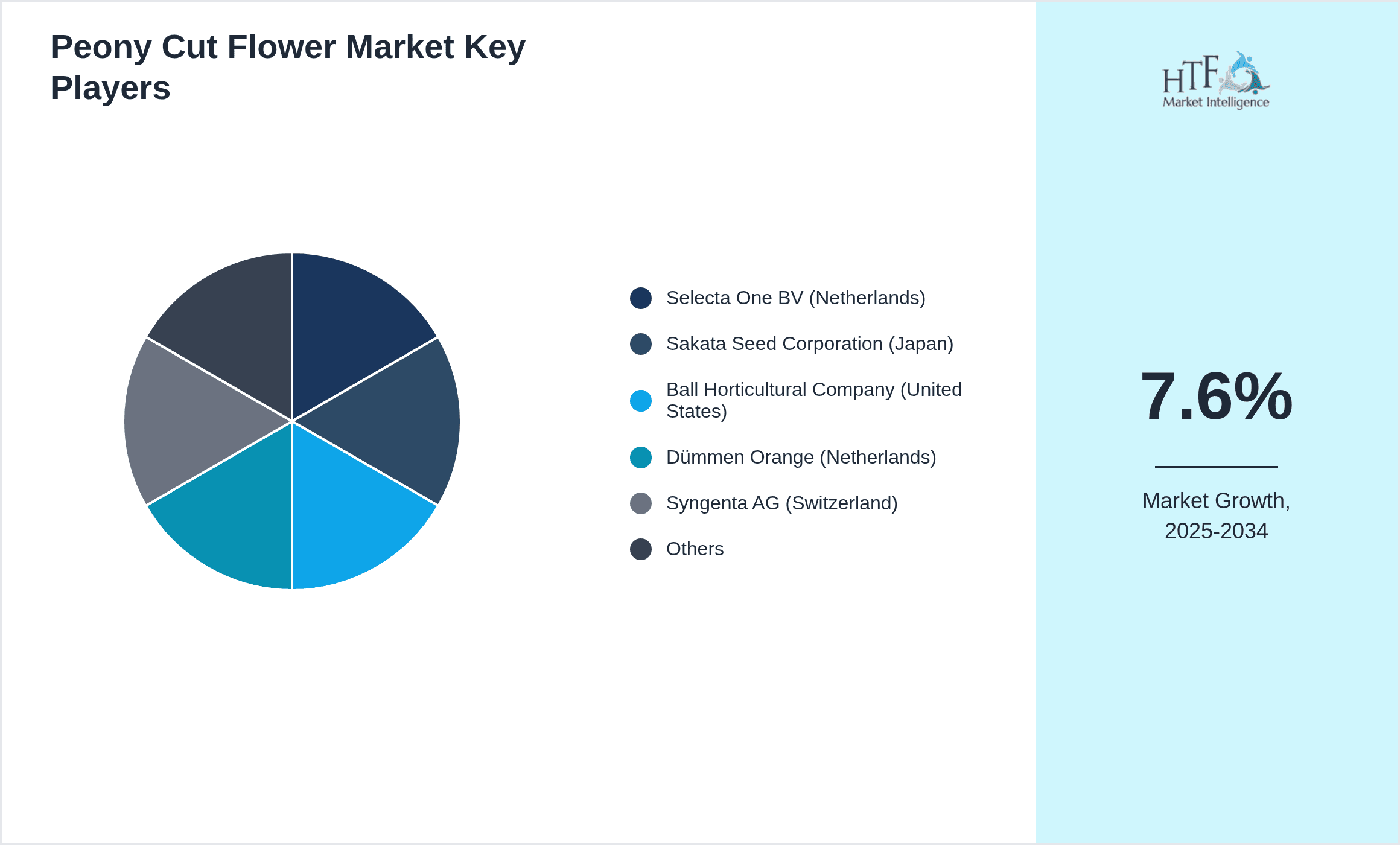
- •Selecta One BV (Netherlands)
- •Sakata Seed Corporation (Japan)
- •Ball Horticultural Company (United States)
- •Dümmen Orange (Netherlands)
- •Syngenta AG (Switzerland)
- •Florensis Group (Netherlands)
- •Vilmorin & Cie (France)
- •Hokko Chemical Industry Co., Ltd. (Japan)
- •Ornamental Horticulture Group (Canada)
- •Plantipp BV (Netherlands)
- •Burpee Seeds (United States)
- •J. Berry Nursery (United States)
- •Beekenkamp Plants BV (Netherlands)
- •Floralife (United States)
- •Holland Flower Group (Netherlands)
- •Takii & Co., Ltd. (Japan)
- •Costa Farms (United States)
- •Rijk Zwaan (Netherlands)
- •Ball Seed Company (United States)
- •PanAmerican Seed (United States)
- •Sakata Seed America, Inc. (United States)
- •Danziger 'Dan' Flower Farm (Israel)
- •Meijer Flower Bulbs & Plants (Netherlands)
- •Van Belle Nursery (United States)
- •Harris Seeds (United States)
Market Breakdown
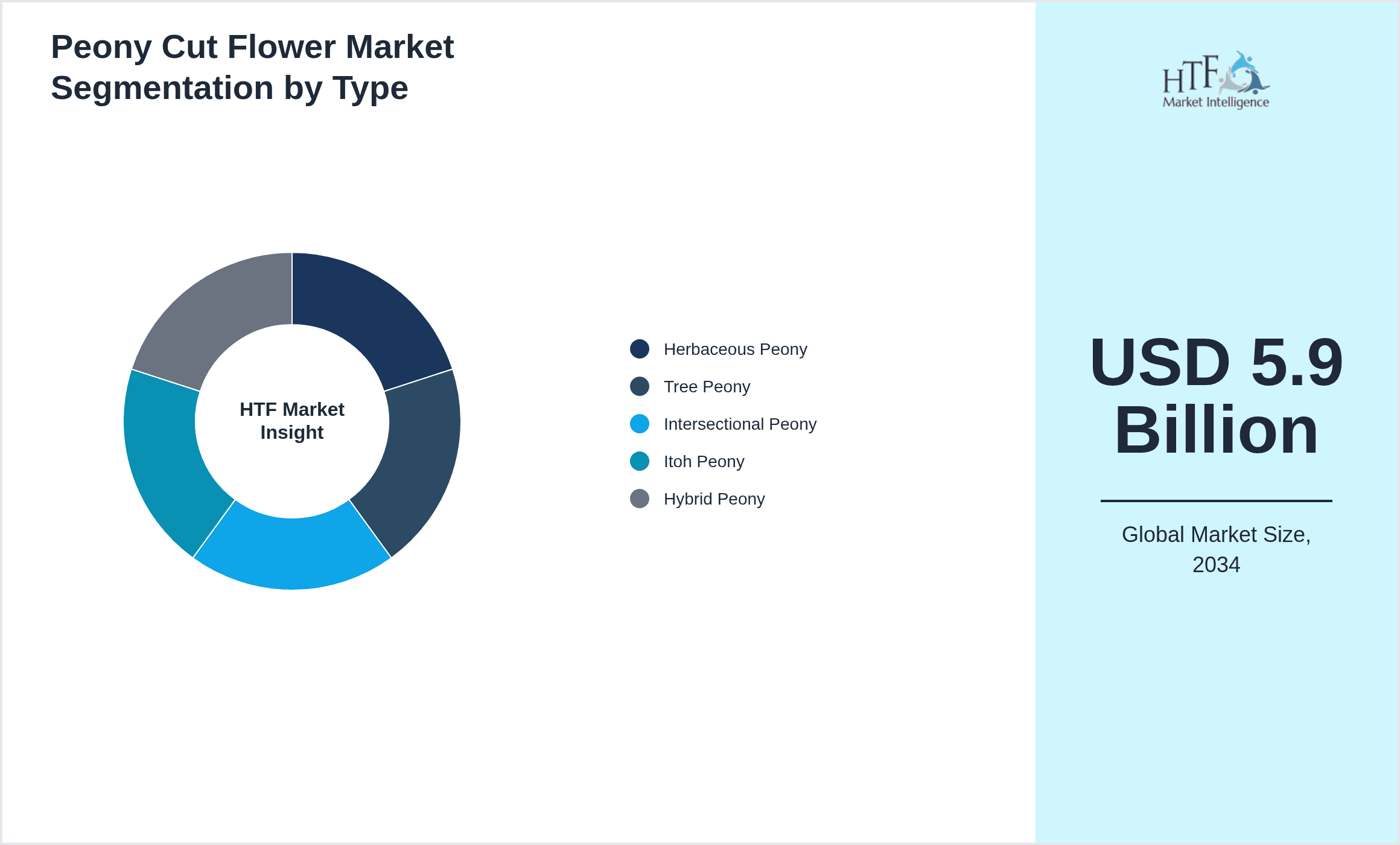
- •By Product Type
- ◦Herbaceous Peony
- ◦Tree Peony
- ◦Intersectional Peony
- ◦Itoh Peony
- ◦Hybrid Peony
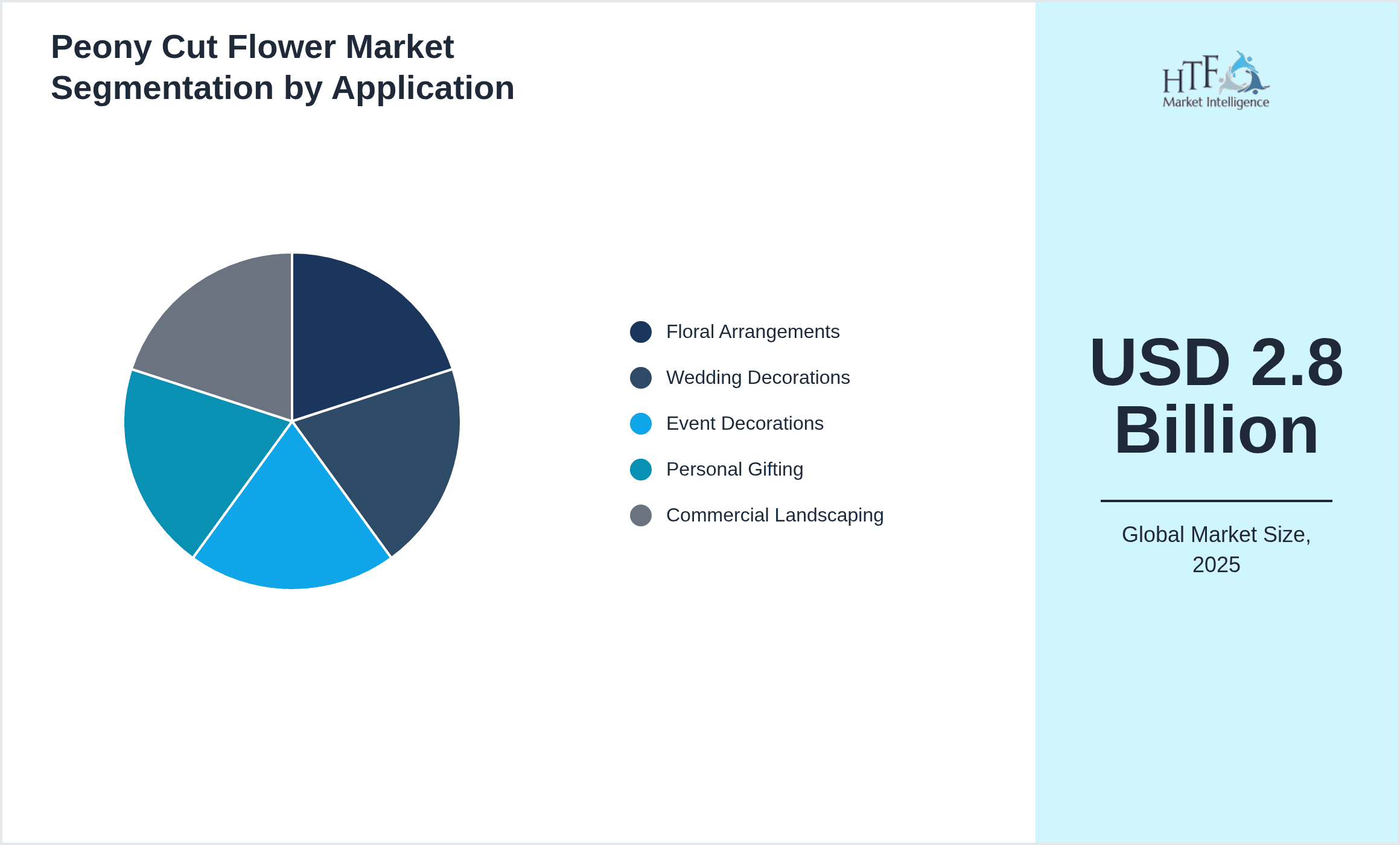
- •By Application
- ◦Floral Arrangements
- ◦Wedding Decorations
- ◦Event Decorations
- ◦Personal Gifting
- ◦Commercial Landscaping
- •By End-Use Industry
- ◦Retail Floristry
- ◦Event Management
- ◦Hospitality
- ◦Landscape Architecture
- •By Distribution Channel
- ◦Direct Sales
- ◦Wholesale Markets
- ◦E-commerce Platforms
Growth Dynamics
- •The growing global demand for ornamental flowers, especially peonies, is fueled by increasing consumer preference for natural and premium floral products. Rising disposable incomes in emerging economies have expanded the customer base for luxury flowers, driving market growth. Additionally, the growth of the wedding and events industry globally has significantly increased the usage of peonies as preferred decorative flowers. Technological advancements in cultivation techniques, including greenhouse farming and disease resistance breeding, have enhanced yield and quality, further propelling market expansion.
- •Improved cold chain logistics and transportation infrastructure have reduced the perishability challenges associated with cut flowers, allowing year-round availability and expanding geographic reach. The increasing trend of online flower retailing has also contributed to market growth by providing consumers with convenient access to diverse peony varieties. Furthermore, the development of hybrid peonies with extended blooming periods and varied colors has attracted new consumer segments and boosted sales volumes.
- •Sustainability initiatives and eco-friendly farming practices have gained traction, with growers adopting organic cultivation methods that appeal to environmentally conscious consumers. Government support and subsidies in floriculture sectors in key regions have stimulated investments and innovation, enhancing market competitiveness. Partnerships and collaborations among growers, distributors, and retailers have optimized supply chains, reducing costs and improving product availability.
- •The increased focus on customization and personalized floral products in the retail and event sectors has created niche opportunities for specialty peony varieties. Moreover, expanding urban green spaces and commercial landscaping projects have driven demand for peonies as landscape plants, complementing their role as cut flowers. These diverse growth drivers collectively underpin a robust market outlook through 2034.
Market Trends
- •A notable trend is the rising popularity of sustainable and ethically sourced peony flowers, with consumers showing preference for organically grown and pesticide-free products. This has encouraged producers to adopt eco-friendly cultivation and certification practices, enhancing market appeal. Additionally, the integration of digital technologies for inventory and order management has streamlined supply chains, reducing waste and improving customer satisfaction.
- •Innovation in hybrid breeding has introduced new peony varieties featuring unique colors, enhanced fragrance, and longer vase life, attracting both growers and consumers. The trend towards personalization in floral arrangements has led to increased demand for rare and specialty peonies, supporting premium pricing strategies. Moreover, the growing influence of social media and online floral communities has amplified awareness and demand for peony cut flowers globally.
- •E-commerce platforms have become significant channels for selling peony cut flowers, especially in the context of the COVID-19 pandemic, which accelerated online retail adoption. This shift has expanded market reach and enabled direct-to-consumer sales, reducing intermediaries and improving margins. Furthermore, collaborations between florists and event planners have fostered innovative floral designs incorporating peonies, elevating their market status.
- •The trend of incorporating peonies in non-traditional applications such as corporate gifting and luxury packaging reflects diversification in market use cases. Additionally, increasing investments in floriculture research and development have enhanced disease resistance and climate adaptability of peony plants, enabling cultivation in new regions and extending the growing season.
Market Opportunities
- •Expanding the cultivation of hybrid peonies with improved traits presents significant growth potential by addressing consumer demand for novelty and quality. Targeting emerging markets with rising disposable incomes and increasing interest in ornamental horticulture offers vast untapped sales opportunities. Developing value-added products such as peony-scented perfumes and cosmetics can diversify revenue streams linked to the flower's brand.
- •Investment in cold chain infrastructure and logistics optimization can enhance product freshness and expand market accessibility, particularly in regions with limited local production. Collaborations between growers and e-commerce platforms can unlock direct-to-consumer channels, increasing margins and consumer engagement. Additionally, leveraging digital marketing and social media to educate consumers about peony varieties and care can stimulate demand.
- •The growing popularity of sustainable and organic flowers opens avenues for certified peony products commanding premium prices. Expanding commercial landscaping projects and urban green initiatives also create demand for peony plants beyond cut flowers. Lastly, developing seasonal and event-specific product lines can capitalize on cyclical demand patterns and increase market penetration.
- •Strategic acquisitions and partnerships within the floriculture supply chain can consolidate market presence and enhance innovation capabilities. Governments' increasing support for floriculture through subsidies and training programs can facilitate business expansion and adoption of best practices. These opportunities collectively position the peony cut flower market for sustained growth over the forecast period.
Market Challenges
- •The perishability of peony cut flowers poses significant supply chain challenges, requiring advanced cold storage and rapid transportation to maintain quality. Seasonal and climatic dependencies limit year-round production in many regions, affecting supply stability and pricing. Additionally, susceptibility to pests and diseases necessitates stringent cultivation practices and increases production costs.
- •High initial investment requirements for greenhouse infrastructure and technological adoption can be a barrier for small-scale growers. Market fragmentation and the presence of numerous small players complicate standardization and quality control efforts. Furthermore, fluctuations in consumer preferences and economic uncertainties can impact demand volatility.
- •Regulatory compliance related to pesticide use, import-export restrictions, and phytosanitary certifications adds complexity to international trade. Competition from substitute ornamental flowers and synthetic decorative products also pressures market share and pricing. Lastly, challenges in skilled labor availability for specialized horticultural activities affect production efficiency.
- •Environmental concerns and the need for sustainable water and resource use require ongoing innovation and investment, which some growers may find challenging. These factors collectively constrain market growth and necessitate strategic management to overcome.
Regulatory Framework
- •Between 2020 and 2025, numerous countries implemented phytosanitary regulations to control the import and export of cut flowers, including peonies, to prevent the spread of pests and diseases. These regulations mandate certification and inspection processes that affect supply chain timelines and costs.
- •Environmental protection laws focusing on pesticide residue limits and sustainable farming practices have been enforced globally, requiring growers to adhere to strict guidelines to maintain market access. Compliance with these regulations has driven the adoption of integrated pest management and organic cultivation techniques.
- •Trade agreements between major flower-exporting and importing countries have facilitated smoother customs procedures and reduced tariffs, enhancing market fluidity. However, evolving geopolitical situations occasionally introduce policy uncertainties affecting cross-border trade.
- •Specific regional mandates, such as the European Union’s Green Deal and Farm to Fork strategy, emphasize reducing environmental impact and promoting sustainable floriculture, encouraging innovation and investment in eco-friendly practices within the peony cut flower sector.
- •Government subsidy programs and support initiatives aimed at floriculture entrepreneurs have been expanded in key markets to promote rural employment and sustainable agriculture, thereby strengthening the overall regulatory environment supporting the peony cut flower industry.
Market Intelligence
- •15th January 2025, Selecta One BV launched a new series of disease-resistant herbaceous peony cultivars designed for extended vase life and vibrant color retention. These cultivars target commercial florists and event decorators seeking durable and visually appealing products. The development incorporates advanced breeding techniques enhancing resistance to fungal infections common in peony cultivation. This launch is expected to strengthen Selecta One’s market position in North America and Europe by addressing key quality concerns and expanding product offerings. Source: Selecta One BV Official Press Release.
- •22nd March 2025, Sakata Seed Corporation introduced hybrid Itoh peony varieties with novel pastel hues and enhanced fragrance profiles, aimed at premium retail and wedding decoration markets in Asia-Pacific. The innovation leverages cross-breeding technologies to combine the robustness of tree peonies with the blooming characteristics of herbaceous types. Market analysts anticipate increased adoption due to growing demand for exotic and customizable floral products in emerging economies. Sakata’s strategic focus on R&D underlines the company's commitment to market leadership and product differentiation. Source: Sakata Seed Corporation Newsroom.
- •5th June 2025, Ball Horticultural Company announced a strategic partnership with leading e-commerce floral platform to facilitate direct-to-consumer sales of peony cut flowers, enhancing distribution efficiency and consumer reach. This initiative includes integrated logistics and digital marketing support to optimize inventory management and enhance customer experience. The partnership is expected to accelerate market penetration in the United States and Canada, leveraging growing trends in online flower purchasing post-pandemic. The collaboration exemplifies innovation in supply chain and sales models within the floriculture industry. Source: Ball Horticultural Company Press Release.
- •10th September 2025, Dümmen Orange completed the acquisition of a boutique peony breeder specializing in rare and specialty varieties, aiming to expand its portfolio and strengthen its foothold in the premium segment. The acquisition brings proprietary breeding technologies and an exclusive range of peony cultivars catering to luxury event planners and upscale retail outlets. Market experts expect this move to enhance Dümmen Orange’s competitive advantage through product diversification and innovation. The transaction reflects ongoing consolidation trends in the floriculture sector focused on achieving scale and innovation leadership. Source: Dümmen Orange Corporate Announcement.
Regional Outlook
The North America currently holds a significant share of the market, primarily due to several key factors: increasing consumption rates, a burgeoning population, and robust economic momentum. These elements collectively drive demand, positioning this region as a leader in the market. On the other hand, Asia-Pacific is rapidly emerging as the fastest-growing area within the industry. This remarkable growth can be attributed to swift infrastructure development, the expansion of various industrial sectors, and a marked increase in consumer demand. These dynamics make this region a crucial player in shaping future market growth.
In our report, we cover a comprehensive analysis of the following regions and countries:
- North America
- LATAM
- West Europe
- Central & Eastern Europe
- Northern Europe
- Southern Europe
- East Asia
- Southeast Asia
- South Asia
- Central Asia
- Oceania
- MEA
| Feature | Details |
|---|---|
| Base Year Market Size | USD 2.8 Billion |
| Forecast Year Market Size | USD 5.9 Billion |
| CAGR | 7.6% |
| Forecast Period | 2026 to 2033 |
| YoY Growth | 7.2% |
| Scope of Report | Market is segmented by Product Type (Herbaceous Peony, Tree Peony, Intersectional Peony, Itoh Peony, Hybrid Peony), Application (Floral Arrangements, Wedding Decorations, Event Decorations, Personal Gifting, Commercial Landscaping), End-Use Industry (Retail Floristry, Event Management, Hospitality, Landscape Architecture), Distribution Channel (Direct Sales, Wholesale Markets, E-commerce Platforms) |
| Regions Covered | North America, LATAM, West Europe, Central & Eastern Europe, Northern Europe, Southern Europe, East Asia, Southeast Asia, South Asia, Central Asia, Oceania, MEA |
| Key Companies | Selecta One BV (Netherlands), Sakata Seed Corporation (Japan), Ball Horticultural Company (United States), Dümmen Orange (Netherlands), Syngenta AG (Switzerland) |
Global Peony Cut Flower Market - Outlook 2020-2034 - Table of Contents
Research enthusiast focused on transforming data uncovering into actionable insights through data-driven decision-making.
Frequently Asked Questions (FAQ):
The Compact Track Loaders market is projected to grow at a CAGR of 6.8% from 2025 to 2030, driven by increasing demand in construction and agricultural sectors.
North America currently leads the market with approximately 45% market share, followed by Europe at 28% and Asia-Pacific at 22%. The remaining regions account for 5% of the global market.
Key growth drivers include increasing construction activities, rising demand for versatile equipment in agriculture, technological advancements in track loader design, and growing preference for compact equipment in urban construction projects.