
Europe Arsenic Trioxide Market - Europe Size & Outlook 2020-2034
Europe Arsenic Trioxide Market is segmented by Product Type (Pharmaceutical Grade Arsenic Trioxide, Industrial Grade Arsenic Trioxide, Technical Grade Arsenic Trioxide, Reagent Grade Arsenic Trioxide, Other Specialty Grades), Application (Pharmaceuticals, Industrial Chemicals, Agriculture, Water Treatment, Electronics), End-Use Industry (Healthcare & Pharmaceuticals, Chemical Manufacturing, Agriculture & Pesticides, Water Purification & Treatment), Distribution Channel (Direct Sales, Distributors & Wholesalers, Online Sales Platforms), and Geography (Germany, France, The United Kingdom, BeNeLux, Spain, Italy, NORDIC, CEE, Others)
Pricing
Report Overview
Executive Summary
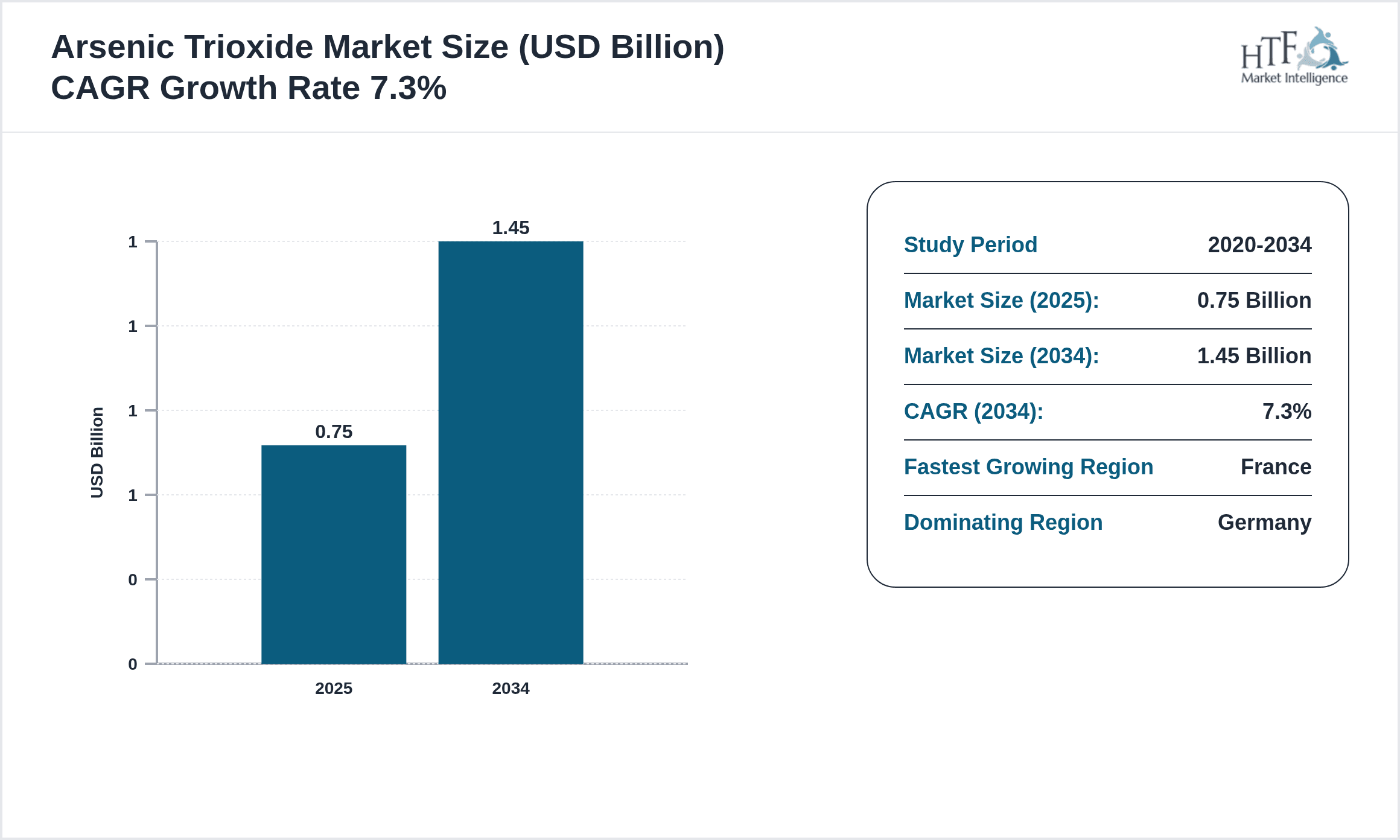
- •The Europe Arsenic Trioxide market is a specialized chemical sector focusing on the supply and application of arsenic trioxide across pharmaceutical, industrial, agricultural, water treatment, and electronics domains. This compound plays a critical role in oncology as a chemotherapeutic agent, particularly in acute promyelocytic leukemia treatment, reflecting its significance in the pharmaceutical industry. Industrially, arsenic trioxide is used in wood preservation, glass manufacturing, and as a doping agent in semiconductor production, highlighting its multifaceted utility. Market growth is influenced by evolving regulatory standards emphasizing environmental safety and product purity, alongside increasing demand for advanced pharmaceuticals and sustainable industrial chemicals. Key European countries such as Germany, France, and the UK lead in consumption and production, supported by robust chemical manufacturing infrastructure and R&D capabilities. The market is projected to expand at a CAGR of 7.3% between 2025 and 2034, driven by technological innovations, increasing healthcare expenditure, and a rising focus on eco-friendly industrial processes. Challenges include toxicity concerns and stringent compliance requirements, which necessitate continuous innovation and regulatory alignment. Strategic investments and partnerships among key players are shaping the competitive landscape, with an emphasis on product quality and supply chain optimization. Overall, the Europe Arsenic Trioxide market presents significant opportunities for growth through pharmaceutical advancements and industrial diversification within a highly regulated environment.
- •Key market highlights include the pharmaceutical segment dominating product consumption due to arsenic trioxide’s proven efficacy in cancer treatment, accounting for approximately 55% of the market share in 2025. Industrial applications are rapidly growing, propelled by increased demand in electronics and water treatment sectors, projected to grow at a CAGR exceeding 8%. Germany remains the largest market contributor due to its advanced chemical industry and regulatory support, while France is identified as the fastest-growing country driven by expanding pharmaceutical manufacturing capacities and favorable government initiatives. The market size reached USD 0.75 Billion in 2025, with expectations to reach USD 1.45 Billion by 2034, reflecting robust growth prospects. Year-on-year growth averages around 7%, supported by innovation in product formulations and an expanding end-use industry base. The competitive landscape comprises multinational chemical manufacturers and specialized pharmaceutical producers, emphasizing strategic collaborations and technology development to enhance market positioning.
- •The strategic importance of the Europe Arsenic Trioxide market lies in its critical role in healthcare and diverse industrial applications, making it indispensable to pharmaceutical companies, chemical manufacturers, and environmental agencies. Its usage in cancer therapy underscores its value in improving patient outcomes and driving pharmaceutical innovation. Industrial applications contribute to sustainable manufacturing practices, particularly in water treatment and semiconductor industries, aligning with broader environmental goals. Stakeholders benefit from regulatory frameworks that balance safety with market accessibility, enabling continued product development and market expansion. Investors and policymakers recognize the market’s growth potential, driven by increasing demand for high-purity arsenic trioxide and evolving industrial needs. The market thus represents a convergence of health, technology, and sustainability priorities, offering a compelling value proposition for long-term strategic planning and investment.
Competitive Landscape
The Europe Arsenic Trioxide market competitive environment is characterized by a mix of global chemical corporations and specialized pharmaceutical manufacturers competing through innovation, quality, and regulatory compliance. Market participants employ diverse strategies such as product differentiation, strategic partnerships, and mergers to enhance their market share and technological capabilities. Companies invest heavily in R&D to improve product purity and develop novel formulations that address emerging market demands, particularly in oncology and environmentally sustainable industrial applications. Pricing strategies are influenced by raw material availability, regulatory costs, and competitive pressures, while distribution channels are optimized to ensure timely delivery to pharmaceutical and industrial clients. Market entry barriers include stringent environmental regulations and the need for high-quality manufacturing standards, which favor established players with robust compliance capabilities. Regional competition is intense among European countries with advanced chemical industries, such as Germany and France, leading innovation and production. Future competitive trends indicate increased focus on green chemistry, supply chain resilience, and digital transformation to maintain competitive advantages in a rapidly evolving market landscape.
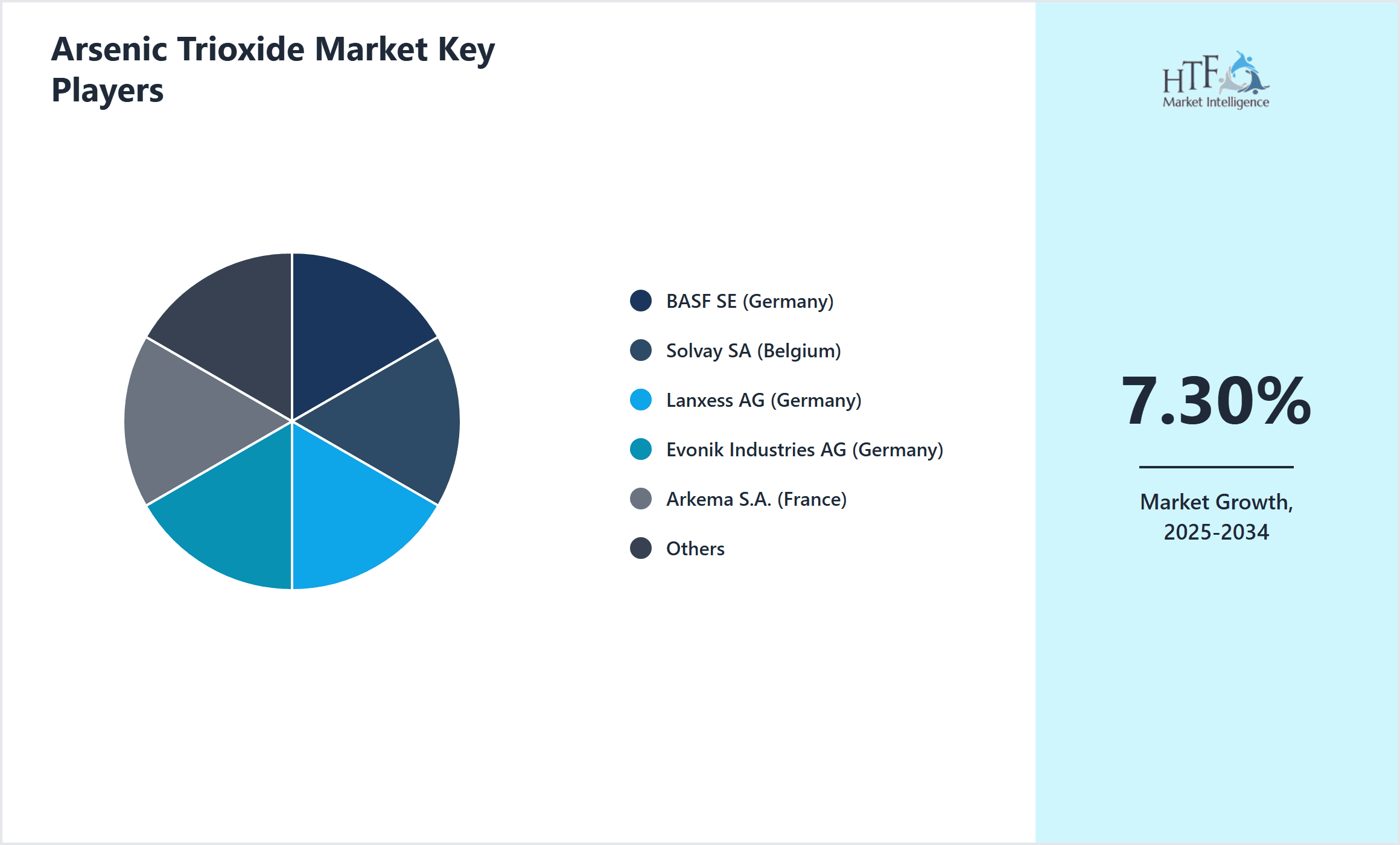
Key Players in Arsenic Trioxide Market
- •BASF SE (Germany)
- •Solvay SA (Belgium)
- •Lanxess AG (Germany)
- •Evonik Industries AG (Germany)
- •Arkema S.A. (France)
- •Clariant AG (Switzerland)
- •Johnson Matthey Plc (United Kingdom)
- •Ashland Inc. (United States)
- •Huntsman Corporation (United States)
- •W.R. Grace & Co. (United States)
- •Nippon Chemical Industrial Co. Ltd. (Japan)
- •Albemarle Corporation (United States)
- •Gujarat State Fertilizers & Chemicals Ltd. (India)
- •Lonza Group AG (Switzerland)
- •Sumitomo Chemical Co., Ltd. (Japan)
- •Wacker Chemie AG (Germany)
- •Solvay Specialty Polymers (Belgium)
- •Clariant International Ltd. (Switzerland)
- •Croda International Plc (United Kingdom)
- •Evonik Nutrition & Care GmbH (Germany)
- •Sasol Limited (South Africa)
- •Mitsubishi Chemical Holdings Corporation (Japan)
- •Arkema Deutschland GmbH (Germany)
- •Brenntag AG (Germany)
- •Merck KGaA (Germany)
Market Breakdown
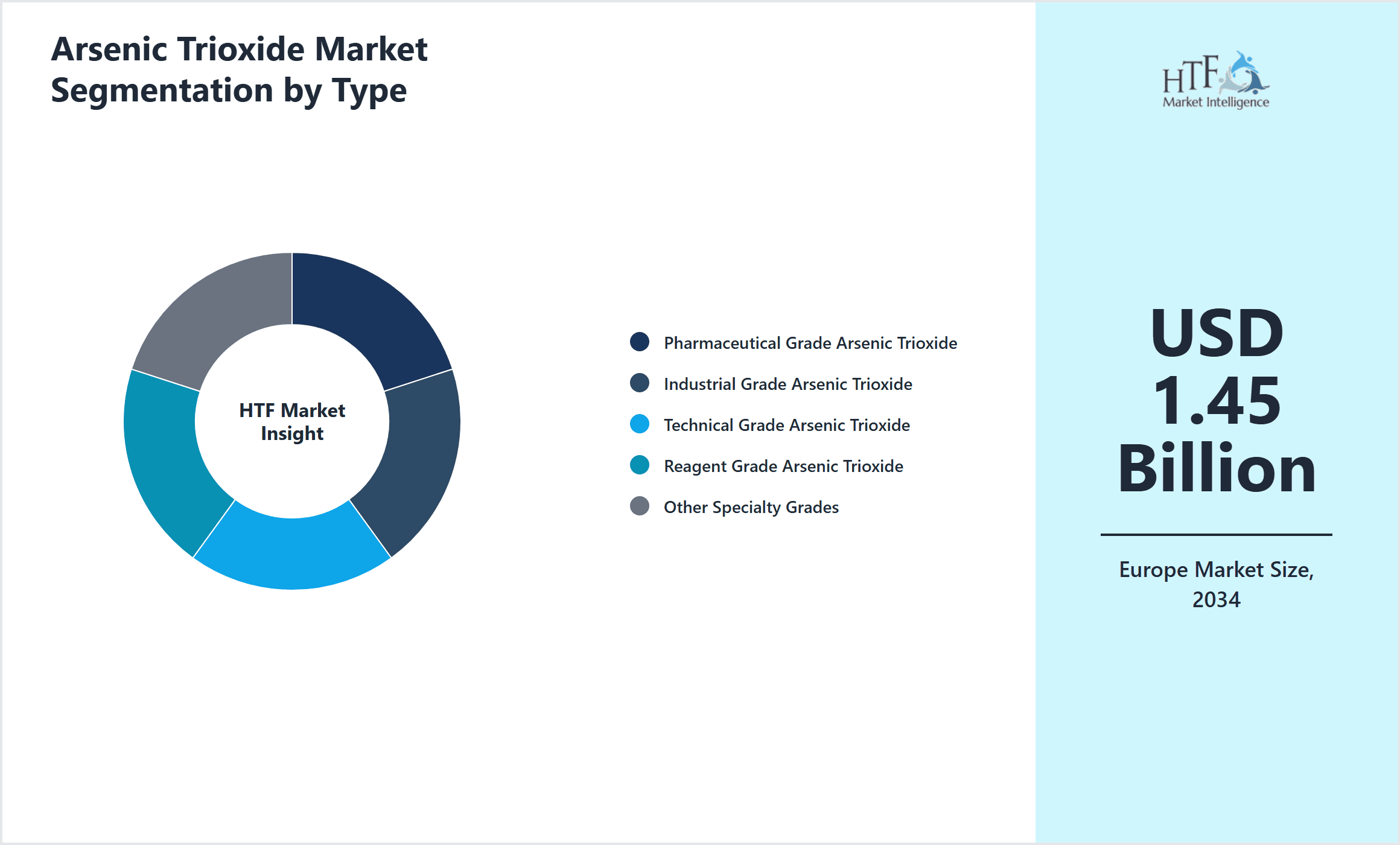
- •By Product Type
- ◦Pharmaceutical Grade Arsenic Trioxide
- ◦Industrial Grade Arsenic Trioxide
- ◦Technical Grade Arsenic Trioxide
- ◦Reagent Grade Arsenic Trioxide
- ◦Other Specialty Grades
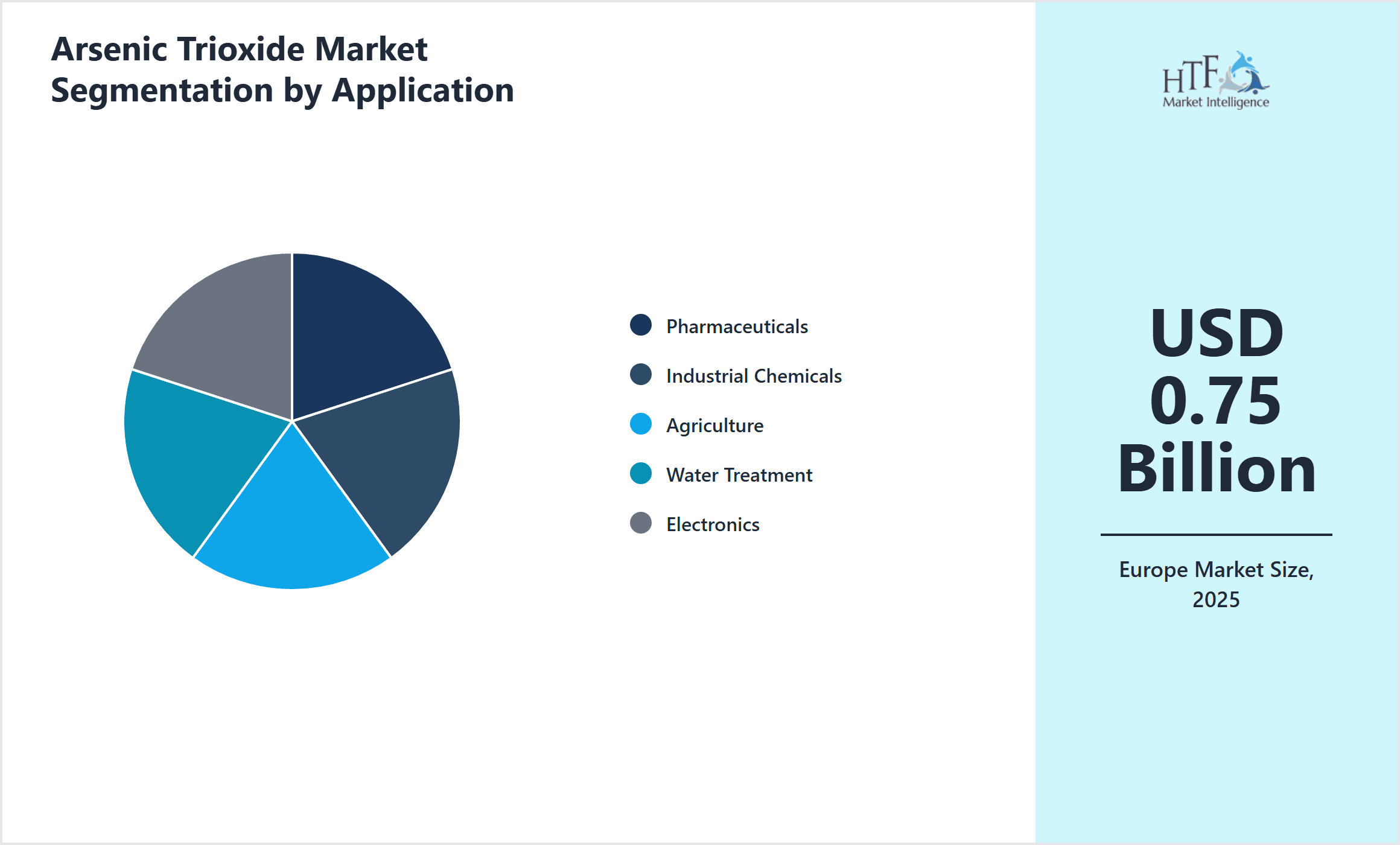
- •By Application
- ◦Pharmaceuticals
- ◦Industrial Chemicals
- ◦Agriculture
- ◦Water Treatment
- ◦Electronics
- •By End-Use Industry
- ◦Healthcare & Pharmaceuticals
- ◦Chemical Manufacturing
- ◦Agriculture & Pesticides
- ◦Water Purification & Treatment
- •By Distribution Channel
- ◦Direct Sales
- ◦Distributors & Wholesalers
- ◦Online Sales Platforms
Growth Dynamics
The Europe Arsenic Trioxide market benefits from robust growth drivers including the increasing prevalence of hematological cancers such as acute promyelocytic leukemia, where arsenic trioxide remains a frontline treatment. Rising healthcare expenditure and enhanced access to advanced therapeutics across European countries stimulate pharmaceutical demand. Industrially, the shift towards sustainable manufacturing practices and stricter environmental regulations encourage the adoption of arsenic trioxide in water treatment and electronics, as it serves as an effective agent for contaminant removal and semiconductor doping. Technological advancements in product purification and formulation improve efficacy and safety profiles, enhancing market acceptance. Government initiatives promoting research and development in oncology and chemical safety further catalyze market expansion. These factors collectively support a compound annual growth rate of 7.3% through 2034, highlighting strong opportunities for manufacturers and investors focused on innovation and regulatory compliance.
Market Trends
Emerging trends in the Europe Arsenic Trioxide market include increased investment in pharmaceutical R&D aimed at developing novel arsenic trioxide formulations with improved bioavailability and reduced toxicity. There is a growing adoption of green chemistry principles in industrial applications, driving demand for environmentally friendly arsenic trioxide derivatives. The integration of digital technologies in supply chain management enhances traceability and quality assurance, meeting stringent regulatory requirements. Additionally, collaborations between chemical manufacturers and healthcare providers are facilitating accelerated product development and market penetration. Sustainability and circular economy concepts are increasingly influencing production processes, leading to innovation in arsenic trioxide recycling and waste management.
Market Opportunities
The Europe Arsenic Trioxide market presents significant opportunities in expanding pharmaceutical indications beyond oncology, including potential therapeutic applications in autoimmune and infectious diseases. Industrially, growing demand for arsenic trioxide in water purification technologies to meet EU environmental directives offers substantial growth potential. Emerging markets within Eastern Europe represent untapped segments for arsenic trioxide adoption, particularly in agriculture and chemical manufacturing. Innovations in product delivery systems and formulation technology can open new revenue streams. Strategic partnerships and joint ventures focused on sustainable production and advanced applications can further enhance market presence and profitability.
Market Challenges
Key challenges facing the Europe Arsenic Trioxide market include strict regulatory scrutiny due to the compound’s toxicity and environmental hazards, leading to complex compliance requirements that increase production costs. Supply chain disruptions stemming from raw material scarcity and geopolitical factors pose risks to consistent product availability. Public perception and safety concerns may hinder market acceptance, especially in industrial and agricultural applications. Additionally, competition from alternative compounds and evolving regulatory frameworks may limit market growth. Companies must invest in advanced safety protocols, regulatory expertise, and transparent communication strategies to mitigate these challenges effectively.
Regulatory Framework
Between 2020 and 2025, Europe witnessed the enforcement of several key regulations impacting the arsenic trioxide market. The European Chemicals Agency (ECHA) implemented REACH (Registration, Evaluation, Authorization and Restriction of Chemicals) amendments requiring comprehensive safety data and risk management for arsenic compounds, significantly influencing manufacturing and handling protocols. The EU Biocidal Products Regulation (BPR) established stringent approval criteria for arsenic trioxide used in wood preservatives and water treatment applications. Additionally, the European Medicines Agency (EMA) updated guidelines on arsenic trioxide’s pharmaceutical use, emphasizing quality control and patient safety. These regulations necessitate rigorous compliance, driving innovation in safer production methods and product formulations. National regulatory bodies in Germany, France, and the UK have enacted complementary policies to monitor environmental emissions and occupational exposure limits. The evolving regulatory landscape fosters a safer market environment but also increases operational complexity and costs for manufacturers.
Market Intelligence
- •15th January 2025, BASF SE announced the launch of a new high-purity pharmaceutical grade arsenic trioxide formulation designed to enhance treatment efficacy for acute promyelocytic leukemia patients. This product features advanced purification technology reducing impurities and improving patient tolerance. BASF’s innovation aims to capture increased market share in the European oncology pharmaceutical sector, aligning with rising cancer incidence rates and expanding therapeutic applications. The company plans to collaborate with leading healthcare providers to accelerate clinical adoption and regulatory approvals across the EU. This strategic initiative underscores BASF’s commitment to innovation and patient-centric solutions in specialty chemicals. Source: BASF Official Press Release
- •10th March 2025, Solvay SA introduced a novel industrial grade arsenic trioxide product optimized for semiconductor doping applications. The product’s enhanced purity and controlled particle size distribution enable improved electrical performance and manufacturing efficiency. Solvay’s launch responds to increasing demand from the European electronics manufacturing industry seeking high-quality raw materials compliant with stringent environmental regulations. This development supports Europe’s strategic push towards semiconductor self-sufficiency and technological advancement. The company’s investment in sustainable production processes further reinforces its competitive positioning. Source: Solvay Corporate Announcement
- •20th May 2025, Arkema S.A. completed the acquisition of a specialty chemicals producer focused on reagent grade arsenic trioxide, expanding its product portfolio and strengthening its presence in the European research chemicals market. This acquisition enables Arkema to leverage synergies in R&D and distribution, enhancing its ability to meet growing demand in pharmaceutical and industrial research segments. The strategic move aligns with Arkema’s growth objectives and commitment to sustainable chemical solutions. Post-merger integration efforts focus on optimizing production capacity and accelerating new product development pipelines. This consolidation reflects broader industry trends towards market concentration and innovation-driven growth. Source: Arkema Press Release
- •Recent market developments and strategic initiatives are continuously tracked through industry publications, company announcements, and regulatory filings. For the most current information, stakeholders are advised to monitor official corporate communications and recognized market intelligence platforms.
Regional Outlook
The Germany currently holds a significant share of the market, primarily due to several key factors: increasing consumption rates, a burgeoning population, and robust economic momentum. These elements collectively drive demand, positioning this region as a leader in the market. On the other hand, France is rapidly emerging as the fastest-growing area within the industry. This remarkable growth can be attributed to swift infrastructure development, the expansion of various industrial sectors, and a marked increase in consumer demand. These dynamics make this region a crucial player in shaping future market growth.
In our report, we cover a comprehensive analysis of the following regions and countries:
- Germany
- France
- The United Kingdom
- BeNeLux
- Spain
- Italy
- NORDIC
- CEE
- Others
| Feature | Details |
|---|---|
| Base Year Market Size | USD 0.75 Billion |
| Forecast Year Market Size | USD 1.45 Billion |
| CAGR | 7.3% |
| Forecast Period | 2026 to 2033 |
| YoY Growth | 7% |
| Scope of Report | Market is segmented by Product Type (Pharmaceutical Grade Arsenic Trioxide, Industrial Grade Arsenic Trioxide, Technical Grade Arsenic Trioxide, Reagent Grade Arsenic Trioxide, Other Specialty Grades), Application (Pharmaceuticals, Industrial Chemicals, Agriculture, Water Treatment, Electronics), End-Use Industry (Healthcare & Pharmaceuticals, Chemical Manufacturing, Agriculture & Pesticides, Water Purification & Treatment), Distribution Channel (Direct Sales, Distributors & Wholesalers, Online Sales Platforms) |
| Regions Covered | Germany, France, The United Kingdom, BeNeLux, Spain, Italy, NORDIC, CEE, Others |
| Key Companies | BASF SE (Germany), Solvay SA (Belgium), Lanxess AG (Germany), Evonik Industries AG (Germany), Arkema S.A. (France), Clariant AG (Switzerland), Johnson Matthey Plc (United Kingdom), Ashland Inc. (United States), Huntsman Corporation (United States), W.R. Grace & Co. (United States), Nippon Chemical Industrial Co. Ltd. (Japan), Albemarle Corporation (United States), Gujarat State Fertilizers & Chemicals Ltd. (India), Lonza Group AG (Switzerland), Sumitomo Chemical Co., Ltd. (Japan), Wacker Chemie AG (Germany), Solvay Specialty Polymers (Belgium), Clariant International Ltd. (Switzerland), Croda International Plc (United Kingdom), Evonik Nutrition & Care GmbH (Germany), Sasol Limited (South Africa), Mitsubishi Chemical Holdings Corporation (Japan), Arkema Deutschland GmbH (Germany), Brenntag AG (Germany), Merck KGaA (Germany) |
Europe Arsenic Trioxide Market - Europe Size & Outlook 2020-2034 - Table of Contents
Frequently Asked Questions (FAQ):
The Compact Track Loaders market is expected to see value worth 5.3 Billion in 2025.
North America currently leads the market with approximately 45% market share, followed by Europe at 28% and Asia-Pacific at 22%. The remaining regions account for 5% of the global market.
Key growth drivers include increasing construction activities, rising demand for versatile equipment in agriculture, technological advancements in track loader design, and growing preference for compact equipment in urban construction projects.