
Global Aerospace Aluminum Alloys Market Size, Growth & Revenue 2024-2034
Global Aerospace Aluminum Alloys Market is segmented by Product Type (2024 Aluminum Alloys, 7075 Aluminum Alloys, 6061 Aluminum Alloys, 7050 Aluminum Alloys, Other Aerospace Aluminum Alloys), Application (Commercial Aircraft, Military Aircraft, Spacecraft, Unmanned Aerial Vehicles, Others), End-Use Industry (Commercial Aviation, Defense & Military, Space Exploration, Drone & UAV Manufacturing), Distribution Channel (Direct Sales, Distributors, OEMs), and Geography (North America, LATAM, West Europe, Central & Eastern Europe, Northern Europe, Southern Europe, East Asia, Southeast Asia, South Asia, Central Asia, Oceania, MEA)
Pricing
Report Overview
Executive Summary
- •The global aerospace aluminum alloys market serves as a critical sector within aerospace manufacturing, focusing on aluminum-based alloys engineered to meet stringent aerospace standards. These alloys offer superior strength-to-weight ratios, corrosion resistance, and durability, making them indispensable in the fabrication of commercial and military aircraft, spacecraft, and unmanned aerial vehicles. The market includes diverse alloy types such as 2024, 7075, 6061, and 7050, each optimized for particular aerospace applications. The industry spans raw material suppliers to component manufacturers, reflecting a complex value chain that supports innovations in aviation safety, fuel efficiency, and structural performance. Growth is propelled by expanding global air traffic, defense spending, and space exploration initiatives, with Asia-Pacific emerging as a key growth region due to increasing aerospace activities. Technological advancements in alloy composition and processing methods continue to enhance product capabilities, driving competitive dynamics and expansion opportunities worldwide.
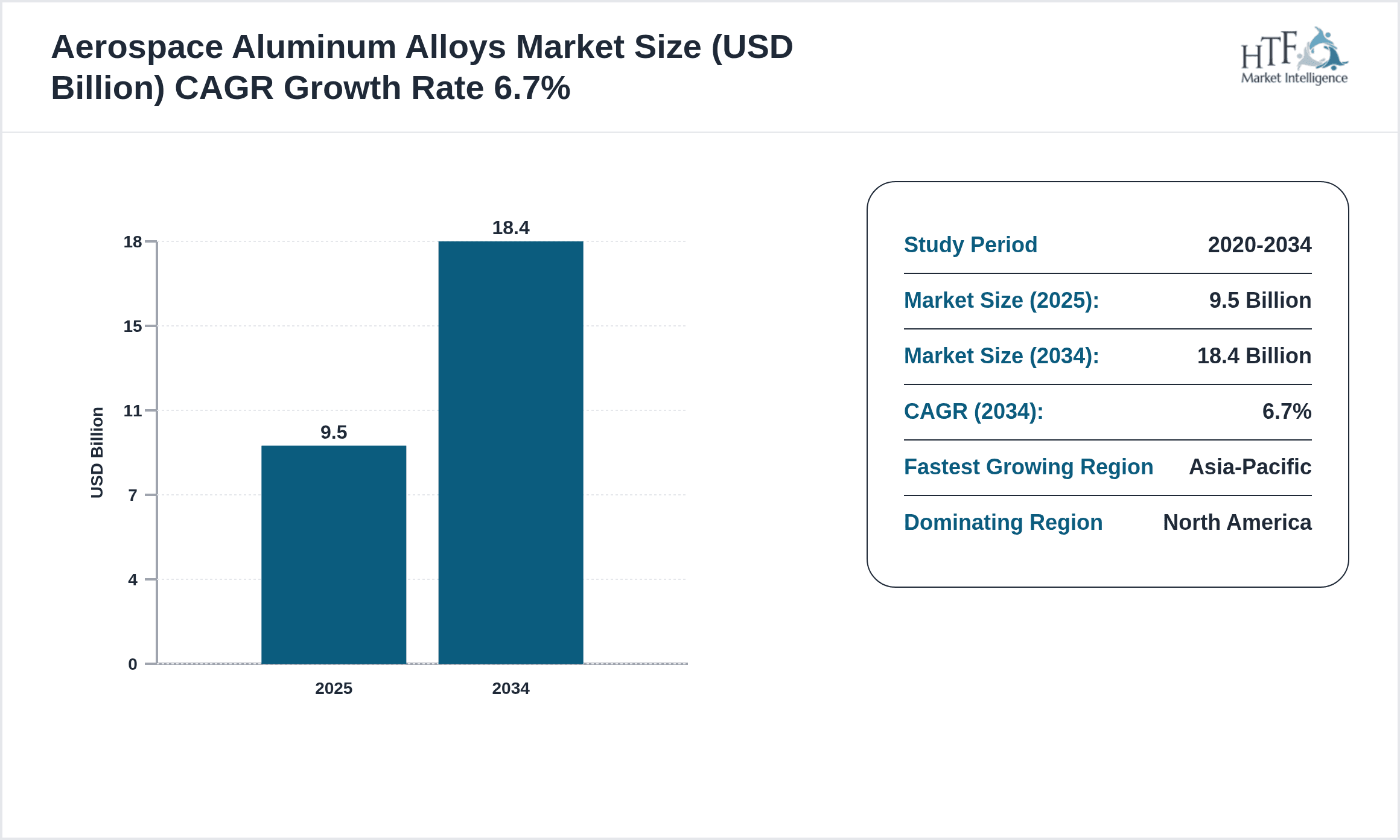
- •Key market highlights include a projected CAGR of 6.7% from 2024 to 2034, with the market expanding from USD 9.5 billion in 2024 to an estimated USD 18.4 billion by 2034. The 7075 aluminum alloy currently dominates the market due to its exceptional mechanical properties, while the 7050 aluminum alloy is the fastest-growing segment driven by high demand in aerospace structural applications. Commercial aircraft represent the largest application segment, followed closely by military aircraft, reflecting sustained investments in commercial aviation and defense modernization globally. North America leads the market in size and technological innovation, whereas Asia-Pacific exhibits the highest growth rate, fueled by rapid aerospace industrialization and government initiatives. These dynamics underscore the market's robust growth potential and its strategic importance to aerospace manufacturers and stakeholders.
- •The aerospace aluminum alloys market holds significant value for industries reliant on lightweight, durable, and high-performance materials. Its importance spans commercial aviation, defense, space exploration, and emerging unmanned aerial vehicle applications. The market's evolution aligns with global trends toward fuel efficiency, emissions reduction, and structural optimization in aerospace design. Stakeholders benefit from advancements in alloy metallurgy, enabling enhanced aircraft performance and safety margins. Strategic investments in research and development, coupled with expanding aerospace manufacturing hubs worldwide, further augment the market’s appeal. For suppliers, manufacturers, and investors, the aerospace aluminum alloys market presents compelling opportunities driven by increasing aerospace fleet expansions and technological innovations that redefine material performance standards.
Competitive Landscape
The aerospace aluminum alloys market is characterized by intense competition among global and regional players focusing on innovation, quality, and strategic partnerships. Companies leverage advanced metallurgical processes and proprietary alloy compositions to differentiate their offerings and meet evolving aerospace standards. Market rivalry is intensified by continuous product development, cost optimization, and global expansion strategies. Firms invest heavily in R&D to enhance alloy performance, reduce manufacturing costs, and comply with stringent regulatory requirements. Strategic alliances, joint ventures, and mergers and acquisitions are common to consolidate market presence and access new technologies. Distribution channels and supply chain efficiencies also play crucial roles in competitive positioning. Additionally, regional players in emerging markets are gaining traction by catering to localized aerospace industry demands, thereby increasing competitive pressure on established multinational corporations. The future competitive landscape is expected to be shaped by innovation leadership, sustainability initiatives, and the ability to adapt to rapidly changing aerospace material requirements.
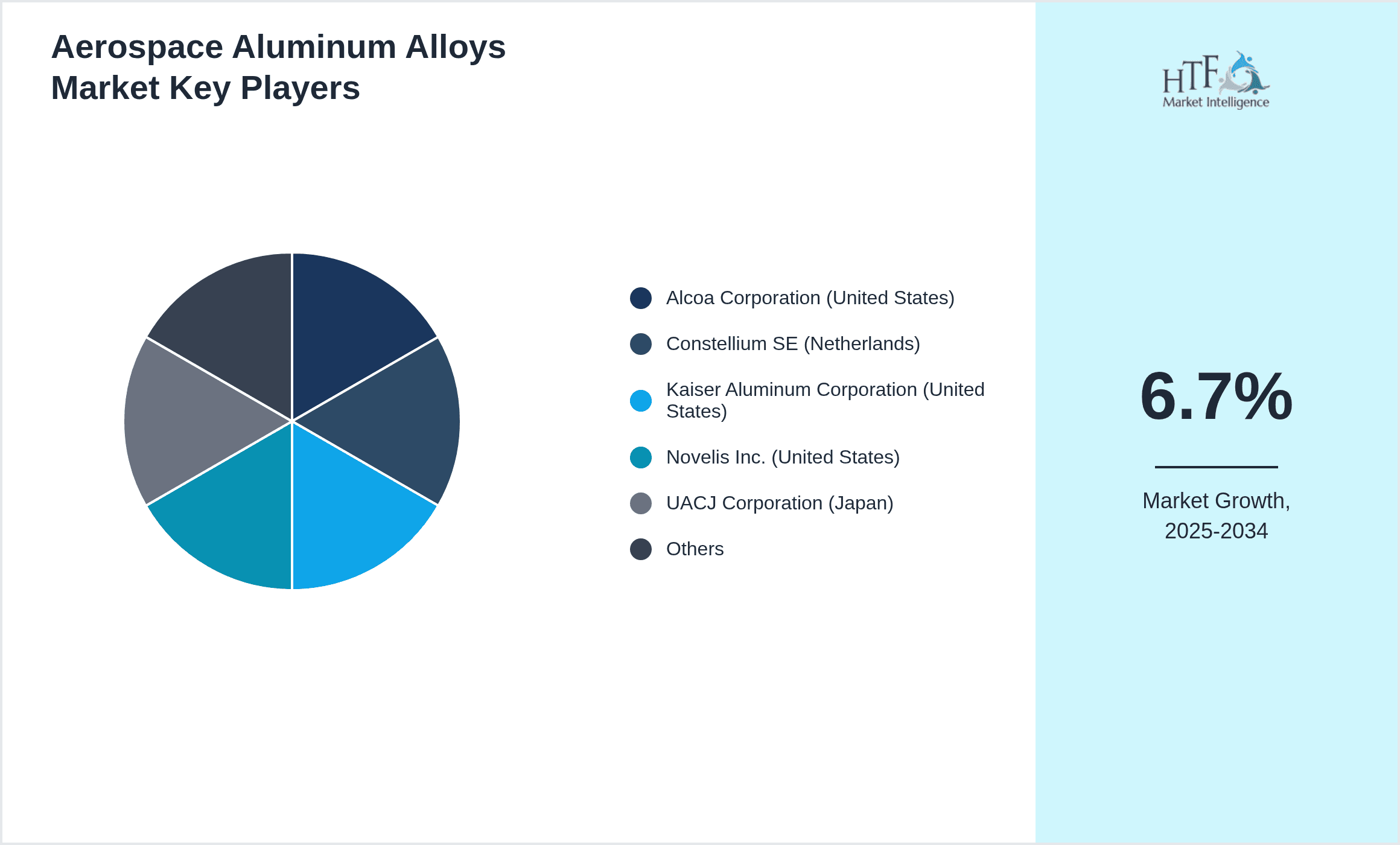
Leading Companies in Aerospace Aluminum Alloys Market
- •Alcoa Corporation (United States)
- •Constellium SE (Netherlands)
- •Kaiser Aluminum Corporation (United States)
- •Novelis Inc. (United States)
- •UACJ Corporation (Japan)
- •Hydro Aluminium (Norway)
- •Sapa Group (Norway)
- •China Zhongwang Holdings Limited (China)
- •Luvata (Finland)
- •Aleris Corporation (United States)
- •Arconic Corporation (United States)
- •Novelis (United States)
- •RUSAL (Russia)
- •IMI Precision Engineering (United Kingdom)
- •Puyang Aluminum Industry Co., Ltd. (China)
- •UACJ Corporation (Japan)
- •Kobe Steel, Ltd. (Japan)
- •Norsk Hydro ASA (Norway)
- •AMAG Austria Metall AG (Austria)
- •Sims Metal Management Limited (Australia)
- •Century Aluminum Company (United States)
- •Eastalco Aluminum Company (United States)
- •Gränges AB (Sweden)
- •Novelis Inc. (United States)
- •China Hongqiao Group Limited (China)
Market Breakdown
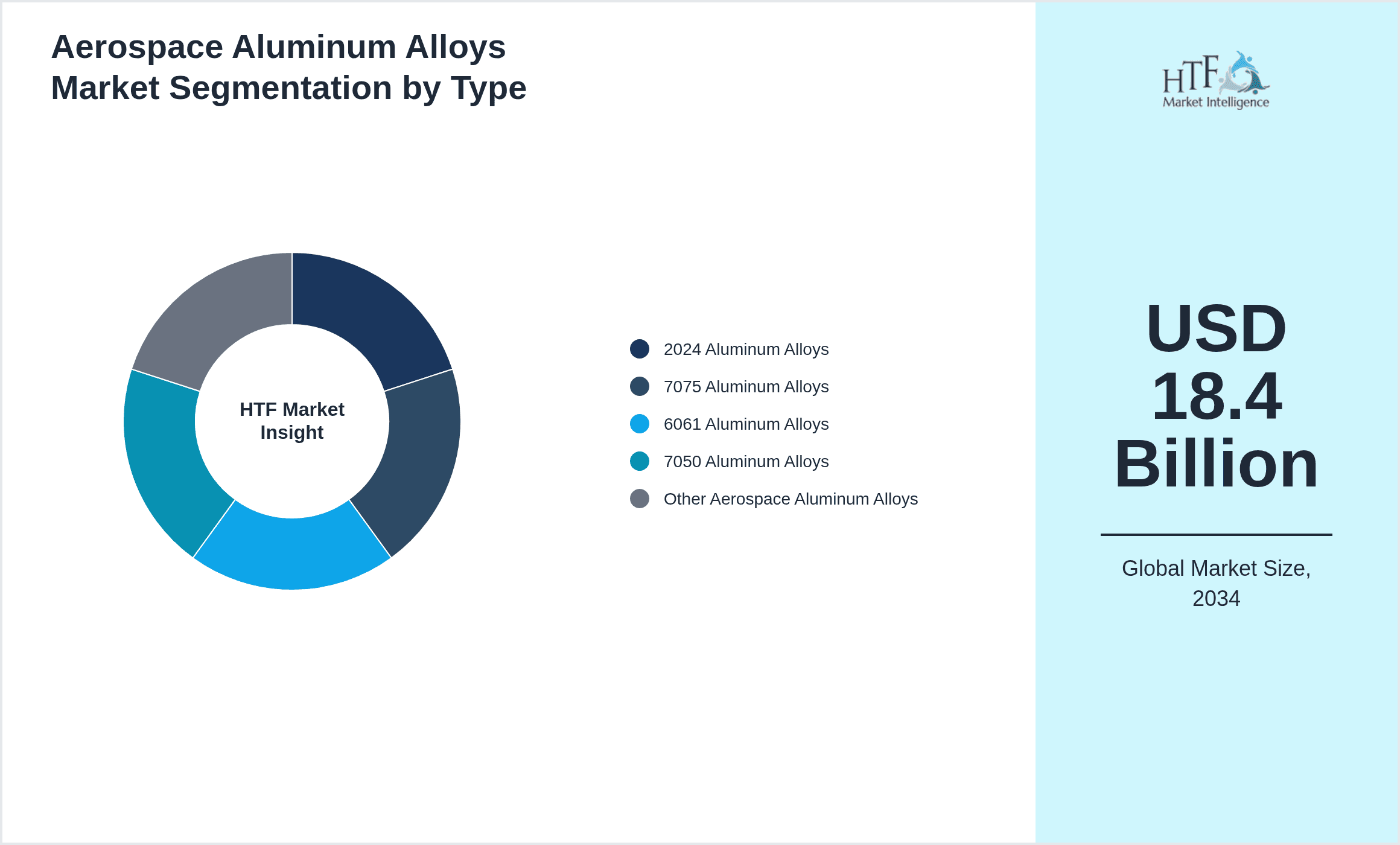
- •By Product Type
- ◦2024 Aluminum Alloys
- ◦7075 Aluminum Alloys
- ◦6061 Aluminum Alloys
- ◦7050 Aluminum Alloys
- ◦Other Aerospace Aluminum Alloys
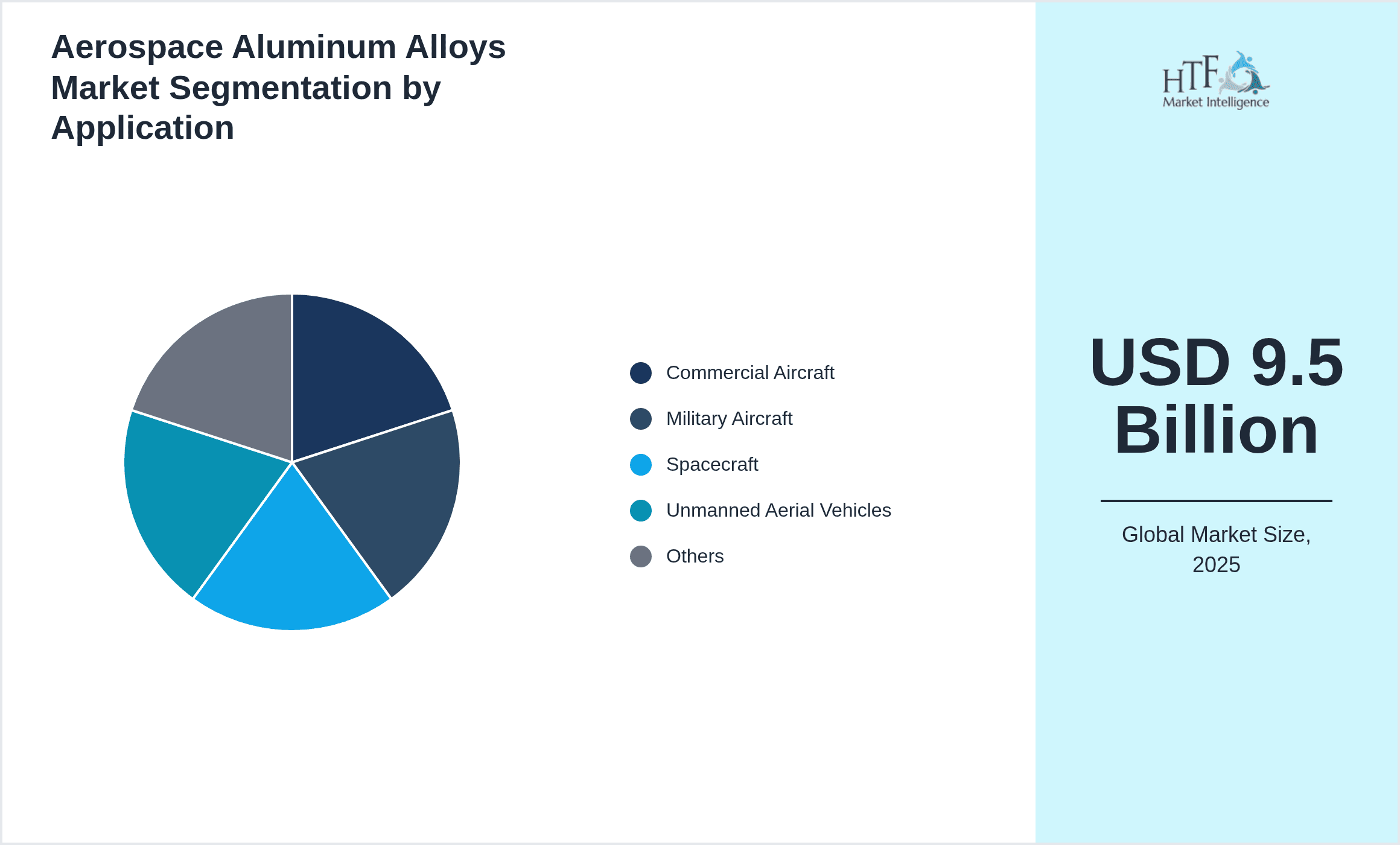
- •By Application
- ◦Commercial Aircraft
- ◦Military Aircraft
- ◦Spacecraft
- ◦Unmanned Aerial Vehicles
- ◦Others
- •By End-Use Industry
- ◦Commercial Aviation
- ◦Defense & Military
- ◦Space Exploration
- ◦Drone & UAV Manufacturing
- •By Distribution Channel
- ◦Direct Sales
- ◦Distributors
- ◦OEMs
Growth Dynamics
The global aerospace aluminum alloys market is primarily driven by the increasing demand for lightweight and fuel-efficient aircraft. Aerospace manufacturers are focusing on reducing the overall weight of aircraft to enhance fuel economy and reduce carbon emissions, which directly fuels the adoption of advanced aluminum alloys. Additionally, the expansion of commercial aviation, especially in emerging economies, is boosting demand for aerospace-grade aluminum alloys. Government defense budgets and modernization programs for military aircraft further propel market growth. Continuous innovations in alloy compositions that offer superior mechanical properties and corrosion resistance also stimulate adoption. The rise of space exploration and unmanned aerial vehicles (UAVs) introduces new application areas, expanding the market scope. Investments in research and development aimed at improving alloy performance and sustainable production methods contribute to sustained growth. This growth dynamic is reinforced by long-term aerospace infrastructure development plans globally.
Market Trends
A notable trend in the aerospace aluminum alloys market is the increasing integration of high-strength, corrosion-resistant alloys such as 7050 and 7475 in aerospace structural components. This shift is driven by the demand for materials that withstand harsh operational environments while reducing maintenance costs. Another emerging trend is the adoption of additive manufacturing techniques to process aluminum alloys, enabling complex geometries and material savings. Sustainability is gaining prominence, with manufacturers focusing on recyclable alloys and eco-friendly production processes. Collaborations between aerospace OEMs and alloy producers to develop tailor-made materials for specific applications are becoming more frequent. Digitalization and automation in alloy production enhance quality control and reduce lead times. The growing use of unmanned aerial vehicles in commercial and defense sectors is also influencing alloy demand patterns. These trends collectively shape the innovation trajectory and competitive landscape in the aerospace aluminum alloys market.
Market Opportunities
The aerospace aluminum alloys market presents significant opportunities in emerging economies where rapid urbanization and increasing air travel are driving aerospace sector growth. Expansion of regional airline fleets and government investments in space programs open new avenues for alloy suppliers. Development of next-generation alloys with enhanced strength-to-weight ratios and corrosion resistance offers product differentiation potential. The growing UAV market, including delivery drones and surveillance systems, represents a burgeoning application segment requiring specialized alloys. Technological collaborations and joint ventures between alloy manufacturers and aerospace OEMs can facilitate innovation and market penetration. Additionally, the trend toward sustainable manufacturing practices enables companies to capitalize on green certifications and regulatory incentives. Digitalization of supply chains and materials traceability also present opportunities for efficiency improvements and customer trust enhancement. These factors collectively contribute to a favorable environment for market expansion and value creation.
Market Challenges
Despite robust growth prospects, the aerospace aluminum alloys market faces challenges including high raw material costs and volatility in aluminum prices, which impact manufacturing expenses and profitability. The complex manufacturing processes require significant capital investment and skilled labor, limiting entry for smaller players. Stringent regulatory standards and quality certification requirements impose additional compliance burdens, increasing operational costs and timelines. Competition from alternative lightweight materials such as composites and titanium alloys poses substitution threats, potentially affecting aluminum alloy demand. Supply chain disruptions, especially amid geopolitical tensions and trade restrictions, challenge raw material availability and delivery schedules. Furthermore, environmental regulations related to emissions and waste management necessitate costly process adjustments. These challenges require strategic risk management, innovation, and operational efficiencies to sustain competitive advantage and market growth.
Regulatory Framework
From 2020 to 2024, the aerospace aluminum alloys market has been influenced by enhanced international aerospace material standards such as AS9100 and ISO 9001 revisions, emphasizing quality management and traceability. Regulatory bodies including the FAA and EASA have tightened certification requirements for alloy materials used in commercial and military aircraft, mandating rigorous testing and compliance documentation. Environmental regulations focused on reducing industrial emissions have prompted manufacturers to adopt cleaner production technologies and sustainable alloy recycling practices. Trade policies affecting raw aluminum import tariffs and export controls have shaped supply chain strategies. Additionally, government initiatives promoting aerospace industry innovation and defense modernization programs have indirectly impacted alloy demand by stimulating aerospace manufacturing activities. Compliance with these evolving regulations is critical for market participants to maintain operational legitimacy and competitive positioning.
Market Intelligence
- •15th March 2024, Alcoa Corporation launched a new series of high-strength 7050 aluminum alloys designed specifically for next-generation commercial aircraft fuselage applications. These alloys feature enhanced corrosion resistance and improved fatigue performance, enabling manufacturers to reduce overall aircraft weight and extend service life. The new product line targets leading aerospace OEMs and is supported by advanced metallurgical research and extensive testing to meet stringent aerospace standards. Alcoa's strategic objective is to capture a larger share of the aerospace materials market by addressing evolving industry demands and regulatory requirements. This launch is expected to accelerate adoption of advanced aluminum alloys in commercial aviation, contributing to fuel efficiency and emissions reduction goals. Source: Alcoa Official Press Release
- •10th October 2023, Constellium SE introduced an innovative aluminum alloy grade optimized for unmanned aerial vehicle (UAV) structural components. This alloy combines lightweight characteristics with superior mechanical strength and thermal stability, enabling enhanced UAV performance and payload capacity. The development aligns with rising UAV market demand in defense and commercial sectors. Constellium’s product incorporates sustainable manufacturing processes and recyclable materials, supporting industry trends toward environmental responsibility. The alloy is already in pilot production with key UAV manufacturers, positioning Constellium as a technology leader in aerospace aluminum solutions. This innovation is anticipated to boost market penetration in the rapidly growing UAV segment. Source: Constellium Corporate Announcement
- •22nd July 2024, Kaiser Aluminum Corporation announced a strategic partnership with a leading aerospace OEM to co-develop custom aluminum alloys tailored for military aircraft applications. The collaboration focuses on enhancing alloy fatigue resistance and corrosion protection to extend aircraft operational lifetimes under extreme conditions. Kaiser Aluminum will leverage its advanced manufacturing capabilities and R&D expertise to accelerate product development cycles. This initiative reflects increasing defense sector investments and the critical need for high-performance materials in next-generation military aircraft. The partnership is expected to strengthen Kaiser Aluminum’s market position and foster innovation-driven growth. Source: Kaiser Aluminum Press Release
- •5th January 2025, Novelis Inc. completed the expansion of its aerospace aluminum alloys production facility, increasing capacity by 30% to meet rising global demand. The upgraded plant incorporates state-of-the-art extrusion and rolling technologies, improving product quality and delivery times. Novelis aims to support the growing needs of commercial and military aerospace manufacturers, especially in Asia-Pacific and North America. This expansion aligns with the company’s strategic vision to enhance supply chain resilience and sustainability by reducing energy consumption and waste generation. The move is expected to solidify Novelis’ leadership in aerospace aluminum alloys and contribute to market growth. Source: Novelis Corporate Communication
- •Recent market developments and strategic initiatives are continuously tracked through industry publications, company announcements, and regulatory filings. For the most current information, stakeholders are advised to monitor official corporate communications and recognized market intelligence platforms.
Regional Outlook
The North America currently holds a significant share of the market, primarily due to several key factors: increasing consumption rates, a burgeoning population, and robust economic momentum. These elements collectively drive demand, positioning this region as a leader in the market. On the other hand, Asia-Pacific is rapidly emerging as the fastest-growing area within the industry. This remarkable growth can be attributed to swift infrastructure development, the expansion of various industrial sectors, and a marked increase in consumer demand. These dynamics make this region a crucial player in shaping future market growth.
In our report, we cover a comprehensive analysis of the following regions and countries:
- North America
- LATAM
- West Europe
- Central & Eastern Europe
- Northern Europe
- Southern Europe
- East Asia
- Southeast Asia
- South Asia
- Central Asia
- Oceania
- MEA
| Feature | Details |
|---|---|
| Base Year Market Size | USD 9.5 Billion |
| Forecast Year Market Size | USD 18.4 Billion |
| CAGR | 6.7% |
| Forecast Period | 2026 to 2033 |
| YoY Growth | 6.5% |
| Scope of Report | Market is segmented by Product Type (2024 Aluminum Alloys, 7075 Aluminum Alloys, 6061 Aluminum Alloys, 7050 Aluminum Alloys, Other Aerospace Aluminum Alloys), Application (Commercial Aircraft, Military Aircraft, Spacecraft, Unmanned Aerial Vehicles, Others), End-Use Industry (Commercial Aviation, Defense & Military, Space Exploration, Drone & UAV Manufacturing), Distribution Channel (Direct Sales, Distributors, OEMs) |
| Regions Covered | North America, LATAM, West Europe, Central & Eastern Europe, Northern Europe, Southern Europe, East Asia, Southeast Asia, South Asia, Central Asia, Oceania, MEA |
| Key Companies | Alcoa Corporation (United States), Constellium SE (Netherlands), Kaiser Aluminum Corporation (United States), Novelis Inc. (United States), UACJ Corporation (Japan), Hydro Aluminium (Norway), Sapa Group (Norway), China Zhongwang Holdings Limited (China), Luvata (Finland), Aleris Corporation (United States), Arconic Corporation (United States), Novelis (United States), RUSAL (Russia), IMI Precision Engineering (United Kingdom), Puyang Aluminum Industry Co., Ltd. (China), UACJ Corporation (Japan), Kobe Steel, Ltd. (Japan), Norsk Hydro ASA (Norway), AMAG Austria Metall AG (Austria), Sims Metal Management Limited (Australia), Century Aluminum Company (United States), Eastalco Aluminum Company (United States), Gränges AB (Sweden), Novelis Inc. (United States), China Hongqiao Group Limited (China) |
Global Aerospace Aluminum Alloys Market Size, Growth & Revenue 2024-2034 - Table of Contents
Research enthusiast focused on transforming data uncovering into actionable insights through data-driven decision-making.
Frequently Asked Questions (FAQ):
The Market market is expected to see significant growth and value in 2025.
North America currently leads the market, followed by Europe and Asia-Pacific.
Key growth drivers include increasing activities, rising demand for innovative solutions, technological advancements, and growing preference for efficient products.