
Asia-Pacific Instant Coffee Market Size, Growth & Revenue 2025-2034
Asia-Pacific Instant Coffee Market is segmented by Product Type (Spray-Dried Instant Coffee, Freeze-Dried Instant Coffee, Agglomerated Instant Coffee, Specialty Instant Coffee, Organic Instant Coffee), Application (Home Consumption, Foodservice, Retail, Institutional Use, Online Sales), End-Use Industry (Household, Hospitality, Corporate Offices, Retail Chains), Distribution Channel (Supermarkets & Hypermarkets, Convenience Stores, E-commerce Platforms), and Geography (Japan, China, Southeast Asia, India, Australia, South Korea, Others)
Pricing
Report Overview
Executive Summary
- •The Asia-Pacific Instant Coffee market has experienced significant growth driven by increasing urbanization, changing lifestyles, and a growing preference for convenience beverages. This market includes various instant coffee types such as spray-dried, freeze-dried, and specialty organic variants, serving diverse applications from home consumption to institutional use. The evolving value chain from raw coffee sourcing to retail distribution reflects advancements in processing technologies and sustainable practices. Key markets within Asia-Pacific include China, India, Japan, and Southeast Asia, each with unique consumer preferences influencing product offerings. The market is projected to grow at a CAGR of 6.8% from USD 8.4 billion in 2025 to USD 15.7 billion by 2034, underscoring robust demand and expanding consumption patterns. Additionally, the rise of e-commerce and modern retail channels enhances market accessibility and penetration. Despite challenges like fluctuating raw material prices and regulatory complexities, industry players continue to innovate to meet evolving consumer demands. Overall, the Asia-Pacific instant coffee market represents a resilient and expanding sector within the global coffee industry, with strong growth potential supported by demographic shifts, technological innovation, and strategic market initiatives.
- •Key market highlights include a compound annual growth rate of 6.8% between 2025 and 2034, with China dominating the consumption landscape and India emerging as the fastest-growing market. Spray-dried instant coffee remains the leading product type due to its cost-effectiveness and widespread adoption, while organic instant coffee segments demonstrate the fastest growth driven by rising health consciousness. The market benefits from expanding applications such as foodservice and online retail, supported by increasing disposable incomes and changing consumer habits. These factors collectively contribute to the substantial revenue growth anticipated in the forecast period.
- •The Asia-Pacific instant coffee market holds strategic importance for beverage manufacturers, retailers, and investors due to its expanding consumer base and evolving consumption patterns. Its value proposition lies in delivering convenience, variety, and affordability to a diverse demographic. For stakeholders, this market offers opportunities to leverage technological innovations, expand distribution channels, and align with sustainability trends to capture growing demand. Furthermore, understanding regional preferences and regulatory landscapes is critical for successful market penetration and long-term growth.

Competitive Landscape
The Asia-Pacific instant coffee market operates in a highly competitive environment characterized by the presence of multinational corporations and regional manufacturers. Companies employ varied competitive strategies including product innovation, brand diversification, and extensive distribution networks to strengthen market positioning. Innovation is focused on specialty blends, organic offerings, and packaging that enhances shelf life and convenience. Strategic partnerships and mergers facilitate market expansion and consolidation, enhancing economies of scale and product portfolio breadth. Pricing strategies are adapted to local market sensitivities to maintain competitiveness, while digital channels increasingly support direct-to-consumer sales models. Additionally, barriers to entry such as capital-intensive manufacturing and regulatory compliance maintain market dynamics favoring established players. Regional competition is also influenced by socio-cultural factors, with companies tailoring products to local tastes. Future trends indicate a growing emphasis on sustainability and health-oriented products, alongside digital transformation in marketing and distribution, shaping the competitive landscape further.
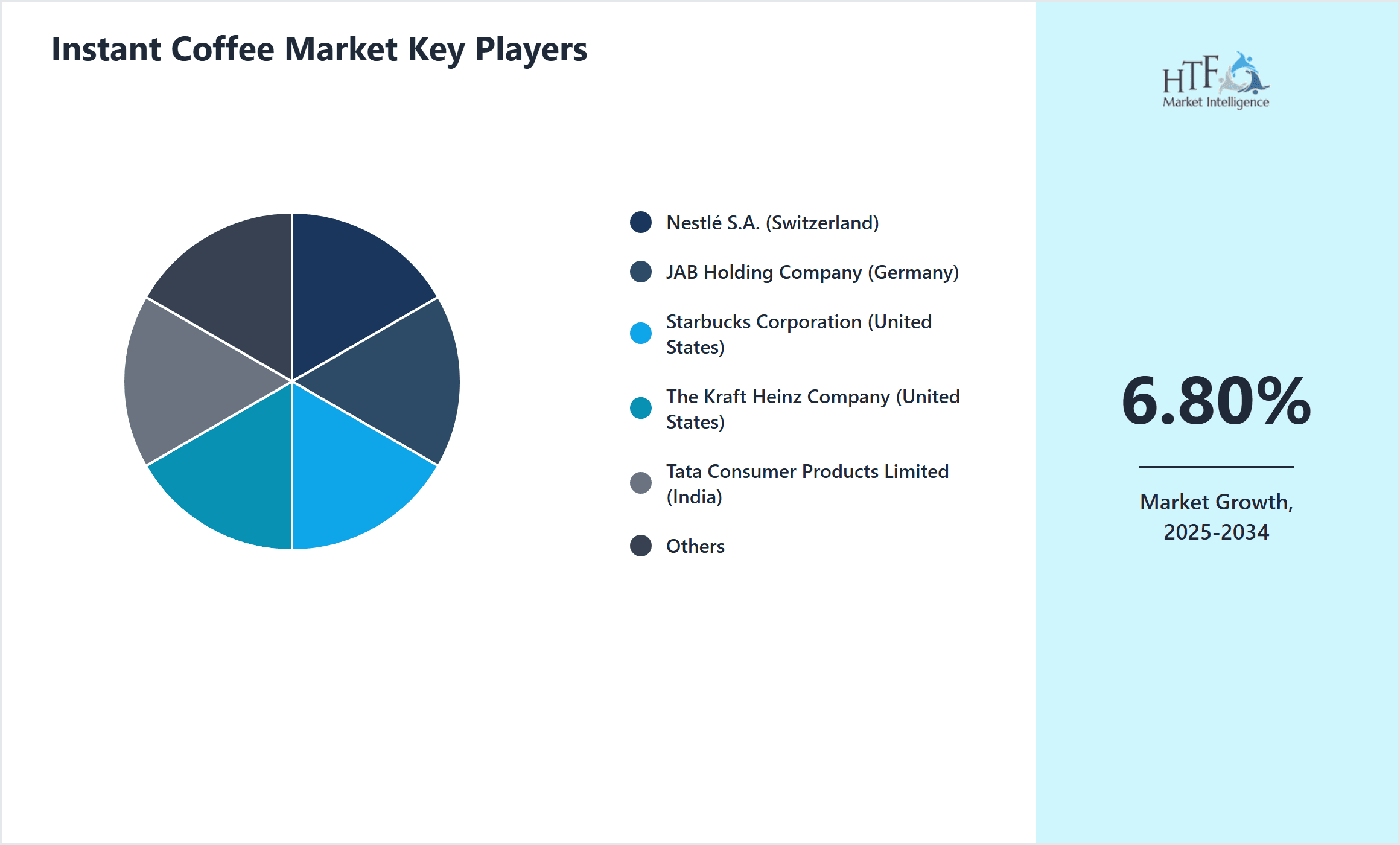
Leading Companies in Instant Coffee Market
- •Nestlé S.A. (Switzerland)
- •JAB Holding Company (Germany)
- •Starbucks Corporation (United States)
- •The Kraft Heinz Company (United States)
- •Tata Consumer Products Limited (India)
- •UCC Ueshima Coffee Co., Ltd. (Japan)
- •Meiji Holdings Co., Ltd. (Japan)
- •Paulig Group (Finland)
- •Ajinomoto Co., Inc. (Japan)
- •Yunnan Coffee Industry Group Co., Ltd. (China)
- •Dongguan Yuming Food Co., Ltd. (China)
- •JDE Peet's (Netherlands)
- •Lavazza Group (Italy)
- •Keurig Dr Pepper Inc. (United States)
- •Gujarat Co-operative Milk Marketing Federation Ltd. (India)
- •Café de Coral Holdings Limited (Hong Kong)
- •Nescafé (Subsidiary of Nestlé) (Switzerland)
- •UCC Group (Japan)
- •Lotte Chilsung Beverage Co., Ltd. (South Korea)
- •Tata Starbucks Private Limited (India)
- •Marico Limited (India)
- •Meiji Seika Pharma Co., Ltd. (Japan)
- •Café Amazon (Thailand)
- •OldTown Berhad (Malaysia)
- •Nestlé India Limited (India)
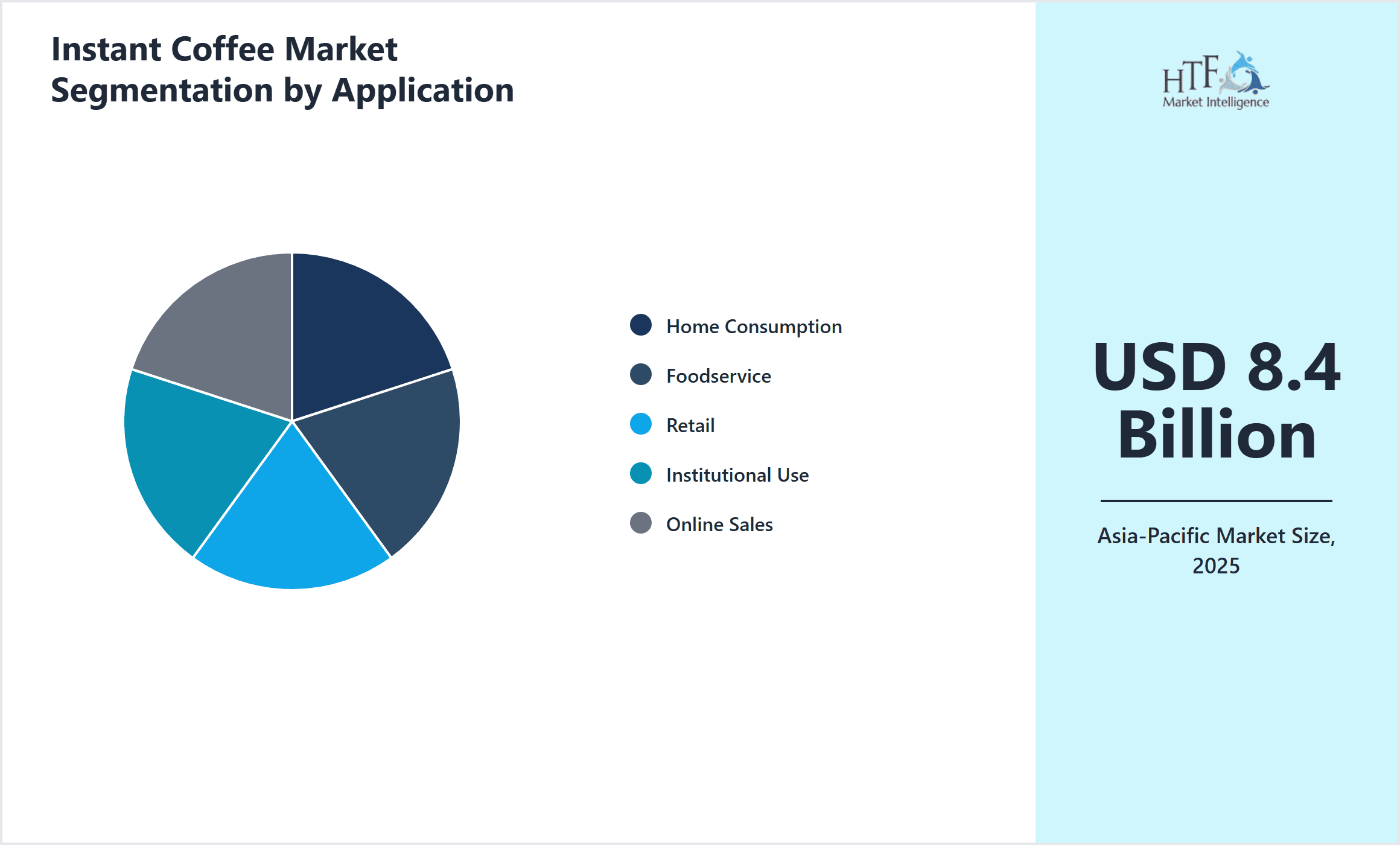
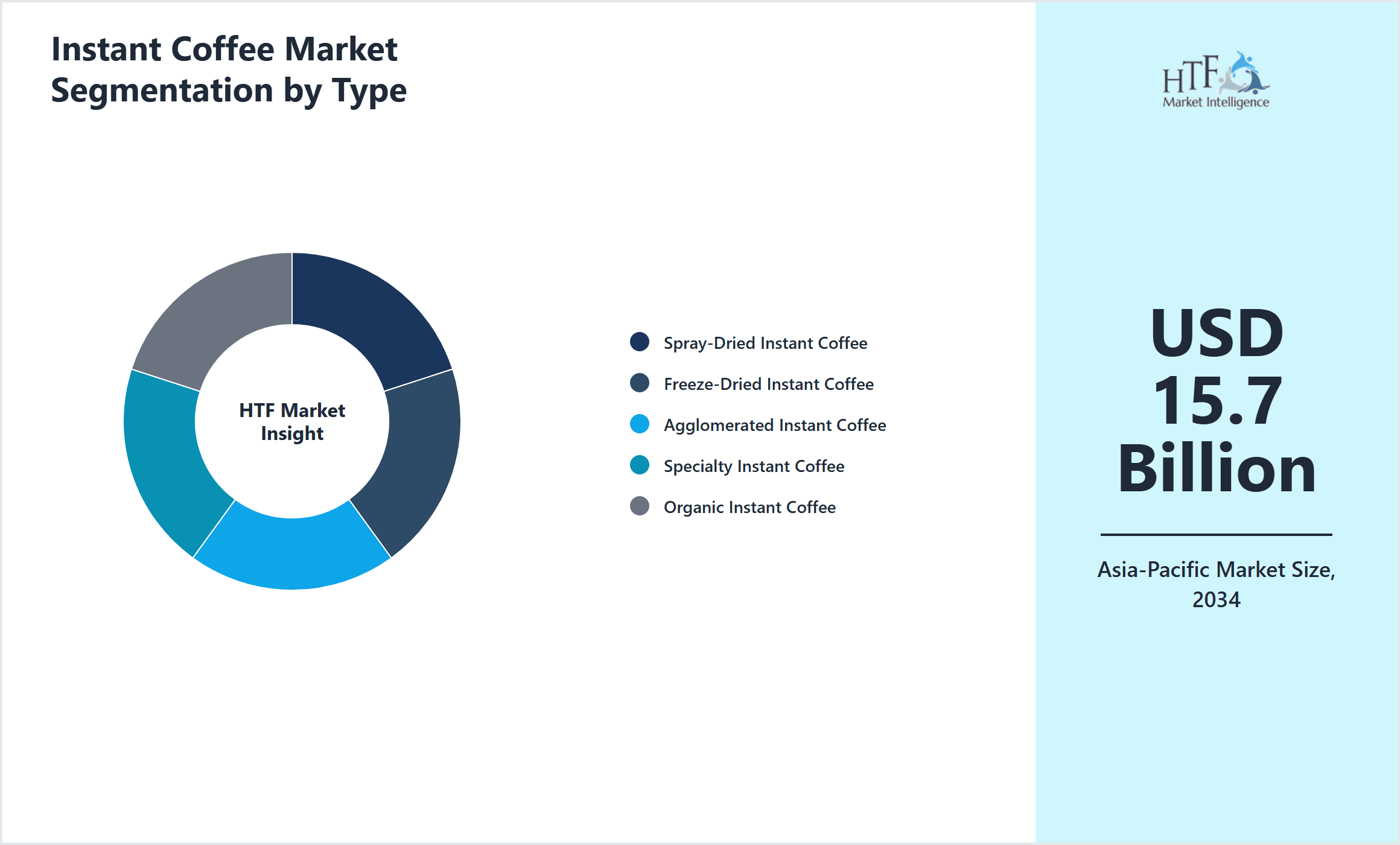
Market Breakdown
- •By Product Type
- ◦Spray-Dried Instant Coffee
- ◦Freeze-Dried Instant Coffee
- ◦Agglomerated Instant Coffee
- ◦Specialty Instant Coffee
- ◦Organic Instant Coffee
- •By Application
- ◦Home Consumption
- ◦Foodservice
- ◦Retail
- ◦Institutional Use
- ◦Online Sales
- •By End-Use Industry
- ◦Household
- ◦Hospitality
- ◦Corporate Offices
- ◦Retail Chains
- •By Distribution Channel
- ◦Supermarkets & Hypermarkets
- ◦Convenience Stores
- ◦E-commerce Platforms
Growth Dynamics
- •Rapid urbanization and increasing disposable incomes in countries like China and India are driving higher demand for instant coffee products, facilitating market expansion. Consumers are adopting convenient beverage options as part of their fast-paced lifestyles, boosting home and office consumption significantly.
- •Technological advancements in coffee processing, including improved spray-drying and freeze-drying techniques, have enhanced product quality and shelf life, encouraging greater consumer acceptance and market penetration across Asia-Pacific.
- •The growing popularity of organic and specialty instant coffee varieties reflects rising health consciousness among consumers, creating new growth avenues and premium market segments within the region.
- •Expanding modern retail and e-commerce channels provide broader product accessibility and convenience, stimulating higher sales volumes and market reach, particularly in emerging markets across Southeast Asia.
- •Government initiatives promoting coffee cultivation and sustainable farming practices contribute to a stable supply chain, supporting steady market growth and product innovation.
- •Changing consumer preferences towards ready-to-drink and instant beverages are fostering new product launches and diversified offerings, strengthening market competitiveness and consumer engagement.
- •Investment in marketing and brand-building activities by key players enhances consumer awareness and loyalty, driving market share growth and encouraging product trial across diverse demographics.
Market Trends
- •The rise in demand for organic and specialty instant coffees is a notable trend, driven by increased health awareness and willingness to pay premium prices for sustainable and high-quality products across Asia-Pacific markets.
- •Digital transformation in retail, including the growth of online grocery and direct-to-consumer channels, is reshaping distribution strategies and consumer purchasing behavior in the instant coffee segment.
- •Innovations in packaging, such as single-serve sachets and eco-friendly materials, are gaining traction, enhancing convenience and aligning with sustainability goals favored by environmentally conscious consumers.
- •Collaborations between coffee manufacturers and foodservice providers are expanding the availability of instant coffee products in cafes, restaurants, and corporate offices, broadening market application and exposure.
- •Flavor diversification and introduction of region-specific blends cater to local tastes, driving consumer engagement and differentiation in a competitive marketplace.
- •Increased focus on traceability and ethical sourcing practices is becoming a competitive differentiator, reflecting consumer demand for transparency and corporate social responsibility.
- •Sustainability initiatives, including reduction of carbon footprints and waste management in production, are influencing product development and corporate strategies within the instant coffee industry.
Market Opportunities
- •Expanding urban middle-class populations in India and Southeast Asia present significant growth opportunities for instant coffee companies targeting affordability and convenience-driven consumers.
- •Rising demand for organic and specialty instant coffee creates opportunities for premium product development and niche market penetration across health-conscious segments.
- •E-commerce growth offers a strategic channel for market expansion, enabling companies to reach remote and underserved areas with tailored digital marketing and logistics solutions.
- •Increasing consumption in institutional sectors such as hospitality and corporate offices presents opportunities for bulk sales and customized product offerings catering to professional environments.
- •Innovations in sustainable packaging and biodegradable materials can attract environmentally aware consumers, opening new avenues for product differentiation and regulatory compliance.
- •Collaborations with local coffee farmers and cooperatives can strengthen supply chain sustainability, enhance product authenticity, and foster community goodwill, positively impacting brand image.
- •Integration of advanced analytics and AI in market research and consumer insights can improve product development, targeting, and customer engagement strategies for better market outcomes.
Market Challenges
- •Volatility in coffee bean prices due to climatic conditions and geopolitical factors poses a significant challenge, affecting production costs and pricing strategies for instant coffee manufacturers.
- •Regulatory complexities across diverse Asia-Pacific countries create compliance challenges, impacting product formulation, labeling, and import-export dynamics.
- •Competition from fresh-brewed coffee and ready-to-drink beverages requires continuous innovation and marketing efforts to maintain instant coffee’s market share.
- •Supply chain disruptions, including transportation and logistics issues, can affect timely delivery and inventory management, especially in remote or emerging markets.
- •Consumer skepticism towards instant coffee quality and taste compared to fresh coffee impacts brand perception and adoption, necessitating product quality improvements.
- •Environmental concerns regarding packaging waste and carbon emissions are pressuring companies to adopt sustainable practices, which may increase operational costs.
- •Limited awareness and penetration in rural and lower-income segments constrain market expansion potential and require targeted education and marketing initiatives.
Regulatory Framework
- •Between 2020 and 2025, several Asia-Pacific countries strengthened food safety regulations impacting instant coffee production, including mandatory quality certifications and contaminant limits, ensuring consumer protection and product integrity.
- •Labeling regulations introduced in key markets such as China and India require detailed ingredient disclosure, nutritional information, and allergen warnings, influencing packaging design and compliance costs.
- •Environmental regulations focusing on packaging waste reduction and recycling mandates have been enacted in countries like Japan and South Korea, prompting manufacturers to innovate sustainable packaging solutions.
- •Trade policies and import tariffs have fluctuated during this period, affecting cross-border coffee bean sourcing and instant coffee exports, with countries negotiating bilateral agreements to ease trade barriers.
- •Government initiatives promoting agricultural sustainability and organic farming certification support the growth of organic instant coffee segments, aligning with consumer demand for ethically sourced products.
Market Intelligence
- •15th February 2025, Nestlé S.A. launched a new range of organic instant coffee products in Asia-Pacific, featuring sustainably sourced beans from local farmers in Vietnam and Indonesia. This product line incorporates advanced spray-drying technology to preserve flavor and aroma, targeting health-conscious consumers in urban centers. The launch aims to strengthen Nestlé's market position amid rising demand for premium and organic beverages. Strategic marketing campaigns include e-commerce exclusives and partnerships with leading online retailers to maximize reach. This initiative reflects Nestlé's commitment to sustainability and innovation in the region. Source: Nestlé Official Press Release
- •10th April 2025, Tata Consumer Products Limited announced a strategic partnership with a leading Southeast Asian e-commerce platform to expand online distribution of its instant coffee portfolio. The collaboration includes exclusive product bundles and targeted digital marketing to capture millennial and Gen Z consumers. Tata aims to leverage data analytics and consumer insights for personalized offerings and enhanced customer engagement. This move is expected to drive significant revenue growth and increase brand visibility in emerging markets such as Indonesia, Thailand, and the Philippines. The partnership highlights the growing importance of digital channels in the Asia-Pacific instant coffee market. Source: Tata Consumer Products Press Release
- •5th June 2025, UCC Ueshima Coffee Co., Ltd. completed the acquisition of a regional instant coffee manufacturer in India, enhancing its production capacity and distribution network in South Asia. The acquisition includes state-of-the-art freeze-drying facilities and a portfolio of specialty instant coffee blends tailored for local tastes. This strategic expansion positions UCC to capitalize on India's fastest-growing instant coffee market and diversify its product offerings. Post-acquisition, UCC plans to invest in R&D for flavor innovation and sustainable packaging solutions. The deal reflects increasing consolidation trends in the Asia-Pacific coffee industry to drive competitiveness and market share. Source: UCC Group Official Announcement
- •12th August 2025, Starbucks Corporation introduced a new line of instant coffee products in Japan, targeting convenience-seeking consumers and travelers. The range includes single-serve sachets made with premium Arabica beans and innovative freeze-drying technology to maintain freshness. Starbucks also launched a limited-edition flavor inspired by traditional Japanese ingredients, appealing to local taste preferences. The product launch was supported by an extensive marketing campaign across digital and retail channels, aiming to enhance brand penetration in the instant coffee segment. This initiative aligns with Starbucks’ global strategy to diversify product formats and increase accessibility. Source: Starbucks Japan Press Release
- •Source: Industry Publications, Official Company Websites, Market Research Reports
Regional Outlook
The China currently holds a significant share of the market, primarily due to several key factors: increasing consumption rates, a burgeoning population, and robust economic momentum. These elements collectively drive demand, positioning this region as a leader in the market. On the other hand, India is rapidly emerging as the fastest-growing area within the industry. This remarkable growth can be attributed to swift infrastructure development, the expansion of various industrial sectors, and a marked increase in consumer demand. These dynamics make this region a crucial player in shaping future market growth.
In our report, we cover a comprehensive analysis of the following regions and countries:
- Japan
- China
- Southeast Asia
- India
- Australia
- South Korea
- Others
| Feature | Details |
|---|---|
| Base Year Market Size | USD 8.4 Billion |
| Forecast Year Market Size | USD 15.7 Billion |
| CAGR | 6.8% |
| Forecast Period | 2026 to 2033 |
| YoY Growth | 6.6% |
| Scope of Report | Market is segmented by Product Type (Spray-Dried Instant Coffee, Freeze-Dried Instant Coffee, Agglomerated Instant Coffee, Specialty Instant Coffee, Organic Instant Coffee), Application (Home Consumption, Foodservice, Retail, Institutional Use, Online Sales), End-Use Industry (Household, Hospitality, Corporate Offices, Retail Chains), Distribution Channel (Supermarkets & Hypermarkets, Convenience Stores, E-commerce Platforms) |
| Regions Covered | Japan, China, Southeast Asia, India, Australia, South Korea, Others |
| Key Companies | Nestlé S.A. (Switzerland), JAB Holding Company (Germany), Starbucks Corporation (United States), The Kraft Heinz Company (United States), Tata Consumer Products Limited (India) |
Asia-Pacific Instant Coffee Market Size, Growth & Revenue 2025-2034 - Table of Contents
Frequently Asked Questions (FAQ):
The Compact Track Loaders market is expected to see value worth 5.3 Billion in 2025.
North America currently leads the market with approximately 45% market share, followed by Europe at 28% and Asia-Pacific at 22%. The remaining regions account for 5% of the global market.
Key growth drivers include increasing construction activities, rising demand for versatile equipment in agriculture, technological advancements in track loader design, and growing preference for compact equipment in urban construction projects.