
Global Flushable Wipes Market Size, Growth & Revenue 2024-2034
Global Flushable Wipes Market is segmented by Product Type (Biodegradable Flushable Wipes, Non-Biodegradable Flushable Wipes, Moist Flushable Wipes, Dry Flushable Wipes, Scented Flushable Wipes), Application (Personal Hygiene, Baby Care, Household Cleaning, Pet Care, Medical), End-Use Industry (Residential, Healthcare, Hospitality, Commercial), Distribution Channel (Supermarkets/Hypermarkets, Online Retail, Pharmacies, Specialty Stores), and Geography (North America, LATAM, West Europe, Central & Eastern Europe, Northern Europe, Southern Europe, East Asia, Southeast Asia, South Asia, Central Asia, Oceania, MEA)
Pricing
Report Overview
Executive Summary
- •The Global Flushable Wipes Market represents a fast-evolving sector focused on disposable wipes engineered for flushability, environmental safety, and multi-segment applications including personal hygiene, baby care, household cleaning, pet care, and medical use. This market spans a variety of product types such as biodegradable, non-biodegradable, moist, dry, and scented wipes, each tailored to meet diverse consumer needs and regulatory mandates across different geographies. The market scope includes raw material innovations, manufacturing technologies, distribution networks, and end-user adoption patterns worldwide. Increasing consumer preference for convenient hygiene solutions combined with growing environmental concerns drives innovation toward sustainable materials and eco-friendly production processes. Major global regions including North America, Europe, and Asia-Pacific lead market adoption, with emerging economies in Latin America and the Middle East & Africa presenting significant growth opportunities. Market players are investing in product differentiation, brand development, and strategic partnerships to capture expanding consumer bases. The market faces challenges such as regulatory compliance and waste management issues, yet the overall outlook remains robust with a projected CAGR exceeding 10% through 2034.
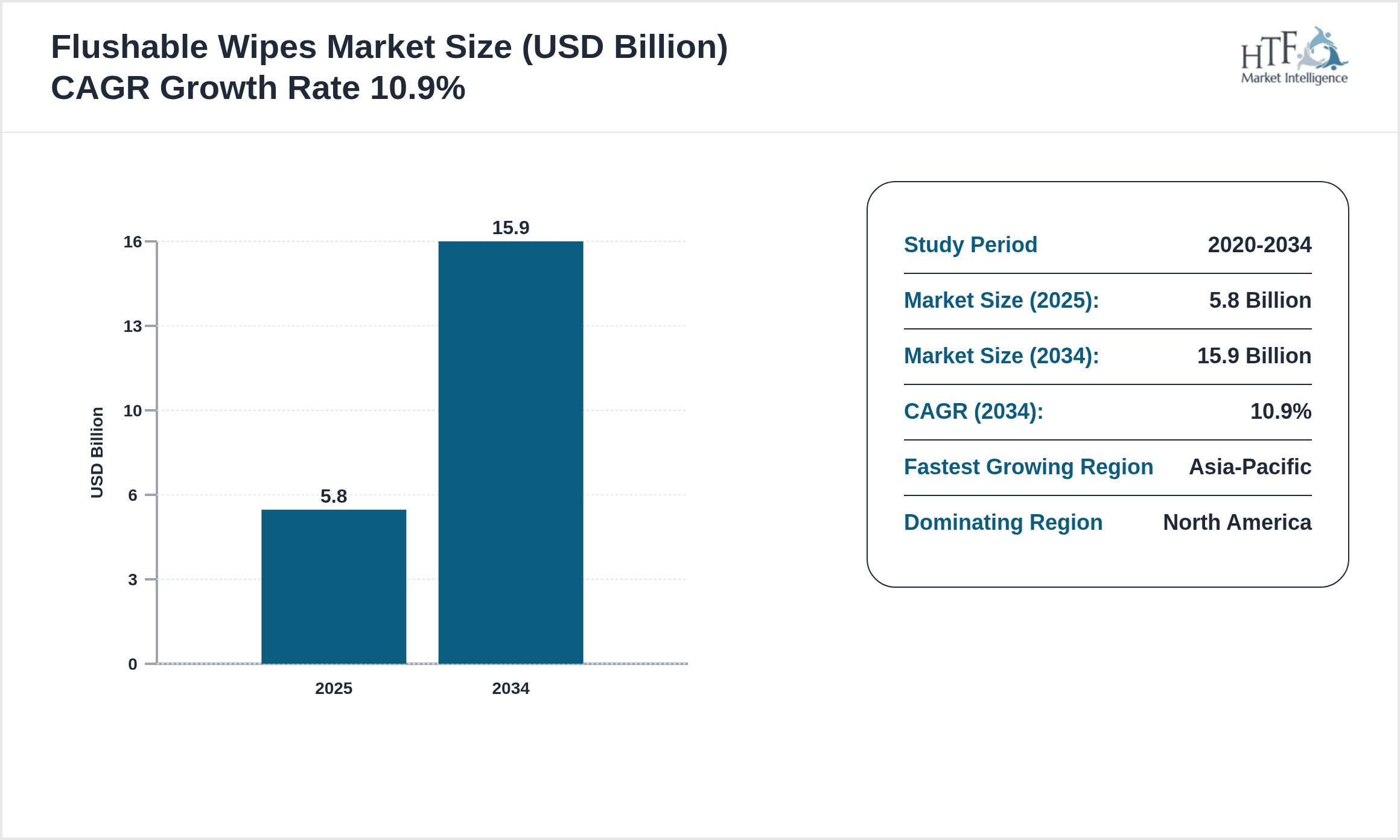
- •Key market highlights include a base market size estimated at USD 5.8 Billion in 2024, expected to reach USD 15.9 Billion by 2034, reflecting a CAGR of approximately 10.9%. The personal hygiene segment dominates applications, driven by heightened sanitation awareness globally. Biodegradable flushable wipes represent the leading product type, favored for sustainability credentials. North America retains market leadership in size, while Asia-Pacific is identified as the fastest growing region due to rising disposable incomes and urbanization. The market is witnessing rapid innovation in eco-friendly materials and multifunctional wipes, alongside expanding distribution channels including e-commerce and retail outlets.
- •The global flushable wipes market holds strategic importance for hygiene product manufacturers, retailers, healthcare providers, and environmental policymakers. Its growth supports advancements in sustainable consumer goods and aligns with global initiatives targeting reduced plastic waste. Stakeholders benefit from insights into consumer behavior trends, regulatory landscapes, and competitive dynamics, enabling informed decision-making and effective market positioning. The sector is positioned at the intersection of convenience, health, and environmental stewardship, offering considerable opportunities for innovation-led growth and cross-industry collaboration.
Competitive Landscape
The competitive landscape of the global flushable wipes market is characterized by intense rivalry among multinational corporations and emerging regional players striving for market share through product innovation, sustainability initiatives, and strategic global expansions. Market leaders focus on differentiating their product portfolios by integrating biodegradable materials, enhanced moisturizing agents, and hypoallergenic formulas to meet consumer demand. Companies aggressively pursue mergers and acquisitions to consolidate their market position and expand geographic footprint. Pricing strategies balance affordability with quality, while distribution channels increasingly leverage e-commerce platforms for direct consumer reach. Investment in research and development is pivotal for technological advancement and regulatory compliance. The market exhibits moderate entry barriers due to capital intensity and certification requirements, yet ongoing innovation and consumer preference shifts continuously reshape competitive dynamics. Regional competition varies with North America and Europe emphasizing environmental regulations, whereas Asia-Pacific sees rapid growth driven by urbanization and lifestyle changes. Future trends indicate a push towards circular economy models and digital marketing to sustain competitive advantage.
Companies Shaping the Flushable Wipes Market
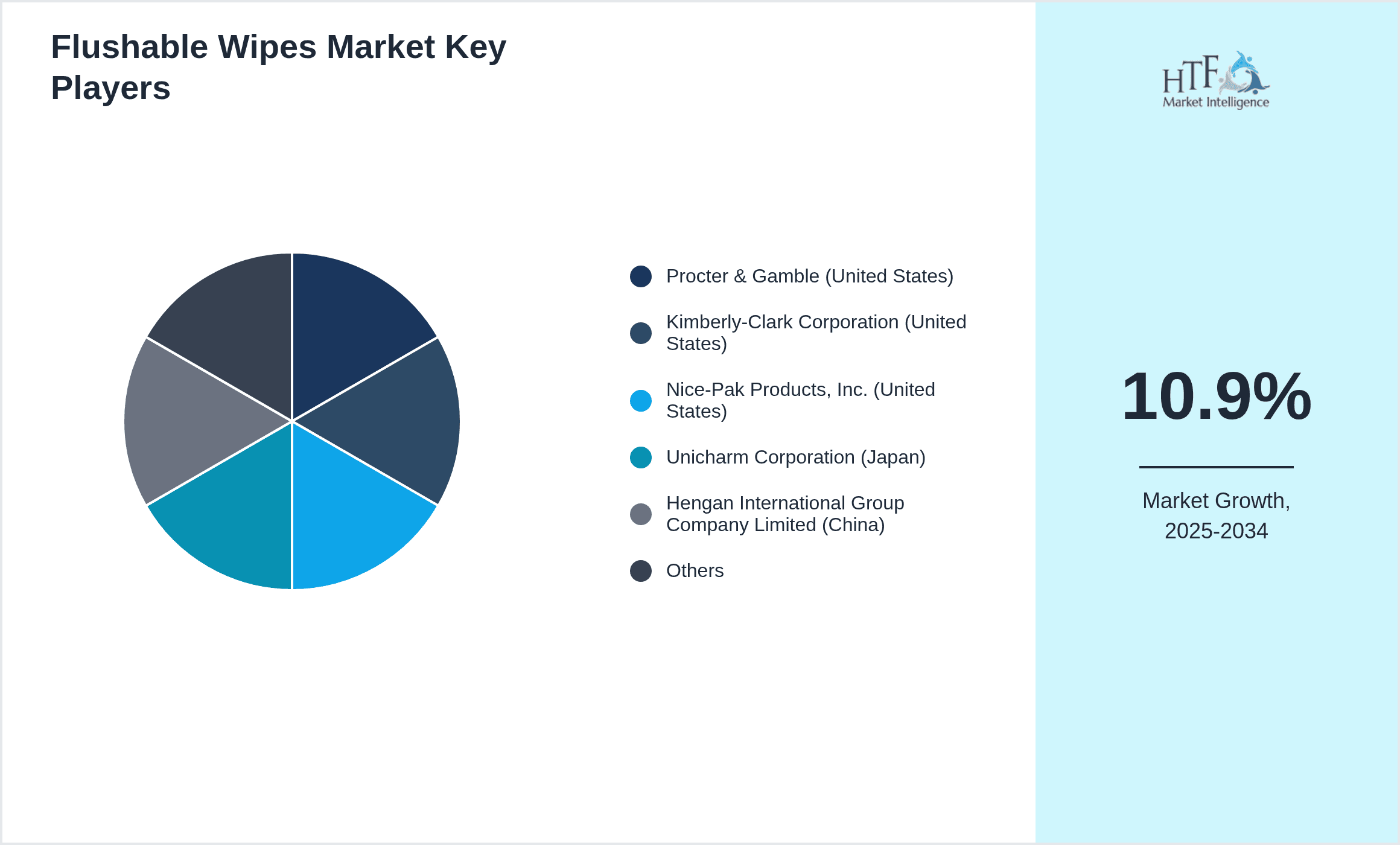
- •Procter & Gamble (United States)
- •Kimberly-Clark Corporation (United States)
- •Nice-Pak Products, Inc. (United States)
- •Unicharm Corporation (Japan)
- •Hengan International Group Company Limited (China)
- •SCA (Sweden)
- •Essity AB (Sweden)
- •Ontex Group NV (Belgium)
- •Johnson & Johnson (United States)
- •Reckitt Benckiser Group plc (United Kingdom)
- •Georgia-Pacific LLC (United States)
- •Essity Hygiene and Health AB (Sweden)
- •The Honest Company, Inc. (United States)
- •Pigeon Corporation (Japan)
- •Vinda International Holdings Limited (Hong Kong)
- •Drylock Technologies NV (Belgium)
- •First Quality Enterprises, Inc. (United States)
- •Huggies (United States)
- •Babyganics, Inc. (United States)
- •Nice Group (United States)
- •C&S Paper Company (United States)
- •WipesPlus (United States)
- •Goodbaby International Holdings Limited (China)
- •Natracare (United Kingdom)
- •Seventh Generation (United States)
Market Breakdown
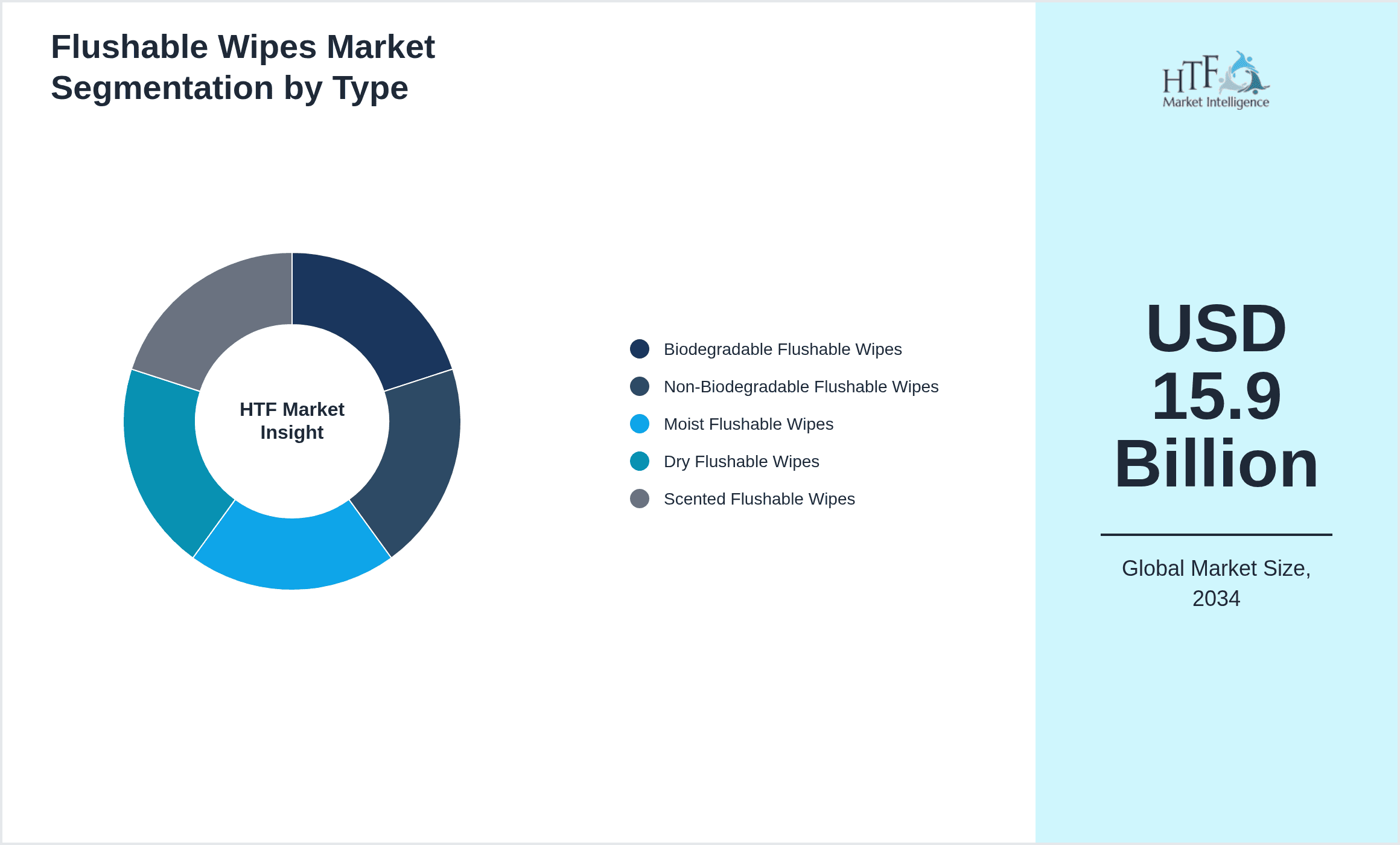
- •By Product Type
- ◦Biodegradable Flushable Wipes
- ◦Non-Biodegradable Flushable Wipes
- ◦Moist Flushable Wipes
- ◦Dry Flushable Wipes
- ◦Scented Flushable Wipes
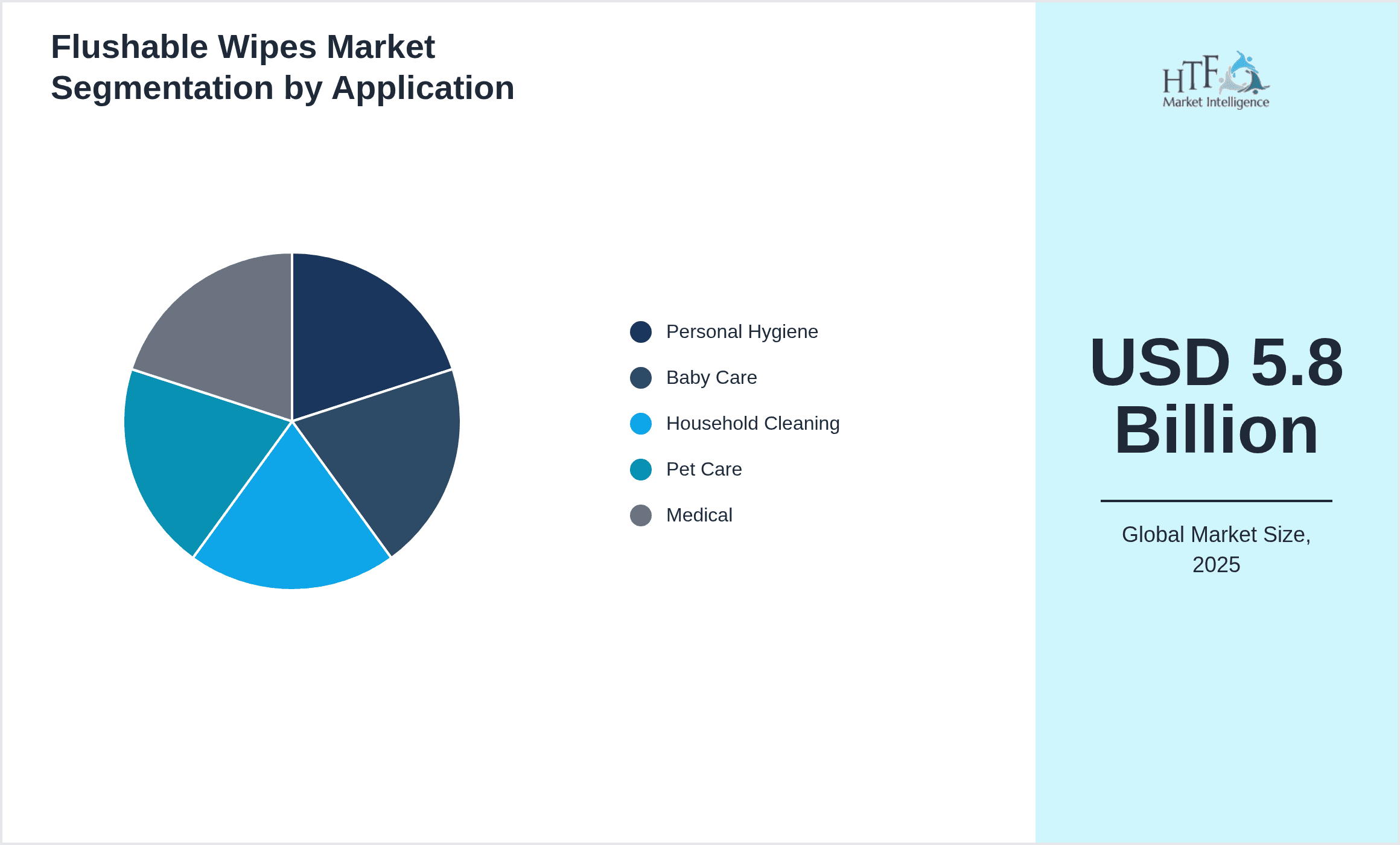
- •By Application
- ◦Personal Hygiene
- ◦Baby Care
- ◦Household Cleaning
- ◦Pet Care
- ◦Medical
- •By End-Use Industry
- ◦Residential
- ◦Healthcare
- ◦Hospitality
- ◦Commercial
- •By Distribution Channel
- ◦Supermarkets/Hypermarkets
- ◦Online Retail
- ◦Pharmacies
- ◦Specialty Stores
Growth Dynamics
- •Rising consumer awareness about hygiene and sanitation is a primary growth driver, especially post-pandemic, fueling demand for flushable wipes designed for personal and baby care. Increased health consciousness has led to preference for convenient, disposable hygiene products.
- •The shift towards sustainable and eco-friendly products propels growth in biodegradable flushable wipes. Innovations in natural fibers and compostable materials align with global environmental regulations and consumer preferences.
- •Expansion of modern retail and e-commerce platforms enhances market accessibility, enabling brands to reach a broader audience and increasing impulse purchases of flushable wipes across regions.
- •Rising urbanization and disposable income in emerging markets, particularly Asia-Pacific and Latin America, create significant demand growth opportunities for flushable wipes across multiple applications.
- •Increasing adoption of flushable wipes in healthcare and medical sectors for patient hygiene and infection control drives specialized product development and market expansion.
- •Government initiatives promoting sanitation and hygiene in developing countries aid market growth by encouraging use of disposable hygiene products including flushable wipes.
- •Technological advancements in wipe formulations, such as enhanced moisturizing and skin-friendly ingredients, improve product efficacy and consumer satisfaction, supporting sustained market growth.
Market Trends
- •An increasing trend towards plant-based and biodegradable materials in flushable wipes reflects growing environmental consciousness among consumers and stricter regulations on plastic waste.
- •Companies are focusing on multifunctional wipes that combine cleansing with skincare benefits like moisturizing and soothing, catering to the premium personal care segment.
- •The rise of online subscriptions and direct-to-consumer sales models is reshaping distribution strategies, providing steady demand and personalized product offerings.
- •Sustainability certifications and transparent labeling are becoming key competitive differentiators, helping brands build trust and loyalty among environmentally conscious consumers.
- •Collaborations between manufacturers and environmental organizations are increasingly common, aimed at developing industry standards for flushability and environmental impact.
- •Consumer preference segmentation by age, lifestyle, and sensitivity is driving product diversification, including wipes designed for sensitive skin and specific age groups.
- •Advances in biodegradable polymer technology and water-soluble fibers are paving the way for next-generation flushable wipes with improved performance and reduced environmental footprint.
Market Opportunities
- •Expanding flushable wipes applications into pet care and household cleaning offers untapped potential, leveraging growing pet ownership and demand for convenient cleaning solutions worldwide.
- •Emerging markets in Asia-Pacific and Latin America present significant growth opportunities due to rising disposable incomes, urbanization, and increasing hygiene awareness.
- •Investment in R&D to enhance biodegradability and flushability standards can position companies as market leaders, meeting regulatory demands and consumer expectations.
- •Developing eco-friendly packaging solutions complements the sustainability trend, offering competitive advantage and appealing to environmentally conscious consumers.
- •Strategic partnerships with healthcare providers and hospitality sectors can expand market reach and create specialized product lines tailored to institutional needs.
- •Leveraging digital marketing and e-commerce platforms enables targeted consumer engagement, personalized product recommendations, and subscription-based sales models.
- •Incorporating natural and organic ingredients in flushable wipes caters to the growing demand for clean-label personal care products, enhancing brand differentiation.
Market Challenges
- •Stringent regulatory requirements around flushability and environmental impact pose compliance challenges, requiring significant investment in product testing and certification.
- •High production costs of biodegradable materials and advanced formulations limit price competitiveness, especially in price-sensitive emerging markets.
- •Consumer skepticism regarding the true flushability and biodegradability of wipes affects brand credibility and market adoption rates.
- •Waste management infrastructure inadequacies in many regions lead to environmental concerns and potential bans or restrictions on flushable wipes.
- •Intense competition with conventional non-flushable wipes and other hygiene products limits market penetration and profitability.
- •Supply chain disruptions and raw material price volatility impact production continuity and margin stability for flushable wipe manufacturers.
- •Educating consumers on proper disposal and environmental impact remains a challenge, affecting the overall sustainability goals of the market.
Regulatory Framework
- •Between 2019 and 2024, several countries implemented regulations mandating flushability certifications for wipes, including ASTM standards in the U.S. and EN standards in Europe, ensuring products meet sewer system safety requirements.
- •The European Union introduced directives in 2021 aimed at reducing microplastic pollution from wipes, requiring manufacturers to label biodegradable content and adhere to strict environmental criteria.
- •In 2022, North American regulatory bodies enhanced labeling guidelines to prevent consumer confusion regarding flushability, mandating clear disposal instructions on packaging.
- •Emerging market regulations in Asia-Pacific focus on encouraging use of biodegradable materials through incentives and import-export controls to promote sustainable product adoption.
- •Government initiatives promoting circular economy principles have led to grants and subsidies for R&D in eco-friendly wipe technologies, facilitating industry innovation and compliance.
Market Intelligence
- •15th January 2025, Procter & Gamble launched a new line of 100% biodegradable flushable wipes incorporating plant-based fibers and enhanced moisturizing agents targeted at environmentally conscious consumers. The product aims to reduce environmental footprint while maintaining superior skin compatibility, expanding P&G’s sustainable hygiene portfolio globally. Strategic marketing campaigns emphasize eco-friendly disposal and certification compliance, strengthening brand positioning in North America and Europe. Source: Official Procter & Gamble Press Release
- •2nd March 2025, Kimberly-Clark Corporation introduced innovative flushable wipes featuring advanced polymer technology that ensures rapid disintegration in sewage systems without compromising cleaning efficacy. The launch targets healthcare and personal hygiene segments, addressing rising regulatory standards and consumer demand for safe flushability. The product rollout includes partnerships with major retailers and online platforms across Asia-Pacific and Latin America. Source: Kimberly-Clark Corporate News
- •10th October 2024, Essity AB announced strategic expansion of its flushable wipes manufacturing facilities in Europe to support growing demand and accelerate delivery timelines. The investment focuses on integrating sustainable production processes and aligns with the company’s 2030 sustainability goals. This move strengthens Essity’s competitive position in the global market and enhances supply chain resilience. Source: Essity Official Website
- •5th November 2024, Unicharm Corporation completed acquisition of a biodegradable wipes startup specializing in innovative natural fibers, enhancing its product portfolio in Asia-Pacific. The acquisition supports Unicharm’s strategy to lead in eco-friendly hygiene solutions and meet increasing regulatory demands. This strategic move also accelerates product innovation and market penetration in emerging economies. Source: Industry Publication
Regional Outlook
The North America currently holds a significant share of the market, primarily due to several key factors: increasing consumption rates, a burgeoning population, and robust economic momentum. These elements collectively drive demand, positioning this region as a leader in the market. On the other hand, Asia-Pacific is rapidly emerging as the fastest-growing area within the industry. This remarkable growth can be attributed to swift infrastructure development, the expansion of various industrial sectors, and a marked increase in consumer demand. These dynamics make this region a crucial player in shaping future market growth.
In our report, we cover a comprehensive analysis of the following regions and countries:
- North America
- LATAM
- West Europe
- Central & Eastern Europe
- Northern Europe
- Southern Europe
- East Asia
- Southeast Asia
- South Asia
- Central Asia
- Oceania
- MEA
| Feature | Details |
|---|---|
| Base Year Market Size | USD 5.8 Billion |
| Forecast Year Market Size | USD 15.9 Billion |
| CAGR | 10.9% |
| Forecast Period | 2026 to 2033 |
| YoY Growth | 10.4% |
| Scope of Report | Market is segmented by Product Type (Biodegradable Flushable Wipes, Non-Biodegradable Flushable Wipes, Moist Flushable Wipes, Dry Flushable Wipes, Scented Flushable Wipes), Application (Personal Hygiene, Baby Care, Household Cleaning, Pet Care, Medical), End-Use Industry (Residential, Healthcare, Hospitality, Commercial), Distribution Channel (Supermarkets/Hypermarkets, Online Retail, Pharmacies, Specialty Stores) |
| Regions Covered | North America, LATAM, West Europe, Central & Eastern Europe, Northern Europe, Southern Europe, East Asia, Southeast Asia, South Asia, Central Asia, Oceania, MEA |
| Key Companies | Procter & Gamble (United States), Kimberly-Clark Corporation (United States), Nice-Pak Products, Inc. (United States), Unicharm Corporation (Japan), Hengan International Group Company Limited (China), SCA (Sweden), Essity AB (Sweden), Ontex Group NV (Belgium), Johnson & Johnson (United States), Reckitt Benckiser Group plc (United Kingdom), Georgia-Pacific LLC (United States), Essity Hygiene and Health AB (Sweden), The Honest Company, Inc. (United States), Pigeon Corporation (Japan), Vinda International Holdings Limited (Hong Kong), Drylock Technologies NV (Belgium), First Quality Enterprises, Inc. (United States), Huggies (United States), Babyganics, Inc. (United States), Nice Group (United States), C&S Paper Company (United States), WipesPlus (United States), Goodbaby International Holdings Limited (China), Natracare (United Kingdom), Seventh Generation (United States) |
Global Flushable Wipes Market Size, Growth & Revenue 2024-2034 - Table of Contents
Frequently Asked Questions (FAQ):
The Compact Track Loaders market is expected to see value worth 5.3 Billion in 2025.
North America currently leads the market with approximately 45% market share, followed by Europe at 28% and Asia-Pacific at 22%. The remaining regions account for 5% of the global market.
Key growth drivers include increasing construction activities, rising demand for versatile equipment in agriculture, technological advancements in track loader design, and growing preference for compact equipment in urban construction projects.