
Southeast Asia Digestive Health Food and Drink Market - Outlook 2025-2034
Southeast Asia Digestive Health Food and Drink Market is segmented by Digestive Health Product Type (Probiotics (Live Microorganisms Enhancing Gut Flora), Prebiotics (Non-digestible Fibers Stimulating Beneficial Bacteria), Digestive Enzymes (Supplements Facilitating Nutrient Breakdown), Fiber-based Products (Dietary Fibers Supporting Bowel Regularity), Herbal Extracts (Plant-derived Ingredients with Digestive Benefits)), Application in Digestive Health (Functional Beverages (Probiotic Drinks, Fortified Juices), Dietary Supplements (Capsules, Tablets, Powders), Probiotic Yogurts (Fermented Dairy Products), Medical Nutrition (Clinical Nutrition for Digestive Disorders), Snack Foods (Fiber-enriched Bars, Biscuits)), Distribution Channel (Modern Retail (Supermarkets, Hypermarkets), Pharmacies and Drugstores, E-commerce Platforms, Specialty Health Stores), Consumer Demographic Segment (Adults, Children, Elderly, Athletes), and Geography (Singapore, Malaysia, Thailand, Indonesia, Vietnam, Philippines, Others)
Pricing
Report Overview
Executive Summary
- •The Southeast Asia Digestive Health Food and Drink Market is a rapidly evolving sector focused on products that promote gut health and digestive wellbeing. This market covers a broad spectrum of consumables, including functional beverages fortified with probiotics and prebiotics, dietary supplements designed to enhance digestive enzyme activity, probiotic yogurts that restore gut microbiota balance, medical nutrition aimed at clinical digestive support, and snack foods enriched with fiber and herbal extracts. The scope spans multiple countries in Southeast Asia such as Indonesia, Thailand, Malaysia, Philippines, Vietnam, and Singapore, each exhibiting unique consumer behaviors and regulatory frameworks. Key technologies include fermentation, encapsulation, and extraction methods that improve product efficacy and shelf life. This market addresses the increasing prevalence of digestive disorders, growing health consciousness, and demand for natural and preventive healthcare solutions. Stakeholders include manufacturers, distributors, healthcare providers, and retailers, all contributing to the dynamic ecosystem. The growing urban population, rising disposable incomes, and expanding e-commerce channels further bolster market adoption and innovation opportunities.
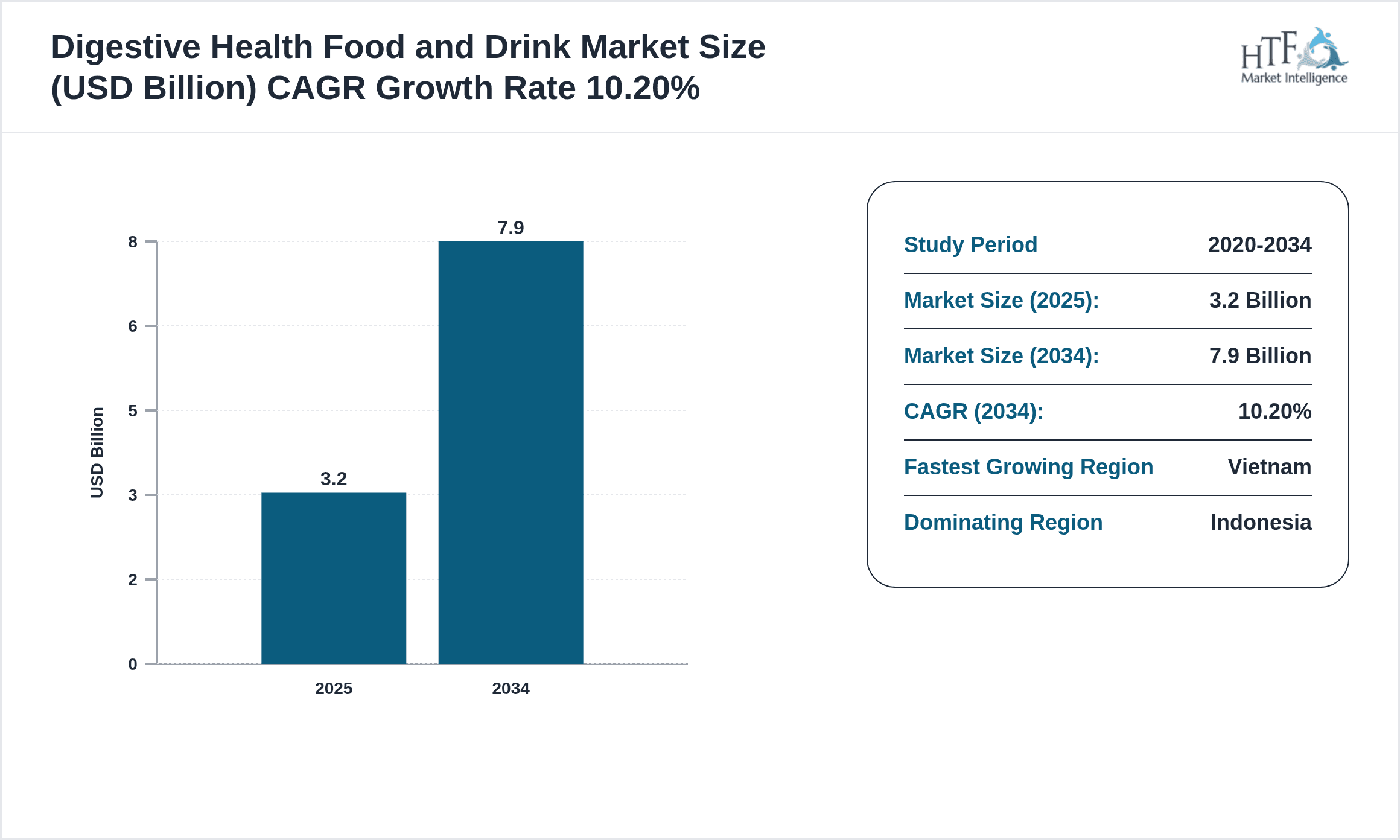
- •Market highlights reveal a robust CAGR of 10.2% forecasted from 2025 to 2034, driven by heightened consumer awareness of digestive health and increasing preference for natural ingredients. The base market size was USD 3.2 billion in 2025, projected to reach USD 7.9 billion by 2034, indicating substantial growth potential. Probiotics dominate the product type segment due to their proven efficacy and widespread acceptance, while Herbal Extracts represent the fastest growing product type, fueled by consumer inclination towards traditional and plant-based remedies. Functional Beverages lead applications, benefitting from innovation in convenient delivery formats and flavor diversification. Indonesia emerges as the dominating region owing to its large population and increasing health expenditure, whereas Vietnam is noted as the fastest growing market, supported by rising health awareness and economic development. These trends underscore significant investment and expansion opportunities within the Southeast Asia digestive health food and drink sector.
- •The strategic importance of the Southeast Asia Digestive Health Food and Drink Market lies in its capacity to address rising digestive health concerns amidst shifting lifestyle patterns and dietary habits. It offers value to food and beverage manufacturers through product innovation and portfolio diversification, while healthcare providers benefit from complementary nutritional offerings. For consumers, these products provide preventive and therapeutic benefits, supporting overall wellness and reducing healthcare burdens. The market's trajectory is influenced by regulatory evolutions, technological advancements, and evolving distribution landscapes including e-commerce and specialty retail. Companies leveraging local ingredient sourcing and culturally tailored formulations can enhance market penetration. Consequently, this market represents a critical nexus between nutrition science, consumer health trends, and economic growth in Southeast Asia, presenting lucrative prospects for stakeholders focused on sustainable and health-centric solutions.
Competitive Landscape
The Southeast Asia Digestive Health Food and Drink Market exhibits intense competition characterized by numerous multinational corporations and regional players vying for market share through innovation, strategic partnerships, and localized product development. Companies emphasize R&D investments to introduce advanced formulations incorporating probiotics, prebiotics, enzymes, and herbal extracts tailored to diverse consumer preferences across Southeast Asian countries. Competitive strategies include product differentiation via natural and organic certifications, taste enhancements, and functional benefits targeting specific digestive ailments. Market positioning hinges on strong distribution networks encompassing modern retail, pharmacies, and digital platforms, enabling widespread product accessibility. Rivalry intensifies with the entrance of new players focusing on niche segments such as medical nutrition and age-specific solutions. Mergers and acquisitions serve as pivotal tactics to consolidate capabilities, expand geographic footprints, and accelerate innovation pipelines. Price competition remains moderated by the premiumization trend, yet affordability considerations prevail in emerging markets. Overall, the competitive landscape fosters continuous innovation, quality improvement, and consumer engagement, sustaining market growth momentum.
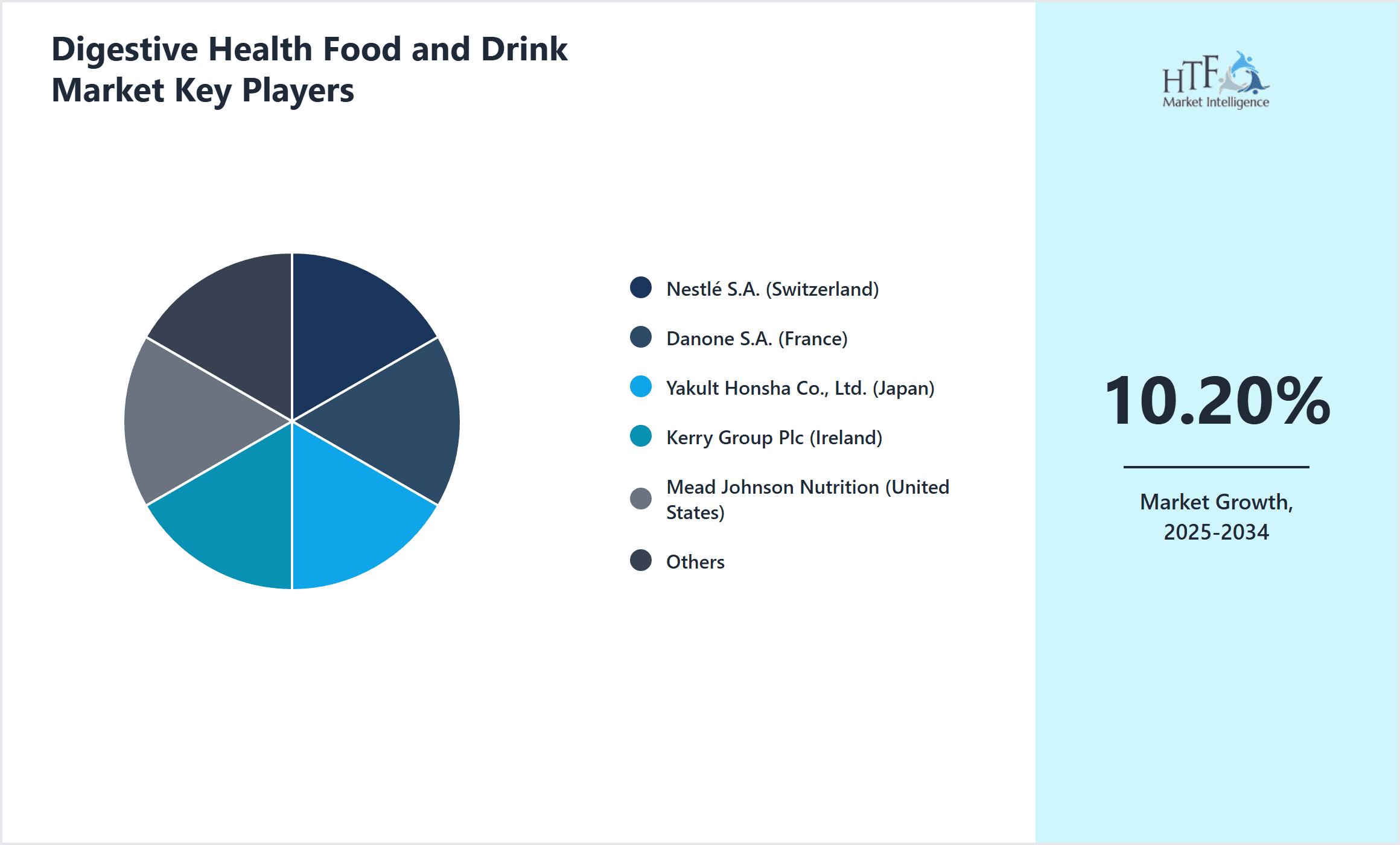
Prominent Players in Digestive Health Food and Drink Market
- •Nestlé S.A. (Switzerland)
- •Danone S.A. (France)
- •Yakult Honsha Co., Ltd. (Japan)
- •Kerry Group Plc (Ireland)
- •Mead Johnson Nutrition (United States)
- •Morinaga Milk Industry Co., Ltd. (Japan)
- •FrieslandCampina (Netherlands)
- •Amway Corporation (United States)
- •Ajinomoto Co., Inc. (Japan)
- •CHC Group (New Zealand)
- •BioGaia AB (Sweden)
- •Glanbia plc (Ireland)
- •Lactalis Group (France)
- •Probi AB (Sweden)
- •Chr. Hansen Holding A/S (Denmark)
- •Beneo GmbH (Germany)
- •Danisco (Denmark)
- •Yakult Malaysia Sdn Bhd (Malaysia)
- •Sappe Public Company Limited (Thailand)
- •Frutarom Industries Ltd. (Israel)
- •Yakult Philippines, Inc. (Philippines)
- •Vitasoy International Holdings Limited (Hong Kong)
- •Cargill, Incorporated (United States)
- •Fonterra Co-operative Group Limited (New Zealand)
- •Yakult Vietnam Co., Ltd. (Vietnam)
Market Breakdown
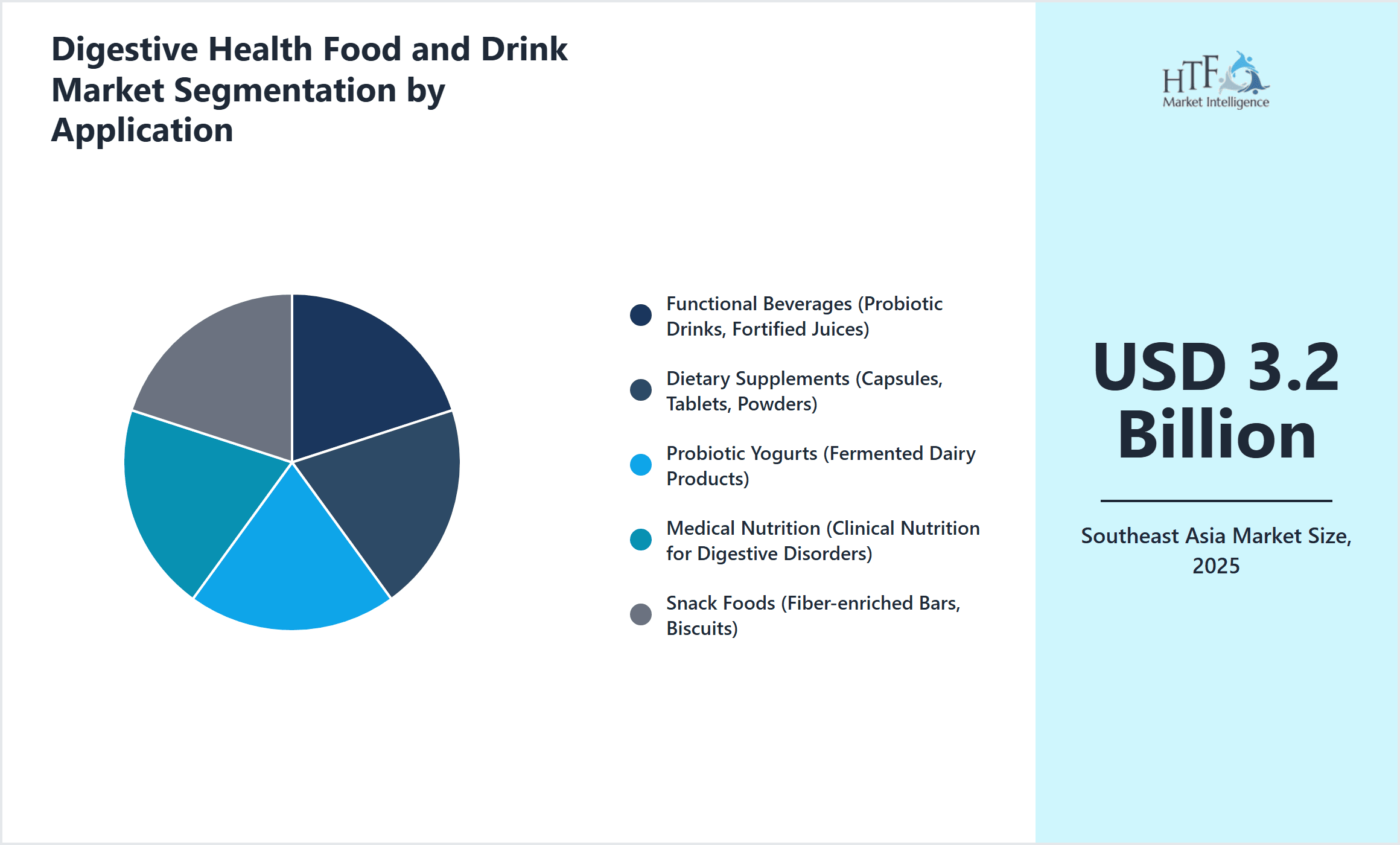
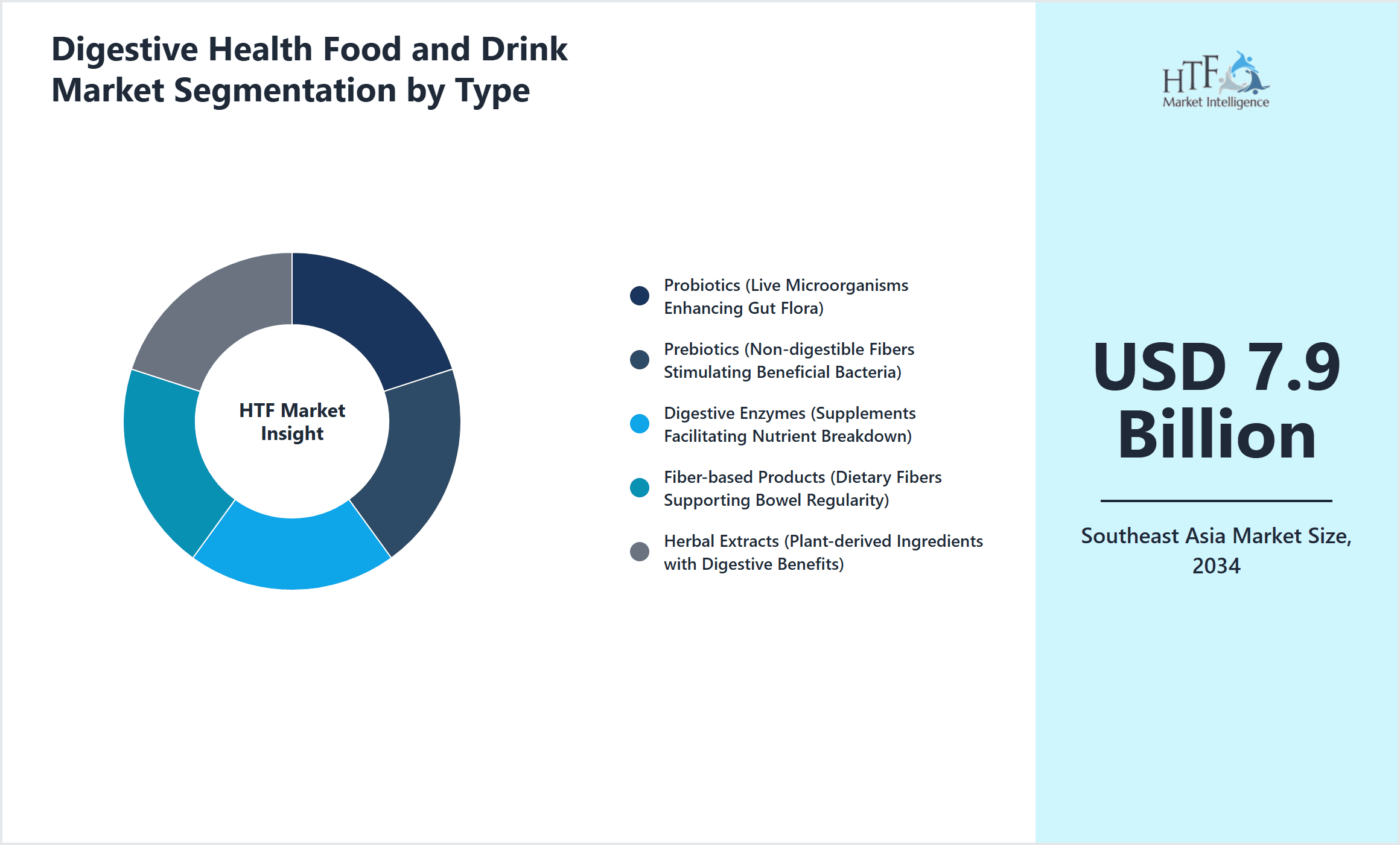
- •By Digestive Health Product Type
- ◦Probiotics (Live Microorganisms Enhancing Gut Flora)
- ◦Prebiotics (Non-digestible Fibers Stimulating Beneficial Bacteria)
- ◦Digestive Enzymes (Supplements Facilitating Nutrient Breakdown)
- ◦Fiber-based Products (Dietary Fibers Supporting Bowel Regularity)
- ◦Herbal Extracts (Plant-derived Ingredients with Digestive Benefits)
- •By Application in Digestive Health
- ◦Functional Beverages (Probiotic Drinks, Fortified Juices)
- ◦Dietary Supplements (Capsules, Tablets, Powders)
- ◦Probiotic Yogurts (Fermented Dairy Products)
- ◦Medical Nutrition (Clinical Nutrition for Digestive Disorders)
- ◦Snack Foods (Fiber-enriched Bars, Biscuits)
- •By Distribution Channel
- ◦Modern Retail (Supermarkets, Hypermarkets)
- ◦Pharmacies and Drugstores
- ◦E-commerce Platforms
- ◦Specialty Health Stores
- •By Consumer Demographic Segment
- ◦Adults
- ◦Children
- ◦Elderly
- ◦Athletes
Market Growth Dynamics
- •The Southeast Asia digestive health food and drink market experiences significant growth propelled by increased consumer awareness regarding gastrointestinal wellness and preventive healthcare. Rising incidences of digestive disorders linked to sedentary lifestyles and unhealthy diets have accelerated demand for functional foods and beverages. Urbanization and expanding middle-class populations with greater discretionary income enable higher consumption of premium and health-oriented products. Innovations in product formulations, such as combined probiotic and prebiotic blends, enhance efficacy and appeal. Additionally, expanding e-commerce channels and modern retail infrastructure facilitate greater product accessibility. Government initiatives promoting nutrition awareness and chronic disease prevention further stimulate market expansion. These drivers collectively contribute to robust market momentum, encouraging companies to invest in research, marketing, and regional distribution networks to capture emerging opportunities.
- •Current market trends in Southeast Asia highlight a shift toward natural and plant-based digestive health products, reflecting consumer preferences for clean-label and organic ingredients. The rise of personalized nutrition and gut microbiome testing services has fostered demand for tailored formulations. Increasing adoption of fermented foods and beverages, such as kombucha and kefir, aligns with traditional dietary practices rejuvenated by modern health trends. Sustainability considerations influence packaging innovations and ingredient sourcing, with companies emphasizing eco-friendly practices. Collaboration between food manufacturers and healthcare providers has led to integrated product offerings addressing specific digestive conditions. Digital marketing and influencer engagement have emerged as effective tools to educate and attract health-conscious consumers. These trends emphasize innovation, transparency, and consumer-centric strategies shaping the market landscape.
- •Market restraints include regulatory complexities and varying standards across Southeast Asian countries, which pose challenges for product registration, labeling, and claims substantiation. High costs associated with R&D and ingredient sourcing may limit product affordability, especially in price-sensitive markets. Consumer skepticism regarding the efficacy of functional foods and supplements can hinder adoption without adequate education and clinical evidence. Supply chain disruptions and limited local manufacturing capabilities restrict timely product availability and scalability. Additionally, competition from traditional remedies and counterfeit products undermines market trust. These factors necessitate robust compliance frameworks, transparent marketing, and investments in quality assurance to overcome barriers and sustain growth trajectories.
- •Emerging opportunities within the Southeast Asia digestive health food and drink market include the expansion into untapped rural and semi-urban markets with increasing health awareness. Growing interest in preventive health and aging populations create demand for specialized products targeting diverse age groups and health conditions. Integration of digital health technologies, such as apps for gut health tracking and personalized nutrition recommendations, offers avenues for innovative consumer engagement. Collaborations with local farmers and ingredient suppliers can enhance product authenticity and sustainability profiles. Expansion of clinical research and scientific validation of product benefits will strengthen consumer confidence and regulatory acceptance. These opportunities encourage market players to diversify portfolios, invest in technology, and tailor offerings to evolving consumer needs.
- •Challenges confronting the market encompass navigating diverse regulatory landscapes, which require harmonization efforts to streamline approvals and compliance. Educating consumers amidst prevalent misinformation and cultural variations demands targeted communication strategies. Managing supply chain complexities, including sourcing high-quality raw materials amid geopolitical and environmental uncertainties, remains critical. Intense competition drives the need for continuous innovation and differentiation while maintaining cost efficiencies. Additionally, economic fluctuations and currency volatility in the region may impact investment and pricing strategies. Addressing these challenges involves strategic planning, stakeholder collaboration, and agile operational models to ensure sustainable market success.
Market Trends and Innovations
- •Southeast Asia's digestive health food and drink sector embraces the trend of incorporating multi-strain probiotics and synbiotics to offer enhanced gut microbiota modulation, reflecting global scientific advances. Companies increasingly leverage traditional medicinal herbs combined with modern technology to create hybrid products that appeal to both conventional and contemporary consumers. The surge in plant-based and dairy-free probiotic alternatives addresses lactose intolerance and vegan lifestyle preferences prevalent in the region. Packaging innovations focus on convenience and sustainability, including single-serve sachets and biodegradable materials. These trends demonstrate an alignment with consumer demands for efficacy, ethics, and convenience, driving product portfolio expansions.
- •Digital transformation impacts the market through e-commerce growth and social media-driven education on digestive health benefits. Influencers and health experts collaborate with brands to disseminate credible information, enhancing consumer trust. Personalized nutrition platforms offering gut health assessments and customized supplement recommendations gain traction. Regional startups innovate with fermented foods and beverages integrating local flavors, fostering cultural relevance. These trends underscore the convergence of technology, consumer engagement, and product innovation shaping future market growth.
- •Sustainability and ethical sourcing emerge as strategic priorities, with companies adopting transparent supply chains and supporting local farming communities. Certifications such as organic, non-GMO, and fair trade become differentiators. Waste reduction initiatives and eco-friendly manufacturing practices align with global and regional environmental goals. These practices resonate with environmentally conscious consumers, influencing purchase decisions and brand loyalty.
- •Strategic partnerships between food manufacturers, healthcare providers, and research institutions facilitate clinical studies validating product efficacy. Collaborative innovation accelerates development of next-generation digestive health products incorporating novel bioactive compounds. These alliances enable shared resources, risk mitigation, and faster market entry, strengthening competitive advantage.
- •Consumer preference segmentation advances with tailored products targeting specific demographics such as children, elderly, and athletes. Fortified snacks and beverages designed for digestive support during travel and stress gain popularity. These niche markets enable companies to expand reach and deepen customer engagement through focused marketing and product development.
Emerging Market Opportunities
- •The Southeast Asia digestive health market offers significant growth potential through penetration into semi-urban and rural areas where increasing health awareness and disposable incomes create new consumer bases. Developing affordable, locally sourced products can bridge accessibility gaps and drive adoption. Expanding product portfolios to include age-specific formulations and condition-targeted offerings addresses unmet needs, fostering customer loyalty and repeat purchase behavior. Additionally, leveraging digital platforms for education and sales enhances market reach and consumer engagement. These opportunities encourage innovation and strategic investments to capture expanding segments and diversify revenue streams.
- •Rising interest in plant-based and natural ingredients presents opportunities for introducing herbal extract-based digestive health products aligned with traditional Southeast Asian wellness practices. This fusion of modern science with cultural heritage can differentiate brands and attract health-conscious consumers seeking holistic wellness solutions. Collaborations with local agricultural sectors to source authentic botanical ingredients support sustainability and economic development. These initiatives can strengthen brand positioning and meet evolving consumer preferences.
- •Technological advancements in fermentation and encapsulation techniques enable the development of innovative delivery systems that improve bioavailability and shelf stability of probiotics and enzymes. Introducing functional beverages and snacks with enhanced sensory attributes broadens consumer appeal. Embracing these innovations can create competitive advantages and open new market niches, especially among younger demographics valuing convenience and efficacy.
- •Strategic partnerships between regional players and global companies facilitate market expansion through knowledge transfer, resource sharing, and regulatory navigation. These alliances support product localization and faster time-to-market. Furthermore, joint ventures can enhance distribution capabilities and brand visibility across Southeast Asia’s diverse markets.
- •Growing healthcare expenditure and government initiatives promoting preventive nutrition offer avenues for integrating digestive health products into public health programs and insurance coverage. This institutional acceptance can boost consumer trust and volume sales, establishing digestive health solutions as mainstream wellness options.
Key Market Challenges
- •Navigating the heterogeneous regulatory frameworks across Southeast Asian countries poses a significant challenge for market entrants, requiring comprehensive understanding of local compliance requirements, labeling standards, and permissible health claims. This complexity increases time-to-market and operational costs. Inconsistent enforcement and evolving regulations further complicate strategic planning, demanding agile regulatory affairs management.
- •High production and ingredient costs, particularly for premium probiotics and herbal extracts, impact product pricing and affordability, limiting penetration in lower-income segments. Supply chain vulnerabilities, including dependency on imports and raw material scarcity, exacerbate cost pressures and risk product availability.
- •Consumer skepticism fueled by misinformation and lack of awareness regarding digestive health benefits hinders market growth. Overcoming cultural biases and educating diverse populations requires targeted communication strategies and credible clinical evidence to build trust and encourage trial.
- •Intense competition from traditional remedies and unregulated products challenges branded offerings, necessitating differentiation through quality, efficacy, and certification. Combatting counterfeit products demands robust supply chain security and consumer vigilance.
- •Economic volatility and currency fluctuations in the region affect investment decisions, pricing strategies, and profitability, requiring flexible business models and risk mitigation approaches to sustain growth amidst uncertainty.
Regulatory Framework
- •Between 2020 and 2025, Southeast Asian countries have progressively updated food safety and labeling regulations impacting digestive health food and drink products. Indonesia implemented stricter labeling requirements in 2022 mandating transparent disclosure of probiotic strains and concentrations to ensure consumer protection. Thailand enhanced its functional food registration processes in 2023, requiring scientific substantiation for health claims related to digestive benefits. Malaysia introduced guidelines in 2021 for herbal ingredient usage focusing on safety and efficacy. The Philippines revised import regulations in 2024 to streamline approvals while maintaining quality standards. Singapore updated its health supplement regulations in 2020 emphasizing adverse event reporting and advertising compliance. These evolving frameworks necessitate that manufacturers align product development and marketing strategies with country-specific mandates to maintain market access and consumer trust. Compliance with Good Manufacturing Practices (GMP) and Hazard Analysis and Critical Control Points (HACCP) standards remain pivotal across the region, ensuring product safety and quality consistency.
- •Enforcement mechanisms across Southeast Asia involve coordinated audits, market surveillance, and penalties for non-compliance, affecting stakeholders from raw material suppliers to retailers. Regulatory authorities collaborate regionally to harmonize standards under ASEAN guidelines, facilitating trade and reducing barriers. Companies proactively engage with regulatory agencies to expedite product registrations and adapt to policy changes. Educational initiatives promote industry awareness of compliance obligations, enhancing overall market integrity and consumer confidence.
- •Safety standards emphasize microbial quality, absence of contaminants, and accurate ingredient labeling to prevent adverse health outcomes. Environmental norms encourage sustainable sourcing and waste management practices within manufacturing operations. Operational guidelines mandate traceability and recall procedures to manage potential product risks. These regulations collectively uphold product safety and environmental responsibility.
- •Country-specific mandates, such as Vietnam’s 2023 decree on functional food claims and Singapore’s 2024 dietary supplement licensing requirements, establish clear frameworks for market participation. Timelines for implementation vary, requiring continuous monitoring by companies to ensure timely compliance and avoid market disruptions.
- •Government initiatives across Southeast Asia support the digestive health market through nutrition awareness campaigns, incentives for local manufacturing, and research funding. Public-private partnerships foster innovation and capacity building, contributing to a conducive ecosystem for market growth and consumer benefit.
Market Intelligence
- •12th January 2025, Nestlé S.A. launched a new range of probiotic functional beverages tailored for the Southeast Asian market, featuring multi-strain formulations designed to enhance gut health and immunity. The product line incorporates locally sourced herbal extracts to resonate with regional consumer preferences and is distributed through modern retail and e-commerce channels. This strategic initiative aims to capture growing demand for convenient, natural digestive health solutions amidst increasing health consciousness. Nestlé’s emphasis on scientific validation and sustainable sourcing aligns with market trends, positioning the company for robust regional growth. Source: Nestlé Official Press Release
- •5th March 2025, Yakult Honsha Co., Ltd. introduced an innovative probiotic yogurt enriched with digestive enzymes and prebiotic fibers, targeting consumers seeking comprehensive digestive support. The product launch in key Southeast Asian countries leverages advanced fermentation technology to enhance probiotic viability and efficacy. Yakult’s marketing campaign focuses on educational outreach to build consumer trust and expand market penetration. This development reflects the company’s commitment to product innovation and adaptation to regional health needs, strengthening its competitive position. Source: Yakult Corporate Website
- •20th June 2025, Danone S.A. announced a strategic partnership with a leading Southeast Asian herbal extract supplier to develop a new line of natural digestive supplements. The collaboration integrates traditional botanical knowledge with modern scientific research, aiming to create differentiated products that appeal to health-conscious consumers seeking plant-based options. This alliance enhances Danone’s product portfolio and responsiveness to emerging market trends. Distribution channels will include pharmacies and specialty health stores across the region. Source: Danone Press Release
- •15th September 2025, Kerry Group Plc completed the acquisition of a local Southeast Asian functional beverage company specializing in probiotic drinks, expanding its footprint and product offerings in the digestive health segment. The acquisition accelerates Kerry’s market entry by leveraging the acquired company’s established brand recognition, distribution networks, and manufacturing facilities. This strategic move aligns with Kerry’s growth objectives and the rising consumer demand for gut health products in the region. Source: Kerry Group Official Announcement
Regional Outlook
The Indonesia currently holds a significant share of the market, primarily due to several key factors: increasing consumption rates, a burgeoning population, and robust economic momentum. These elements collectively drive demand, positioning this region as a leader in the market. On the other hand, Vietnam is rapidly emerging as the fastest-growing area within the industry. This remarkable growth can be attributed to swift infrastructure development, the expansion of various industrial sectors, and a marked increase in consumer demand. These dynamics make this region a crucial player in shaping future market growth.
In our report, we cover a comprehensive analysis of the following regions and countries:
- Singapore
- Malaysia
- Thailand
- Indonesia
- Vietnam
- Philippines
- Others
| Feature | Details |
|---|---|
| Base Year Market Size | USD 3.2 Billion |
| Forecast Year Market Size | USD 7.9 Billion |
| CAGR | 10.2% |
| Forecast Period | 2026 to 2033 |
| YoY Growth | 10.3% |
| Scope of Report | Market is segmented by Digestive Health Product Type (Probiotics (Live Microorganisms Enhancing Gut Flora), Prebiotics (Non-digestible Fibers Stimulating Beneficial Bacteria), Digestive Enzymes (Supplements Facilitating Nutrient Breakdown), Fiber-based Products (Dietary Fibers Supporting Bowel Regularity), Herbal Extracts (Plant-derived Ingredients with Digestive Benefits)), Application in Digestive Health (Functional Beverages (Probiotic Drinks, Fortified Juices), Dietary Supplements (Capsules, Tablets, Powders), Probiotic Yogurts (Fermented Dairy Products), Medical Nutrition (Clinical Nutrition for Digestive Disorders), Snack Foods (Fiber-enriched Bars, Biscuits)), Distribution Channel (Modern Retail (Supermarkets, Hypermarkets), Pharmacies and Drugstores, E-commerce Platforms, Specialty Health Stores), Consumer Demographic Segment (Adults, Children, Elderly, Athletes) |
| Regions Covered | Singapore, Malaysia, Thailand, Indonesia, Vietnam, Philippines, Others |
| Key Companies | Nestlé S.A. (Switzerland), Danone S.A. (France), Yakult Honsha Co., Ltd. (Japan), Kerry Group Plc (Ireland), Mead Johnson Nutrition (United States), Morinaga Milk Industry Co., Ltd. (Japan), FrieslandCampina (Netherlands), Amway Corporation (United States), Ajinomoto Co., Inc. (Japan), CHC Group (New Zealand), BioGaia AB (Sweden), Glanbia plc (Ireland), Lactalis Group (France), Probi AB (Sweden), Chr. Hansen Holding A/S (Denmark), Beneo GmbH (Germany), Danisco (Denmark), Yakult Malaysia Sdn Bhd (Malaysia), Sappe Public Company Limited (Thailand), Frutarom Industries Ltd. (Israel), Yakult Philippines, Inc. (Philippines), Vitasoy International Holdings Limited (Hong Kong), Cargill, Incorporated (United States), Fonterra Co-operative Group Limited (New Zealand), Yakult Vietnam Co., Ltd. (Vietnam) |
Southeast Asia Digestive Health Food and Drink Market - Outlook 2025-2034 - Table of Contents
Frequently Asked Questions (FAQ):
The Compact Track Loaders market is projected to grow at a CAGR of 6.8% from 2025 to 2030, driven by increasing demand in construction and agricultural sectors.
North America currently leads the market with approximately 45% market share, followed by Europe at 28% and Asia-Pacific at 22%. The remaining regions account for 5% of the global market.
Key growth drivers include increasing construction activities, rising demand for versatile equipment in agriculture, technological advancements in track loader design, and growing preference for compact equipment in urban construction projects.