
Global Dietary Supplements Market Size, Growth & Revenue 2025-2034
Global Dietary Supplements Market is segmented by Application (Weight Management, Sports Nutrition, Immune Support, Digestive Health, General Wellness), Type (Vitamins, Minerals, Herbal Supplements, Protein Supplements, Probiotics), and Geography (North America, LATAM, West Europe, Central & Eastern Europe, Northern Europe, Southern Europe, East Asia, Southeast Asia, South Asia, Central Asia, Oceania, MEA)
Pricing
Report Overview
Executive Summary
- •The global dietary supplements market includes a broad range of products such as vitamins, minerals, herbal extracts, protein powders, and probiotics designed to improve health and nutrition. This market addresses consumer needs for enhanced immunity, weight management, sports nutrition, digestive health, and overall wellness. It spans multiple product forms and distribution channels, emphasizing innovation and regulatory compliance to ensure safety and efficacy. Market growth is fueled by increasing health consciousness, aging populations, and rising chronic disease prevalence worldwide. The market is characterized by dynamic regional demand, with North America dominating due to high health awareness and Asia-Pacific emerging rapidly driven by expanding middle-class populations and evolving lifestyle patterns. Key players innovate through advanced formulations and strategic partnerships to capture diverse consumer segments. This market plays a vital role in preventive healthcare and nutritional supplementation across global demographics, sustaining strong growth trajectories through 2034.
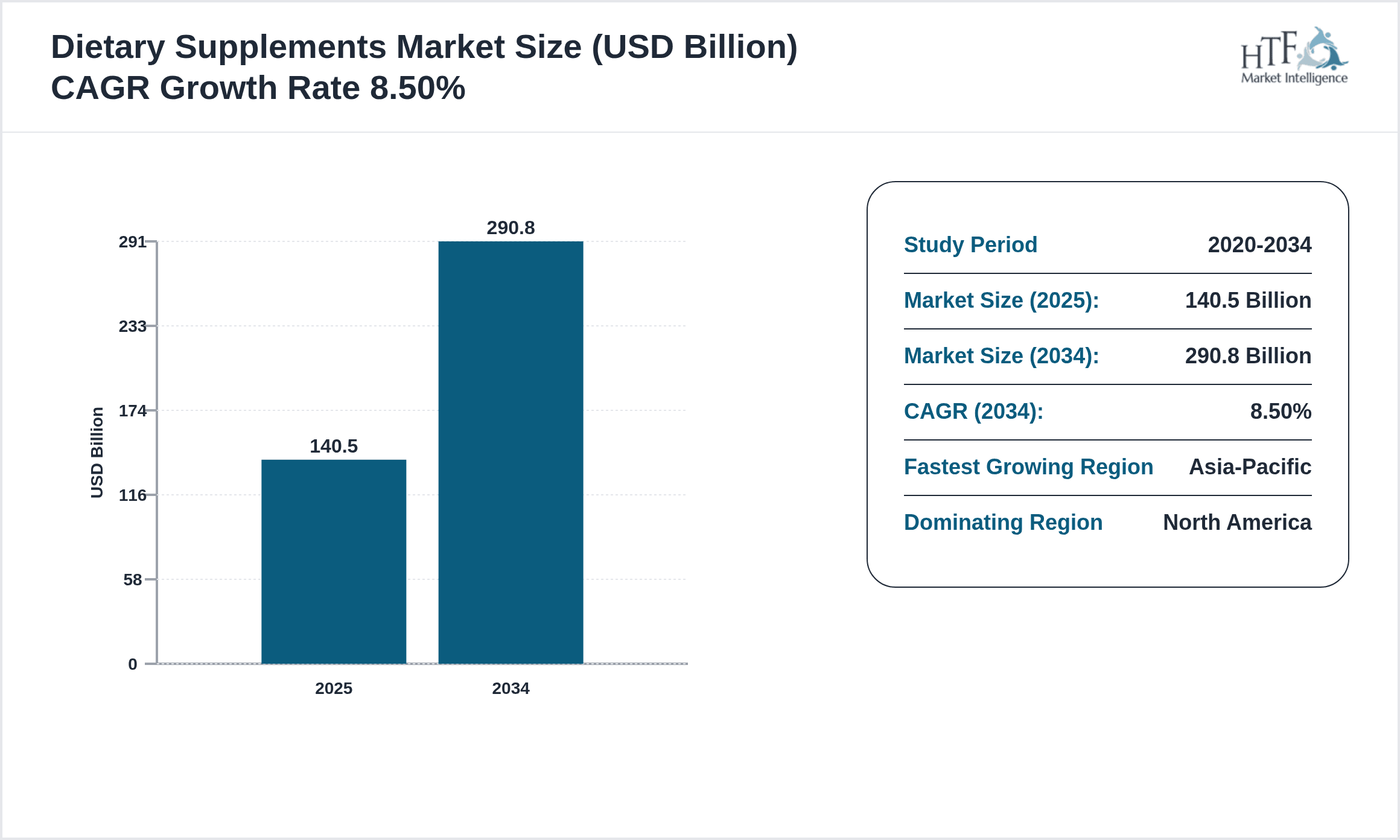
- •The dietary supplements market is projected to grow from USD 140.5 billion in 2025 to USD 290.8 billion by 2034, reflecting a compound annual growth rate of 8.5%. This growth is underpinned by strong year-on-year expansion of approximately 8.2%. Vitamins lead the product segment with the largest market share, while herbal supplements exhibit the fastest growth rate. North America remains the dominant region, accounting for a significant market share due to well-established regulatory frameworks and high consumer spending. Asia-Pacific offers the highest growth potential fueled by rising disposable incomes and increasing health awareness. The weight management and immune support applications dominate due to consumer focus on disease prevention and fitness. These factors collectively drive robust market dynamics and investment opportunities across the globe.
- •Dietary supplements provide essential health benefits by filling nutritional gaps and supporting wellness, making them strategically important for healthcare providers, manufacturers, retailers, and consumers. Their role in preventive medicine reduces healthcare burdens by mitigating chronic disease risks. Manufacturers leverage product innovation, including natural and organic ingredients, to meet evolving consumer preferences and regulatory standards. Retailers and e-commerce platforms capitalize on growing demand through expanded distribution and digital marketing strategies. Governments and health organizations promote supplement usage through awareness campaigns and nutritional guidelines. Overall, the dietary supplements market forms a critical component of global health ecosystems, driving economic growth and enhancing quality of life worldwide through scientifically formulated nutritional products.
Competitive Landscape
The global dietary supplements market operates in a highly competitive environment characterized by a mix of multinational corporations and regional players focusing on product innovation, strategic partnerships, and global expansion to maintain and enhance market presence. Companies adopt technology-driven approaches such as advanced formulation techniques, personalized nutrition, and digital marketing to differentiate their offerings. Mergers and acquisitions facilitate portfolio diversification and entry into new markets, while collaborations with research institutions accelerate innovation pipelines. Pricing strategies balance affordability with premium product positioning to capture diverse consumer segments. Distribution channel expansion through online platforms complements traditional retail, increasing accessibility worldwide. Regulatory compliance and quality assurance remain crucial competitive factors, ensuring consumer trust and brand loyalty. Regional competition intensifies as emerging markets attract investments due to growing consumer bases. Future competitive trends emphasize sustainability, natural ingredients, and integration of artificial intelligence for consumer engagement and supply chain optimization.
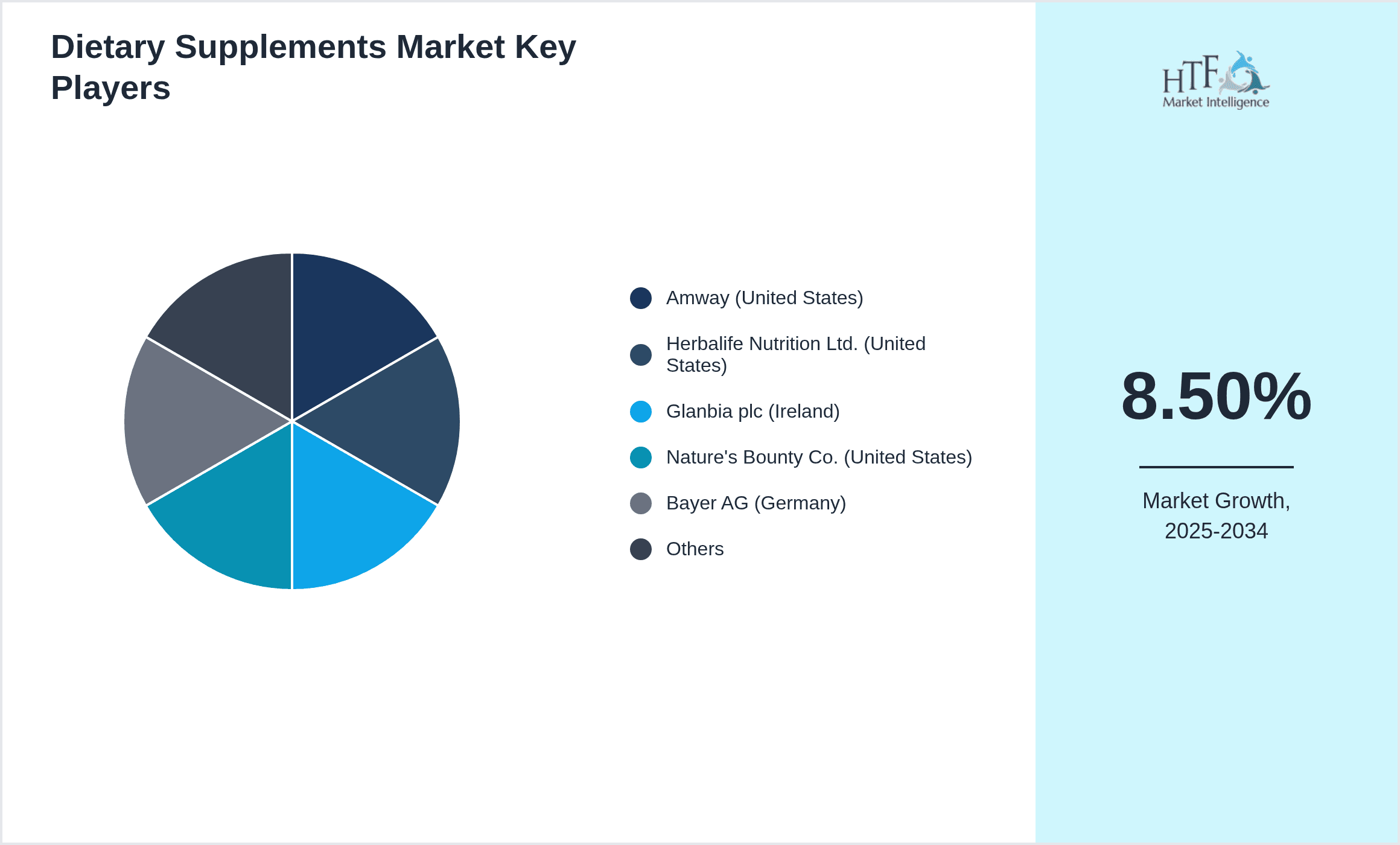
Leading Companies in Dietary Supplements Market
- •Amway (United States)
- •Herbalife Nutrition Ltd. (United States)
- •Glanbia plc (Ireland)
- •Nature's Bounty Co. (United States)
- •Bayer AG (Germany)
- •Pfizer Inc. (United States)
- •Abbott Laboratories (United States)
- •Nestlé S.A. (Switzerland)
- •NOW Health Group, Inc. (United States)
- •Blackmores Limited (Australia)
- •Swisse Wellness Pty Ltd (Australia)
- •Nature Made (United States)
- •The Nature's Sunshine Products, Inc. (United States)
- •USANA Health Sciences, Inc. (United States)
- •Tate & Lyle PLC (United Kingdom)
- •Lonza Group AG (Switzerland)
- •NutraScience Labs (United States)
- •PharmaNutra S.p.A. (Italy)
- •Rexall Sundown, Inc. (United States)
- •Zhejiang NHU Co., Ltd. (China)
Dietary Supplements Market Segments
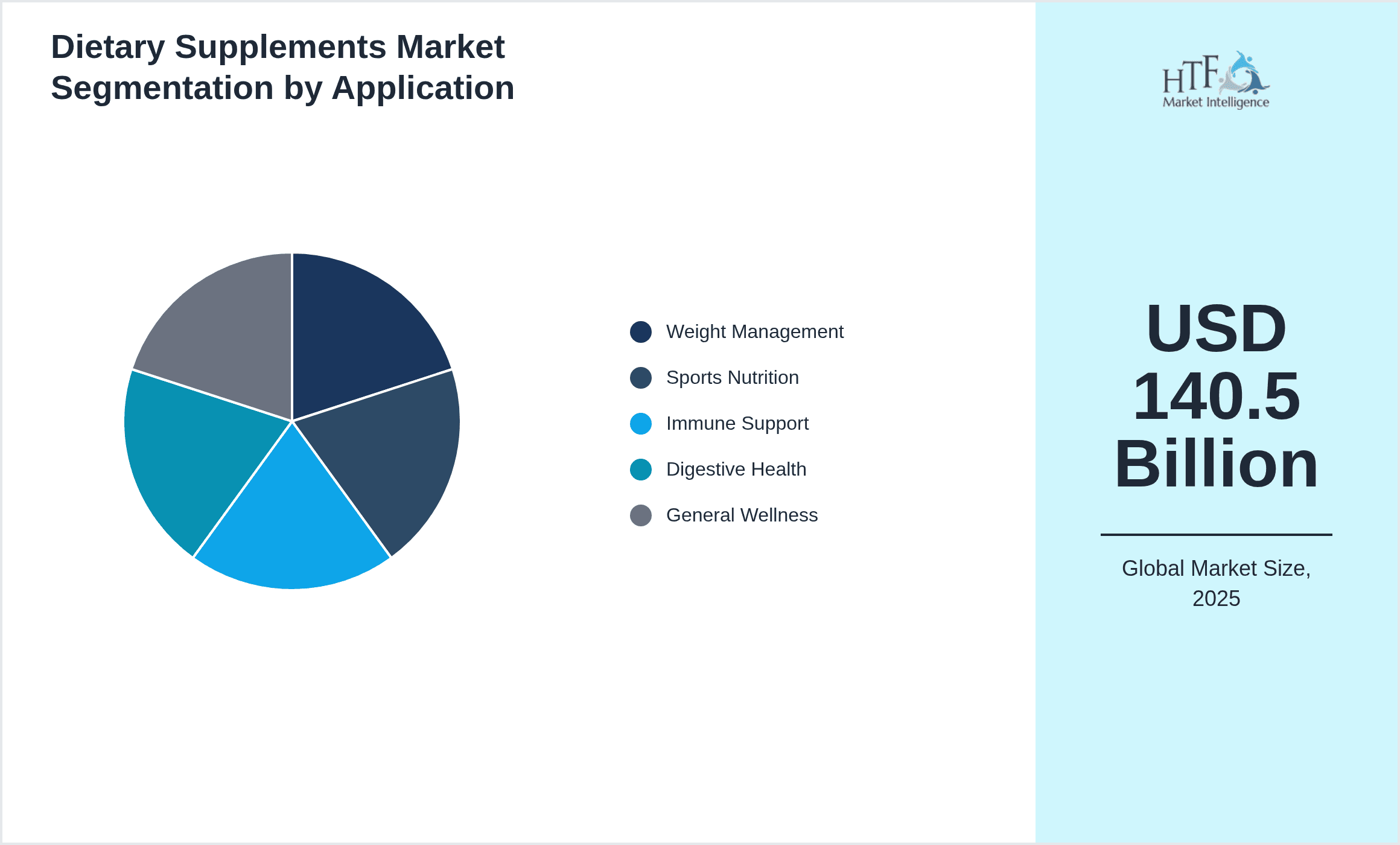
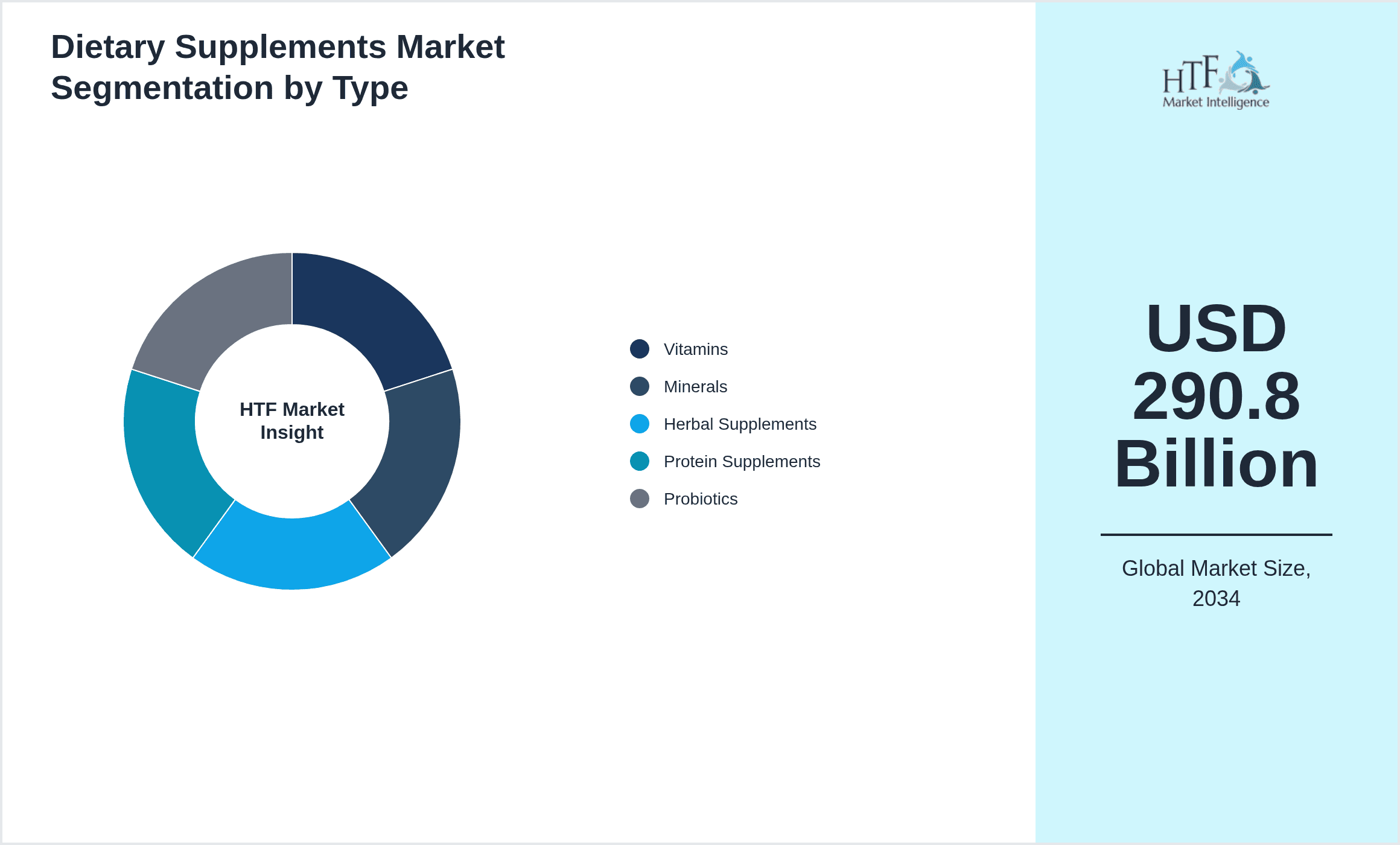
- •By Type
- ◦Vitamins
- ◦Minerals
- ◦Herbal Supplements
- ◦Protein Supplements
- ◦Probiotics
- •By Application
- ◦Weight Management
- ◦Sports Nutrition
- ◦Immune Support
- ◦Digestive Health
- ◦General Wellness
- •By Formulation
- ◦Tablets
- ◦Capsules
- ◦Powders
- ◦Liquids
- •By Distribution Channel
- ◦Pharmacies & Drug Stores
- ◦Supermarkets & Hypermarkets
- ◦Online Retail
- ◦Specialty Stores
Growth Dynamics in Dietary Supplements Market
Increasing health awareness and preventive healthcare adoption globally drive the dietary supplements market. Rising chronic diseases such as diabetes and cardiovascular conditions elevate demand for nutritional support products. Recent events like the COVID-19 pandemic intensified consumer interest in immune-boosting supplements, leading to unprecedented sales growth. Technological advancements enable formulation of targeted supplements addressing specific health concerns, enhancing efficacy and consumer satisfaction. Expanding e-commerce platforms facilitate convenient access to a wide product range, broadening market reach. Government initiatives promoting nutritional education and healthy lifestyles further stimulate demand. Additionally, increasing aging populations across regions bolster consumption for age-related health maintenance. Industry players leverage these factors through diversified product portfolios and marketing campaigns focused on wellness benefits, driving sustained market expansion worldwide.
Emerging Market Trends in Dietary Supplements
Personalized nutrition gains traction as consumers seek tailored dietary supplements based on genetic, lifestyle, and health data, supported by advancements in AI and data analytics. Plant-based and natural ingredients dominate innovation trends due to growing preferences for clean-label products and environmental sustainability. Digital health integration through apps and wearable devices enhances consumer engagement and adherence to supplement regimens. Subscription-based models and direct-to-consumer sales channels expand convenience and loyalty. Functional supplements targeting mental health, gut microbiome, and anti-aging represent new avenues for growth. Collaborations between biotech firms and supplement manufacturers accelerate research on novel bioactive compounds. Regional trends reveal rapid adoption in Asia-Pacific driven by rising disposable incomes and wellness culture. Collectively, these trends reshape the dietary supplements landscape, fostering innovation and diversified consumer offerings.
Future Market Opportunities in Dietary Supplements
Emerging markets offer significant growth potential due to increasing health awareness, urbanization, and expanding middle-class populations. Innovations in delivery formats such as gummies, effervescent tablets, and beverages attract new consumer segments, especially younger demographics. Integration of probiotics with prebiotics (synbiotics) and combination supplements address multifaceted health needs, enhancing market appeal. Regulatory harmonization across regions simplifies product approvals, encouraging international market entry. Collaborations with healthcare providers and wellness platforms facilitate evidence-based supplement recommendations, boosting consumer trust. Sustainable sourcing and eco-friendly packaging respond to environmental concerns, enhancing brand differentiation. Additionally, rising demand for supplements supporting cognitive function and stress management aligns with modern lifestyle challenges. Strategic investments in R&D, digital marketing, and supply chain optimization enable stakeholders to capitalize on these expanding opportunities globally.
Key Challenges Facing Dietary Supplements Market
Stringent regulatory frameworks pose significant challenges by increasing compliance costs and lengthening product approval timelines, limiting rapid market entry. Quality control issues and adulteration concerns impact consumer confidence and lead to recalls, as seen in recent incidents involving mislabeled products. Intense competition with numerous brands results in pricing pressures, squeezing profit margins. Variability in regional regulations complicates global market strategies, requiring localized approaches. Supply chain disruptions due to geopolitical tensions and raw material shortages affect product availability and costs. Consumer skepticism fueled by misinformation and lack of standardized clinical evidence hinders adoption. Additionally, counterfeit products in emerging markets undermine brand reputation and safety standards. Companies must invest in robust quality assurance, transparent communication, and regulatory expertise to overcome these obstacles and sustain growth.
Regulatory Framework Governing Dietary Supplements
Over the past five years, regulatory authorities globally have enhanced frameworks to ensure dietary supplement safety and efficacy. The United States FDA has updated labeling requirements and increased scrutiny on health claims to protect consumers from misleading information. The European Food Safety Authority has implemented stricter novel food regulations affecting ingredient approvals. In Asia-Pacific, countries such as Japan and South Korea have introduced comprehensive guidelines on ingredient safety assessments and manufacturing practices. Harmonization efforts led by international organizations aim to streamline cross-border trade and compliance. These regulations mandate rigorous quality control, clinical substantiation, and post-market surveillance, fostering greater consumer confidence. Compliance with evolving standards remains critical for market players to maintain product accessibility and avoid regulatory penalties, shaping strategic planning and innovation within the dietary supplements industry.
Recent Market Intelligence on Dietary Supplements
Recent market developments and strategic initiatives are continuously tracked through industry publications, company announcements, and regulatory filings. For the most current information, stakeholders are advised to monitor official corporate communications and recognized market intelligence platforms.
Regional Outlook
The North America currently holds a significant share of the market, primarily due to several key factors: increasing consumption rates, a burgeoning population, and robust economic momentum. These elements collectively drive demand, positioning this region as a leader in the market. On the other hand, Asia-Pacific is rapidly emerging as the fastest-growing area within the industry. This remarkable growth can be attributed to swift infrastructure development, the expansion of various industrial sectors, and a marked increase in consumer demand. These dynamics make this region a crucial player in shaping future market growth.
In our report, we cover a comprehensive analysis of the following regions and countries:
- North America
- LATAM
- West Europe
- Central & Eastern Europe
- Northern Europe
- Southern Europe
- East Asia
- Southeast Asia
- South Asia
- Central Asia
- Oceania
- MEA
| Feature | Details |
|---|---|
| Base Year Market Size | USD 140.5 Billion |
| Forecast Year Market Size | USD 290.8 Billion |
| CAGR | 8.5% |
| Forecast Period | 2026 to 2033 |
| YoY Growth | 8.2% |
| Regions Covered | North America, LATAM, West Europe, Central & Eastern Europe, Northern Europe, Southern Europe, East Asia, Southeast Asia, South Asia, Central Asia, Oceania, MEA |
| Key Companies | Amway (United States), Herbalife Nutrition Ltd. (United States), Glanbia plc (Ireland), Nature's Bounty Co. (United States), Bayer AG (Germany), Pfizer Inc. (United States), Abbott Laboratories (United States), Nestlé S.A. (Switzerland), NOW Health Group, Inc. (United States), Blackmores Limited (Australia), Swisse Wellness Pty Ltd (Australia), Nature Made (United States), The Nature's Sunshine Products, Inc. (United States), USANA Health Sciences, Inc. (United States), Tate & Lyle PLC (United Kingdom), Lonza Group AG (Switzerland), NutraScience Labs (United States), PharmaNutra S.p.A. (Italy), Rexall Sundown, Inc. (United States), Zhejiang NHU Co., Ltd. (China) |
Global Dietary Supplements Market Size, Growth & Revenue 2025-2034 - Table of Contents
Frequently Asked Questions (FAQ):
The Compact Track Loaders market is expected to see value worth 5.3 Billion in 2025.
North America currently leads the market with approximately 45% market share, followed by Europe at 28% and Asia-Pacific at 22%. The remaining regions account for 5% of the global market.
Key growth drivers include increasing construction activities, rising demand for versatile equipment in agriculture, technological advancements in track loader design, and growing preference for compact equipment in urban construction projects.