
Global Crunchy Chocolate Market Size, Growth & Revenue 2024-2034
Global Crunchy Chocolate Market is segmented by Application (Snacking, Baking, Confectionery, Dairy Products, Others), Type (Milk Chocolate, Dark Chocolate, White Chocolate, Sugar-Free Chocolate, Ruby Chocolate), and Geography (North America, LATAM, West Europe, Central & Eastern Europe, Northern Europe, Southern Europe, East Asia, Southeast Asia, South Asia, Central Asia, Oceania, MEA)
Pricing
Report Overview
Executive Summary
- •The global Crunchy Chocolate market comprises a broad spectrum of chocolate varieties that incorporate crunchy elements such as nuts, crisped rice, and wafer inclusions to enhance texture and consumer appeal. Spanning product types including milk, dark, white, sugar-free, and ruby chocolates, the market caters to diverse consumer segments and eating occasions. Applications extend from direct consumption as snacks and confectionery items to integral ingredients in baking and dairy products, reflecting the product's versatility. This market operates globally with significant activity in major regions like North America, Europe, Asia-Pacific, Latin America, and the Middle East & Africa, each exhibiting unique consumption patterns and growth drivers. Technological advancements in chocolate processing and flavor innovation alongside rising health consciousness and premiumization trends are shaping market dynamics. The industry is also influenced by regulatory frameworks focusing on food safety and labeling. Over the forecast period from 2024 to 2034, the market is projected to witness robust growth driven by increasing demand for textured and indulgent chocolate products across emerging and developed economies.
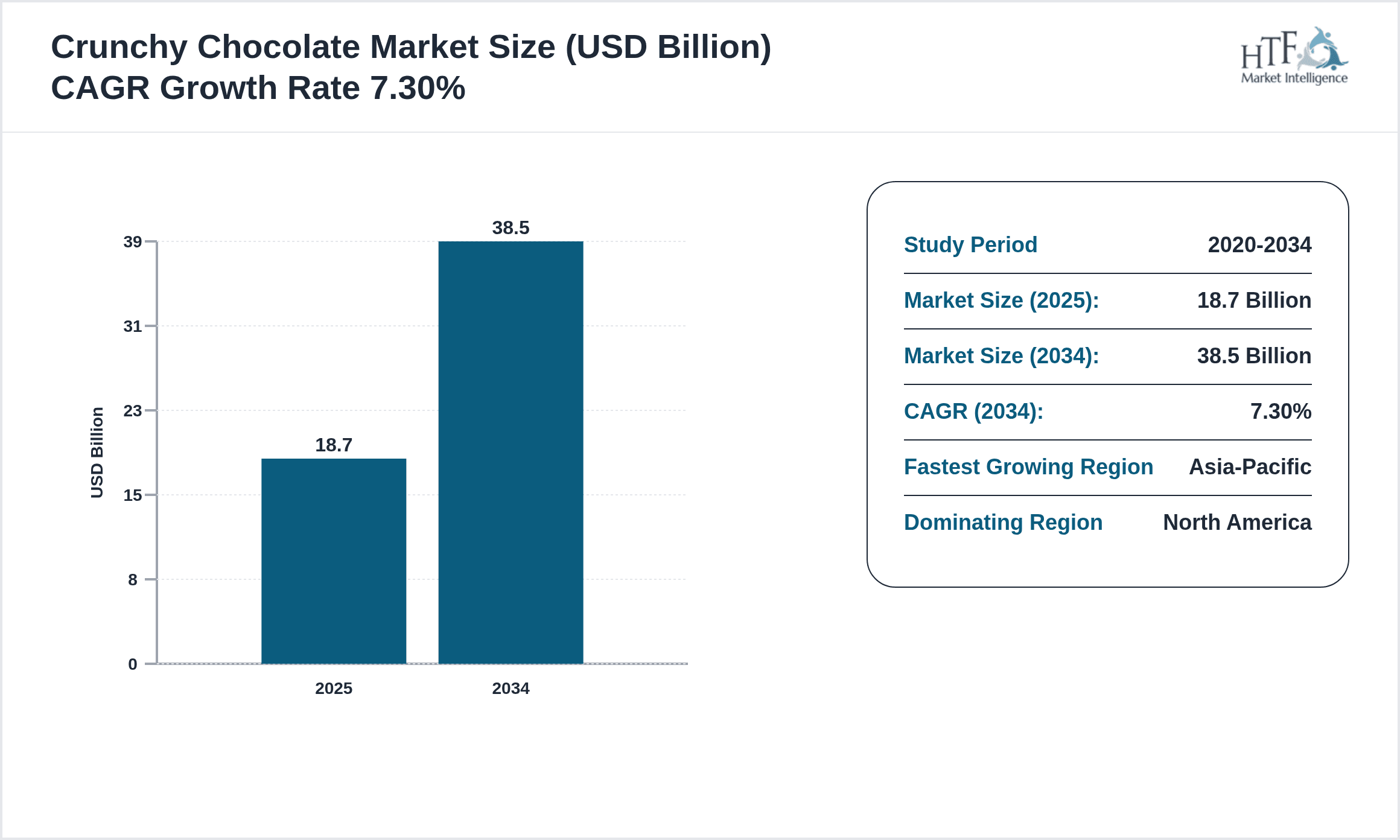
- •Key market highlights include a base market size of USD 18.7 Billion in 2024, with a forecast to reach USD 38.5 Billion by 2034, reflecting a compound annual growth rate (CAGR) of 7.3%. Milk chocolate dominates the product type segment due to its widespread consumer preference and established production infrastructure, while sugar-free chocolate is identified as the fastest-growing type propelled by rising health awareness and diabetic-friendly options. Snacking remains the leading application, supported by the increasing demand for convenient and indulgent food products. Geographically, North America holds the dominant market share attributed to high disposable incomes and sophisticated retail channels, whereas Asia-Pacific is the fastest-growing region driven by urbanization, young demographics, and growing middle-class consumers. Year-over-year growth is estimated at 7.1%, signaling steady expansion driven by product innovation, premiumization, and penetration into untapped markets.
- •The market offers significant value propositions to manufacturers, retailers, and consumers by blending indulgence with texture innovation, catering to evolving taste preferences and lifestyle trends. For the food and confectionery industries, crunchy chocolate products represent an opportunity to differentiate offerings and capture niche segments such as health-conscious consumers through sugar-free and premium varieties. Strategic importance is heightened by the product's adaptability across applications from direct consumption to ingredient use in baked goods and dairy, enhancing versatility and revenue streams. Stakeholders benefit from technological advancements enabling improved texture and shelf-life, while regulatory compliance ensures product safety and consumer trust. The market's growth trajectory underscores the increasing global appetite for novel chocolate experiences, positioning crunchy chocolate as a key segment within the broader confectionery landscape.
Competitive Landscape
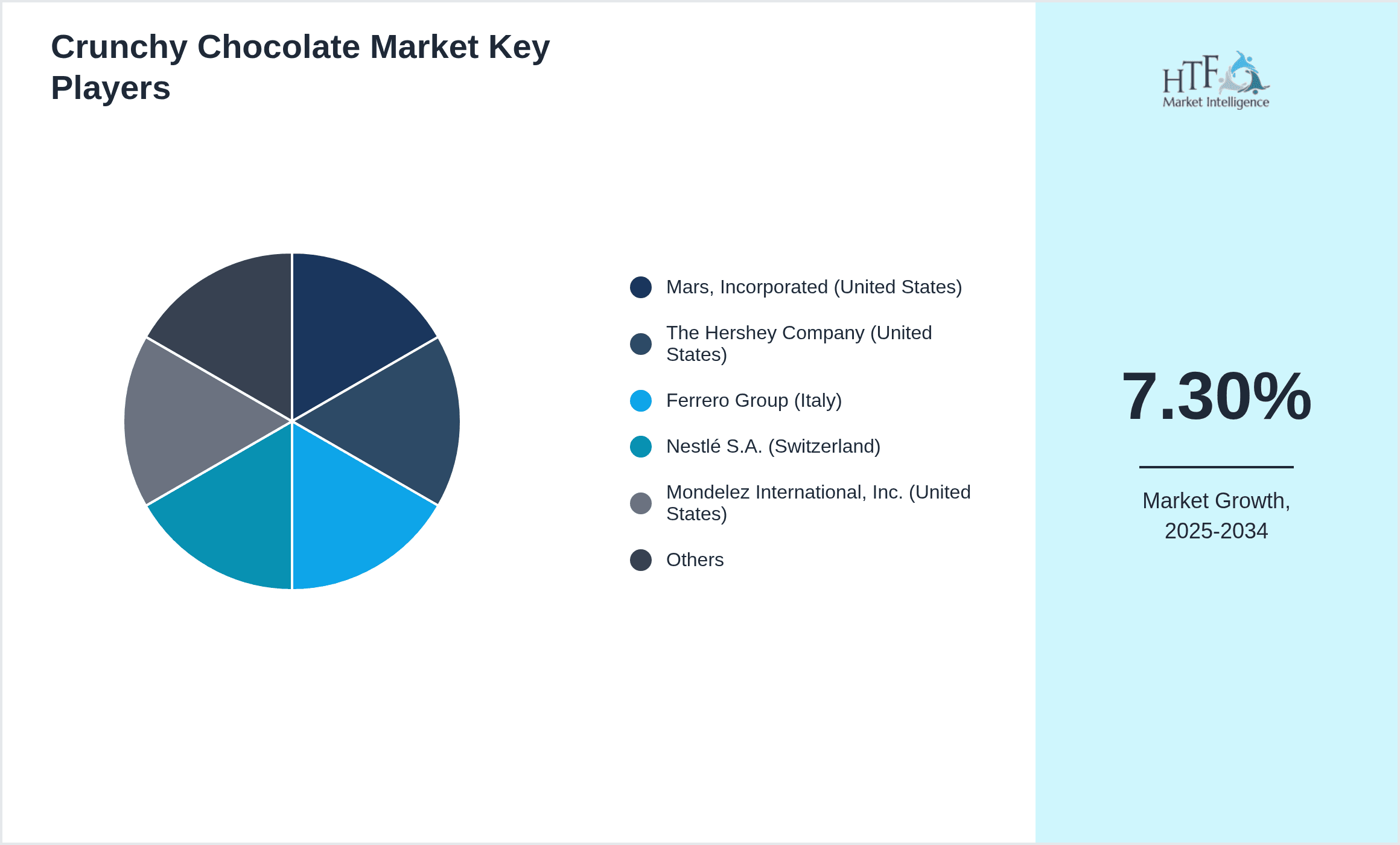
The competitive landscape of the global Crunchy Chocolate market is characterized by intense rivalry among multinational corporations and regional players striving to innovate and capture market share through diversified product portfolios and strategic expansions. Market leaders adopt robust innovation strategies focusing on texture enhancement, flavor diversification, and health-oriented formulations such as sugar-free and organic chocolates to meet evolving consumer demands. Competitive dynamics also involve aggressive marketing campaigns, brand loyalty programs, and expansion into emerging markets to leverage growing middle-class populations. Mergers and acquisitions remain pivotal as companies seek to consolidate resources, broaden distribution networks, and accelerate R&D capabilities. Pricing strategies balance premium product positioning with affordability to appeal to a broad customer base across different regions. Distribution channels span modern retail, e-commerce, and specialty stores, enhancing product accessibility. Future trends indicate a shift towards sustainable sourcing and clean-label products, creating competitive advantages for proactive companies. Overall, the market's fragmented nature fosters continuous innovation and strategic collaborations, intensifying competition and driving industry growth.
Prominent Players in Crunchy Chocolate Market
- •Mars, Incorporated (United States)
- •The Hershey Company (United States)
- •Ferrero Group (Italy)
- •Nestlé S.A. (Switzerland)
- •Mondelez International, Inc. (United States)
- •Lindt & Sprüngli AG (Switzerland)
- •Barry Callebaut AG (Switzerland)
- •Meiji Holdings Co., Ltd. (Japan)
- •Ghirardelli Chocolate Company (United States)
- •Pladis Global (United Kingdom)
- •Tohmatsu Chocolate Co., Ltd. (Japan)
- •Perfetti Van Melle Group (Italy)
- •Hawkins Watts Pvt Ltd (India)
- •Callebaut (Belgium)
- •Godiva Chocolatier (Belgium)
- •Blommer Chocolate Company (United States)
- •Guylian NV (Belgium)
- •Kraft Foods Group, Inc. (United States)
- •Dolfin Delicatessen (Belgium)
- •Thorntons Ltd. (United Kingdom)
- •Natra Group (Spain)
- •Chocolat Frey AG (Switzerland)
- •Cargill, Incorporated (United States)
- •Blanxart Chocolate (Spain)
- •Patchi (Lebanon)

Crunchy Chocolate Market Segmentation Landscape
- •By Chocolate Type
- ◦Milk Chocolate
- ◦Dark Chocolate
- ◦White Chocolate
- ◦Sugar-Free Chocolate
- ◦Ruby Chocolate
- •By Application
- ◦Snacking
- ◦Baking
- ◦Confectionery
- ◦Dairy Products
- ◦Others
- •By Distribution Channel
- ◦Supermarkets/Hypermarkets
- ◦Convenience Stores
- ◦Specialty Stores
- ◦Online Retail
- •By Packaging Type
- ◦Boxes
- ◦Wrappers
- ◦Bags
- ◦Gift Packs
Growth Dynamics
- •The global Crunchy Chocolate market is experiencing robust growth fueled by rising consumer preference for textured and indulgent confectionery products. Increasing demand for premium and artisanal chocolates with added crunchy elements such as nuts and crisped rice is driving product innovation and diversification. Health-conscious consumers are also propelling the growth of sugar-free and organic crunchy chocolate variants, expanding the customer base. Additionally, the expansion of modern retail formats and e-commerce platforms worldwide enhances product accessibility and convenience, further boosting sales. Emerging markets in Asia-Pacific and Latin America are witnessing rapid urbanization and rising disposable incomes, contributing significantly to market expansion. Furthermore, collaborations between chocolate manufacturers and ingredient suppliers facilitate the development of novel crunchy textures, catering to evolving taste preferences. These growth drivers collectively position the crunchy chocolate segment for sustained expansion through 2034, with continuous innovation and geographic penetration shaping market dynamics.
- •Consumer trends indicate a growing inclination towards premiumization and experiential eating, with crunchy chocolate products gaining traction as a preferred indulgence. The fusion of traditional chocolate with novel crunchy ingredients such as quinoa, caramelized nuts, and wafer crisps is creating unique flavor profiles that appeal to millennials and Gen Z consumers. Sustainability and ethical sourcing are increasingly influencing purchase decisions, prompting manufacturers to adopt transparent supply chains and eco-friendly packaging. Digital marketing and social media engagement amplify brand visibility and consumer interaction, driving market penetration. Additionally, the rise of on-the-go snacking culture supports demand for conveniently packaged crunchy chocolates. Technological advancements in food processing enable enhanced texture retention and shelf-life, improving product quality and consumer satisfaction. These trends collectively enhance the market’s attractiveness, encouraging companies to invest in R&D and marketing strategies focused on innovation, sustainability, and consumer engagement.
- •Despite promising growth prospects, the Crunchy Chocolate market faces several restraints including fluctuating raw material prices, especially cocoa and nuts, which affect production costs and profit margins. Regulatory compliance related to food safety standards and labeling requirements across different regions adds complexity and operational challenges for manufacturers. Additionally, the high sugar content in traditional chocolates raises health concerns among consumers, leading to demand shifts towards healthier alternatives that may not yet match the indulgence appeal, potentially limiting market size. Supply chain disruptions caused by geopolitical tensions, climate change impacts on cocoa production, and COVID-19 induced logistics challenges also pose risks. Moreover, intense competition and product standardization may result in price wars, affecting profitability. These restraints necessitate strategic planning, innovation in healthier product formulations, and agile supply chain management to sustain competitive advantage and market growth.
- •The Crunchy Chocolate market offers numerous opportunities to capitalize on evolving consumer preferences and technological advancements. Expansion into emerging markets with growing urban populations and increasing disposable incomes presents significant potential for revenue growth. Development of sugar-free, organic, and vegan crunchy chocolate variants caters to health-conscious and ethically driven consumers, opening new market segments. Innovations in packaging, such as sustainable and resealable formats, enhance product appeal and convenience. Strategic partnerships with gourmet and artisanal producers can diversify product portfolios and strengthen market presence. Additionally, leveraging e-commerce and digital platforms facilitates direct consumer engagement and personalized marketing. Opportunities also exist in incorporating functional ingredients like probiotics and vitamins into crunchy chocolates, aligning with wellness trends. These avenues, supported by continuous R&D investment, position the market for dynamic expansion and increased consumer loyalty.
- •The market encounters challenges including stringent regulatory frameworks that vary globally, requiring compliance with diverse food safety, labeling, and import-export standards. Volatility in raw material availability and prices, particularly cocoa, due to environmental factors and geopolitical issues, impacts production stability and cost management. Consumer skepticism towards processed and sugar-rich products necessitates transparent communication and reformulation efforts to maintain trust. Intense competition from established confectionery brands and emerging local players creates pressure on pricing and innovation cycles. Distribution complexities, especially in remote or underdeveloped regions, limit market reach. Furthermore, evolving consumer preferences demand continuous product innovation, which increases R&D expenditure and time to market. These challenges compel industry participants to adopt adaptive strategies, enhance supply chain resilience, and invest in consumer education to sustain growth and profitability.
Industry Insights and Developments
In March 2023, Mars, Incorporated launched a new line of crunchy milk chocolate bars infused with caramelized almond pieces, targeting premium snackers seeking texture and flavor innovation. This product introduction highlights the company’s commitment to expanding its portfolio with indulgent yet sophisticated options, responding to rising consumer demand for experiential chocolates. Furthermore, in November 2022, Ferrero Group unveiled an organic crunchy chocolate range emphasizing sustainable sourcing and clean-label ingredients. These strategic launches reflect a broader industry trend towards health-conscious and ethically produced confectionery, positioning key players to capture emerging consumer segments globally.
Global Regulatory Landscape for Crunchy Chocolate
Between 2019 and 2024, the global Crunchy Chocolate market has encountered evolving regulatory frameworks emphasizing food safety, ingredient transparency, and sustainable sourcing. Key regulations such as the EU’s Food Information to Consumers Regulation mandate detailed labeling of allergens and nutritional content, impacting packaging and marketing strategies. The U.S. FDA’s updated guidelines on sugar content and health claims require companies to reformulate products or adjust promotional messaging accordingly. Additionally, environmental regulations are encouraging the use of eco-friendly packaging materials and responsible cocoa sourcing certifications like Fairtrade and Rainforest Alliance. These regulations collectively drive manufacturers to enhance compliance, invest in supply chain traceability, and adopt sustainable practices, fostering consumer trust and supporting market growth.
Mergers and Acquisitions in Crunchy Chocolate Market
- •In July 2023, Nestlé S.A. completed the acquisition of a leading organic chocolate manufacturer specializing in crunchy chocolate bars, expanding its portfolio in the premium segment. This strategic move strengthens Nestlé’s position in health-conscious markets and accelerates its innovation pipeline by integrating artisanal production techniques with large-scale manufacturing capabilities. The acquisition also enhances distribution reach across North America and Europe, providing synergies in marketing and supply chain operations.
- •In January 2024, Mondelez International, Inc. acquired a niche crunchy chocolate startup known for its vegan and sugar-free product lines. This acquisition allows Mondelez to diversify its health-oriented offerings and capitalize on emerging consumer trends favoring plant-based and low-sugar indulgences. The integration supports Mondelez’s strategic focus on innovation and sustainability while expanding its footprint in the rapidly growing Asia-Pacific market.
Recent Industry News and Developments
- •In May 2022, Lindt & Sprüngli AG announced the launch of a new crunchy white chocolate collection featuring exotic fruit inclusions such as mango and passionfruit. This innovative product targets premium consumers seeking unique flavor experiences and aligns with the company’s strategy to leverage natural ingredients and artisanal craftsmanship. The launch is supported by a global marketing campaign emphasizing indulgence and natural taste. Source: Lindt & Sprüngli official release.
- •In September 2023, Barry Callebaut AG introduced a state-of-the-art processing technology enabling the incorporation of crunchy ingredients without compromising chocolate smoothness or shelf-life. This advancement facilitates the production of diverse textured chocolates and supports manufacturers in meeting consumer demand for novel sensory experiences. The technology is already being adopted by several leading confectionery brands, signaling a potential industry-wide shift. Source: Barry Callebaut press announcement.
- •In February 2024, The Hershey Company expanded its online retail presence by partnering with major e-commerce platforms to distribute its crunchy chocolate product lines globally. This strategic expansion enhances accessibility and caters to the growing digital purchasing trend, especially among younger consumers. The initiative includes exclusive online-only products and personalized packaging options, aimed at boosting brand engagement and sales. Source: Hershey Company corporate news.
- •In November 2021, Ferrero Group entered a strategic partnership with a sustainable packaging innovator to develop eco-friendly wrappers for its crunchy chocolate products. This collaboration underscores Ferrero’s commitment to environmental responsibility and aligns with global consumer expectations for sustainable products. The new packaging solutions are expected to be rolled out across multiple product lines in 2024, reducing plastic usage and enhancing recyclability. Source: Ferrero Group press release.
Regional Outlook
The North America currently holds a significant share of the market, primarily due to several key factors: increasing consumption rates, a burgeoning population, and robust economic momentum. These elements collectively drive demand, positioning this region as a leader in the market. On the other hand, Asia-Pacific is rapidly emerging as the fastest-growing area within the industry. This remarkable growth can be attributed to swift infrastructure development, the expansion of various industrial sectors, and a marked increase in consumer demand. These dynamics make this region a crucial player in shaping future market growth.
In our report, we cover a comprehensive analysis of the following regions and countries:
- North America
- LATAM
- West Europe
- Central & Eastern Europe
- Northern Europe
- Southern Europe
- East Asia
- Southeast Asia
- South Asia
- Central Asia
- Oceania
- MEA
| Feature | Details |
|---|---|
| Base Year Market Size | USD 18.7 Billion |
| Forecast Year Market Size | USD 38.5 Billion |
| CAGR | 7.3% |
| Forecast Period | 2026 to 2033 |
| YoY Growth | 7.1% |
| Regions Covered | North America, LATAM, West Europe, Central & Eastern Europe, Northern Europe, Southern Europe, East Asia, Southeast Asia, South Asia, Central Asia, Oceania, MEA |
| Key Companies | Mars, Incorporated (United States), The Hershey Company (United States), Ferrero Group (Italy), Nestlé S.A. (Switzerland), Mondelez International, Inc. (United States), Lindt & Sprüngli AG (Switzerland), Barry Callebaut AG (Switzerland), Meiji Holdings Co., Ltd. (Japan), Ghirardelli Chocolate Company (United States), Pladis Global (United Kingdom), Tohmatsu Chocolate Co., Ltd. (Japan), Perfetti Van Melle Group (Italy), Hawkins Watts Pvt Ltd (India), Callebaut (Belgium), Godiva Chocolatier (Belgium), Blommer Chocolate Company (United States), Guylian NV (Belgium), Kraft Foods Group, Inc. (United States), Dolfin Delicatessen (Belgium), Thorntons Ltd. (United Kingdom), Natra Group (Spain), Chocolat Frey AG (Switzerland), Cargill, Incorporated (United States), Blanxart Chocolate (Spain), Patchi (Lebanon) |
Global Crunchy Chocolate Market Size, Growth & Revenue 2024-2034 - Table of Contents
Frequently Asked Questions (FAQ):
The Compact Track Loaders market is projected to grow at a CAGR of 6.8% from 2025 to 2030, driven by increasing demand in construction and agricultural sectors.
North America currently leads the market with approximately 45% market share, followed by Europe at 28% and Asia-Pacific at 22%. The remaining regions account for 5% of the global market.
Key growth drivers include increasing construction activities, rising demand for versatile equipment in agriculture, technological advancements in track loader design, and growing preference for compact equipment in urban construction projects.