
North America Labradorite Necklace Market - Outlook 2025-2034
North America Labradorite Necklace Market is segmented by Type (Pendant Necklaces, Beaded Necklaces, Chain Necklaces, Statement Necklaces, Choker Necklaces), Application (Fashion Accessories, Personalized Gifts, Spiritual Healing, Collectibles, Others), Distribution Channel (Specialty Jewelers, Online Retailers, Department Stores, Boutiques), Material Source (Natural Labradorite, Synthetic Labradorite, Mixed Material), and Geography (United States, Canada, Mexico)
Pricing
Report Overview
Executive Summary
- •The North America Labradorite Necklace market represents a vibrant segment within the regional jewelry industry, centered on necklaces featuring labradorite gemstones known for their distinctive iridescence and metaphysical properties. This market spans a broad range of necklace styles including pendant, beaded, chain, statement, and chokers, addressing consumer demand across fashion, personalized gifting, spiritual healing, and collectibles. The market's scope includes production methods ranging from artisanal craftsmanship to large-scale manufacturing, distributed through specialty retailers, online marketplaces, and department stores. Key characteristics driving the market are the growing consumer inclination towards natural and unique gemstones, rising interest in jewelry with spiritual significance, and increasing personalization trends. The market operates within North America's diverse cultural and economic landscape, primarily serving the United States, Canada, and Mexico, each exhibiting unique consumer behaviors and retail dynamics. This market is poised for robust growth propelled by innovative product designs, expanding e-commerce channels, and strategic marketing initiatives targeting millennial and Gen Z consumers who value both aesthetics and holistic wellness benefits.
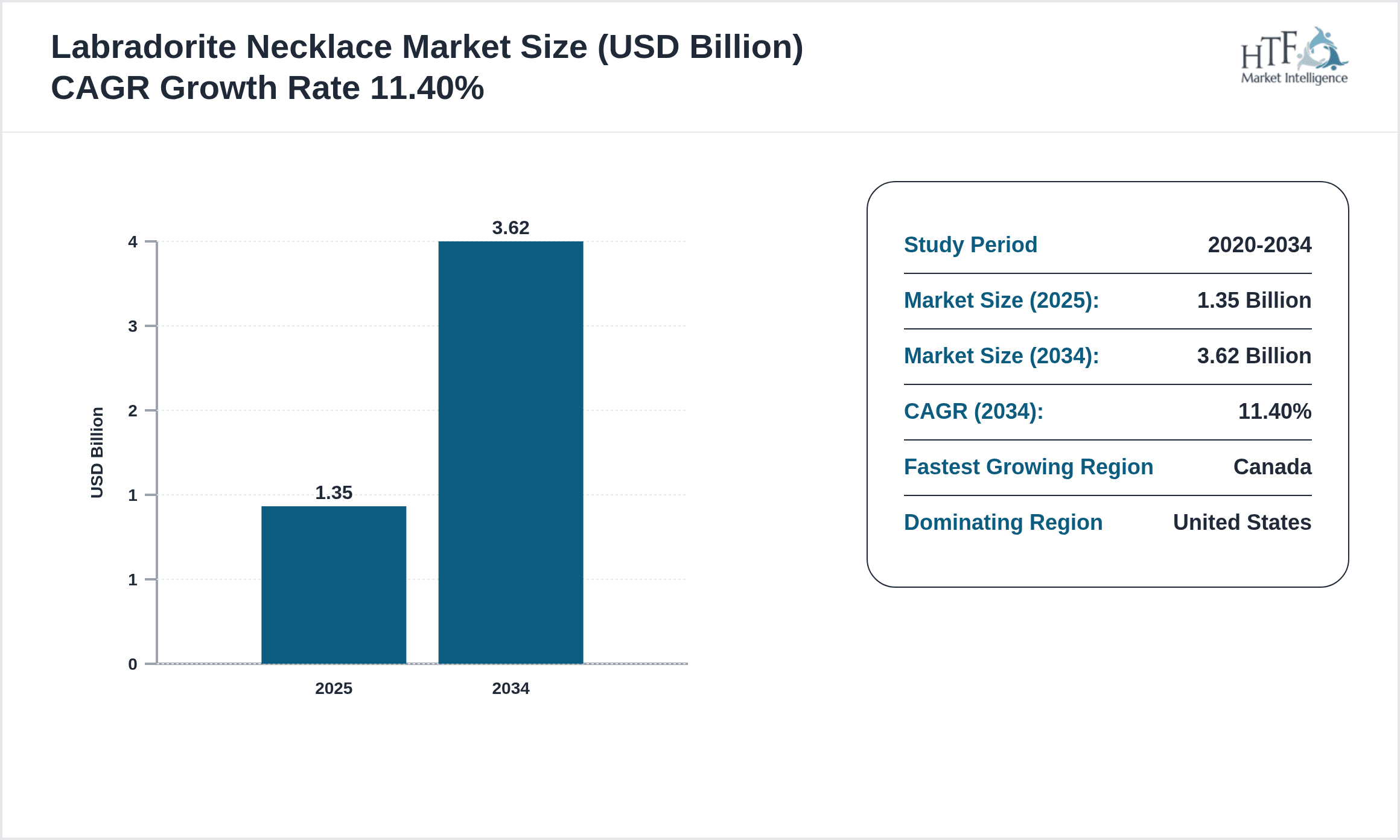
- •Significant market highlights include a base market size of USD 1.35 Billion in 2025 with a projected CAGR of 11.4% through 2034, culminating in an anticipated market value of USD 3.62 Billion. Pendant necklaces dominate the product type segment, accounting for the largest revenue share, while statement necklaces are identified as the fastest-growing segment due to evolving fashion trends favoring bold accessories. Among applications, fashion accessories maintain dominance, supported by robust demand in urban centers, with spiritual healing segments gaining traction. Geographically, the United States leads the market, holding the largest share due to its mature jewelry retail infrastructure and high consumer spending, while Canada emerges as the fastest-growing market owing to increasing consumer interest in artisanal and spiritual jewelry. The growth is further fueled by online retail proliferation and innovative product launches by key market players.
- •The North America Labradorite Necklace market presents compelling value propositions for jewelry manufacturers, retailers, and investors by combining aesthetic appeal with spiritual and wellness attributes. This dual appeal broadens consumer reach and enables differentiation in a competitive market. The strategic importance lies in leveraging evolving consumer preferences towards natural gemstones and sustainable sourcing, which align with broader trends in conscious consumerism. Moreover, the integration of digital marketing, social commerce, and augmented reality for virtual try-ons enhances customer engagement and sales conversion. Stakeholders benefit from tapping into diverse applications ranging from fashion to personalized gifting, enabling portfolio diversification. The market's growth dynamics and segmentation provide actionable insights to optimize product development, distribution strategies, and marketing campaigns tailored to regional consumer nuances and emerging trends.
Competitive Landscape
The North America Labradorite Necklace market is characterized by a highly competitive environment where both established jewelry brands and emerging artisanal designers vie for market share. Market players emphasize innovation in design and craftsmanship to differentiate their offerings, often incorporating unique cuts and settings that highlight labradorite's iridescence. Strategic collaborations and partnerships with influencers and spiritual wellness advocates are prevalent to enhance brand visibility and consumer trust. Competition also extends to pricing strategies, with premium handcrafted pieces positioned alongside more affordable mass-produced options catering to diverse consumer segments. Distribution channels range from upscale boutiques to fast-growing e-commerce platforms, intensifying rivalry in reach and customer acquisition. Technological adoption in manufacturing and marketing, including 3D printing and augmented reality, enables agility and customization. Barriers to entry are moderate, with niche players leveraging online marketplaces to penetrate the market. Future competitive trends indicate consolidation through mergers and acquisitions and a growing focus on sustainability and ethical sourcing to meet evolving consumer expectations.
Leading Companies in Labradorite Necklace Market
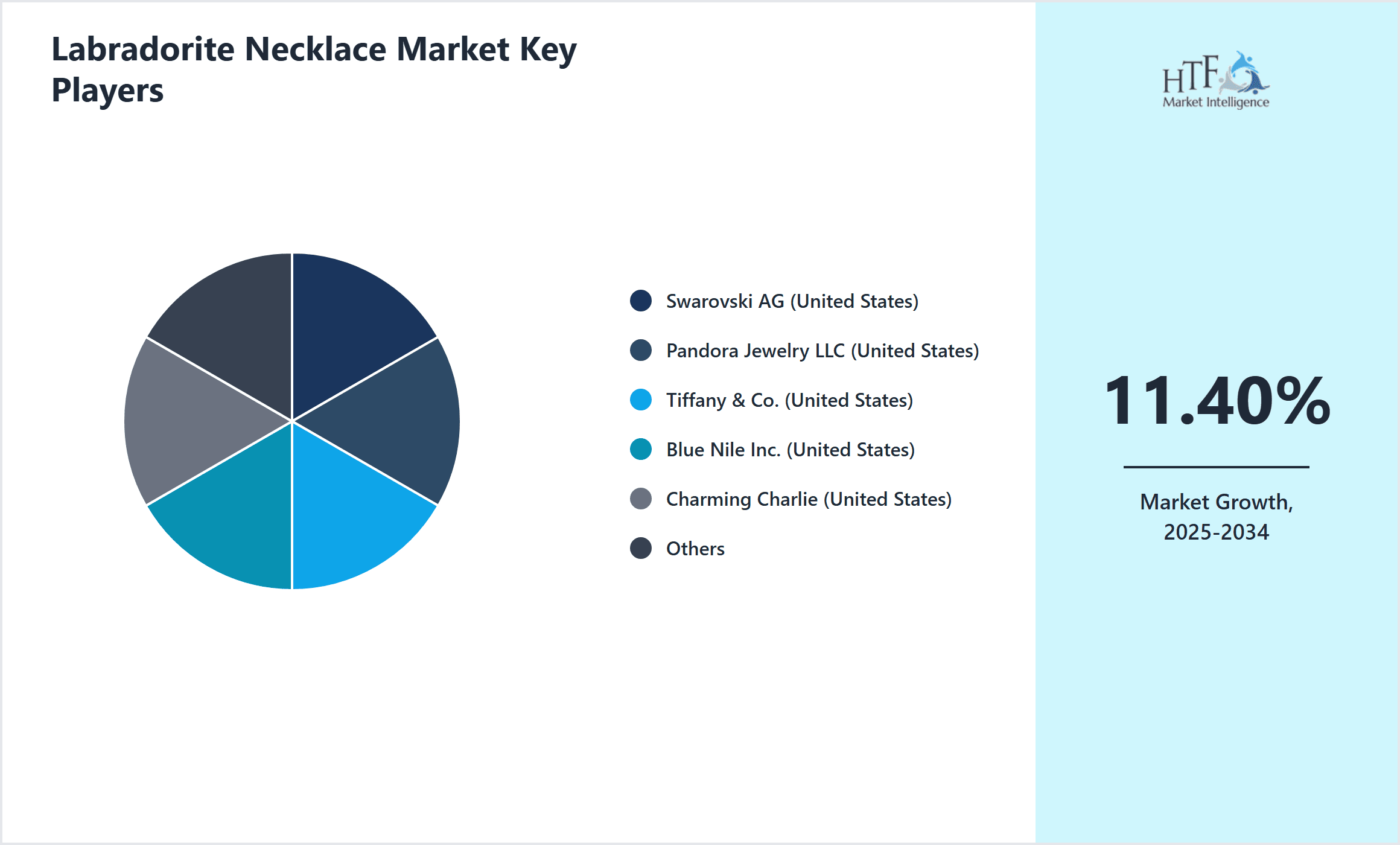
- •Swarovski AG (United States)
- •Pandora Jewelry LLC (United States)
- •Tiffany & Co. (United States)
- •Blue Nile Inc. (United States)
- •Charming Charlie (United States)
- •Michael Hill International Limited (Canada)
- •Birks Group Inc. (Canada)
- •Kendra Scott LLC (United States)
- •Alex and Ani (United States)
- •LeVian Corporation (United States)
- •David Yurman (United States)
- •Local Eclectic (United States)
- •Anna Beck (United States)
- •Mejuri (Canada)
- •Gorjana (United States)
- •NaH Jewelry (United States)
- •Catbird (United States)
- •Jade and Jasper (United States)
- •Made By Mary (Canada)
- •Satya Jewelry (United States)
- •Lisa Leonard Jewelry (United States)
- •Sence Copenhagen (United States)
- •Alexis Russell Jewelry (United States)
- •Mizuki (United States)
- •Monica Vinader (United States)
Market Breakdown
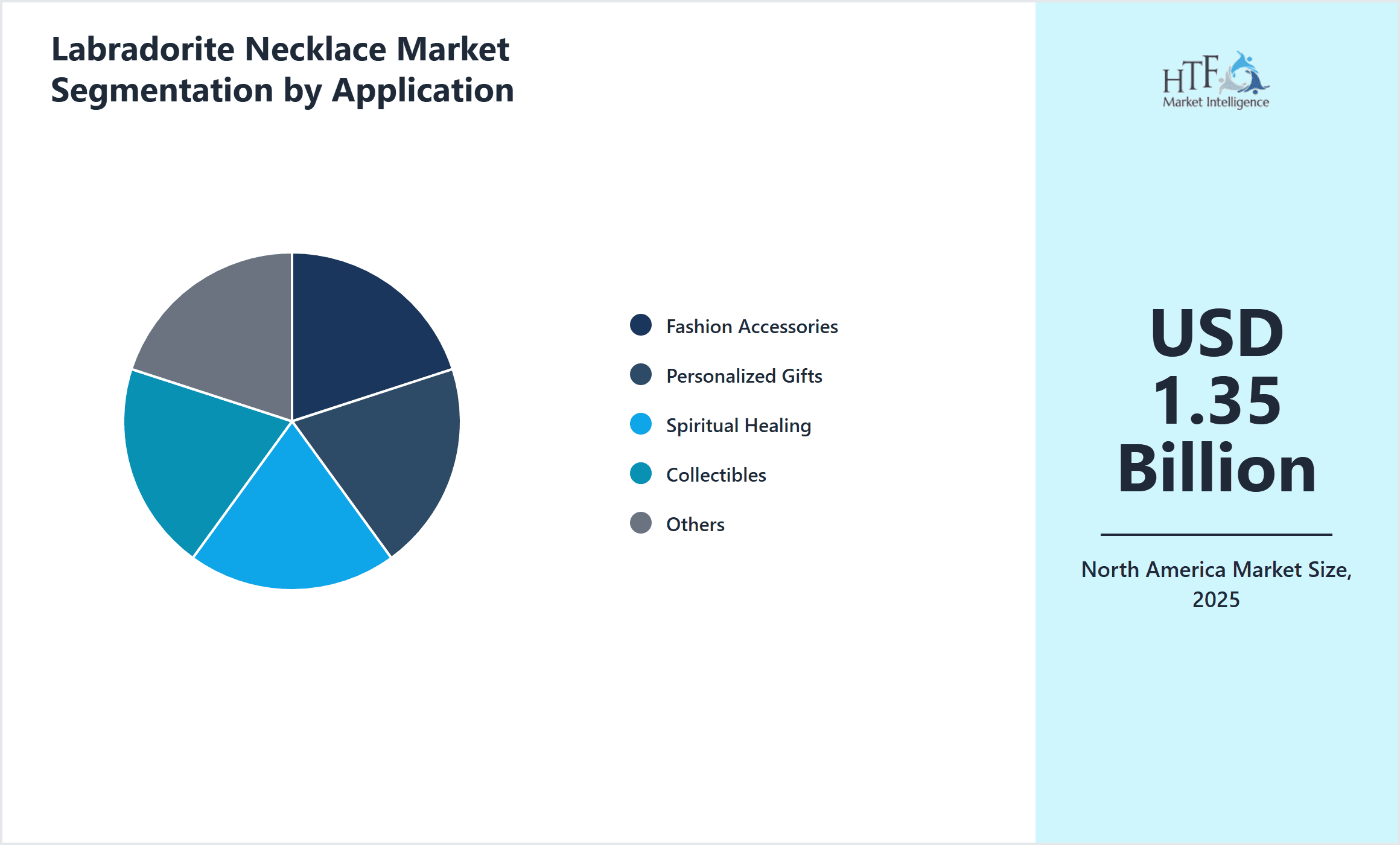
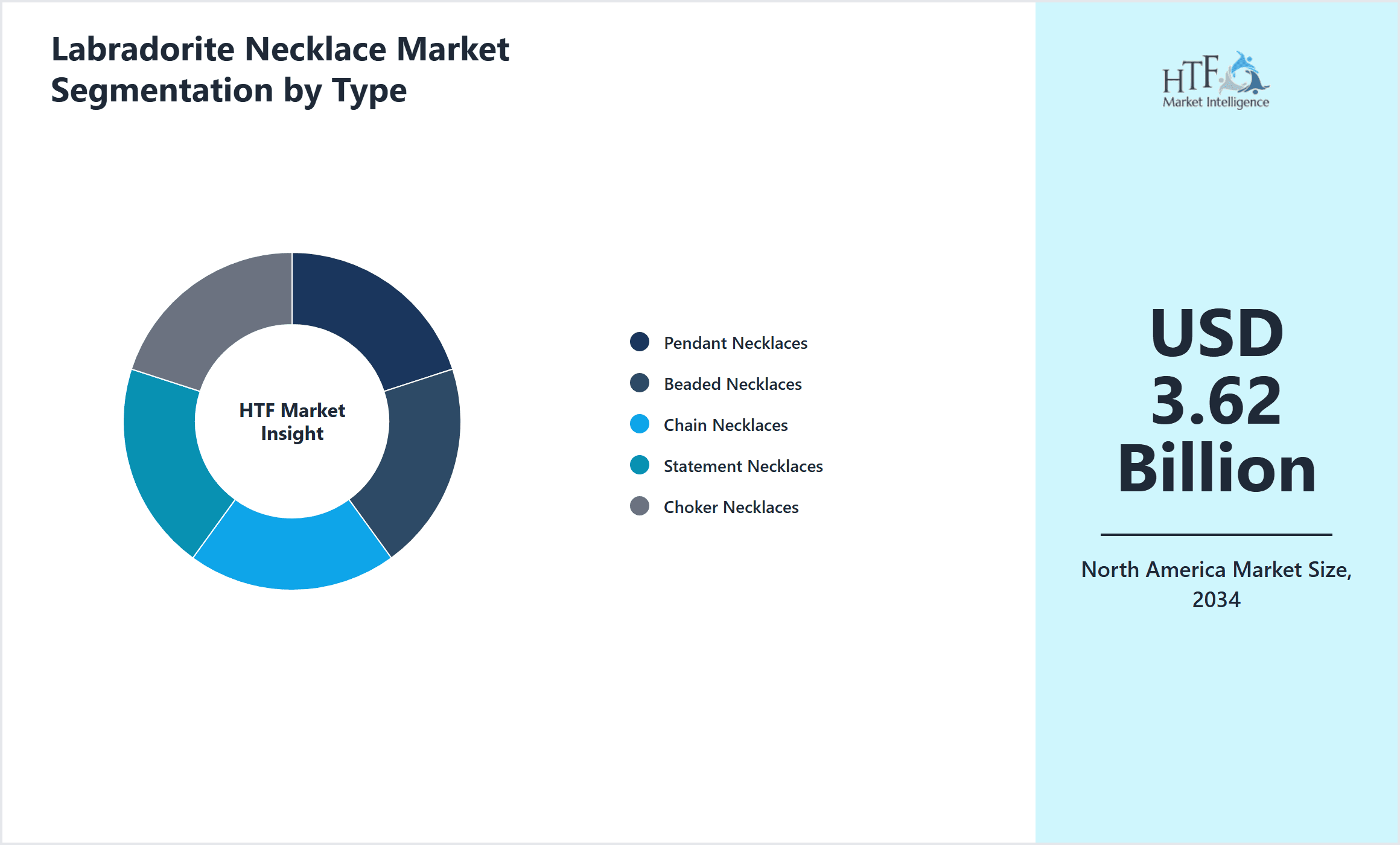
- •By Type
- ◦Pendant Necklaces
- ◦Beaded Necklaces
- ◦Chain Necklaces
- ◦Statement Necklaces
- ◦Choker Necklaces
- •By Application
- ◦Fashion Accessories
- ◦Personalized Gifts
- ◦Spiritual Healing
- ◦Collectibles
- ◦Others
- •By Distribution Channel
- ◦Specialty Jewelers
- ◦Online Retailers
- ◦Department Stores
- ◦Boutiques
- •By Material Source
- ◦Natural Labradorite
- ◦Synthetic Labradorite
- ◦Mixed Material
Growth Dynamics
- •Rising consumer interest in natural and unique gemstones fuels demand for labradorite necklaces, particularly among millennials and Gen Z who value authenticity and distinctiveness in jewelry. This demographic shift has led to increased market penetration through targeted social media marketing and influencer partnerships.
- •The increasing popularity of spiritual and wellness trends promotes labradorite's use in healing and metaphysical applications, expanding the market beyond traditional fashion jewelry and attracting customers seeking holistic benefits.
- •E-commerce growth accelerates market accessibility, allowing smaller artisanal brands and emerging designers to reach broader audiences across North America, thereby intensifying competition and innovation.
- •Technological advancements in jewelry manufacturing, including 3D printing and computer-aided design, streamline production processes and enable greater customization, appealing to consumer demand for personalized pieces.
- •Collaborations between jewelry brands and lifestyle or wellness influencers increase brand engagement and drive sales, leveraging authentic storytelling and experiential marketing to deepen customer loyalty.
Market Trends
- •The trend toward sustainable and ethically sourced gemstones gains momentum, with consumers increasingly scrutinizing supply chains and favoring brands that demonstrate environmental and social responsibility in labradorite necklace production.
- •Customization and personalization services have become mainstream, allowing consumers to select specific labradorite cuts, necklace styles, and engravings, thereby enhancing emotional connection and perceived value.
- •Digital innovations such as augmented reality try-on features on e-commerce platforms enhance the online shopping experience, reducing purchase hesitation and returns while increasing conversion rates for labradorite necklaces.
- •There is a rising consumer preference for statement and bold jewelry pieces, which is driving the growth of statement labradorite necklaces as fashion statements and conversation starters.
- •Cross-industry collaborations, including partnerships with wellness brands and spiritual retreats, are emerging, positioning labradorite necklaces as lifestyle accessories beyond traditional jewelry categories.
Market Opportunities
- •Expanding online retail channels offer immense growth opportunities for emerging designers to penetrate underserved markets and niche consumer segments interested in artisanal and spiritual labradorite jewelry.
- •Increasing demand for personalized gifting solutions enables brands to develop bespoke labradorite necklace collections tailored to occasions such as weddings, anniversaries, and corporate gifting.
- •Integration of labradorite necklaces into wellness and lifestyle sectors through collaborations with yoga studios, meditation centers, and holistic health practitioners presents untapped market potential.
- •Technological advancements in synthetic labradorite production could lower costs and expand product accessibility while maintaining aesthetic appeal, addressing price-sensitive segments.
- •Geographic expansion within North America, especially in emerging urban areas across Canada and Mexico, offers growth prospects driven by rising disposable incomes and growing fashion consciousness.
Market Challenges
- •Fluctuating availability and pricing of natural labradorite due to mining constraints and geopolitical factors create supply chain uncertainties affecting production costs and inventory management.
- •Competition from synthetic and alternative gemstone jewelry at lower price points poses a challenge to the market share of natural labradorite necklaces, necessitating differentiation strategies.
- •Ensuring consistent quality and authenticity of labradorite gemstones remains a challenge due to limited standardization and prevalence of counterfeit products in the market.
- •High marketing and customer acquisition costs in a fragmented and crowded jewelry market constrain smaller players’ ability to scale and sustain competitiveness.
- •Navigating complex regulatory and compliance requirements related to gemstone sourcing, import-export, and consumer safety standards demands significant resource investment.
Regulatory Framework
- •Between 2020 and 2025, North America has seen the implementation of stricter gemstone sourcing and traceability regulations, including enhanced requirements under the Kimberley Process and domestic laws aimed at preventing conflict minerals entering the jewelry supply chain. These regulations mandate detailed documentation and certification for labradorite sourcing to ensure ethical practices.
- •Consumer product safety standards have been updated to include rigorous testing for heavy metals and allergenic substances in jewelry materials, impacting labradorite necklace manufacturers and importers by enforcing compliance with ASTM and CPSIA standards.
- •Environmental protection laws at federal and state levels require jewelry producers to adopt sustainable mining practices and waste management protocols, influencing labradorite extraction and processing activities.
- •Trade policies enacted in the early 2020s have affected tariff structures and import duties on raw labradorite and finished jewelry products, leading to adjustments in pricing strategies and supply chain logistics.
- •Government initiatives promoting local craftsmanship and small business support have provided incentives to North American artisanal jewelers, fostering innovation and market entry particularly in the labradorite necklace segment.
Market Intelligence
- •15th February 2025, Swarovski AG launched an exclusive collection of labradorite pendant necklaces featuring advanced laser-cutting techniques that enhance the gemstone's natural iridescence. Targeted at fashion-forward millennials, the collection integrates sustainable sourcing and comes with digital authenticity certificates, aiming to strengthen Swarovski's position in the North American premium jewelry segment. This initiative aligns with growing consumer demand for ethically produced and technologically enhanced jewelry, enhancing brand value and market share.
- •10th June 2025, Pandora Jewelry LLC introduced a personalized labradorite beaded necklace line enabling customers to customize gemstone size, pendant style, and engraving options via its online platform. This launch leverages augmented reality try-on technology to enrich user experience and boost e-commerce sales. The strategy supports Pandora's digital transformation and capitalizes on increasing consumer preference for personalized and interactive shopping experiences within the North American market.
- •23rd September 2024, Michael Hill International Limited announced a strategic partnership with local Canadian artisans to develop a limited-edition series of handcrafted labradorite chokers and statement necklaces. The collaboration highlights indigenous craftsmanship and emphasizes sustainable materials, appealing to consumers seeking authentic and ethically crafted products. This move is expected to enhance Michael Hill's brand differentiation and expand its footprint in the luxury niche market segment.
- •5th November 2024, Blue Nile Inc. completed the acquisition of a boutique jewelry brand specializing in spiritual and healing gemstone necklaces, including labradorite. This acquisition aims to diversify Blue Nile's product portfolio and tap into the growing wellness jewelry market. The integration is projected to accelerate innovation and expand distribution channels across North America, reinforcing Blue Nile's leadership in online jewelry retail.
Regional Outlook
The United States currently holds a significant share of the market, primarily due to several key factors: increasing consumption rates, a burgeoning population, and robust economic momentum. These elements collectively drive demand, positioning this region as a leader in the market. On the other hand, Canada is rapidly emerging as the fastest-growing area within the industry. This remarkable growth can be attributed to swift infrastructure development, the expansion of various industrial sectors, and a marked increase in consumer demand. These dynamics make this region a crucial player in shaping future market growth.
In our report, we cover a comprehensive analysis of the following regions and countries:
- United States
- Canada
- Mexico
| Feature | Details |
|---|---|
| Base Year Market Size | USD 1.35 Billion |
| Forecast Year Market Size | USD 3.62 Billion |
| CAGR | 11.4% |
| Forecast Period | 2026 to 2033 |
| YoY Growth | 11% |
| Scope of Report | Market is segmented by Type (Pendant Necklaces, Beaded Necklaces, Chain Necklaces, Statement Necklaces, Choker Necklaces), Application (Fashion Accessories, Personalized Gifts, Spiritual Healing, Collectibles, Others), Distribution Channel (Specialty Jewelers, Online Retailers, Department Stores, Boutiques), Material Source (Natural Labradorite, Synthetic Labradorite, Mixed Material) |
| Regions Covered | United States, Canada, Mexico |
| Key Companies | Swarovski AG (United States), Pandora Jewelry LLC (United States), Tiffany & Co. (United States), Blue Nile Inc. (United States), Charming Charlie (United States) |
North America Labradorite Necklace Market - Outlook 2025-2034 - Table of Contents
Frequently Asked Questions (FAQ):
The Compact Track Loaders market is projected to grow at a CAGR of 6.8% from 2025 to 2030, driven by increasing demand in construction and agricultural sectors.
North America currently leads the market with approximately 45% market share, followed by Europe at 28% and Asia-Pacific at 22%. The remaining regions account for 5% of the global market.
Key growth drivers include increasing construction activities, rising demand for versatile equipment in agriculture, technological advancements in track loader design, and growing preference for compact equipment in urban construction projects.