
Global Whole Milk Powder Market Scope & Changing Dynamics 2024-2034
Global Whole Milk Powder Market is segmented by Application (Infant Formula, Bakery & Confectionery, Dairy Products, Animal Feed, Foodservice), Type (Instant, Spray-dried, Roller-dried, Agglomerated, Others), and Geography (North America, LATAM, West Europe, Central & Eastern Europe, Northern Europe, Southern Europe, East Asia, Southeast Asia, South Asia, Central Asia, Oceania, MEA)
Pricing
Report Overview
Executive Summary
- •The Global Whole Milk Powder (WMP) Market is a dynamic sector focused on dehydrated milk products produced through advanced drying technologies such as spray-drying, roller-drying, and agglomeration. This market supports a wide range of applications including infant nutrition, bakery and confectionery, processed dairy products, animal feed, and foodservice industries. Its scope encompasses sourcing of raw milk, processing methods, product formulation, packaging, and distribution, reflecting global demand driven by population growth, urbanization, and changing dietary preferences. The market benefits from the extended shelf life and easy transportation of WMP compared to liquid milk, facilitating international trade and supply chain optimization. Technological innovations in drying techniques and quality control have enhanced product stability and nutritional retention, fostering increased adoption in food manufacturing and retail sectors. Regulatory standards and certifications around food safety and quality are critical in shaping market access and consumer confidence. Overall, the WMP market is poised for robust growth fueled by rising demand for convenient dairy ingredients across emerging and developed economies.
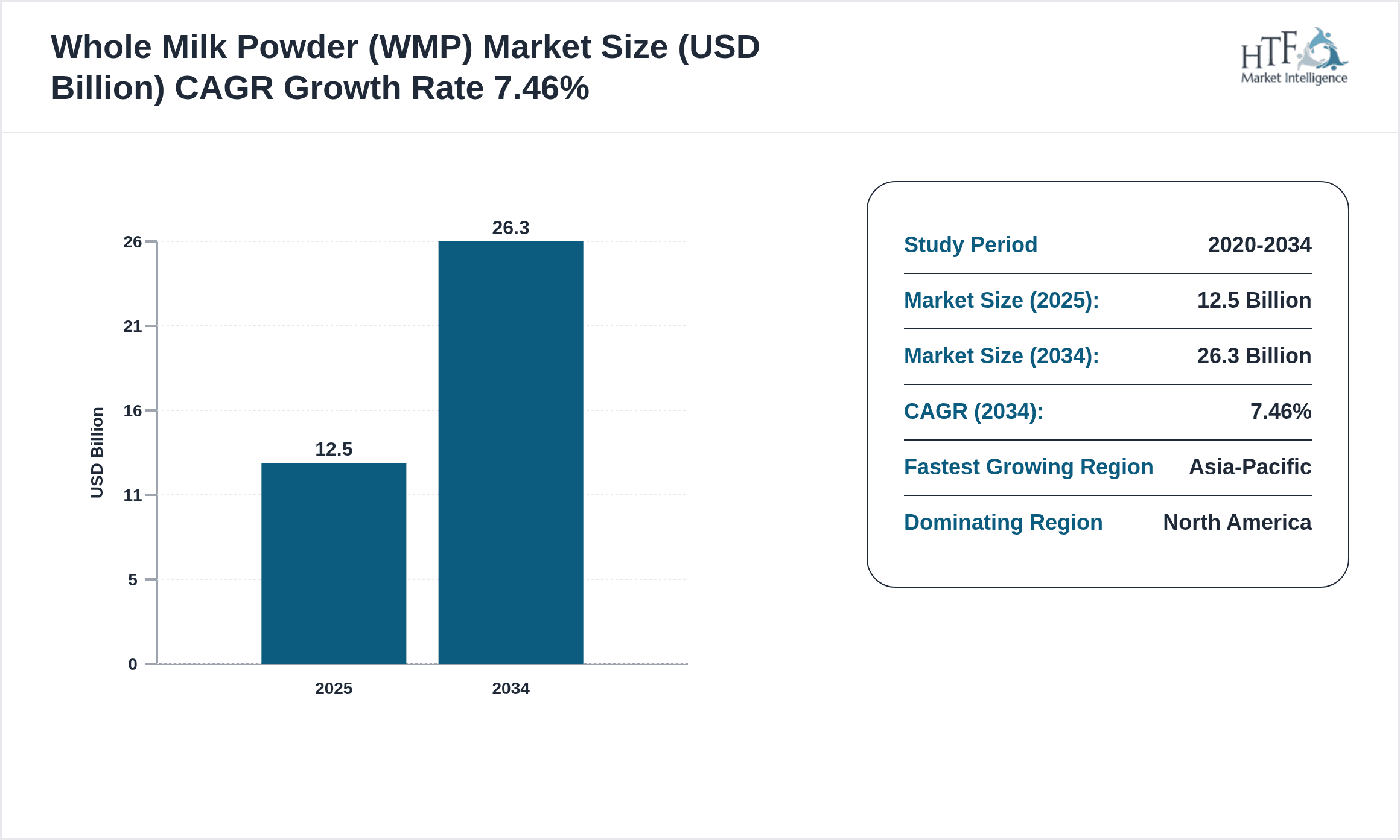
- •Key highlights include a base market size of USD 12.5 Billion in 2024, with projections reaching USD 26.3 Billion by 2034, reflecting a CAGR of approximately 7.46%. The Instant Whole Milk Powder type dominates the product segment, while Agglomerated WMP is identified as the fastest growing due to its superior solubility and processing advantages. Infant formula remains the leading application, driven by rising awareness of infant nutrition and fortification. North America holds the dominant regional market share owing to advanced dairy processing infrastructure and high consumer demand, whereas Asia-Pacific exhibits the fastest growth fueled by rising population and increasing dairy consumption. The market exhibits healthy year-over-year expansion, supported by technological advancements and expanding industrial usage.
- •The Whole Milk Powder market holds strategic importance across food manufacturing, infant nutrition, and animal feed industries, offering a stable, shelf-stable alternative to fresh milk. Its value proposition includes enhanced convenience, cost-efficiency in logistics, nutrient retention, and versatility in product formulations. Stakeholders ranging from dairy producers to food processors and retail chains benefit from the scalable production and diverse end-use applications. The market's evolution is also influenced by changing consumer trends towards protein-rich and fortified foods, regulatory emphasis on food safety, and sustainability initiatives in dairy farming and processing. This positions Whole Milk Powder as a critical ingredient in global food security and nutritional well-being strategies.
Competitive Landscape
The competitive environment within the Global Whole Milk Powder Market is characterized by the presence of well-established multinational dairy companies alongside regional producers, all striving to secure market share through innovation, strategic partnerships, and geographic expansion. Market leaders prioritize investment in advanced drying technologies and product quality enhancement to differentiate their offerings. Competition also revolves around supply chain optimization, cost control, and adherence to stringent quality and safety standards. Companies actively engage in strategic alliances, joint ventures, and acquisitions to broaden their product portfolios and strengthen distribution networks. Brand reputation and certification compliance serve as critical competitive advantages, especially in infant nutrition segments. The rivalry fosters continuous product innovation, including development of value-added formulations and organic or specialty milk powders. Furthermore, emerging market entrants leverage regional expertise and cost-effective production to compete effectively. Overall, the competitive landscape is dynamic, shaped by evolving consumer preferences, regulatory frameworks, and global trade flows, driving companies to adopt agile strategies focused on sustainability, product differentiation, and market penetration.
Companies Shaping the Whole Milk Powder Market
- •Nestlé S.A. (Switzerland)
- •Fonterra Co-operative Group Limited (New Zealand)
- •Arla Foods amba (Denmark)
- •Saputo Inc. (Canada)
- •Lactalis Group (France)
- •Danone S.A. (France)
- •FrieslandCampina (Netherlands)
- •Dairy Farmers of America (USA)
- •Yili Group (China)
- •Meiji Holdings Co., Ltd. (Japan)
- •Amul (India)
- •Woolworths Group (Australia)
- •Dean Foods Company (USA)
- •Kerry Group plc (Ireland)
- •Murray Goulburn Co-operative Co. Limited (Australia)
- •China Mengniu Dairy Company Limited (China)
- •Bongrain S.A. (France)
- •Parmalat S.p.A. (Italy)
- •Tatua Co-operative Dairy Company Limited (New Zealand)
- •Glanbia plc (Ireland)
- •Archer Daniels Midland Company (USA)
- •Agropur Cooperative (Canada)
- •Valio Ltd. (Finland)
- •Bega Cheese Limited (Australia)
- •Saputo Dairy Australia (Australia)
Global Whole Milk Powder Market Segmentation
- •By Product Type
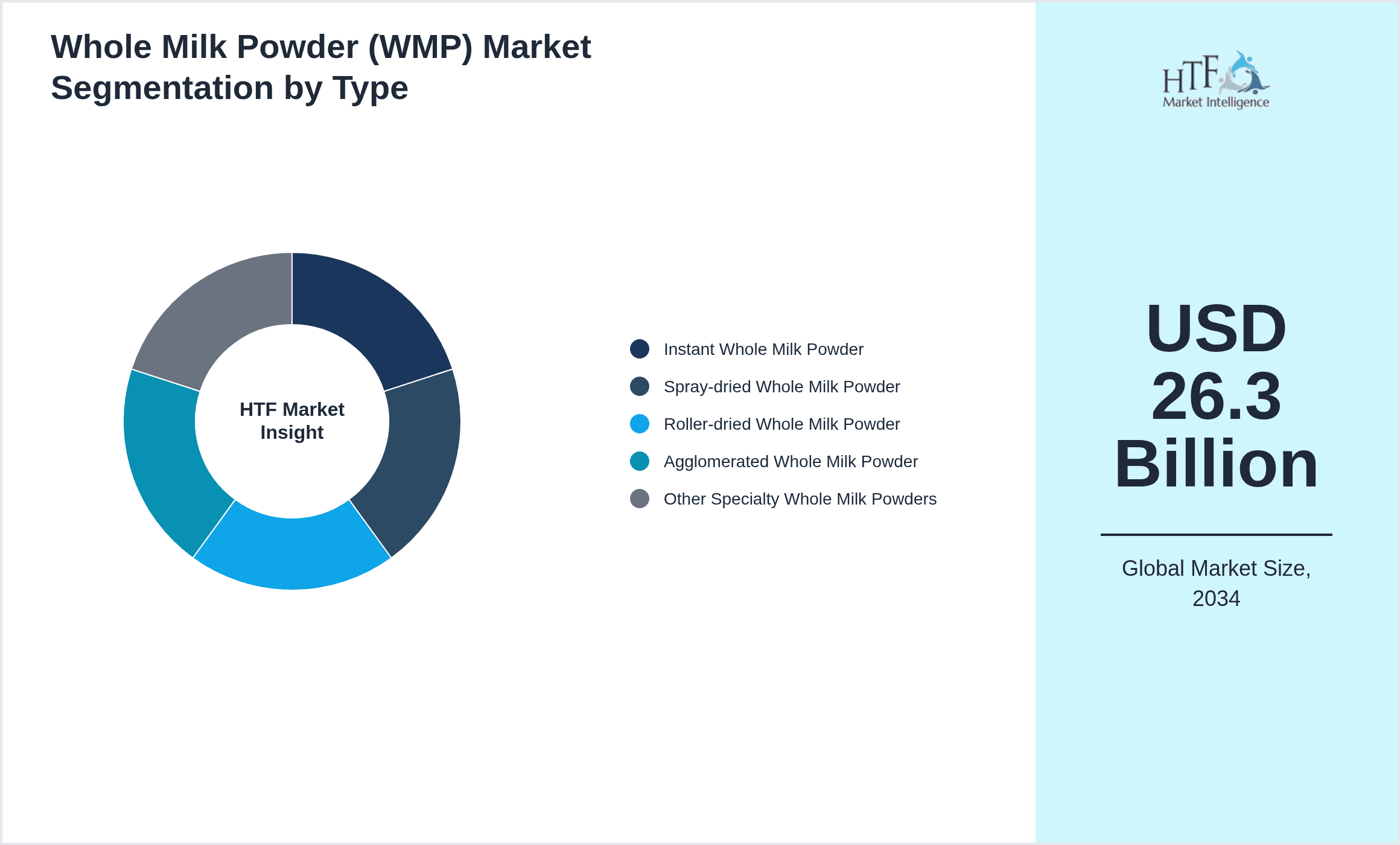
- ◦Instant Whole Milk Powder
- ◦Spray-dried Whole Milk Powder
- ◦Roller-dried Whole Milk Powder
- ◦Agglomerated Whole Milk Powder
- ◦Other Specialty Whole Milk Powders
- •By Application
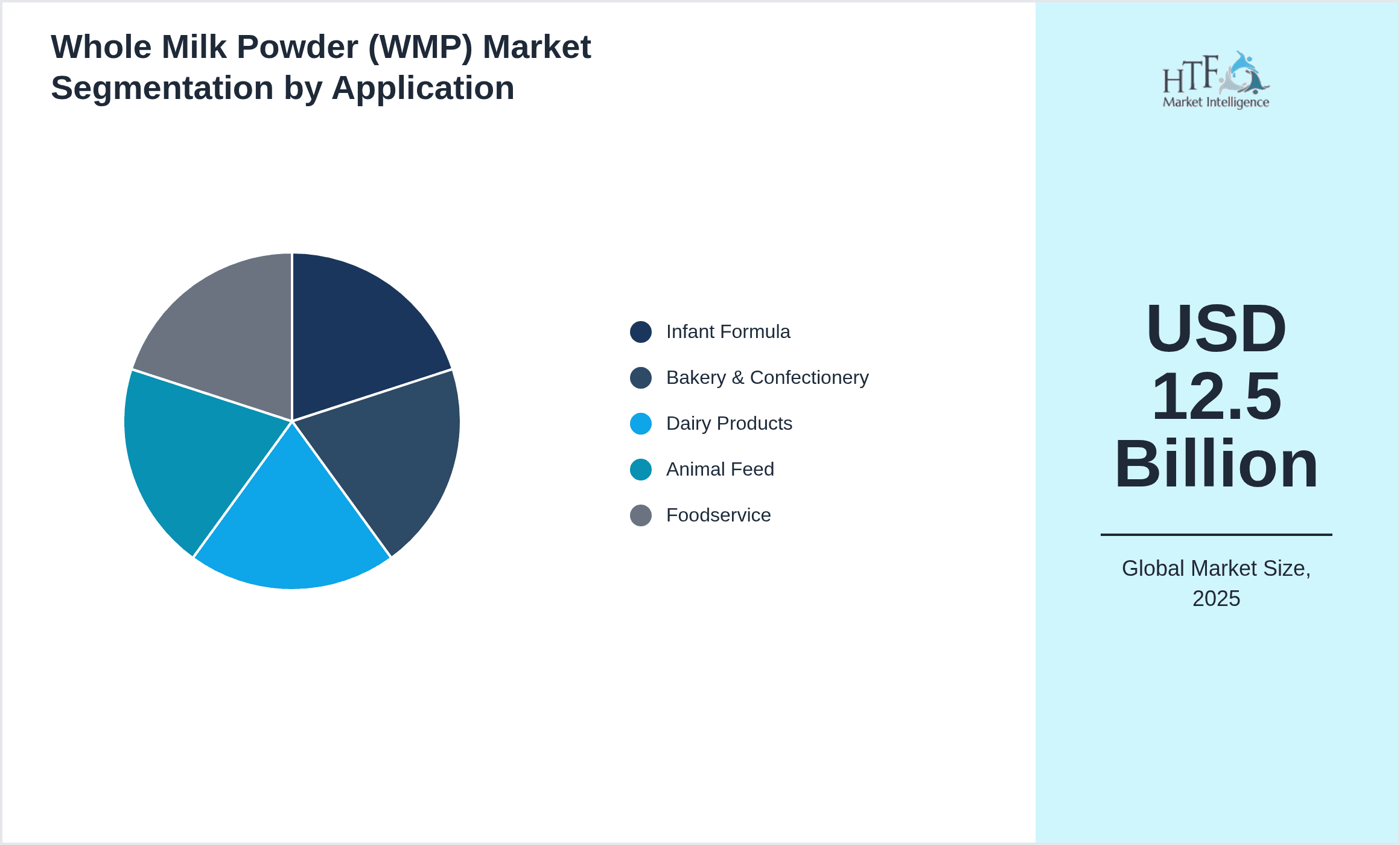
- ◦Infant Formula
- ◦Bakery & Confectionery
- ◦Dairy Products
- ◦Animal Feed
- ◦Foodservice
- •By Distribution Channel
- ◦Supermarkets & Hypermarkets
- ◦Online Retail
- ◦Specialty Stores
- ◦Foodservice Distributors
- •By Packaging Type
- ◦Bulk Packaging
- ◦Consumer Pack
- ◦Industrial Packaging
Growth Dynamics
The global Whole Milk Powder market is driven by rising dairy consumption worldwide, especially in emerging economies where urbanization and income growth are increasing demand. Infant nutrition products requiring high-quality milk powders fuel market expansion, supported by technological advances enhancing powder solubility and nutrition retention. Growing preference for convenience foods and extended shelf life in dairy ingredients further propels demand. Additionally, expanding applications in bakery, confectionery, and animal feed sectors provide diversified consumption avenues. Strategic investments by leading dairy producers in processing technology and global supply chains strengthen market growth prospects, making Whole Milk Powder an essential ingredient in modern food manufacturing.
Market Trends
The Whole Milk Powder market is witnessing increasing adoption of organic and specialty milk powders catering to health-conscious consumers. Innovations in drying technologies, such as agglomeration, improve product reconstitution and application versatility. There is a growing trend toward sustainable dairy farming and transparent supply chains, enhancing product traceability. Additionally, digitalization in procurement and distribution is optimizing logistics and inventory management. Collaborative initiatives between dairy producers and food manufacturers to develop fortified and functional milk powders are becoming prominent, aligning with evolving consumer preferences for enhanced nutrition.
Market Opportunities
Expanding markets in Asia-Pacific and Latin America offer significant growth opportunities due to increasing dairy consumption and infant formula demand. Technological advancements in drying and packaging present prospects for product innovation and differentiation. The rising trend of plant-based dairy alternatives opens avenues for hybrid formulations incorporating whole milk powder. Additionally, growth in online retail channels enables access to wider consumer bases. Collaboration with foodservice providers and development of customized milk powders for specific applications represent further market expansion potentials.
Market Challenges
The Whole Milk Powder market faces challenges including price volatility of raw milk influenced by climatic and geopolitical factors. High energy consumption in drying processes increases operational costs. Regulatory compliance across diverse international markets requires significant investment in quality assurance and certification. Competition from alternative dairy and non-dairy ingredients intensifies market pressure. Additionally, supply chain disruptions caused by global events present risks to consistent product availability. Addressing sustainability concerns in dairy farming and processing is imperative to maintain consumer trust and regulatory approval.
Regulatory Framework
Between 2019 and 2024, regulatory bodies globally have enhanced food safety standards for Whole Milk Powder production, emphasizing microbial safety, packaging integrity, and labeling accuracy. The Codex Alimentarius Commission's guidelines on milk powder quality and hygiene have been widely adopted, influencing national regulations. In regions such as Europe and North America, stricter enforcement of allergen labeling and nutritional content disclosure has increased compliance requirements. Additionally, import-export regulations have tightened, with detailed traceability and certification mandates impacting cross-border trade. Government initiatives promoting sustainable dairy practices also shape regulatory landscapes, encouraging environmentally responsible production methods. These frameworks collectively ensure consumer safety, product quality, and fair trade practices within the Whole Milk Powder market.
Market Intelligence
- •15th February 2025, Nestlé S.A. launched a new organic instant whole milk powder product aimed at health-conscious consumers seeking clean-label dairy ingredients. The product features enhanced solubility and nutritional retention optimized for infant formula and bakery applications. This launch aligns with Nestlé's strategic focus on sustainable sourcing and innovation in dairy nutrition, expected to strengthen its market position globally. Source: Official Nestlé Press Release.
- •10th August 2024, Fonterra Co-operative Group Limited introduced advanced spray-drying technology at its New Zealand facilities, increasing production efficiency and reducing energy consumption by 15%. This innovation supports the company's sustainability goals while enhancing product quality and shelf life, anticipated to boost export capacity to Asia-Pacific and European markets. Source: Fonterra Corporate Announcements.
- •22nd May 2025, Arla Foods amba announced a strategic partnership with a leading infant formula manufacturer to co-develop fortified whole milk powder variants enriched with probiotics. This collaboration aims at tapping growing health trends and infant nutrition demands across Europe and North America, leveraging Arla's technological expertise. Source: Arla Foods Newsroom.
- •5th November 2024, Saputo Inc. completed acquisition of a regional dairy powder producer in Latin America, expanding its product portfolio and regional footprint. This move enhances Saputo’s supply chain capabilities and responsiveness to local demand for whole milk powder in emerging markets, aligning with its global expansion strategy. Source: Saputo Corporate Communications.
Regional Outlook
The North America currently holds a significant share of the market, primarily due to several key factors: increasing consumption rates, a burgeoning population, and robust economic momentum. These elements collectively drive demand, positioning this region as a leader in the market. On the other hand, Asia-Pacific is rapidly emerging as the fastest-growing area within the industry. This remarkable growth can be attributed to swift infrastructure development, the expansion of various industrial sectors, and a marked increase in consumer demand. These dynamics make this region a crucial player in shaping future market growth.
In our report, we cover a comprehensive analysis of the following regions and countries:
- North America
- LATAM
- West Europe
- Central & Eastern Europe
- Northern Europe
- Southern Europe
- East Asia
- Southeast Asia
- South Asia
- Central Asia
- Oceania
- MEA
| Feature | Details |
|---|---|
| Base Year Market Size | USD 12.5 Billion |
| Forecast Year Market Size | USD 26.3 Billion |
| CAGR | 7.46% |
| Forecast Period | 2026 to 2033 |
| YoY Growth | 7.46% |
| Regions Covered | North America, LATAM, West Europe, Central & Eastern Europe, Northern Europe, Southern Europe, East Asia, Southeast Asia, South Asia, Central Asia, Oceania, MEA |
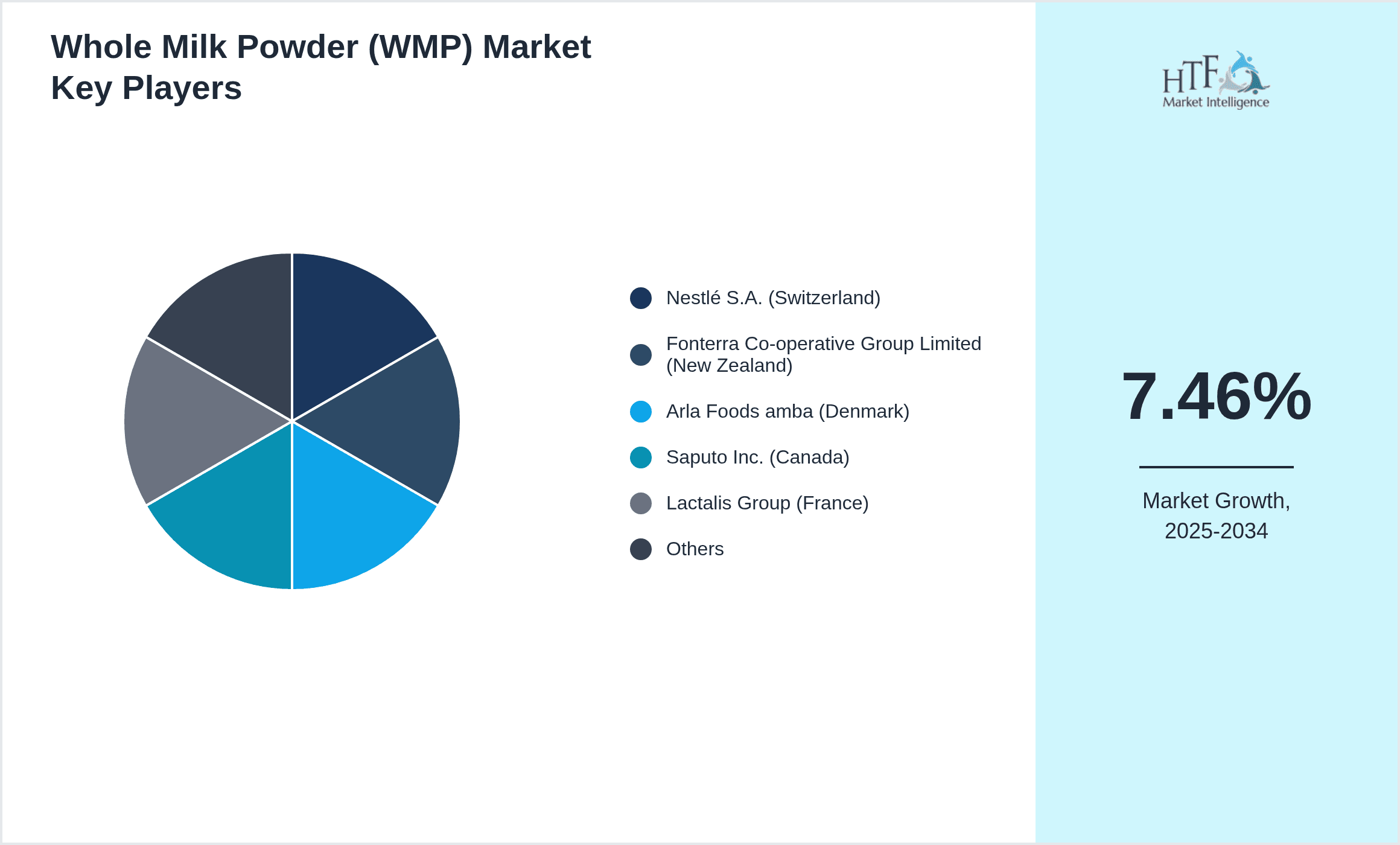
| Key Companies | Nestlé S.A. (Switzerland), Fonterra Co-operative Group Limited (New Zealand), Arla Foods amba (Denmark), Saputo Inc. (Canada), Lactalis Group (France) |
Global Whole Milk Powder Market Scope & Changing Dynamics 2024-2034 - Table of Contents
Frequently Asked Questions (FAQ):
The Compact Track Loaders market is projected to grow at a CAGR of 6.8% from 2025 to 2030, driven by increasing demand in construction and agricultural sectors.
North America currently leads the market with approximately 45% market share, followed by Europe at 28% and Asia-Pacific at 22%. The remaining regions account for 5% of the global market.
Key growth drivers include increasing construction activities, rising demand for versatile equipment in agriculture, technological advancements in track loader design, and growing preference for compact equipment in urban construction projects.