
North America Kids Winter Clothes Market Roadmap to 2034
North America Kids Winter Clothes Market is segmented by Product Type (Jackets & Coats, Sweaters & Hoodies, Thermal Wear, Accessories (Hats, Gloves, Scarves), Footwear (Boots, Insulated Shoes)), Application (Casual Wear, Outdoor Wear, School Wear, Sportswear, Sleepwear), Distribution Channel (Online Retail, Specialty Stores, Department Stores, Mass Merchandisers), Fabric Technology (Insulated Synthetic Fabrics, Natural Wool and Cotton, Waterproof and Windproof Textiles), and Geography (United States, Canada, Mexico)
Pricing
Report Overview
Executive Summary
- •The North America Kids Winter Clothes market comprises a wide array of apparel designed to protect children from harsh winter conditions while meeting style and comfort demands. It includes essential product categories such as jackets, thermal wear, sweaters, footwear, and accessories tailored for various applications including casual, outdoor, school, sportswear, and sleepwear. The market's value chain starts with raw material procurement focusing on insulated and sustainable fabrics, followed by design, production, and distribution through both brick-and-mortar and e-commerce platforms. This sector caters to a broad demographic of children from infancy through adolescence, driven by seasonal demand and influenced by fashion trends, parental purchasing behavior, and increased awareness of quality and safety. The market also reflects growing consumer interest in eco-friendly and ethically produced garments. Industry participants continuously innovate to balance functionality with aesthetics, meeting regulatory standards for children's clothing safety. Key stakeholders include manufacturers, brand owners, retailers, and suppliers collaborating to address evolving consumer expectations and technological advancements. The North American market is characterized by steady growth propelled by rising disposable incomes, changing lifestyle patterns, and climate variability that necessitates durable and adaptive winter clothing for children. This comprehensive analysis covers market size, growth prospects, segmentation by product type and application, competitive landscape, regulatory framework, and future opportunities, providing stakeholders with actionable insights for strategic decision-making through 2034.
- •Between 2020 and 2025, the North America Kids Winter Clothes market grew steadily to reach a base market size of USD 4.8 billion, supported by increased consumer spending and expansion of e-commerce channels. Forecasts project the market will expand to USD 8.9 billion by 2034, registering a CAGR of 7.1%, driven by innovations in thermal fabrics and growing demand for sustainable apparel. The United States dominates the regional market share, with Canada identified as the fastest-growing country due to rising awareness and adoption of premium kids' winter wear. Key growth indicators include year-on-year growth averaging 6.9%, reflecting robust seasonal demand and expanding product lines targeting diverse age groups and applications. Market drivers include technological advancements in insulation materials and growing parental preference for multifunctional and stylish winter garments. Challenges involve supply chain disruptions and fluctuating raw material costs, while opportunities arise from digital retail expansion and increasing demand for eco-conscious products.
- •The market offers significant value propositions to manufacturers, retailers, and consumers by addressing essential needs for warmth, safety, and style in children's winter apparel. Strategic importance lies in leveraging technological fabric innovations, sustainable sourcing, and omnichannel retail strategies to capture consumer loyalty. Stakeholders benefit from evolving consumer trends favoring customization, enhanced durability, and performance wear suitable for active lifestyles. The market's seasonal nature requires agile supply chain management and innovative marketing to optimize inventory turnover and meet fast-changing fashion demands. These aspects collectively drive competitive advantage and long-term growth potential in the North America Kids Winter Clothes segment.

Competitive Landscape
The North America Kids Winter Clothes market is characterized by a competitive environment where established apparel brands and specialty children’s wear manufacturers vie for market share through product innovation, branding, and channel expansion. Market participants employ diverse competitive strategies including development of advanced thermal textiles, sustainable and organic fabric offerings, and collaborations with well-known children’s characters or franchises to enhance appeal. Pricing strategies balance affordability with premium segments targeting affluent consumers seeking high-performance winter wear. Distribution channels have evolved with increased focus on e-commerce platforms, enabling direct-to-consumer models that reduce dependency on traditional retail. Strategic partnerships and supply chain integration improve operational efficiency and responsiveness to seasonal demand spikes. Mergers and acquisitions, though limited recently, remain a potential avenue for consolidation and geographic expansion. Regional competition within North America sees the United States as a hub for innovation and volume sales, while Canada and Mexico offer growth opportunities through emerging retail networks and increasing consumer awareness. Market entry barriers include compliance with stringent safety and environmental regulations specific to children’s apparel. Future competitive trends suggest increased emphasis on digital marketing, personalized clothing options, and adoption of smart textiles for enhanced functionality, positioning companies to capture evolving consumer preferences and sustain growth in a dynamic market landscape.
Leading Companies in Kids Winter Clothes Market
- •The Children's Place Inc. (United States)
- •Carter's, Inc. (United States)
- •Columbia Sportswear Company (United States)
- •L.L.Bean, Inc. (United States)
- •The North Face (United States)
- •Gap Inc. (United States)
- •Walmart Inc. (United States)
- •H&M Hennes & Mauritz AB (Sweden)
- •Uniqlo Co., Ltd. (Japan)
- •Old Navy (United States)
- •Patagonia, Inc. (United States)
- •Zara (Spain)
- •MEC (Canada)
- •Roots Canada Ltd. (Canada)
- •Mountain Equipment Co-op (Canada)
- •Joe Fresh (Canada)
- •Target Corporation (United States)
- •Nike, Inc. (United States)
- •Under Armour, Inc. (United States)
- •Decathlon S.A. (France)
- •Gymboree Corporation (United States)
- •Baby Gap (United States)
- •REI Co-op (United States)
- •Marmot Mountain LLC (United States)
- •Eddie Bauer LLC (United States)
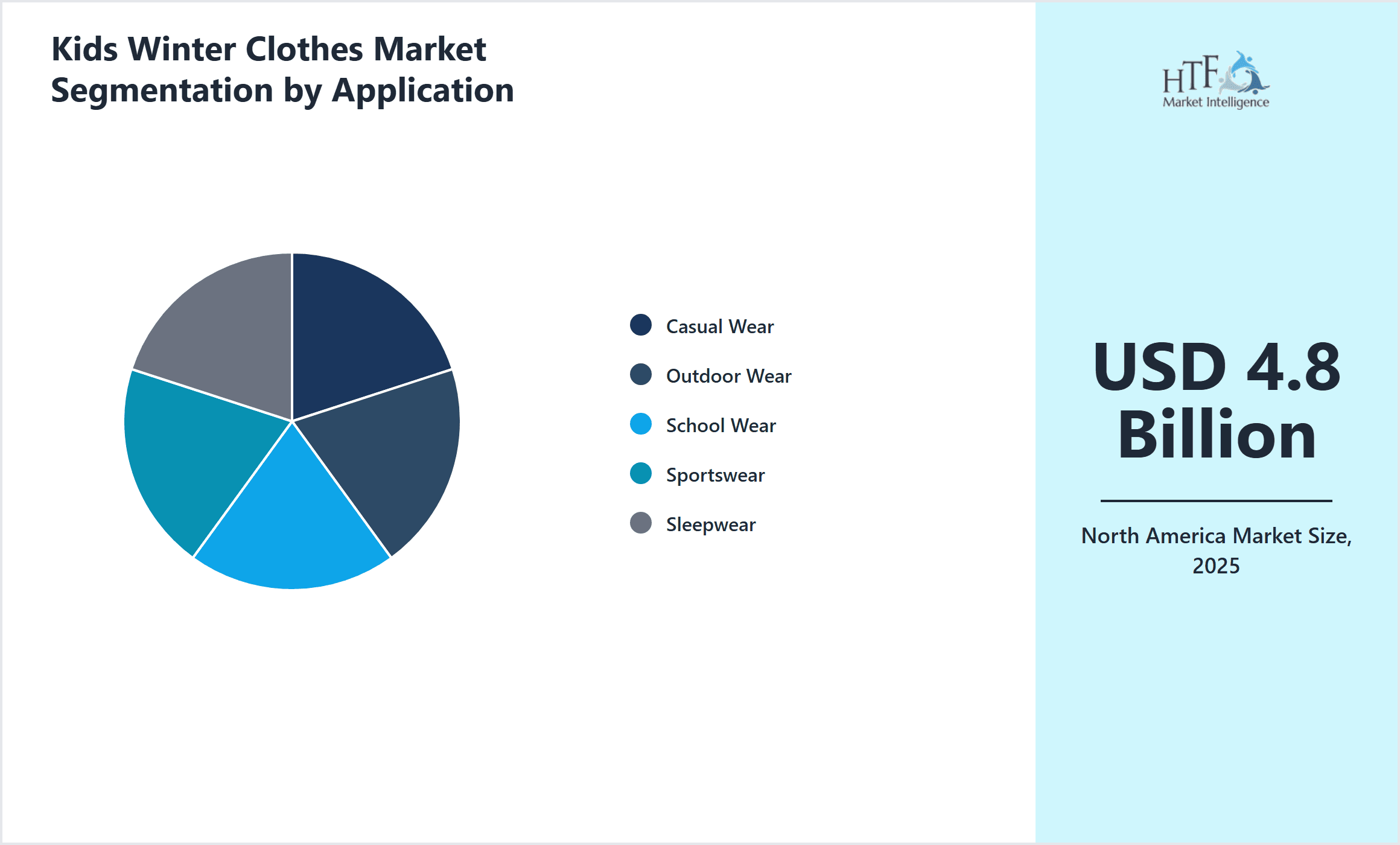
Market Breakdown
- •By Product Type
- ◦Jackets & Coats
- ◦Sweaters & Hoodies
- ◦Thermal Wear
- ◦Accessories (Hats, Gloves, Scarves)
- ◦Footwear (Boots, Insulated Shoes)
- •By Application
- ◦Casual Wear
- ◦Outdoor Wear
- ◦School Wear
- ◦Sportswear
- ◦Sleepwear
- •By Distribution Channel
- ◦Online Retail
- ◦Specialty Stores
- ◦Department Stores
- ◦Mass Merchandisers
- •By Fabric Technology
- ◦Insulated Synthetic Fabrics
- ◦Natural Wool and Cotton
- ◦Waterproof and Windproof Textiles
Growth Dynamics
- •The rising awareness among parents regarding the importance of high-quality, insulated winter wear for children is a primary growth driver. This has led to increased demand for technologically advanced thermal fabrics that provide enhanced warmth without compromising comfort or style.
- •Expansion of e-commerce platforms offering wide product selections and personalized shopping experiences is accelerating market growth by improving accessibility and convenience for consumers across North America.
- •The trend toward sustainable and eco-friendly kids’ winter clothes is fueling innovation in fabric sourcing and manufacturing processes, attracting environmentally conscious consumers and driving premium product offerings.
- •Seasonal climate variations, including colder winters in northern regions, increase the necessity for reliable winter clothing, sustaining year-over-year demand spikes during the winter months.
- •Collaborations between apparel brands and popular children’s entertainment franchises are enhancing product appeal and driving sales through brand recognition and themed collections.
- •Government initiatives promoting children’s health and safety encourage adoption of quality winter wear, fostering market expansion particularly in school and outdoor applications.
- •Increased parental spending power and shifting lifestyle trends toward outdoor activities for children contribute to rising demand for durable and versatile winter apparel.

Market Trends
- •There is a noticeable shift toward the integration of smart textile technology in kids’ winter clothes, such as moisture-wicking and temperature-regulating fabrics, enhancing functional performance and comfort.
- •Sustainability-focused production methods, including use of recycled fibers and organic materials, are becoming mainstream, reflecting growing environmental consciousness among consumers and brands alike.
- •Omnichannel retail strategies combining online presence with physical store experiences are increasingly adopted to provide seamless shopping and improved customer engagement.
- •Customization and personalization options, including adjustable fits and design choices, are gaining traction as consumers seek unique and adaptable winter wear for children.
- •Collaborations with children’s media franchises and influencers help brands connect emotionally with young consumers and parents, driving brand loyalty and repeat purchases.
- •The rise of direct-to-consumer models is reducing dependency on traditional wholesale, allowing brands to control pricing and customer relationships more effectively.
- •Digital marketing leveraging social media platforms and targeted advertising is reshaping consumer outreach and brand awareness in the kids’ winter clothes segment.

Market Opportunities
- •The growing demand for sustainable and organic winter clothing presents opportunities for brands to develop eco-friendly product lines that appeal to environmentally conscious families.
- •Expansion into underserved markets, such as rural areas and smaller urban centers, supported by e-commerce infrastructure, offers significant growth potential.
- •Innovations in wearable technology embedded in winter apparel, such as heated jackets or sensors monitoring body temperature, open new avenues for product differentiation.
- •Collaborations with educational institutions for school-approved winter wear programs can create stable demand streams and enhance brand visibility among parents and children.
- •Development of customizable and adjustable winter clothing to accommodate children’s rapid growth can drive repeat purchases and customer loyalty.
- •Leveraging data analytics and AI to predict consumer preferences and optimize inventory management can improve operational efficiency and market responsiveness.
- •Strategic partnerships with outdoor activity organizations and sports leagues can enhance market penetration in the sportswear segment for children.
Market Challenges
- •Volatility in raw material prices, especially for specialized insulated fabrics and sustainable textiles, poses cost management challenges for manufacturers and retailers.
- •Supply chain disruptions caused by geopolitical tensions and logistics bottlenecks impact timely product availability, especially during peak winter seasons.
- •The seasonal nature of the market leads to inventory management complexities, with risks of overstocking or stockouts affecting profitability and consumer satisfaction.
- •Intense competition from fast-fashion retailers offering low-cost alternatives pressures established brands to differentiate through quality and innovation.
- •Compliance with stringent safety and environmental regulations for children’s apparel requires continuous monitoring and investment, increasing operational costs.
- •Changing consumer preferences and rapid fashion cycles demand agile product development and marketing strategies, challenging traditional production timelines.
- •Counterfeit and low-quality products in online marketplaces undermine brand reputation and consumer trust, necessitating robust brand protection measures.
Regulatory Framework
- •The Consumer Product Safety Improvement Act (CPSIA) enforced since 2008 continues to impact manufacturers by imposing strict limits on lead and phthalates in children’s clothing, ensuring safety in the North American market. Compliance requires rigorous testing and certification, affecting production costs and timelines.
- •Flammability standards under the U.S. Federal Flammable Fabrics Act regulate the fire resistance of children’s sleepwear and outerwear, mandating specific fabric treatments and testing protocols to enhance consumer safety.
- •Environmental regulations promoting sustainable textile production, including state-level initiatives in California and New York, encourage the adoption of eco-friendly materials and manufacturing processes, impacting supply chain operations.
- •Labeling requirements under the Textile Fiber Products Identification Act mandate clear disclosure of fiber content, country of origin, and care instructions, ensuring transparency for consumers and compliance oversight for brands.
- •Recent updates in chemical safety regulations by the Environmental Protection Agency (EPA) focus on restricting harmful substances in textile manufacturing, prompting industry-wide adjustments to sourcing and processing methods.
Market Intelligence
- •15th February 2025, Columbia Sportswear Company announced the launch of its new line of eco-friendly kids winter jackets featuring recycled insulation and water-repellent fabrics designed for enhanced durability and comfort. The collection targets environmentally conscious parents in North America seeking sustainable product options without compromising performance. This initiative aligns with Columbia’s strategic commitment to sustainability and innovation, aiming to capture growing market share in the kids winter wear segment. The company also emphasized its investment in supply chain transparency and reduced carbon footprint in production. Source: Columbia Sportswear Official Press Release
- •30th March 2025, The Children’s Place Inc. unveiled an exclusive collaboration with a popular children’s entertainment franchise to release a themed winter apparel collection including jackets, thermal wear, and accessories. The partnership leverages branded character appeal to enhance consumer engagement and drive sales during the critical winter season. The capsule collection is available across online and physical retail stores in the United States and Canada, supported by a targeted digital marketing campaign. This strategic initiative is expected to boost The Children’s Place’s market positioning by attracting younger demographics and their parents. Source: The Children’s Place Corporate Announcement
- •10th April 2024, L.L.Bean, Inc. expanded its direct-to-consumer e-commerce platform with enhanced virtual fitting technology tailored for kids winter clothes. This innovation facilitates personalized sizing recommendations, reducing returns and improving customer satisfaction. The platform optimization reflects consumer demand for convenient online shopping experiences and supports L.L.Bean’s growth objectives in North America. The company also reported increased investments in sustainable fabric sourcing as part of its corporate responsibility strategy. Source: L.L.Bean Investor Relations Update
- •5th January 2025, Patagonia, Inc. completed the acquisition of a small-scale organic textile producer specializing in insulated fabrics for children’s winter wear. This move strengthens Patagonia’s supply chain sustainability and enhances its product portfolio with innovative, eco-friendly materials. The acquisition aims to capitalize on rising consumer preference for green products and expand Patagonia’s presence in the premium kids apparel market. Integration plans include scaling production capacity and co-developing new winter clothing lines for North American markets. Source: Patagonia Corporate Press Release
Regional Outlook
The United States currently holds a significant share of the market, primarily due to several key factors: increasing consumption rates, a burgeoning population, and robust economic momentum. These elements collectively drive demand, positioning this region as a leader in the market. On the other hand, Canada is rapidly emerging as the fastest-growing area within the industry. This remarkable growth can be attributed to swift infrastructure development, the expansion of various industrial sectors, and a marked increase in consumer demand. These dynamics make this region a crucial player in shaping future market growth.
In our report, we cover a comprehensive analysis of the following regions and countries:
- United States
- Canada
- Mexico
| Feature | Details |
|---|---|
| Base Year Market Size | USD 4.8 Billion |
| Forecast Year Market Size | USD 8.9 Billion |
| CAGR | 7.1% |
| Forecast Period | 2026 to 2033 |
| YoY Growth | 6.9% |
| Scope of Report | Market is segmented by Product Type (Jackets & Coats, Sweaters & Hoodies, Thermal Wear, Accessories (Hats, Gloves, Scarves), Footwear (Boots, Insulated Shoes)), Application (Casual Wear, Outdoor Wear, School Wear, Sportswear, Sleepwear), Distribution Channel (Online Retail, Specialty Stores, Department Stores, Mass Merchandisers), Fabric Technology (Insulated Synthetic Fabrics, Natural Wool and Cotton, Waterproof and Windproof Textiles) |
| Regions Covered | United States, Canada, Mexico |
| Key Companies | The Children's Place Inc. (United States), Carter's, Inc. (United States), Columbia Sportswear Company (United States), L.L.Bean, Inc. (United States), The North Face (United States) |
North America Kids Winter Clothes Market Roadmap to 2034 - Table of Contents
Frequently Asked Questions (FAQ):
The Compact Track Loaders market is expected to see value worth 5.3 Billion in 2025.
North America currently leads the market with approximately 45% market share, followed by Europe at 28% and Asia-Pacific at 22%. The remaining regions account for 5% of the global market.
Key growth drivers include increasing construction activities, rising demand for versatile equipment in agriculture, technological advancements in track loader design, and growing preference for compact equipment in urban construction projects.