
Global Omnidirectional Microphone Market - Outlook 2024-2034
Global Omnidirectional Microphone Market is segmented by Type (Condenser Microphones, Dynamic Microphones, Ribbon Microphones, Electret Microphones, Carbon Microphones), Application (Consumer Electronics, Professional Audio, Broadcasting, Automotive, Healthcare), End User (Individual Consumers, Recording Studios, Broadcasting Companies, Automobile Manufacturers, Healthcare Providers), Distribution Channel (Online Retail, Specialty Stores, Direct Sales, Distributors), and Geography (North America, LATAM, West Europe, Central & Eastern Europe, Northern Europe, Southern Europe, East Asia, Southeast Asia, South Asia, Central Asia, Oceania, MEA)
Pricing
Report Overview
Executive Summary
- •The global omnidirectional microphone market is defined by its focus on microphones capable of capturing sound equally from all directions, offering versatile and high-fidelity audio solutions essential across multiple industries. These microphones are integral in consumer electronics such as smartphones and smart speakers, professional audio equipment, broadcasting studios, automotive voice recognition systems, and healthcare devices. The market encompasses various types, including condenser, dynamic, ribbon, electret, and carbon microphones, each employing distinct technologies suited to different applications and acoustic environments. The omnidirectional microphones' ability to provide uniform sound pickup makes them invaluable for conference systems, live performances, and ambient noise capture. Technological advancements and increasing integration of smart devices have expanded market boundaries, with innovation focusing on miniaturization, enhanced sensitivity, and noise cancellation capabilities. The market is driven by the growing need for superior audio quality, rising consumer electronics demand, and expanding adoption in emerging regions worldwide, positioning the omnidirectional microphone as a critical component in the evolving audio ecosystem.
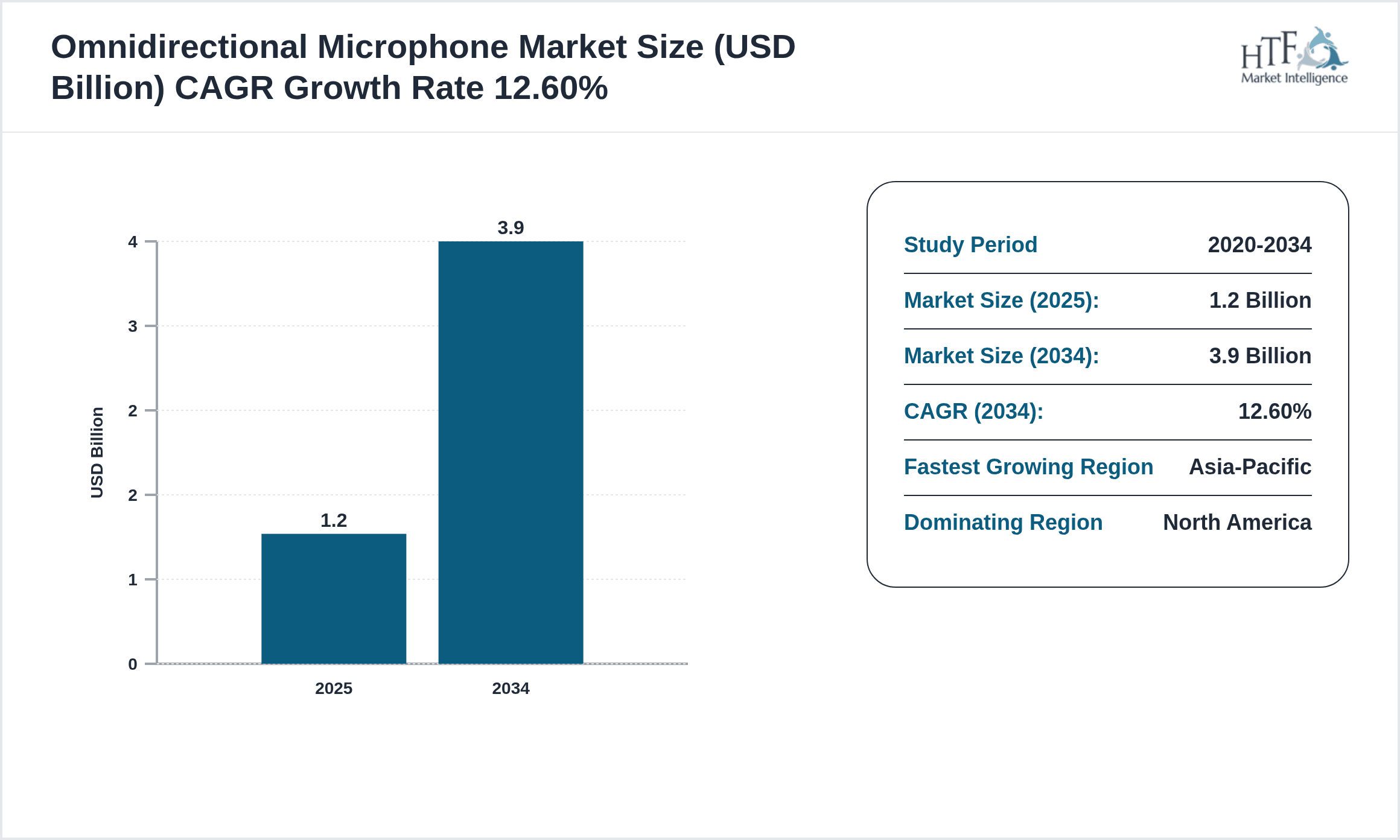
- •The market has witnessed significant growth with a base market size of USD 1.2 Billion in 2024 and is forecasted to reach USD 3.9 Billion by 2034, reflecting a CAGR of 12.6%. Key highlights include the dominance of condenser microphones in terms of market share and the rapid adoption of electret microphones due to their cost-effectiveness and compact design. North America remains the dominating region, propelled by advanced technological infrastructure and high consumer spending, while Asia-Pacific is the fastest-growing region driven by rising electronics manufacturing and increasing disposable incomes. The omnidirectional microphone market is also benefiting from trends such as smart device integration and enhanced audio processing technologies.
- •This market offers substantial value propositions to stakeholders, including OEMs, audio equipment manufacturers, and end-users across industries. Strategic importance lies in delivering superior sound quality and enabling innovative applications like voice-controlled assistants, teleconferencing, and hearing aids. The growth trajectory is supported by increasing consumer demand for immersive audio experiences and the need for reliable sound capture in professional and personal environments. Companies investing in R&D to improve microphone sensitivity, reduce power consumption, and integrate with IoT devices are poised to capture significant market share. The omnidirectional microphone market thus represents a vital segment in the broader audio technology landscape with promising opportunities for technological advancements and market expansion.
Competitive Landscape
The competitive environment in the global omnidirectional microphone market is characterized by intense rivalry among established multinational corporations and emerging regional players. Market leaders focus on innovation-driven strategies by investing heavily in research and development to enhance microphone sensitivity, reduce noise interference, and improve durability. Companies adopt differentiation through product quality, technological advancements such as MEMS technology integration, and expanding product portfolios catering to diverse applications. Strategic partnerships and collaborations with consumer electronics and automotive manufacturers are common to expand market reach and customize solutions. Pricing strategies vary by region and application, with premium products targeting professional audio segments and cost-effective options catering to consumer electronics. Market entry barriers include high capital investment for advanced manufacturing and stringent quality standards. Regional competition varies with North America and Europe leading in technology and innovation, while Asia-Pacific exhibits rapid growth fueled by manufacturing capabilities and emerging consumer markets. Future trends indicate consolidation through mergers and acquisitions and increased focus on sustainability and energy-efficient products.
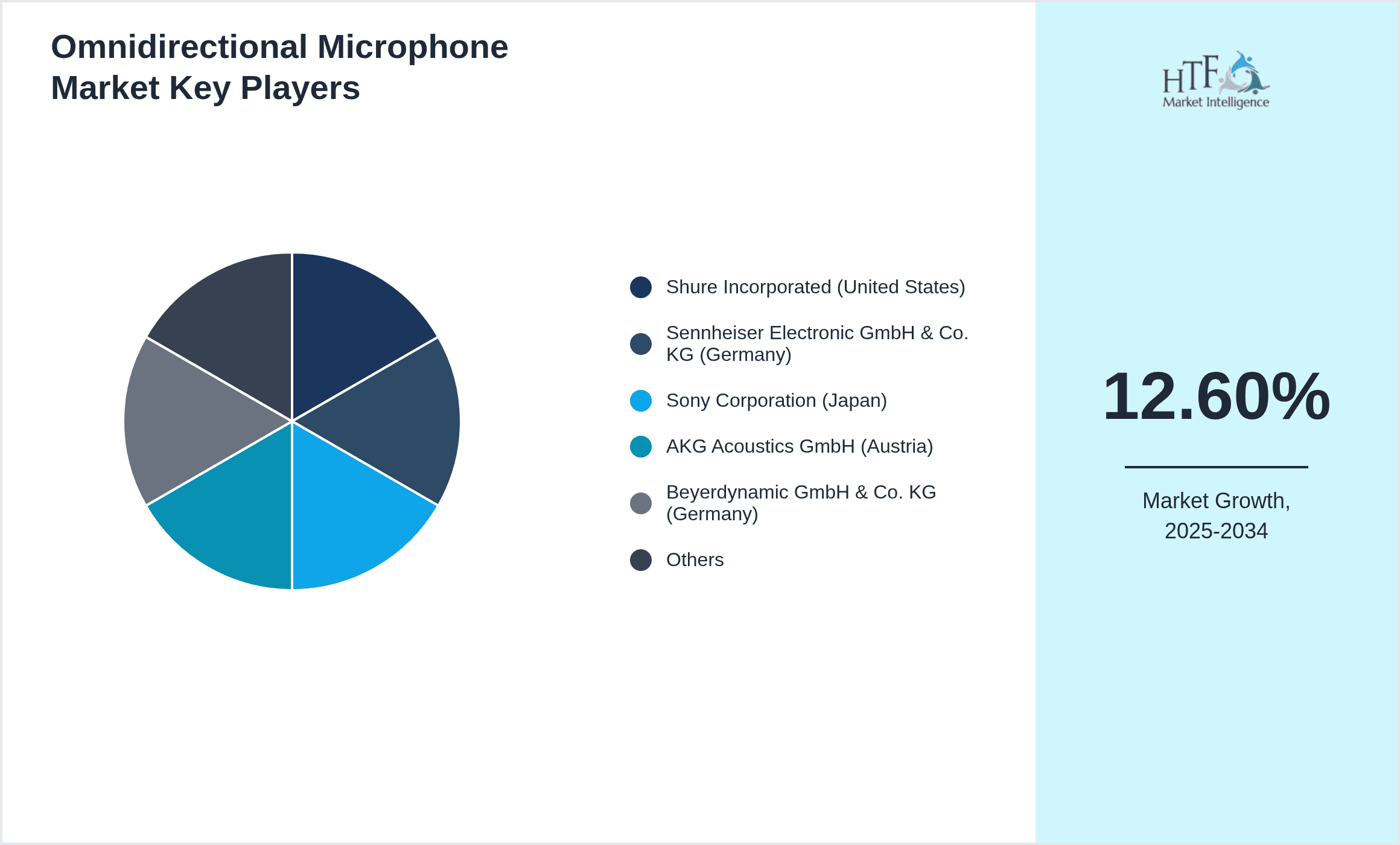
Leading Companies in Omnidirectional Microphone Market
- •Shure Incorporated (United States)
- •Sennheiser Electronic GmbH & Co. KG (Germany)
- •Sony Corporation (Japan)
- •AKG Acoustics GmbH (Austria)
- •Beyerdynamic GmbH & Co. KG (Germany)
- •Audio-Technica Corporation (Japan)
- •Electro-Voice (United States)
- •Rode Microphones Pty Ltd (Australia)
- •MXL Microphones (United States)
- •Sanken Microphones Co., Ltd. (Japan)
- •Neumann GmbH (Germany)
- •Shenzhen Luitou Technology Co., Ltd. (China)
- •Sontronics (United Kingdom)
- •Blue Microphones (United States)
- •DPA Microphones A/S (Denmark)
- •AKG Microphones (Germany)
- •Bose Corporation (United States)
- •Zoom Corporation (Japan)
- •Moukey Electronics (China)
- •Tascam (Japan)
- •Line 6, Inc. (United States)
- •Sony India Pvt Ltd (India)
- •AKG Acoustics India Pvt Ltd (India)
- •Audio-Technica India Pvt Ltd (India)
- •Shure Asia Limited (Hong Kong)
Market Breakdown
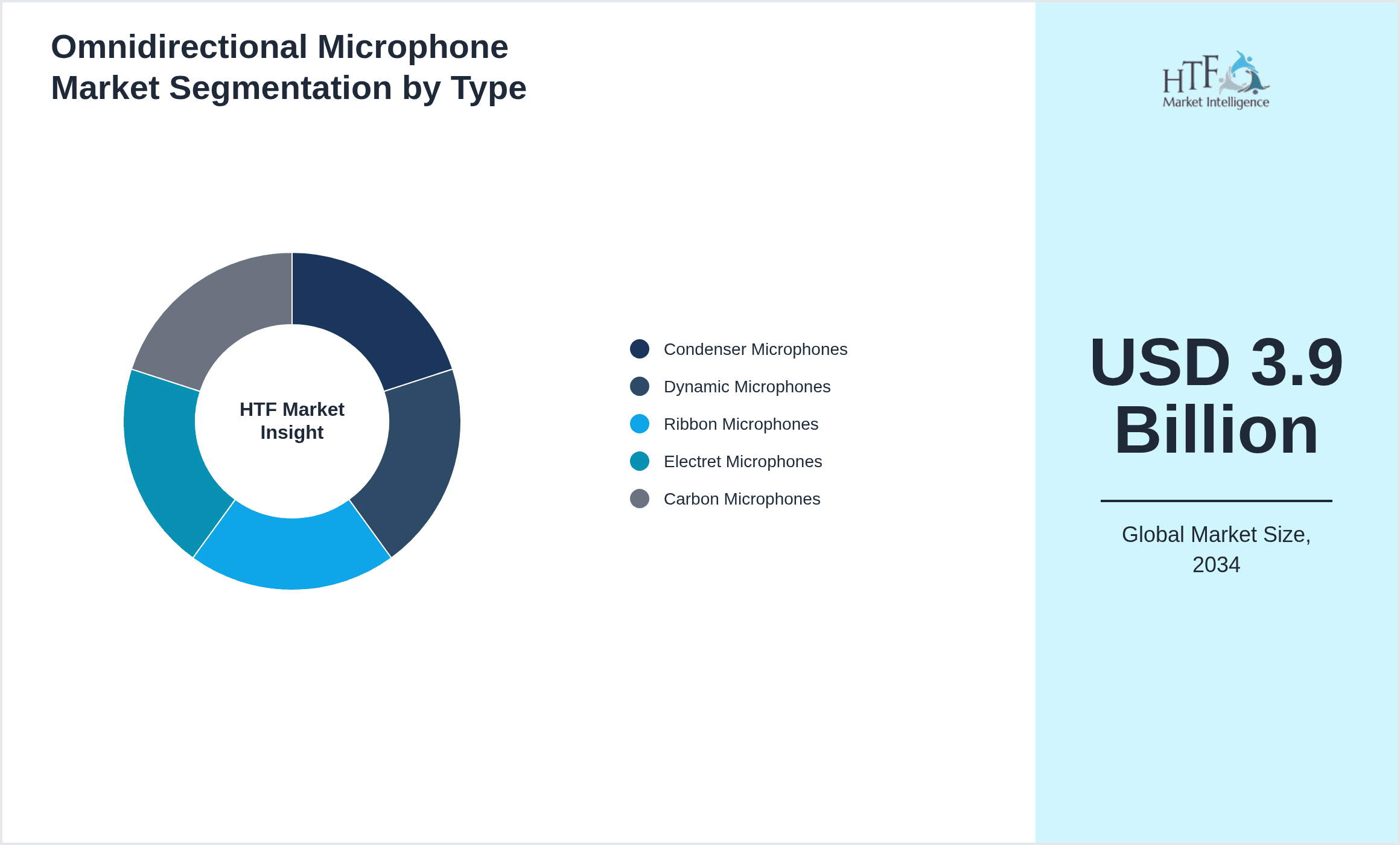
- •By Type
- ◦Condenser Microphones
- ◦Dynamic Microphones
- ◦Ribbon Microphones
- ◦Electret Microphones
- ◦Carbon Microphones
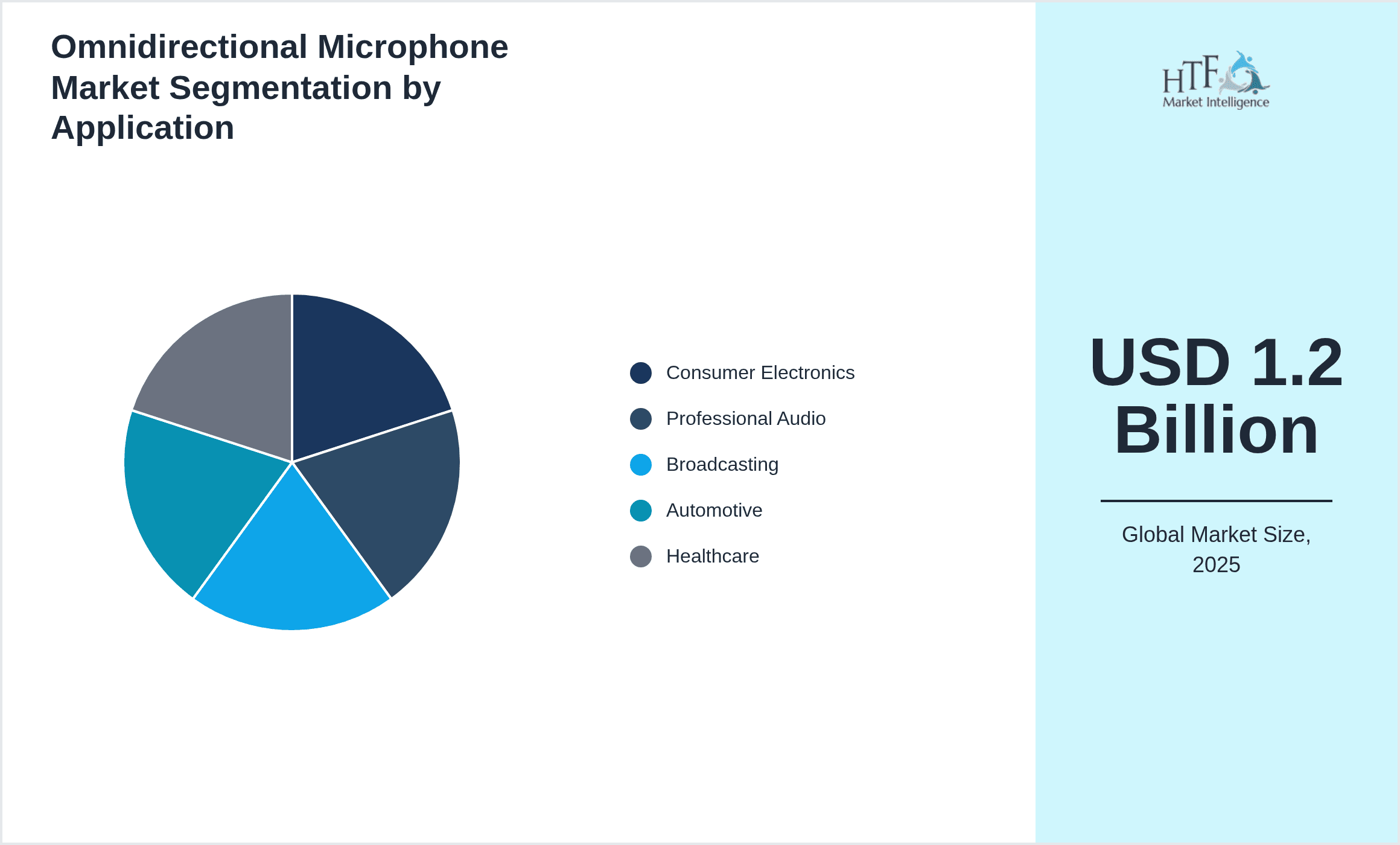
- •By Application
- ◦Consumer Electronics
- ◦Professional Audio
- ◦Broadcasting
- ◦Automotive
- ◦Healthcare
- •By End User
- ◦Individual Consumers
- ◦Recording Studios
- ◦Broadcasting Companies
- ◦Automobile Manufacturers
- ◦Healthcare Providers
- •By Distribution Channel
- ◦Online Retail
- ◦Specialty Stores
- ◦Direct Sales
- ◦Distributors
Growth Dynamics
- •The increasing adoption of smart devices embedded with voice recognition systems is a primary growth driver, enhancing demand for omnidirectional microphones capable of accurate sound capture in varied environments. For instance, the proliferation of smart speakers and wearable technology has fueled market expansion globally.
- •Technological advancements such as MEMS-based microphones have improved performance while reducing size and power consumption, enabling integration into compact consumer electronics and automotive applications, thus pushing market growth.
- •Rising demand in the professional audio and broadcasting sectors for high fidelity and ambient sound capture has driven investments and innovation in omnidirectional microphone technologies, supporting market momentum.
- •Regulatory support for improved accessibility technologies in healthcare, including hearing aids and telemedicine devices, has increased the integration of omnidirectional microphones in these products, expanding market opportunities.
- •Emerging economies in Asia-Pacific are witnessing rapid growth due to increased consumer electronics manufacturing and rising disposable income, making the region a hotspot for market expansion and innovation adoption.
Market Trends
- •The integration of artificial intelligence with omnidirectional microphones in voice-activated devices is a prominent trend, enhancing voice recognition accuracy and user experience in consumer electronics and automotive sectors.
- •Miniaturization and flexible microphone designs have become prevalent, driven by demand for wearable and portable devices, influencing product development and consumer acceptance.
- •Sustainability initiatives are prompting manufacturers to adopt eco-friendly materials and energy-efficient manufacturing processes, aligning with global environmental standards and consumer preferences.
- •Collaborations between microphone manufacturers and technology firms are increasing, focusing on integrated audio solutions and expanding application areas including virtual reality and gaming.
- •The rise of remote work and virtual communication has boosted demand for high-quality audio solutions, driving omnidirectional microphone adoption in conferencing and telepresence equipment.
Market Opportunities
- •Expanding applications in emerging fields such as augmented reality, virtual reality, and advanced gaming platforms provide significant growth avenues for omnidirectional microphones with enhanced spatial audio capabilities.
- •The healthcare sector offers opportunities through integration in telemedicine devices and advanced hearing aids, driven by aging populations and increasing healthcare accessibility worldwide.
- •Untapped markets in Latin America and the Middle East & Africa present potential for market penetration, supported by growing consumer electronics adoption and infrastructure development.
- •Innovations in wireless and IoT-enabled microphones can open new revenue streams by catering to smart home and industrial automation markets, enhancing connectivity and user convenience.
- •Strategic partnerships and acquisitions targeting technology integration and regional expansion can accelerate product diversification and market share growth.
Market Challenges
- •High manufacturing costs associated with advanced omnidirectional microphone technologies pose barriers for small and medium enterprises, limiting market entry and scalability.
- •Technical challenges such as susceptibility to ambient noise interference affect performance, requiring continuous innovation to maintain product effectiveness across applications.
- •Intense competition from alternative microphone technologies, including unidirectional and bidirectional types, pressures market share and pricing strategies.
- •Regulatory compliance complexities across different regions increase operational costs and delay product launches in global markets.
- •Supply chain disruptions and raw material shortages, exacerbated by geopolitical tensions, impact production schedules and cost structures adversely.
Regulatory Framework
- •Between 2019 and 2024, international standards such as IEC 60268-4 for sound system equipment have been updated, mandating enhanced performance and safety criteria for microphone devices, impacting manufacturing compliance globally.
- •Data privacy regulations, including GDPR in Europe and CCPA in California, have influenced microphone design by enforcing strict guidelines on audio data capture, storage, and transmission, especially for smart devices.
- •Environmental regulations targeting electronic waste management have led to increased adoption of recyclable materials and eco-friendly manufacturing processes within the omnidirectional microphone market.
- •Regional mandates such as the EU’s RoHS directive restrict hazardous substances in electronic components, requiring manufacturers to adapt material sourcing and production methods accordingly.
- •Government initiatives promoting accessibility technologies have encouraged the integration of omnidirectional microphones in healthcare devices, facilitating market growth through subsidies and certification programs.
Market Intelligence
- •15th January 2025, Shure Incorporated launched the new MXA920 ceiling array microphone designed for advanced voice capture in conference rooms, featuring enhanced beamforming technology and integration with leading video conferencing platforms. This innovation targets the growing remote work market, aiming to improve audio clarity and user experience in hybrid meeting environments. The product's modular design allows easy scalability for various room sizes, providing significant competitive advantage in professional audio segments. Source: Official Shure Press Release
- •20th March 2025, Sony Corporation introduced a compact MEMS omnidirectional microphone chip aimed at consumer electronics, offering superior noise cancellation and low power consumption. This product is positioned to support next-generation smartphones, wearables, and IoT devices, enhancing voice recognition accuracy and audio recording quality. Sony’s strategic objective is to capture a larger share of the MEMS microphone segment by leveraging its R&D capabilities and global supply chain. Source: Sony Corporate Website
- •10th May 2025, Sennheiser Electronic GmbH & Co. KG announced a strategic partnership with a leading automotive manufacturer to develop integrated omnidirectional microphone arrays for in-car voice command systems. This collaboration focuses on enhancing hands-free communication and noise reduction in electric and autonomous vehicles, addressing rising consumer demand for seamless in-car connectivity. The initiative underscores the importance of audio technology in the evolving automotive landscape. Source: Industry Publication
- •5th February 2025, Rode Microphones Pty Ltd completed the acquisition of a specialty acoustic technology startup focused on wireless omnidirectional microphone solutions. This acquisition aims to expand Rode’s product portfolio to include innovative wireless audio capture devices for content creators and broadcasters, enhancing market competitiveness and technological leadership. The move reflects growing demand for mobility and high-quality audio in digital media production. Source: Company Announcement
Regional Outlook
The North America currently holds a significant share of the market, primarily due to several key factors: increasing consumption rates, a burgeoning population, and robust economic momentum. These elements collectively drive demand, positioning this region as a leader in the market. On the other hand, Asia-Pacific is rapidly emerging as the fastest-growing area within the industry. This remarkable growth can be attributed to swift infrastructure development, the expansion of various industrial sectors, and a marked increase in consumer demand. These dynamics make this region a crucial player in shaping future market growth.
In our report, we cover a comprehensive analysis of the following regions and countries:
- North America
- LATAM
- West Europe
- Central & Eastern Europe
- Northern Europe
- Southern Europe
- East Asia
- Southeast Asia
- South Asia
- Central Asia
- Oceania
- MEA
| Feature | Details |
|---|---|
| Base Year Market Size | USD 1.2 Billion |
| Forecast Year Market Size | USD 3.9 Billion |
| CAGR | 12.6% |
| Forecast Period | 2026 to 2033 |
| YoY Growth | 12% |
| Scope of Report | Market is segmented by Type (Condenser Microphones, Dynamic Microphones, Ribbon Microphones, Electret Microphones, Carbon Microphones), Application (Consumer Electronics, Professional Audio, Broadcasting, Automotive, Healthcare), End User (Individual Consumers, Recording Studios, Broadcasting Companies, Automobile Manufacturers, Healthcare Providers), Distribution Channel (Online Retail, Specialty Stores, Direct Sales, Distributors) |
| Regions Covered | North America, LATAM, West Europe, Central & Eastern Europe, Northern Europe, Southern Europe, East Asia, Southeast Asia, South Asia, Central Asia, Oceania, MEA |
| Key Companies | Shure Incorporated (United States), Sennheiser Electronic GmbH & Co. KG (Germany), Sony Corporation (Japan), AKG Acoustics GmbH (Austria), Beyerdynamic GmbH & Co. KG (Germany), Audio-Technica Corporation (Japan), Electro-Voice (United States), Rode Microphones Pty Ltd (Australia), MXL Microphones (United States), Sanken Microphones Co., Ltd. (Japan), Neumann GmbH (Germany), Shenzhen Luitou Technology Co., Ltd. (China), Sontronics (United Kingdom), Blue Microphones (United States), DPA Microphones A/S (Denmark), AKG Microphones (Germany), Bose Corporation (United States), Zoom Corporation (Japan), Moukey Electronics (China), Tascam (Japan), Line 6, Inc. (United States), Sony India Pvt Ltd (India), AKG Acoustics India Pvt Ltd (India), Audio-Technica India Pvt Ltd (India), Shure Asia Limited (Hong Kong) |
Global Omnidirectional Microphone Market - Outlook 2024-2034 - Table of Contents
Multidisciplinary researcher with 10+ years of experience uncovering insights across diverse domains focused on uncovering insights that drive informed decisions.
Frequently Asked Questions (FAQ):
The Market market is expected to see significant growth and value in 2025.
North America currently leads the market, followed by Europe and Asia-Pacific.
Key growth drivers include increasing activities, rising demand for innovative solutions, technological advancements, and growing preference for efficient products.