
Southeast Asia Bag Packaged Instant Noodles Market - Outlook 2024-2034
Southeast Asia Bag Packaged Instant Noodles Market is segmented by Type (Spicy Bag Packaged Instant Noodles, Non-Spicy Bag Packaged Instant Noodles, Flavored Bag Packaged Instant Noodles, Organic Bag Packaged Instant Noodles, Instant Soup Bag Packaged Noodles), Application (Home Consumption, Food Service, Retail, Online Sales, Institutional Use), Distribution Channel (Supermarkets & Hypermarkets, Convenience Stores, E-commerce Platforms, Traditional Retail), Packaging Technology (Vacuum Packaging, Air-tight Sealing, Biodegradable Packaging), and Geography (Singapore, Malaysia, Thailand, Indonesia, Vietnam, Philippines, Others)
Pricing
Report Overview
Executive Summary
- •The Southeast Asia Bag Packaged Instant Noodles market is defined by the manufacture and sales of instant noodles packaged in bags, catering primarily to consumers seeking convenient, quick-preparation meal options. This market covers a broad product portfolio including spicy, non-spicy, flavored, organic, and instant soup types, distributed across retail, food service, online, and institutional channels. The industry scope includes key countries such as Indonesia, Thailand, Vietnam, Malaysia, and the Philippines, where rising urban populations and evolving lifestyles have significantly boosted demand. The segment excludes cup or bowl-packaged noodles, focusing exclusively on bag formats to address specific consumer preferences and distribution efficiencies. The market is influenced by innovation in flavors, packaging technologies, and health-conscious product development, reflecting changing dietary habits. Additionally, the competitive landscape is shaped by domestic and multinational players striving for market share through product diversification and regional expansion, making this market a critical segment within Southeast Asia's processed food industry.
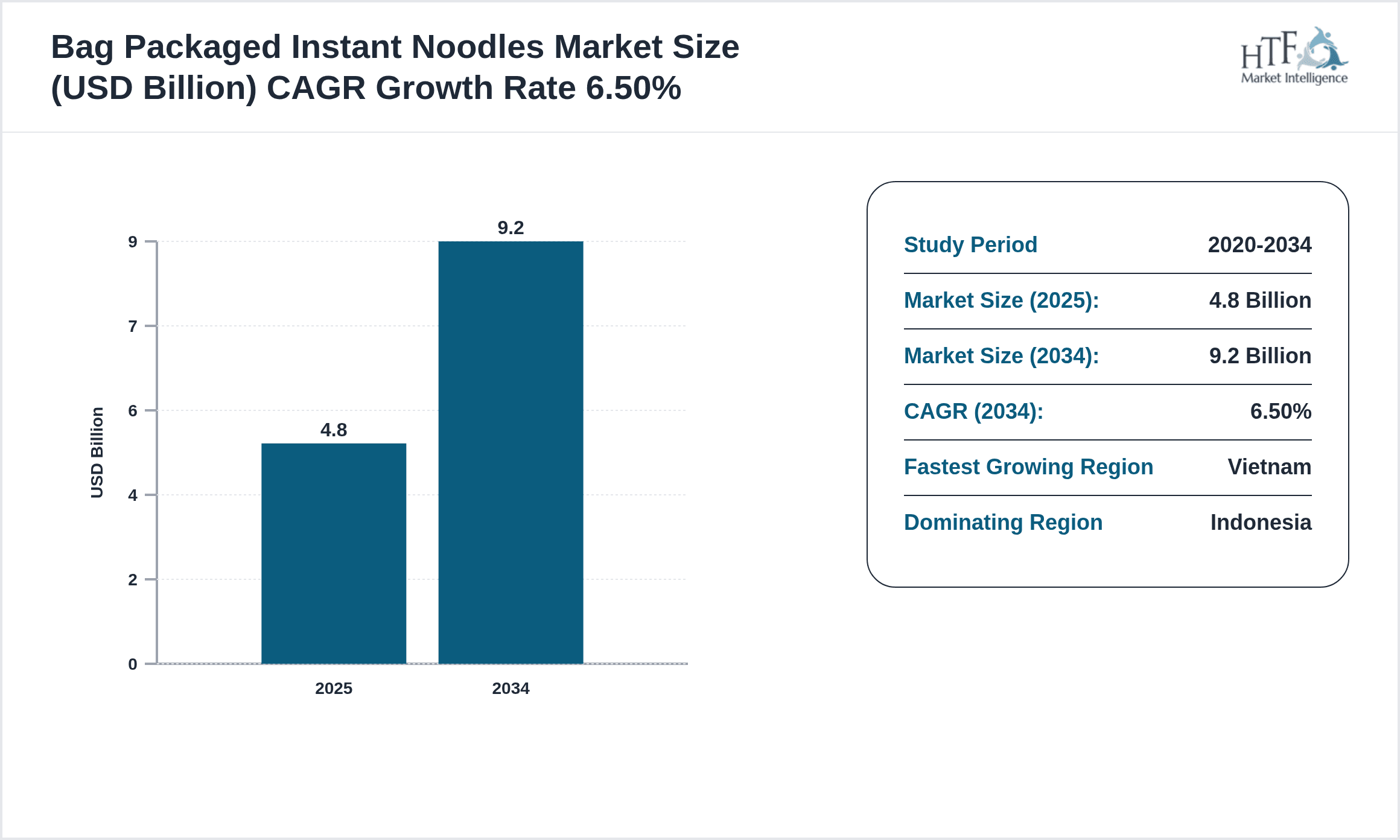
- •Key market highlights include a projected compound annual growth rate (CAGR) of 6.5% from 2024 to 2034, with market size expected to nearly double from USD 4.8 billion in 2024 to USD 9.2 billion by 2034. Indonesia leads in market dominance due to its large population and strong cultural affinity for instant noodles, while Vietnam exhibits the fastest growth attributed to rising disposable incomes and growing urbanization. Spicy varieties currently dominate product types, reflecting regional taste preferences, though organic instant noodles are rapidly gaining traction as consumers become more health-conscious. The retail and online sales channels are expanding rapidly, driven by digital penetration and evolving consumer purchasing behavior. These dynamics underscore robust growth opportunities despite some challenges such as regulatory compliance and price sensitivity.
- •This market offers significant value to food manufacturers, distributors, and retailers by providing insights into consumer preferences, competitive positioning, and growth avenues. With rising demand for convenient food options in Southeast Asia, stakeholders can leverage innovation in product formulations and packaging to capture market share. Additionally, understanding regulatory frameworks and regional consumer trends enables strategic decision-making for new product launches and market entry. The bag packaged instant noodles segment plays a pivotal role in meeting the evolving dietary needs of Southeast Asia’s diverse populations, making it a lucrative sector within the broader processed convenience food market.
Competitive Landscape
The competitive environment in the Southeast Asia Bag Packaged Instant Noodles market is characterized by intense rivalry among established multinational corporations and strong regional players. Companies prioritize product innovation, including flavor diversification and healthier options such as organic variants, to differentiate themselves. Pricing strategies are aggressively employed to maintain competitiveness, especially in price-sensitive markets like Indonesia and the Philippines. Distribution channel expansion, particularly through e-commerce and modern retail formats, forms a critical strategy to enhance market reach. Strategic partnerships and localized production facilities enable companies to optimize supply chains and reduce costs. Market entry barriers include stringent food safety regulations and high consumer expectations for quality and taste. Innovation in packaging to extend shelf life and improve convenience further intensifies competition. Regional competition is also influenced by brand loyalty and cultural preferences, requiring tailored marketing and product development approaches. Future trends suggest increased consolidation and collaborations to strengthen market positions.
Leading Companies in Bag Packaged Instant Noodles Market
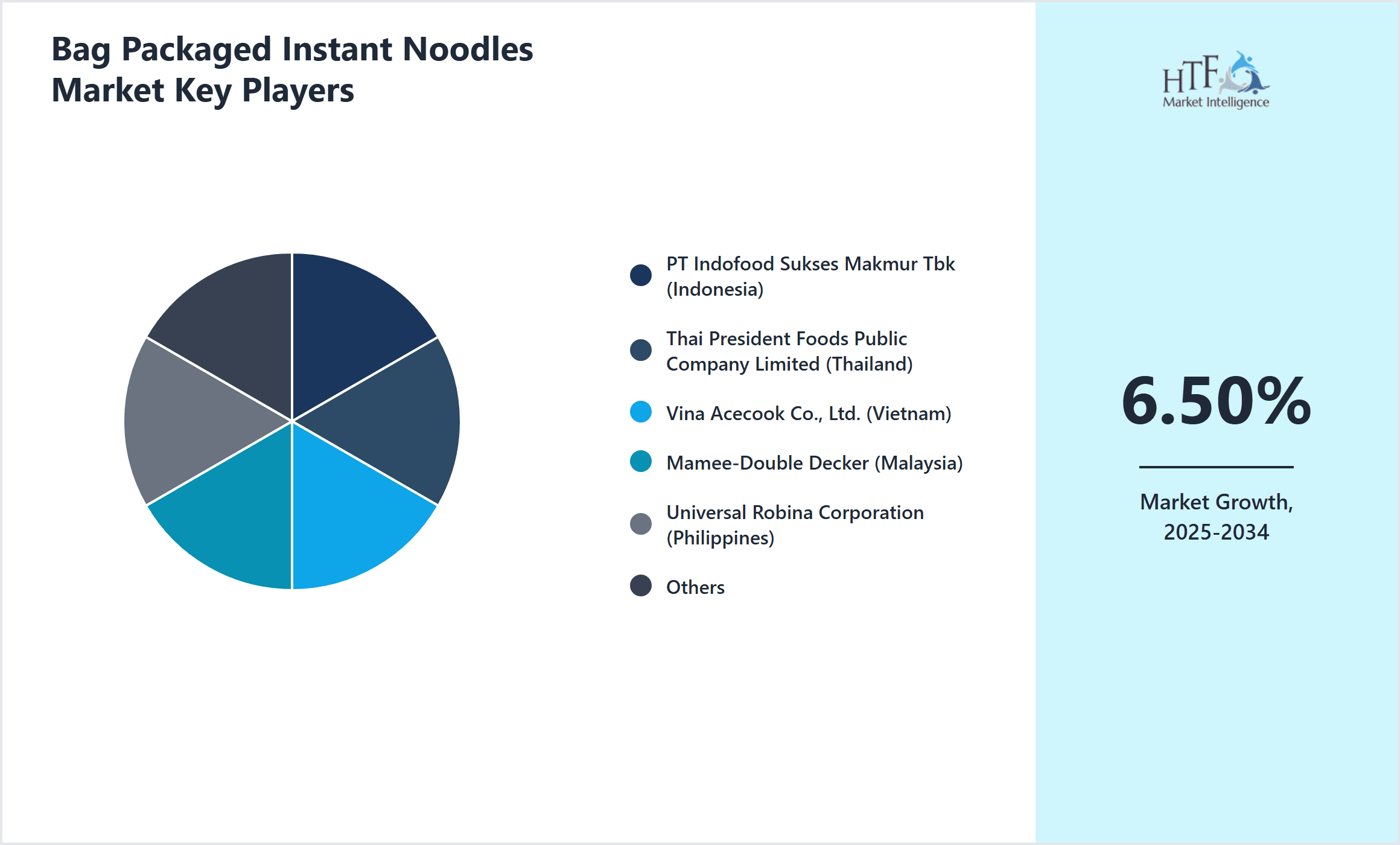
- •PT Indofood Sukses Makmur Tbk (Indonesia)
- •Thai President Foods Public Company Limited (Thailand)
- •Vina Acecook Co., Ltd. (Vietnam)
- •Mamee-Double Decker (Malaysia)
- •Universal Robina Corporation (Philippines)
- •Nissin Foods Holdings Co., Ltd. (Japan)
- •Nestlé S.A. (Switzerland)
- •Wai Wai (Thailand)
- •Samyang Foods Co., Ltd. (South Korea)
- •Ajinomoto Co., Inc. (Japan)
- •Lucky Me! (Philippines)
- •MyKuali (Malaysia)
- •Acecook Japan Co., Ltd. (Japan)
- •Koka Foods (Singapore)
- •Ligo Food (Indonesia)
- •Nongshim Co., Ltd. (South Korea)
- •Super Indo (Indonesia)
- •Prima Taste (Singapore)
- •Bee Cheng Hiang (Singapore)
- •Indomie (Indonesia)
- •Sun Noodle (Philippines)
- •Tingyi (Cayman Islands)
- •Maruchan, Inc. (United States)
- •Mama (Thailand)
- •Kraft Heinz Company (United States)
Market Breakdown
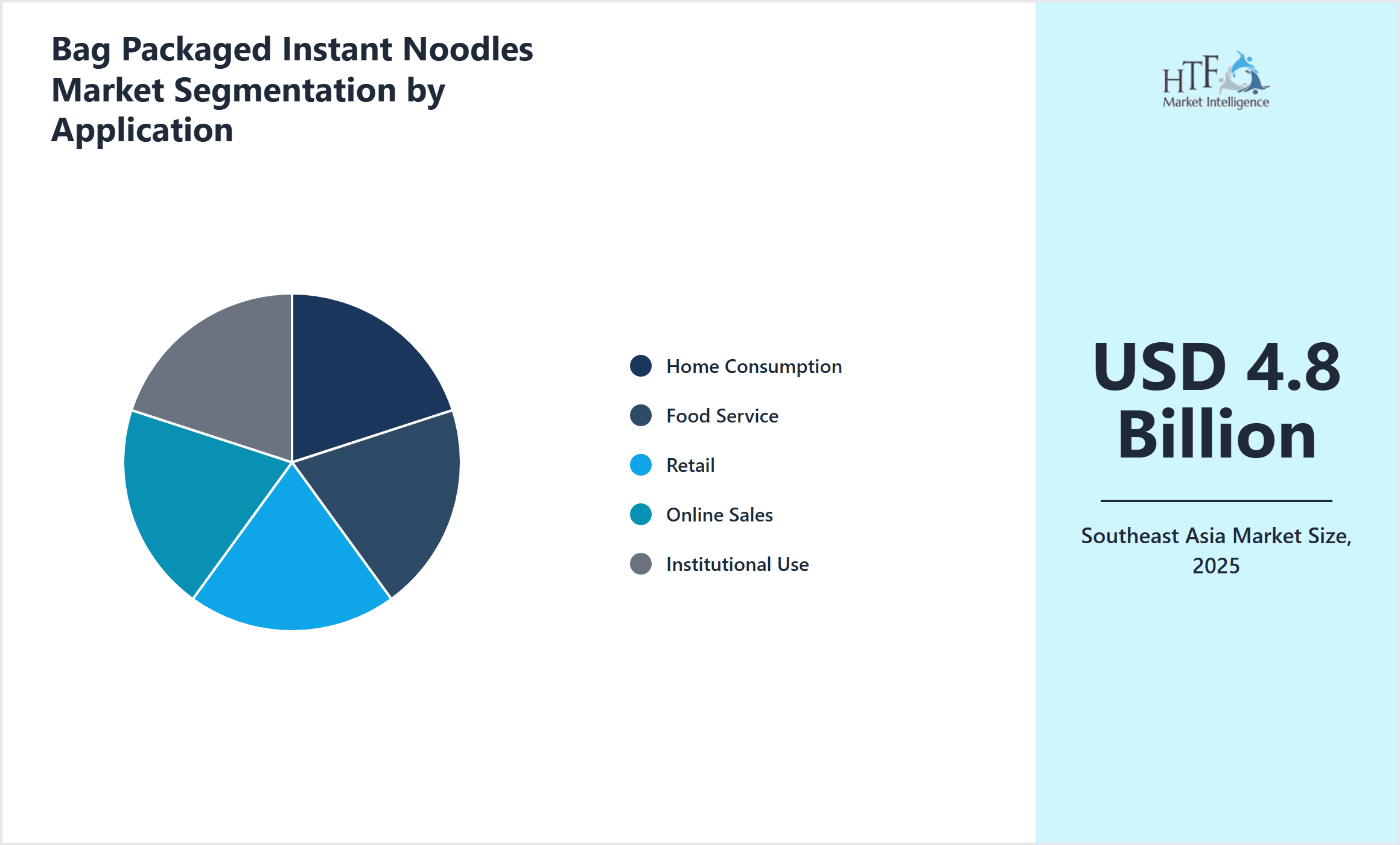
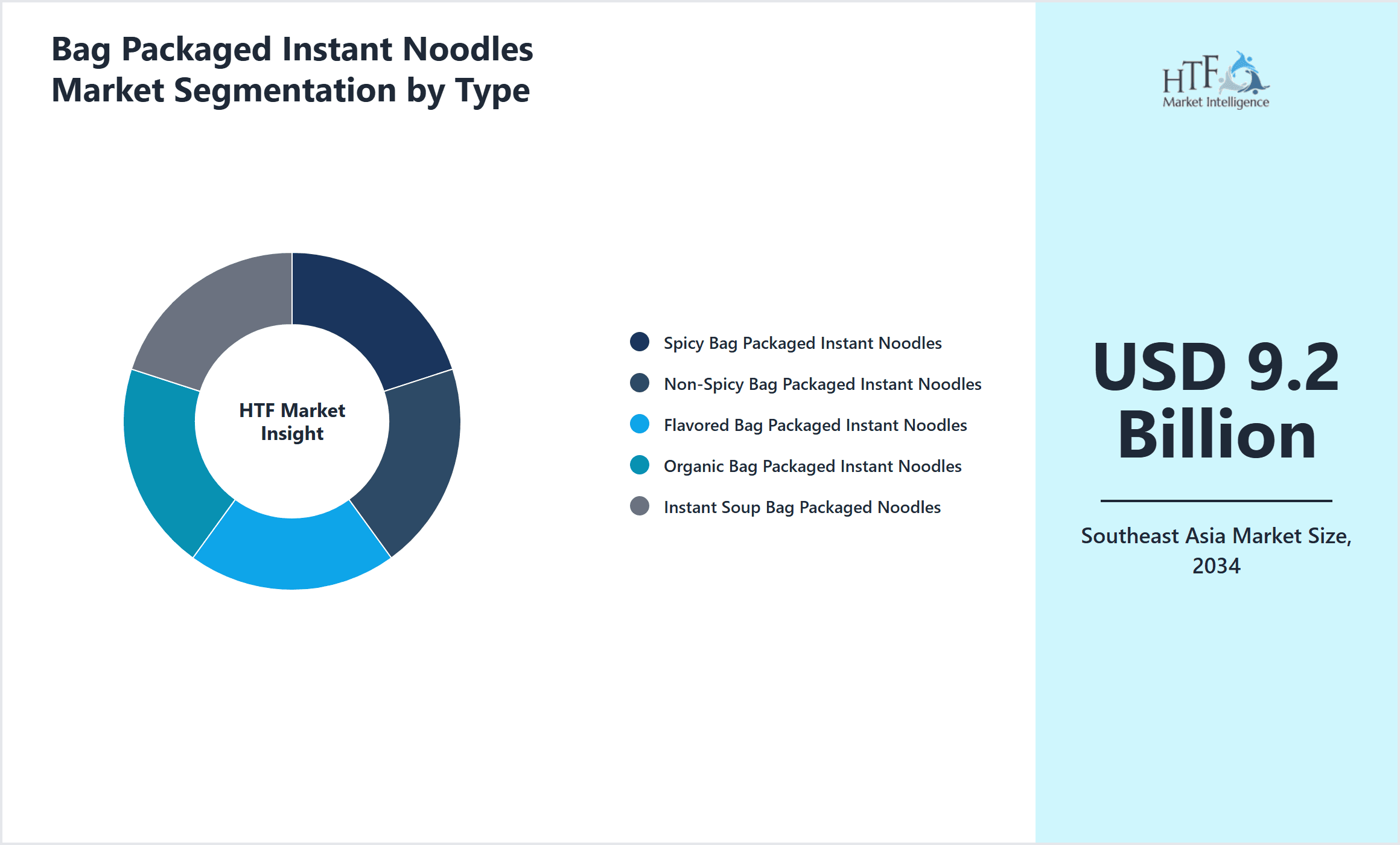
- •By Type
- ◦Spicy Bag Packaged Instant Noodles
- ◦Non-Spicy Bag Packaged Instant Noodles
- ◦Flavored Bag Packaged Instant Noodles
- ◦Organic Bag Packaged Instant Noodles
- ◦Instant Soup Bag Packaged Noodles
- •By Application
- ◦Home Consumption
- ◦Food Service
- ◦Retail
- ◦Online Sales
- ◦Institutional Use
- •By Distribution Channel
- ◦Supermarkets & Hypermarkets
- ◦Convenience Stores
- ◦E-commerce Platforms
- ◦Traditional Retail
- •By Packaging Technology
- ◦Vacuum Packaging
- ◦Air-tight Sealing
- ◦Biodegradable Packaging
Growth Dynamics
- •The rising urban population and increasing disposable income in Southeast Asia stimulate demand for convenient, quick-preparation foods such as bag packaged instant noodles. Consumers are shifting towards ready-to-eat options driven by busier lifestyles, creating robust growth avenues.
- •Technological advancements in packaging, including biodegradable and vacuum-sealed bags, enhance product shelf life and appeal to environmentally conscious consumers, thus fostering market expansion in the region.
- •The growing trend of flavor innovation, especially in spicy and health-conscious organic variants, attracts diverse consumer segments, encouraging product differentiation and brand loyalty.
- •Expansion of e-commerce and modern retail channels across Southeast Asia facilitates wider product accessibility, improving market penetration and supporting sales growth.
- •Government initiatives promoting food safety standards and quality assurance boost consumer confidence, positively impacting market growth and encouraging investment in the sector.
Market Trends
- •There is a noticeable increase in demand for organic and healthier instant noodle options, reflecting rising health awareness among Southeast Asian consumers who seek nutritious convenience foods.
- •Sustainability is becoming a key trend, with companies adopting eco-friendly packaging materials to reduce environmental impact and appeal to green-conscious buyers.
- •Digital marketing and influencer collaborations are increasingly utilized to engage younger demographics, driving brand visibility and consumer engagement in the instant noodles space.
- •The popularity of spicy flavor profiles continues to dominate, influenced by traditional dietary preferences in countries like Indonesia and Thailand, shaping product development strategies.
- •Online grocery sales are surging, with many consumers preferring the convenience of home delivery, which is reshaping distribution models for bag packaged instant noodles.
Market Opportunities
- •There is significant growth potential in penetrating rural and semi-urban markets in Southeast Asia where instant noodle consumption is rising but distribution remains limited.
- •Product innovation focusing on health-centric features like low sodium, gluten-free, and organic ingredients offers opportunities to tap into emerging consumer preferences.
- •Strategic partnerships with e-commerce platforms can enhance market reach and provide data-driven insights into consumer behavior, supporting targeted marketing efforts.
- •Expanding into institutional sales such as schools, hospitals, and corporate cafeterias presents a largely untapped channel for volume growth.
- •Leveraging sustainable packaging technologies can create differentiation and appeal to environmentally conscious consumers, opening niche market segments.
Market Challenges
- •Price sensitivity among consumers in key Southeast Asian markets constrains profit margins and demands competitive pricing strategies from manufacturers.
- •Stringent food safety regulations across multiple countries require compliance investments and may delay product launches or increase operational costs.
- •Supply chain disruptions, including raw material shortages and logistic challenges, can affect consistent product availability and increase expenses.
- •Competition from local and international brands intensifies, necessitating continual innovation and marketing efforts to maintain market share.
- •Consumer skepticism towards instant noodles due to health concerns poses a challenge for market growth, requiring educational campaigns and product reformulations.
Regulatory Framework
- •Between 2019 and 2024, Southeast Asian countries have tightened food safety standards mandating stricter quality control measures for instant noodle manufacturers, including mandatory labeling of nutritional information and allergen disclosures.
- •Thailand and Indonesia introduced regulations requiring eco-friendly packaging certification to reduce plastic waste, impacting packaging design and supplier selection within the instant noodles market.
- •Vietnam implemented import tariffs adjustments on food ingredients affecting cost structures for manufacturers relying on imported raw materials, influencing pricing strategies.
- •Malaysia enforced updated hygiene and safety protocols in foodservice channels, ensuring safer distribution and handling of packaged instant noodles in institutional and retail environments.
- •Government-supported initiatives across Southeast Asia promote locally produced food products through subsidies and incentives, encouraging domestic manufacturing and innovation in the instant noodles sector.
Market Intelligence
- •15th January 2025, PT Indofood Sukses Makmur Tbk launched a new line of organic bag packaged instant noodles targeting health-conscious consumers in Indonesia and neighboring markets. The product features natural ingredients, reduced sodium content, and biodegradable packaging, aiming to capture growing demand for sustainable and healthy convenience foods. This strategic launch complements Indofood’s existing portfolio and supports its sustainability agenda while expanding its market share in Southeast Asia's evolving instant noodle segment. The initiative also includes a strong digital marketing campaign to engage younger consumers seeking nutritious meal options.
- •10th March 2025, Vina Acecook Co., Ltd. introduced a spicy seafood-flavored bag packaged instant noodle variant designed specifically for the Vietnamese market. This innovation leverages local taste preferences and incorporates premium seafood extracts to enhance flavor authenticity. The launch aligns with the company’s expansion strategy focusing on premiumization and product differentiation. Vina Acecook has partnered with leading online retailers to distribute the product widely, capitalizing on the growing e-commerce penetration in the region. This move is expected to strengthen the brand’s competitive positioning and attract a broader consumer base.
- •22nd June 2025, Mamee-Double Decker expanded its distribution network by partnering with regional e-commerce platforms across Malaysia and Singapore. This strategic collaboration aims to increase accessibility of its bag packaged instant noodles, particularly organic and flavored varieties, to a digitally savvy consumer segment. The partnership includes joint promotional campaigns and data analytics initiatives to tailor offerings based on consumer purchasing patterns. This expansion supports Mamee’s goal to enhance market presence in Southeast Asia’s rapidly growing digital retail environment while reinforcing brand visibility among younger demographics.
- •5th September 2025, Thai President Foods Public Company Limited announced the launch of a biodegradable packaging format for its popular bag packaged instant noodles in Thailand and export markets. The environmentally friendly packaging reduces plastic waste and aligns with increasing regulatory and consumer demands for sustainability. This innovation is part of a broader corporate social responsibility program aimed at reducing environmental impact and improving brand image. The company expects this initiative to drive consumer preference and loyalty amidst growing awareness of ecological issues in Southeast Asia.
- •Source: Official press releases, company websites, and industry reports.
Regional Outlook
The Indonesia currently holds a significant share of the market, primarily due to several key factors: increasing consumption rates, a burgeoning population, and robust economic momentum. These elements collectively drive demand, positioning this region as a leader in the market. On the other hand, Vietnam is rapidly emerging as the fastest-growing area within the industry. This remarkable growth can be attributed to swift infrastructure development, the expansion of various industrial sectors, and a marked increase in consumer demand. These dynamics make this region a crucial player in shaping future market growth.
In our report, we cover a comprehensive analysis of the following regions and countries:
- Singapore
- Malaysia
- Thailand
- Indonesia
- Vietnam
- Philippines
- Others
| Feature | Details |
|---|---|
| Base Year Market Size | USD 4.8 Billion |
| Forecast Year Market Size | USD 9.2 Billion |
| CAGR | 6.5% |
| Forecast Period | 2026 to 2033 |
| YoY Growth | 6.3% |
| Scope of Report | Market is segmented by Type (Spicy Bag Packaged Instant Noodles, Non-Spicy Bag Packaged Instant Noodles, Flavored Bag Packaged Instant Noodles, Organic Bag Packaged Instant Noodles, Instant Soup Bag Packaged Noodles), Application (Home Consumption, Food Service, Retail, Online Sales, Institutional Use), Distribution Channel (Supermarkets & Hypermarkets, Convenience Stores, E-commerce Platforms, Traditional Retail), Packaging Technology (Vacuum Packaging, Air-tight Sealing, Biodegradable Packaging) |
| Regions Covered | Singapore, Malaysia, Thailand, Indonesia, Vietnam, Philippines, Others |
| Key Companies | PT Indofood Sukses Makmur Tbk (Indonesia), Thai President Foods Public Company Limited (Thailand), Vina Acecook Co., Ltd. (Vietnam), Mamee-Double Decker (Malaysia), Universal Robina Corporation (Philippines), Nissin Foods Holdings Co., Ltd. (Japan), Nestlé S.A. (Switzerland), Wai Wai (Thailand), Samyang Foods Co., Ltd. (South Korea), Ajinomoto Co., Inc. (Japan), Lucky Me! (Philippines), MyKuali (Malaysia), Acecook Japan Co., Ltd. (Japan), Koka Foods (Singapore), Ligo Food (Indonesia), Nongshim Co., Ltd. (South Korea), Super Indo (Indonesia), Prima Taste (Singapore), Bee Cheng Hiang (Singapore), Indomie (Indonesia), Sun Noodle (Philippines), Tingyi (Cayman Islands), Maruchan, Inc. (United States), Mama (Thailand), Kraft Heinz Company (United States) |
Southeast Asia Bag Packaged Instant Noodles Market - Outlook 2024-2034 - Table of Contents
Research enthusiast focused on transforming data uncovering into actionable insights through data-driven decision-making.
Frequently Asked Questions (FAQ):
The Market market is expected to see significant growth and value in 2025.
North America currently leads the market, followed by Europe and Asia-Pacific.
Key growth drivers include increasing activities, rising demand for innovative solutions, technological advancements, and growing preference for efficient products.