
Global Transfusion Bottles Market Size, Growth & Revenue 2024-2034
Global Transfusion Bottles Market is segmented by Type (Glass Transfusion Bottles, Plastic Transfusion Bottles, Single-use Transfusion Bottles, Multi-use Transfusion Bottles, Specialized Transfusion Bottles), Application (Hospitals, Blood Banks, Diagnostic Centers, Research Institutes, Home Care), End User (Public Healthcare Facilities, Private Clinics, Ambulatory Surgical Centers, Laboratories), Distribution Channel (Direct Sales, Distributors, Online Sales Platforms), and Geography (North America, LATAM, West Europe, Central & Eastern Europe, Northern Europe, Southern Europe, East Asia, Southeast Asia, South Asia, Central Asia, Oceania, MEA)
Pricing
Report Overview
Executive Summary
- •The global Transfusion Bottles market is defined by the manufacturing and supply of containers essential for blood collection, storage, and transfusion processes. These products are designed to maintain the integrity and safety of blood products across various healthcare settings, including hospitals, blood banks, diagnostic centers, research institutes, and home care environments. The market is segmented into multiple types, such as glass, plastic, single-use, multi-use, and specialized transfusion bottles, each catering to different clinical and operational needs. The market scope extends from raw material sourcing and advanced manufacturing processes to distribution frameworks and compliance with stringent regulatory standards globally. Increasing blood transfusion demand due to a rise in surgeries, trauma cases, and chronic disease prevalence drives market growth. Additionally, innovations in bottle materials and designs contribute to enhanced safety, ease of use, and compatibility with modern transfusion technologies, positioning this market as a critical segment within the broader medical devices industry.
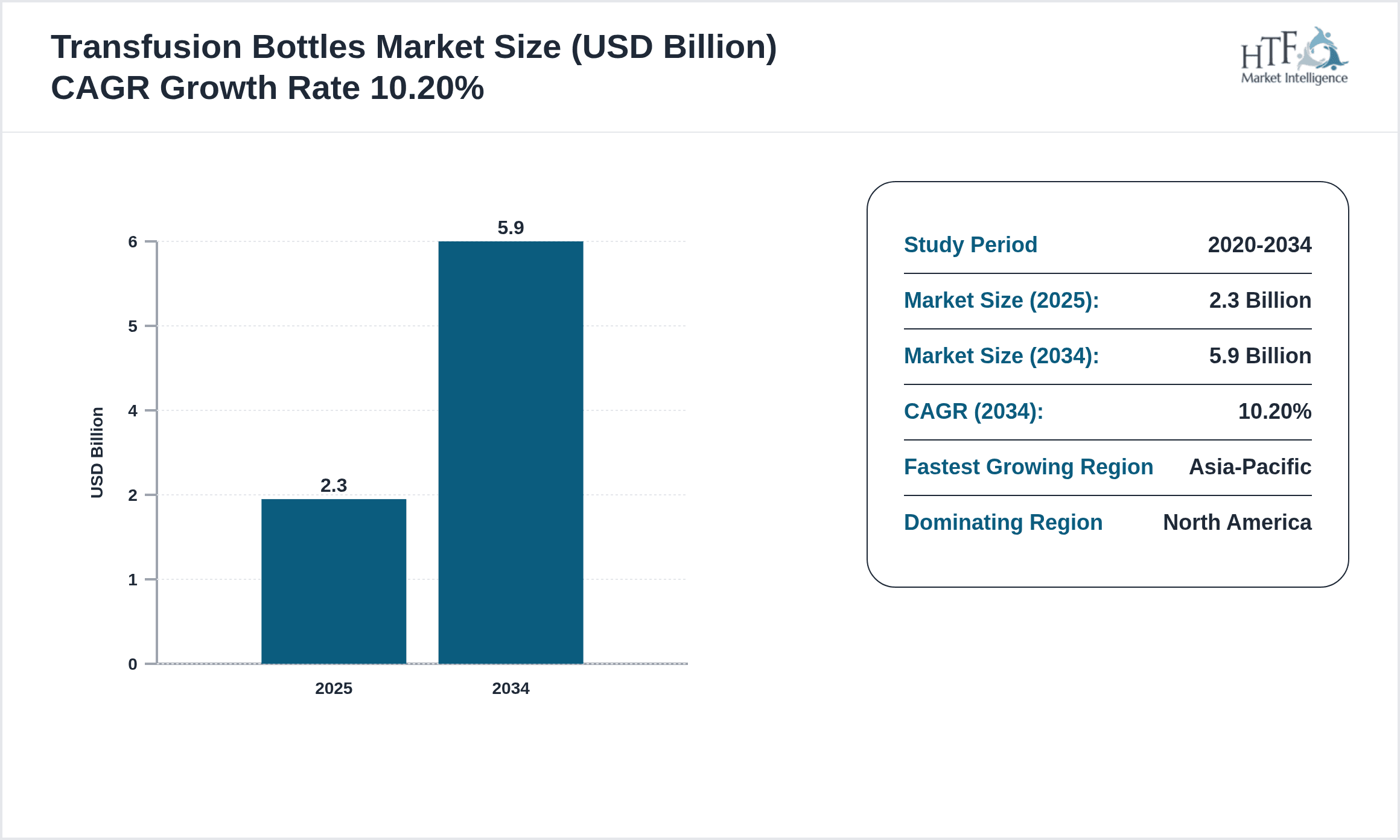
- •Key market highlights include a current valuation of USD 2.3 billion in 2024, projected to reach USD 5.9 billion by 2034, reflecting a robust CAGR of approximately 10.2%. Plastic transfusion bottles dominate the market due to their versatility and cost-effectiveness, while specialized bottles are the fastest growing segment, driven by technological advancements and increasing demand for customized solutions. Geographically, North America currently holds the largest market share, attributed to advanced healthcare infrastructure and high adoption rates, whereas the Asia-Pacific region emerges as the fastest growing due to expanding healthcare access and rising awareness. Market dynamics are shaped by stringent regulatory frameworks, increasing investments in healthcare infrastructure, and rising prevalence of chronic diseases requiring transfusion therapies.
- •The value proposition of the Transfusion Bottles market lies in its strategic importance to healthcare providers, blood banks, and medical device manufacturers. Reliable transfusion bottles ensure safe blood handling, minimize contamination risks, and comply with regulatory standards, supporting critical patient care processes globally. Advancements in materials and design enhance user experience and operational efficiency, making these products indispensable in modern medical practices. Stakeholders benefit from continuous innovation, expanding applications, and growing demand driven by demographic and epidemiological trends. The market thus offers significant opportunities for manufacturers and distributors aiming to capitalize on evolving healthcare needs and technology-driven improvements.
Competitive Landscape
The global Transfusion Bottles market features intense competition characterized by a mix of multinational corporations and regional manufacturers focusing on innovation, quality, and regulatory compliance. Market participants employ diverse strategies such as product differentiation, technological enhancements, strategic partnerships, and geographic expansion to strengthen their market position. Innovation is centered around developing bottles with improved biocompatibility, durability, and ease of handling, catering to evolving clinical requirements. Companies invest significantly in research and development to introduce specialized bottles that address niche applications and regulatory demands. Competitive rivalry is further intensified by pricing strategies, distribution network optimization, and expanding product portfolios. Barriers to entry include stringent regulatory approvals, high capital investment, and established customer relationships, which favor established players. Future competitive trends indicate a shift towards sustainable materials, smart packaging solutions, and greater customization capabilities to meet diverse healthcare needs worldwide.
Key Players in Transfusion Bottles Market
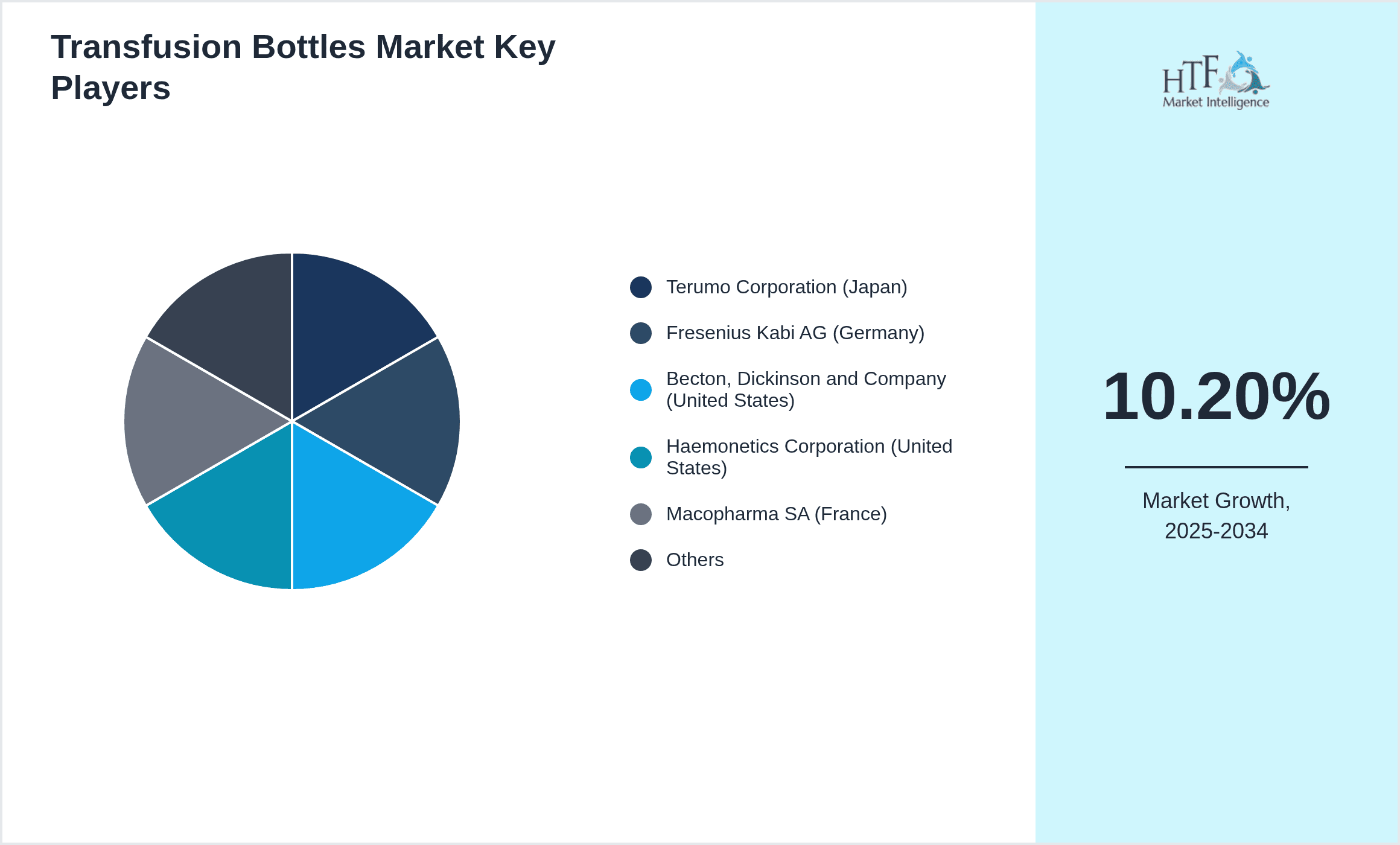
- •Terumo Corporation (Japan)
- •Fresenius Kabi AG (Germany)
- •Becton, Dickinson and Company (United States)
- •Haemonetics Corporation (United States)
- •Macopharma SA (France)
- •Grifols, S.A. (Spain)
- •Nipro Corporation (Japan)
- •Sartorius AG (Germany)
- •Baxter International Inc. (United States)
- •Kawasumi Laboratories, Inc. (Japan)
- •Sino Biopharmaceutical Limited (China)
- •Haema AG (Germany)
- •Smiths Medical (United Kingdom)
- •Shanghai RAAS Blood Products Co., Ltd. (China)
- •B. Braun Melsungen AG (Germany)
- •Terumo BCT, Inc. (United States)
- •Hangzhou Biotest Biotech Co., Ltd. (China)
- •CellThera, Inc. (United States)
- •MacoPharma USA, Inc. (United States)
- •LFB Group (France)
- •Ningbo Genrui Biotech Co., Ltd. (China)
- •Terumo Medical Corporation (United States)
- •Nipro Europe Group Companies (Europe)
- •JMS Co., Ltd. (Japan)
- •Arterial LLC (United States)
Market Breakdown
- •By Type
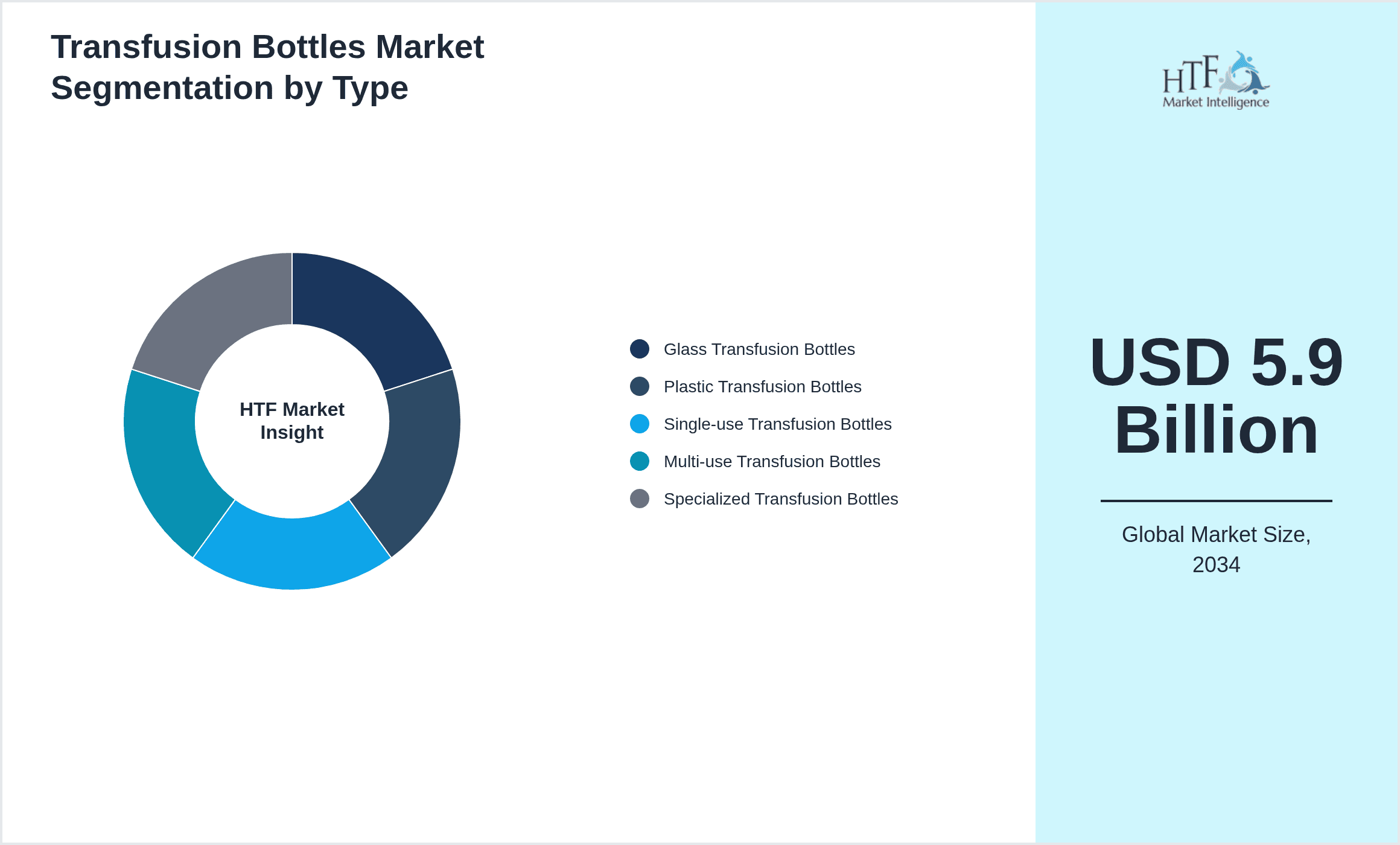
- ◦Glass Transfusion Bottles
- ◦Plastic Transfusion Bottles
- ◦Single-use Transfusion Bottles
- ◦Multi-use Transfusion Bottles
- ◦Specialized Transfusion Bottles
- •By Application
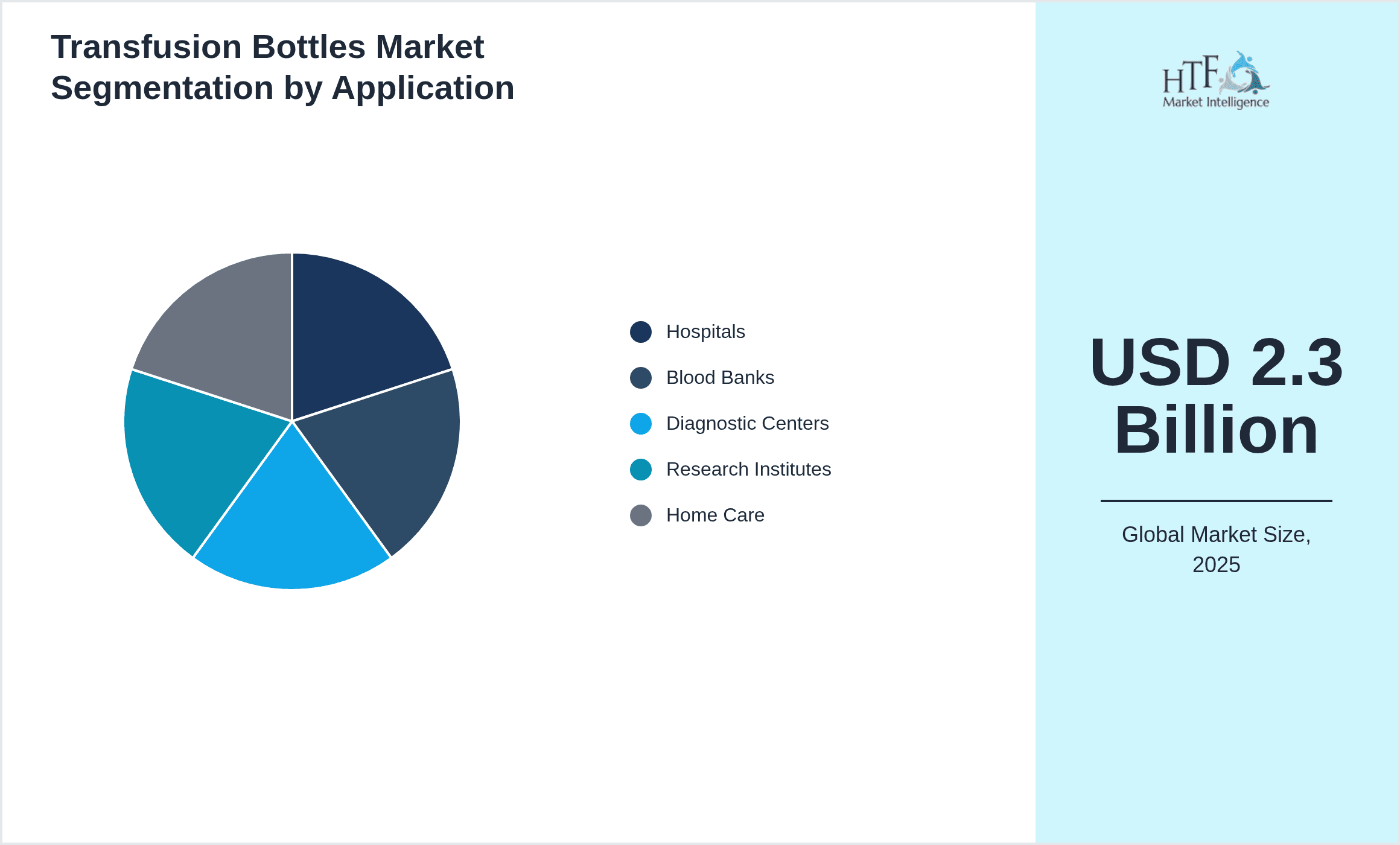
- ◦Hospitals
- ◦Blood Banks
- ◦Diagnostic Centers
- ◦Research Institutes
- ◦Home Care
- •By End User
- ◦Public Healthcare Facilities
- ◦Private Clinics
- ◦Ambulatory Surgical Centers
- ◦Laboratories
- •By Distribution Channel
- ◦Direct Sales
- ◦Distributors
- ◦Online Sales Platforms
Growth Dynamics
- •The rising prevalence of chronic diseases such as cancer and anemia globally has escalated the demand for blood transfusions, thereby driving the growth of the transfusion bottles market. Increasing surgical procedures and trauma cases further augment this demand, especially in developed regions with advanced healthcare infrastructure.
- •Technological innovations in bottle materials, including the transition from glass to lightweight, durable plastic, have improved safety and ease of use, making plastic transfusion bottles the preferred choice among healthcare providers worldwide. This innovation accelerates market expansion and product adoption.
- •Growing awareness about blood donation and transfusion safety in emerging regions, coupled with rising investments in healthcare infrastructure, particularly in Asia-Pacific and Latin America, contributes significantly to market growth and regional penetration.
- •Stringent regulatory standards ensuring the quality and safety of transfusion bottles encourage manufacturers to innovate and comply, fostering market maturity and driving demand for certified products across all regions.
- •Increasing preference for single-use and specialized transfusion bottles to minimize contamination risks enhances market growth by promoting disposable and technologically advanced products that meet specific clinical requirements.
Market Trends
- •The market is witnessing a significant shift towards eco-friendly and biodegradable materials for transfusion bottles, aligning with global sustainability goals and reducing environmental impact from medical waste across healthcare systems.
- •Integration of smart packaging technologies, including RFID tagging and temperature monitoring sensors within transfusion bottles, is emerging to enhance traceability, safety, and compliance in blood management systems globally.
- •Collaborations between medical device manufacturers and healthcare providers have increased to co-develop customized transfusion bottles catering to specific patient needs, improving clinical outcomes and operational efficiency.
- •The rise of home healthcare and ambulatory care services is driving demand for compact and user-friendly transfusion bottles designed for safe blood transfusion outside traditional hospital settings.
- •Emerging markets are witnessing rapid adoption of plastic single-use bottles due to cost advantages and ease of sterilization, influencing global market dynamics and competitive strategies.
Market Opportunities
- •There is substantial growth potential in developing specialized transfusion bottles with enhanced biocompatibility and multi-functionality to serve niche therapeutic areas, opening new revenue streams for manufacturers.
- •Expanding blood transfusion services in underpenetrated regions like the Middle East & Africa presents opportunities for market players to establish distribution networks and educational programs promoting safe transfusion practices.
- •Investments in R&D for smart transfusion bottles incorporating IoT-enabled monitoring can revolutionize blood management, providing real-time data and improving patient safety, thereby creating new market segments.
- •Strategic partnerships and acquisitions among key players can facilitate technology exchange, market expansion, and enhanced product portfolios, driving competitive advantage and global reach.
- •Growing demand for single-use transfusion bottles due to infection control concerns post-pandemic offers significant growth avenues, especially in developed healthcare systems emphasizing patient safety.
Market Challenges
- •High manufacturing costs associated with advanced specialized transfusion bottles limit affordability and adoption in price-sensitive emerging markets, posing a significant growth barrier.
- •Strict regulatory compliance requirements and prolonged approval timelines increase market entry barriers and operational complexities for new entrants and smaller manufacturers.
- •Competition from alternative blood storage solutions and emerging technologies, such as artificial blood substitutes, threatens traditional transfusion bottle demand and necessitates continuous innovation.
- •Environmental concerns about medical waste disposal and recycling challenges associated with plastic bottles necessitate sustainable solutions, requiring significant investment and innovation.
- •Supply chain disruptions and raw material shortages, exacerbated by global events, impact production schedules and increase costs, affecting market stability and growth projections.
Regulatory Framework
- •The period from 2019 to 2024 saw the implementation of the EU Medical Device Regulation (MDR) in 2021, mandating rigorous compliance for transfusion bottle manufacturers, including enhanced safety and performance evaluations, significantly influencing market entry and product lifecycle management.
- •The U.S. Food and Drug Administration (FDA) updated its guidelines on blood collection containers in 2022, requiring manufacturers to demonstrate biocompatibility and sterility through advanced testing, raising quality standards across the North American market.
- •China’s National Medical Products Administration (NMPA) introduced stricter registration and post-market surveillance requirements for medical devices, including transfusion bottles, in 2023 to ensure patient safety and product efficacy in one of the fastest-growing markets.
- •India’s Central Drugs Standard Control Organization (CDSCO) enforced new labeling and traceability regulations in 2020, enhancing transparency and accountability for transfusion bottle manufacturers, impacting domestic and international players operating in the region.
- •Global initiatives promoting sustainable medical device manufacturing and waste management practices have led to voluntary standards and incentives encouraging manufacturers to adopt eco-friendly materials and processes since 2022, shaping future product development strategies.
Market Intelligence
- •15th January 2025, Terumo Corporation launched a next-generation plastic transfusion bottle featuring enhanced durability and biocompatibility designed to reduce blood contamination risks. The product targets hospital blood banks and diagnostic centers globally, aiming to improve transfusion safety and handling efficiency with innovative polymer technology and user-friendly design. This launch underlines Terumo’s commitment to advancing blood transfusion safety and expanding its market footprint through continuous innovation. Source: Terumo Official Press Release
- •3rd March 2025, Fresenius Kabi AG introduced a specialized single-use transfusion bottle equipped with integrated RFID tags for real-time tracking during blood storage and transportation. This innovation enhances traceability and compliance with regulatory standards across Europe and North America. The product is expected to streamline blood management workflows and minimize errors, aligning with digital healthcare trends. Fresenius Kabi’s strategic focus on smart packaging technologies reinforces its leadership in the transfusion bottles market. Source: Fresenius Kabi Corporate News
- •12th May 2025, Becton, Dickinson and Company announced a strategic partnership with a leading IoT firm to develop smart transfusion bottle solutions capable of monitoring blood quality parameters in real time. This collaboration aims to integrate sensor technology into existing transfusion bottles, providing healthcare providers with actionable data to enhance patient safety. The initiative reflects BD’s commitment to digital transformation and innovation in medical device manufacturing. Source: BD Official Announcement
- •28th July 2025, Haemonetics Corporation completed the acquisition of a regional plastic bottle manufacturer to expand its product portfolio and increase manufacturing capacity in Asia-Pacific. This move strengthens Haemonetics’ global supply chain and supports growing demand in emerging markets through localized production and enhanced distribution networks. The acquisition is expected to drive revenue growth and competitive advantage in the transfusion bottles segment. Source: Haemonetics Press Release
Regional Outlook
The North America currently holds a significant share of the market, primarily due to several key factors: increasing consumption rates, a burgeoning population, and robust economic momentum. These elements collectively drive demand, positioning this region as a leader in the market. On the other hand, Asia-Pacific is rapidly emerging as the fastest-growing area within the industry. This remarkable growth can be attributed to swift infrastructure development, the expansion of various industrial sectors, and a marked increase in consumer demand. These dynamics make this region a crucial player in shaping future market growth.
In our report, we cover a comprehensive analysis of the following regions and countries:
- North America
- LATAM
- West Europe
- Central & Eastern Europe
- Northern Europe
- Southern Europe
- East Asia
- Southeast Asia
- South Asia
- Central Asia
- Oceania
- MEA
| Feature | Details |
|---|---|
| Base Year Market Size | USD 2.3 Billion |
| Forecast Year Market Size | USD 5.9 Billion |
| CAGR | 10.2% |
| Forecast Period | 2026 to 2033 |
| YoY Growth | 10.2% |
| Scope of Report | Market is segmented by Type (Glass Transfusion Bottles, Plastic Transfusion Bottles, Single-use Transfusion Bottles, Multi-use Transfusion Bottles, Specialized Transfusion Bottles), Application (Hospitals, Blood Banks, Diagnostic Centers, Research Institutes, Home Care), End User (Public Healthcare Facilities, Private Clinics, Ambulatory Surgical Centers, Laboratories), Distribution Channel (Direct Sales, Distributors, Online Sales Platforms) |
| Regions Covered | North America, LATAM, West Europe, Central & Eastern Europe, Northern Europe, Southern Europe, East Asia, Southeast Asia, South Asia, Central Asia, Oceania, MEA |
| Key Companies | Terumo Corporation (Japan), Fresenius Kabi AG (Germany), Becton, Dickinson and Company (United States), Haemonetics Corporation (United States), Macopharma SA (France), Grifols, S.A. (Spain), Nipro Corporation (Japan), Sartorius AG (Germany), Baxter International Inc. (United States), Kawasumi Laboratories, Inc. (Japan), Sino Biopharmaceutical Limited (China), Haema AG (Germany), Smiths Medical (United Kingdom), Shanghai RAAS Blood Products Co., Ltd. (China), B. Braun Melsungen AG (Germany), Terumo BCT, Inc. (United States), Hangzhou Biotest Biotech Co., Ltd. (China), CellThera, Inc. (United States), MacoPharma USA, Inc. (United States), LFB Group (France), Ningbo Genrui Biotech Co., Ltd. (China), Terumo Medical Corporation (United States), Nipro Europe Group Companies (Europe), JMS Co., Ltd. (Japan), Arterial LLC (United States) |
Global Transfusion Bottles Market Size, Growth & Revenue 2024-2034 - Table of Contents
Frequently Asked Questions (FAQ):
The Compact Track Loaders market is projected to grow at a CAGR of 6.8% from 2025 to 2030, driven by increasing demand in construction and agricultural sectors.
North America currently leads the market with approximately 45% market share, followed by Europe at 28% and Asia-Pacific at 22%. The remaining regions account for 5% of the global market.
Key growth drivers include increasing construction activities, rising demand for versatile equipment in agriculture, technological advancements in track loader design, and growing preference for compact equipment in urban construction projects.