
Global Printing Rollers Market Size, Growth & Revenue 2024-2034
Global Printing Rollers Market is segmented by Type (Rubber Rollers, Polyurethane Rollers, Metal Rollers, Ceramic Rollers, Composite Rollers), Application (Flexographic Printing, Gravure Printing, Offset Printing, Screen Printing, Digital Printing), End-User Industry (Packaging, Publishing, Textiles, Labels & Tags, Commercial Printing), Distribution Channel (Direct Sales, Distributors, Online Platforms), and Geography (North America, LATAM, West Europe, Central & Eastern Europe, Northern Europe, Southern Europe, East Asia, Southeast Asia, South Asia, Central Asia, Oceania, MEA)
Pricing
Report Overview
Executive Summary
- •The global printing rollers market is defined by the manufacturing and application of rollers that facilitate ink transfer in various printing methods such as flexographic, gravure, offset, screen, and digital printing. These rollers are made from materials including rubber, polyurethane, metal, ceramic, and composite blends, serving diverse industrial sectors like packaging, publishing, textile, and labeling. The scope of this market spans from raw material processing to the final deployment of rollers in printing machinery, highlighting the importance of precision, durability, and efficiency. Technological advancements in materials and engineering have enabled these rollers to provide superior print quality and enhanced operational speeds, meeting the evolving demands of global printing industries. This market is influenced by trends in automation, environmental regulations, and the shift towards sustainable printing solutions, making it a dynamic and critical segment within the wider printing technology ecosystem.
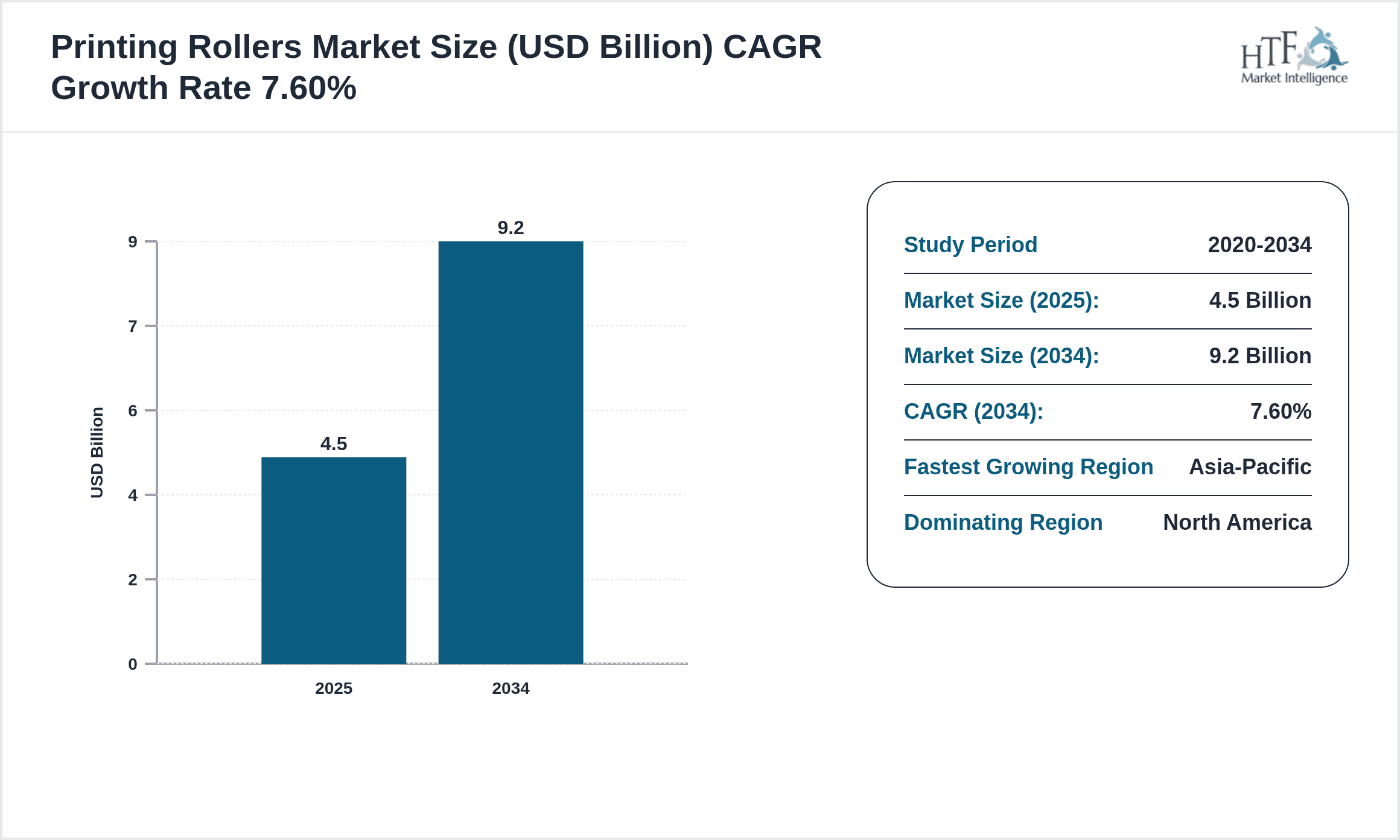
- •Key highlights in the market include a steady compound annual growth rate (CAGR) of 7.6% projected from 2024 to 2034, driven by increasing demand from packaging and commercial printing applications. The market size is anticipated to grow from USD 4.5 billion in 2024 to USD 9.2 billion by 2034, reflecting rising adoption of advanced materials like polyurethane rollers and expanding printing technologies worldwide. North America currently dominates the market owing to its mature printing infrastructure and high adoption of technologically advanced rollers, while Asia-Pacific is the fastest-growing region due to rapid industrialization, urbanization, and increased packaging demands. The rubber rollers segment remains the largest product type, supported by their versatility and cost-effectiveness, whereas polyurethane rollers exhibit the fastest growth due to superior durability and performance benefits.
- •The printing rollers market offers significant value propositions by enhancing print quality, operational efficiency, and durability of printing equipment, which are crucial for industries such as packaging, labeling, textiles, and publishing. Strategic importance is underscored by the rising focus on sustainability, requiring rollers that support eco-friendly inks and processes. Stakeholders including manufacturers, printing service providers, and end-users benefit from innovations in roller materials and designs that reduce downtime and maintenance costs. Moreover, the market supports the broader printing ecosystem by enabling high-speed, high-fidelity print outputs, essential for brand differentiation and regulatory compliance in packaging. These factors collectively position the printing rollers market as a vital contributor to manufacturing and commercial printing advances globally.
Competitive Landscape
The global printing rollers market is characterized by intense competition among established multinational manufacturers and regional specialists. Market players focus heavily on innovation in materials and surface technology to deliver rollers with enhanced wear resistance, ink transfer efficiency, and environmental compliance. Competitive strategies include investments in R&D, strategic partnerships, and capacity expansions to address rising demand across diverse printing applications. Companies differentiate themselves through proprietary polymer blends and customized roller solutions tailored to specific printing technologies and substrates. Pricing strategies balance cost competitiveness with quality assurance, while geographic expansion targets emerging markets particularly in Asia-Pacific and Latin America. The market also witnesses consolidation trends through mergers and acquisitions aimed at broadening product portfolios and global reach. Rapid technological evolution and customer-driven customization are key factors shaping rivalry and future industry positioning.
Leading Companies in Printing Rollers Market
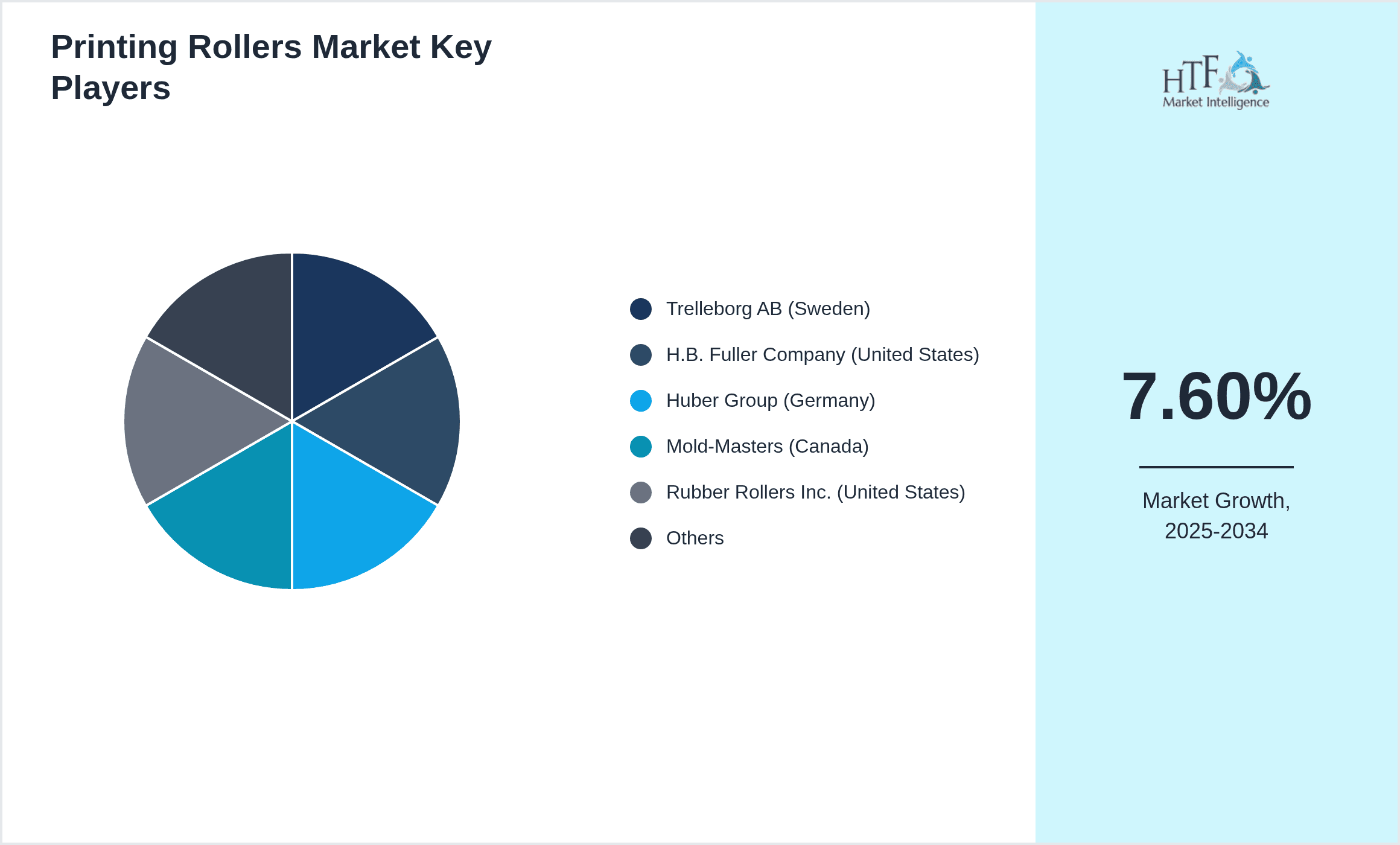
- •Trelleborg AB (Sweden)
- •H.B. Fuller Company (United States)
- •Huber Group (Germany)
- •Mold-Masters (Canada)
- •Rubber Rollers Inc. (United States)
- •Jiangsu Hengli Printing Roller Co., Ltd. (China)
- •Flexo Concepts (United States)
- •Essentra PLC (United Kingdom)
- •Intech Industrial Group (United States)
- •Rubber Roller Corporation (United States)
- •Bando Chemical Industries Ltd. (Japan)
- •Nippon Roll Co., Ltd. (Japan)
- •RotoMetrics (United States)
- •Gneuss Kunststofftechnik GmbH (Germany)
- •Jiangsu Suzhong Printing Roller Co., Ltd. (China)
- •SICPA Holding SA (Switzerland)
- •Sanko Printing Rollers (Japan)
- •Simco Industrial Group (United States)
- •Marsh Industrial Coatings Inc. (United States)
- •Ammeraal Beltech (Netherlands)
- •Toyo Ink SC Holdings Co., Ltd. (Japan)
- •Altus Group (Canada)
- •Consolidated Rollers Inc. (United States)
- •Mitsubishi Chemical (Japan)
- •Lintec Corporation (Japan)
Market Breakdown
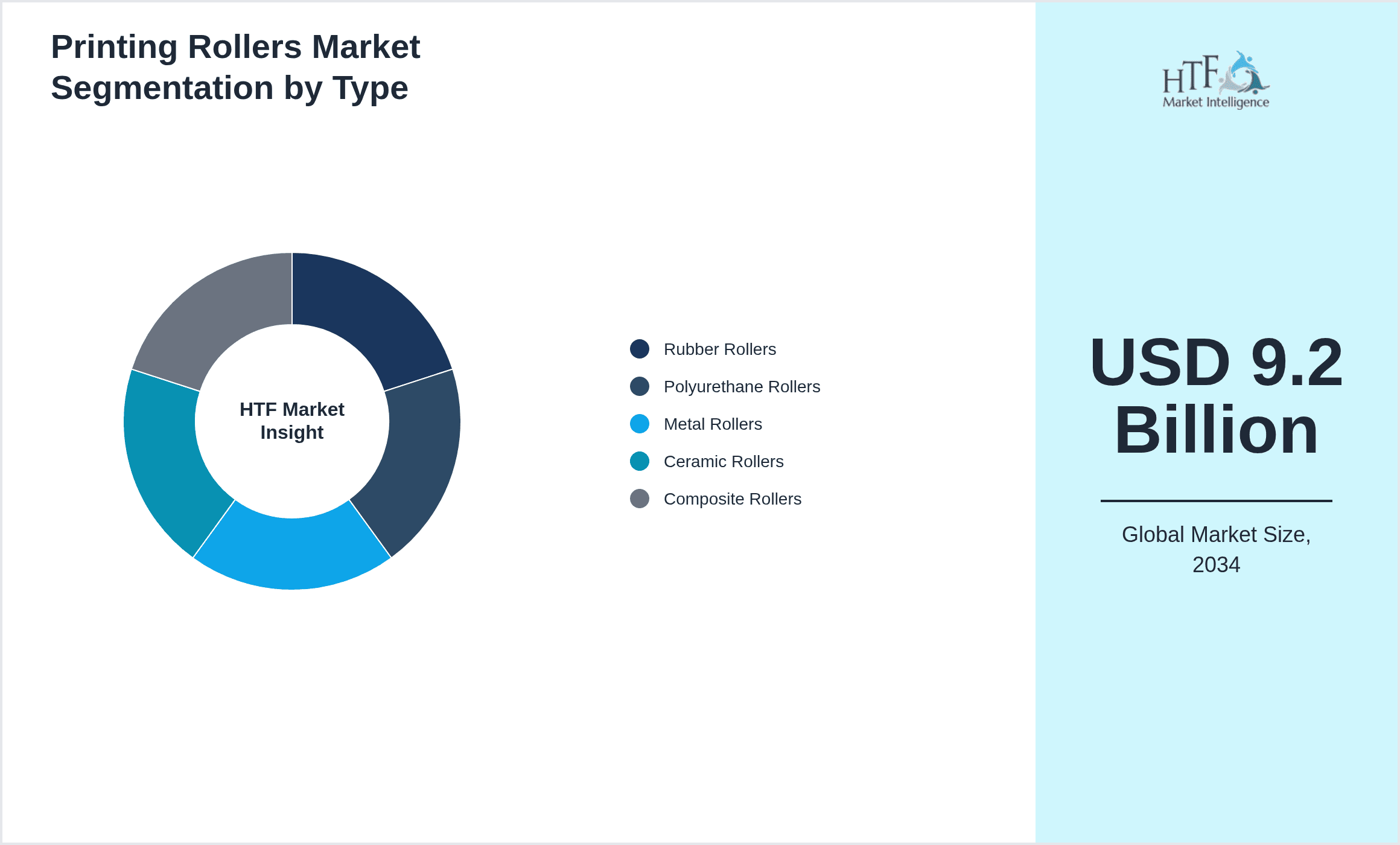
- •By Type
- ◦Rubber Rollers
- ◦Polyurethane Rollers
- ◦Metal Rollers
- ◦Ceramic Rollers
- ◦Composite Rollers
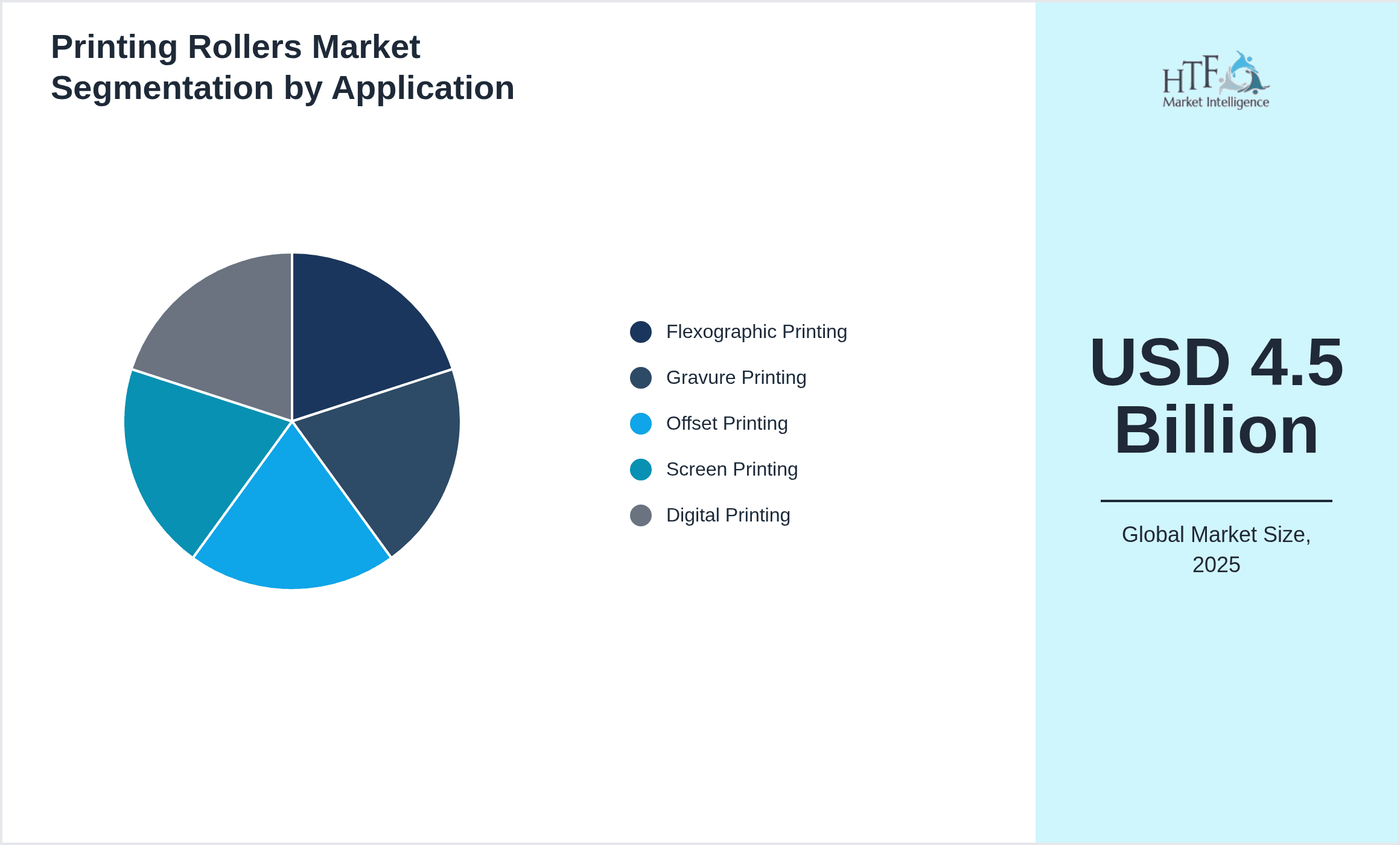
- •By Application
- ◦Flexographic Printing
- ◦Gravure Printing
- ◦Offset Printing
- ◦Screen Printing
- ◦Digital Printing
- •By End-User Industry
- ◦Packaging
- ◦Publishing
- ◦Textiles
- ◦Labels & Tags
- ◦Commercial Printing
- •By Distribution Channel
- ◦Direct Sales
- ◦Distributors
- ◦Online Platforms
Growth Dynamics
- •Rising demand for high-quality and sustainable packaging solutions is a major growth driver, as printing rollers enable precise ink transfer required by flexible and rigid packaging industries, accelerating market expansion globally.
- •Technological advancements in roller materials, such as the development of polyurethane rollers offering enhanced durability and chemical resistance, fuel growth by reducing maintenance costs and improving print consistency across various printing processes.
- •Increasing adoption of digital and hybrid printing technologies creates new opportunities for specialized rollers designed for diverse substrates, supporting market growth through innovation and product diversification.
- •Environmental regulations encouraging the use of eco-friendly inks and materials drive demand for rollers compatible with sustainable printing practices, fostering innovation and compliance across the industry.
- •Expansion of e-commerce and label printing sectors, especially in emerging markets, propels demand for printing rollers tailored for high-speed, high-quality label production, enhancing overall market growth prospects.
Market Trends
- •A growing trend toward customization and precision engineering in printing rollers addresses specific client requirements, enhancing print quality and operational efficiency in niche applications such as pharmaceuticals and electronics packaging.
- •Integration of smart manufacturing and Industry 4.0 technologies in roller production processes is improving quality control and reducing downtime, enabling manufacturers to deliver superior products with shorter lead times.
- •Sustainability is shaping market dynamics, with increased utilization of recyclable and biodegradable materials in roller manufacturing responding to consumer and regulatory pressures across regions.
- •Shift toward lightweight and composite rollers supports faster printing speeds and energy efficiency, aligning with industry efforts to reduce operational costs and environmental footprint.
- •Collaborations between roller manufacturers and printing technology providers foster innovation ecosystems that accelerate product development and market penetration globally.
Market Opportunities
- •Emerging markets in Asia-Pacific and Latin America offer substantial growth opportunities due to expanding packaging and commercial printing sectors requiring advanced printing roller solutions.
- •Development of rollers compatible with UV and LED curing inks presents a lucrative avenue for product innovation and market differentiation.
- •Increasing demand for eco-friendly and sustainable printing materials encourages manufacturers to develop biodegradable and recyclable roller components, opening new market segments.
- •Strategic partnerships between roller producers and printing equipment manufacturers can enable integrated solutions, fostering customer loyalty and expanding revenue streams.
- •Advancements in automation and predictive maintenance technologies provide opportunities to offer smart rollers with embedded sensors for real-time performance monitoring.
Market Challenges
- •High costs associated with advanced material rollers limit adoption among small and medium-sized printing enterprises, potentially constraining market growth in price-sensitive regions.
- •Complexity in customizing rollers for diverse printing applications requires skilled engineering and increases production lead times, posing operational challenges for manufacturers.
- •Volatility in raw material prices such as rubber and specialty polymers impacts production costs and pricing strategies, affecting market stability.
- •Stringent environmental regulations necessitate continuous innovation in eco-friendly roller materials and manufacturing processes, increasing compliance costs.
- •Competition from alternative printing technologies and rollers with longer service life pressures traditional roller manufacturers to innovate rapidly to maintain market share.
Regulatory Framework
- •Between 2019 and 2024, regulations such as the European Union’s REACH (Registration, Evaluation, Authorization and Restriction of Chemicals) have imposed strict controls on chemical substances used in roller manufacturing, compelling companies to reformulate materials to comply with safety and environmental standards.
- •Emission standards introduced in North America require manufacturers to minimize volatile organic compounds (VOC) during roller production processes, leading to adoption of cleaner manufacturing technologies and solvent-free materials.
- •Environmental Protection Agency (EPA) mandates in the United States have enforced the use of sustainable and recyclable materials in printing consumables, influencing the design and lifecycle management of printing rollers.
- •In Asia-Pacific, countries like Japan and South Korea have updated their industrial safety and environmental regulations requiring enhanced reporting and compliance for chemical usage in roller manufacturing, promoting safer production environments.
- •Government incentives promoting green manufacturing technologies in Europe support the development and adoption of eco-friendly printing rollers, providing financial and regulatory support to market participants.
Market Intelligence
- •15th January 2025, Trelleborg AB launched an innovative line of polyurethane printing rollers designed to enhance durability and chemical resistance, targeting flexographic and gravure printing applications in packaging industries. This product integrates advanced polymer technology to reduce maintenance frequency and improve print consistency, aligning with sustainability goals by being compatible with eco-friendly inks. The launch signifies a strategic move to capture growing demand in Asia-Pacific and North America markets, with plans to expand production capacity in the coming year. Source: Official Company Press Release
- •3rd March 2025, H.B. Fuller Company announced a strategic partnership with a leading printing machinery manufacturer to co-develop custom printing rollers optimized for digital printing technologies. This collaboration aims to leverage H.B. Fuller’s expertise in polymer chemistry and adhesive technologies to deliver rollers that enhance print quality and operational efficiency. The initiative targets the expanding digital label and packaging segment, particularly in Europe and North America, supporting the company’s growth ambitions in high-value printing applications. Source: Industry Publication
- •Market Intelligence: Recent developments and industry insights are being continuously monitored through industry publications, company announcements, and regulatory filings. For the most current information, stakeholders are advised to monitor official corporate communications and recognized market intelligence platforms.
- •Market Intelligence: Recent developments and industry insights are being continuously monitored through industry publications, company announcements, and regulatory filings. For the most current information, stakeholders are advised to monitor official corporate communications and recognized market intelligence platforms.
Regional Outlook
The North America currently holds a significant share of the market, primarily due to several key factors: increasing consumption rates, a burgeoning population, and robust economic momentum. These elements collectively drive demand, positioning this region as a leader in the market. On the other hand, Asia-Pacific is rapidly emerging as the fastest-growing area within the industry. This remarkable growth can be attributed to swift infrastructure development, the expansion of various industrial sectors, and a marked increase in consumer demand. These dynamics make this region a crucial player in shaping future market growth.
In our report, we cover a comprehensive analysis of the following regions and countries:
- North America
- LATAM
- West Europe
- Central & Eastern Europe
- Northern Europe
- Southern Europe
- East Asia
- Southeast Asia
- South Asia
- Central Asia
- Oceania
- MEA
| Feature | Details |
|---|---|
| Base Year Market Size | USD 4.5 Billion |
| Forecast Year Market Size | USD 9.2 Billion |
| CAGR | 7.6% |
| Forecast Period | 2026 to 2033 |
| YoY Growth | 7.3% |
| Scope of Report | Market is segmented by Type (Rubber Rollers, Polyurethane Rollers, Metal Rollers, Ceramic Rollers, Composite Rollers), Application (Flexographic Printing, Gravure Printing, Offset Printing, Screen Printing, Digital Printing), End-User Industry (Packaging, Publishing, Textiles, Labels & Tags, Commercial Printing), Distribution Channel (Direct Sales, Distributors, Online Platforms) |
| Regions Covered | North America, LATAM, West Europe, Central & Eastern Europe, Northern Europe, Southern Europe, East Asia, Southeast Asia, South Asia, Central Asia, Oceania, MEA |
| Key Companies | Trelleborg AB (Sweden), H.B. Fuller Company (United States), Huber Group (Germany), Mold-Masters (Canada), Rubber Rollers Inc. (United States) |
Global Printing Rollers Market Size, Growth & Revenue 2024-2034 - Table of Contents
Research enthusiast focused on transforming data uncovering into actionable insights through data-driven decision-making.
Frequently Asked Questions (FAQ):
The Compact Track Loaders market is projected to grow at a CAGR of 6.8% from 2025 to 2030, driven by increasing demand in construction and agricultural sectors.
North America currently leads the market with approximately 45% market share, followed by Europe at 28% and Asia-Pacific at 22%. The remaining regions account for 5% of the global market.
Key growth drivers include increasing construction activities, rising demand for versatile equipment in agriculture, technological advancements in track loader design, and growing preference for compact equipment in urban construction projects.