
Global Offset Printing Machines Market Size, Growth & Revenue 2025-2034
Global Offset Printing Machines Market is segmented by Product Type (Sheet-fed Offset Printing Machines, Web Offset Printing Machines, Blanket-to-Blanket Offset Printing Machines, Blanket-to-Shell Offset Printing Machines, Other Offset Printing Machines), Application (Commercial Printing, Packaging Printing, Label Printing, Publications Printing, Other Applications), Service Type (Installation Services, Maintenance and Repair Services, Upgradation Services, Consultancy Services), Deployment Model (On-Premise, Cloud-Enabled Monitoring, Hybrid), and Geography (North America, LATAM, West Europe, Central & Eastern Europe, Northern Europe, Southern Europe, East Asia, Southeast Asia, South Asia, Central Asia, Oceania, MEA)
Pricing
Report Overview
Executive Summary
- •The global offset printing machines market is defined by the production and distribution of equipment that facilitates high-quality, high-volume printing through the offset technique. This market covers multiple machine types including sheet-fed and web offset technologies, serving a wide array of applications such as commercial printing, packaging, labels, and publications. End users comprise printing service providers, packaging companies, publishers, and advertising firms that rely on offset printing for cost-effective and precise reproduction of printed materials. The value chain includes raw material suppliers, manufacturers, distributors, and service providers ensuring smooth operations and after-sales support. Technological advancements, such as automation and digital integration, continue to enhance machine efficiency and output quality. The market is influenced by the growing demand for customized packaging and printed materials, driven by e-commerce growth and brand marketing initiatives. Despite challenges from digital media substitution, offset printing remains vital due to its ability to produce large volumes with superior quality and cost efficiency. The report analyzes market dynamics, competitive landscape, and regional performance with a forecast period from 2025 to 2034, providing stakeholders with actionable insights for strategic planning and investment.
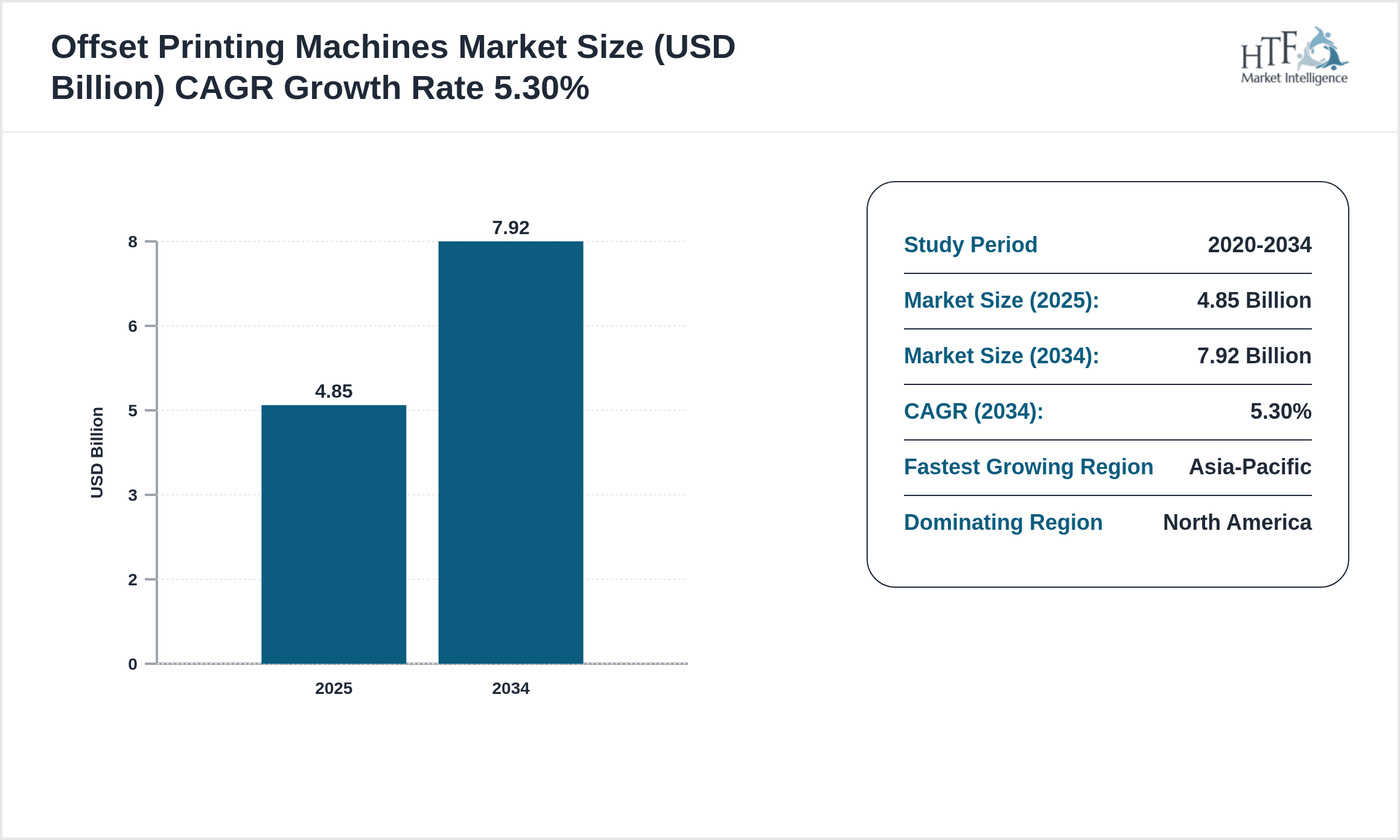
- •Significant market highlights include a projected CAGR of 5.3% between 2025 and 2034, with the market size expected to grow from USD 4.85 billion in 2025 to USD 7.92 billion by 2034. The sheet-fed offset segment currently leads the market in product types, while web offset machines are the fastest growing due to their suitability for high-speed, large-volume printing applications. North America dominates the market by revenue, backed by established printing infrastructure and demand from commercial sectors. Asia-Pacific is identified as the fastest growing region, driven by rapid industrialization, expanding packaging industries, and increasing investments in printing technology. These market trends highlight opportunities for manufacturers and investors to capitalize on evolving customer needs and technological progress within the global printing sector.
- •The offset printing machines market holds strategic importance across industries such as packaging, publishing, and advertising, providing cost-effective solutions for mass printing needs. Its value proposition lies in delivering consistent print quality, scalability for large production runs, and adaptability across various substrates and applications. For stakeholders including manufacturers, distributors, and end users, understanding market trends, regional dynamics, and technological advancements is essential for optimizing operations and enhancing competitiveness. The market’s growth trajectory aligns with broader economic factors such as globalization, urbanization, and evolving consumer preferences, underscoring its critical role in supporting brand communication and product differentiation worldwide.
Competitive Landscape
The global offset printing machines market exhibits a highly competitive environment characterized by the presence of established multinational corporations and specialized regional players. Market dynamics are shaped by continuous innovation in printing technologies, strategic partnerships, and mergers and acquisitions aimed at expanding product portfolios and geographic reach. Competitive strategies emphasize product differentiation through automation, enhanced print quality, and environmental sustainability. Pricing strategies are influenced by raw material costs, technological complexity, and customer customization requirements. Distribution channels range from direct sales to channel partners, ensuring broad market penetration. Technology adoption, such as integration with digital workflows and Industry 4.0 capabilities, provides competitive advantages and operational efficiencies. Market entry barriers include high capital expenditure requirements and the need for technical expertise. Regionally, North America and Europe witness intense competition driven by mature markets, while Asia-Pacific’s emerging economies attract new entrants and local manufacturers. Future trends point to consolidation and increased focus on eco-friendly printing solutions to meet regulatory and consumer demands.
Leading Companies in Offset Printing Machines Market
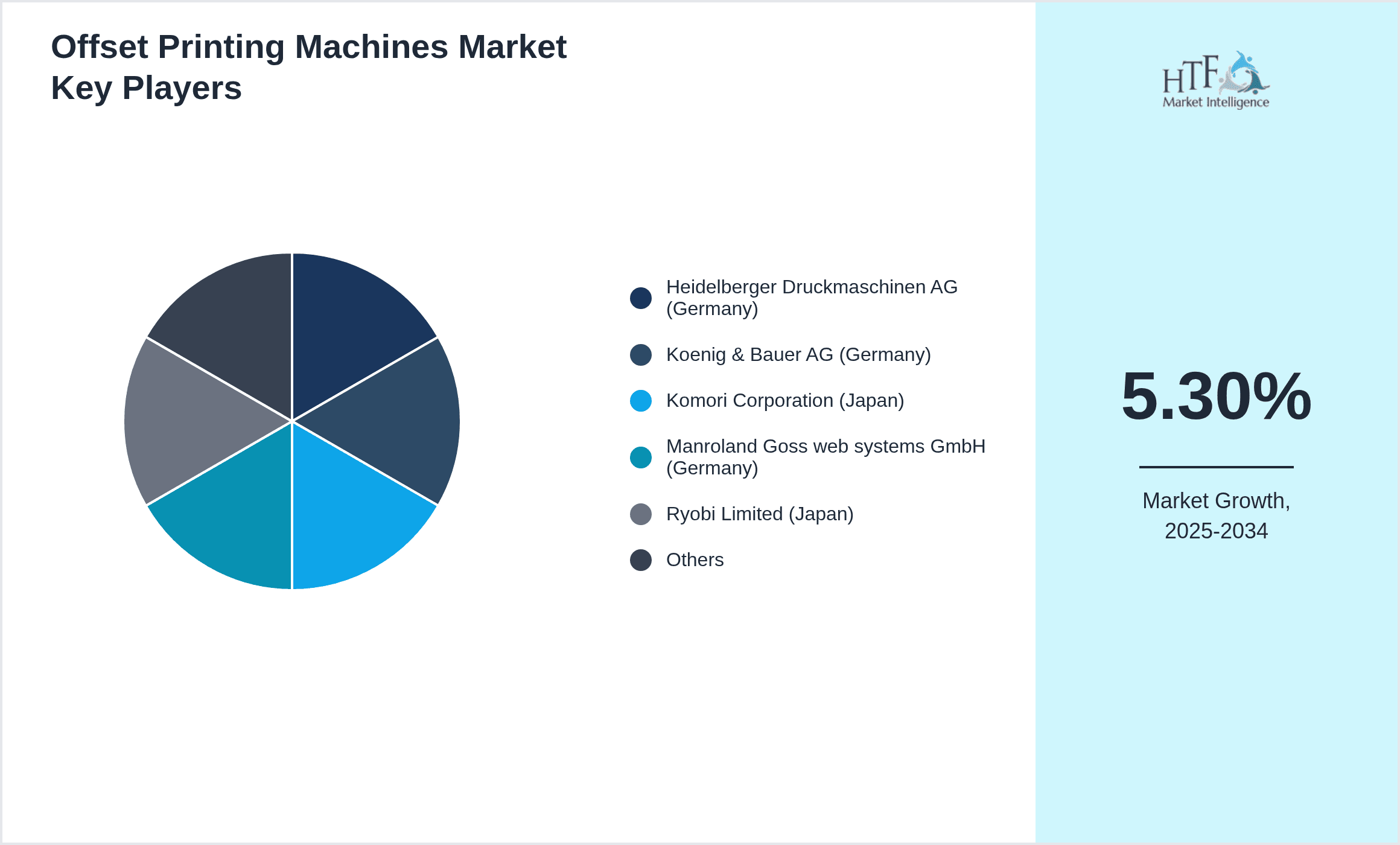
- •Heidelberger Druckmaschinen AG (Germany)
- •Koenig & Bauer AG (Germany)
- •Komori Corporation (Japan)
- •Manroland Goss web systems GmbH (Germany)
- •Ryobi Limited (Japan)
- •Mitsubishi Heavy Industries Printing & Packaging Machinery, Ltd. (Japan)
- •KBA North America (USA)
- •Fujifilm Holdings Corporation (Japan)
- •Sakurai Graphic Systems Corporation (Japan)
- •Toyo Ink SC Holdings Co., Ltd. (Japan)
- •Hamada Printing Machinery Co., Ltd. (Japan)
- •Wifag-Polytype Holding AG (Switzerland)
- •Goss International Corporation (USA)
- •Prinect (Germany)
- •Dainippon Screen Mfg. Co., Ltd. (Japan)
- •Sakurai Graphic Systems Corporation (Japan)
- •KBA-MetalPrint GmbH (Germany)
- •Horizon International Inc. (Japan)
- •Mark Andy, Inc. (USA)
- •SPGPrints (Netherlands)
- •Gallus Ferd. Rüesch AG (Switzerland)
- •Bobst Group SA (Switzerland)
- •TKS Co., Ltd. (Japan)
- •Roland DG Corporation (Japan)
- •Sakurai Graphic Systems Corporation (Japan)
Market Breakdown
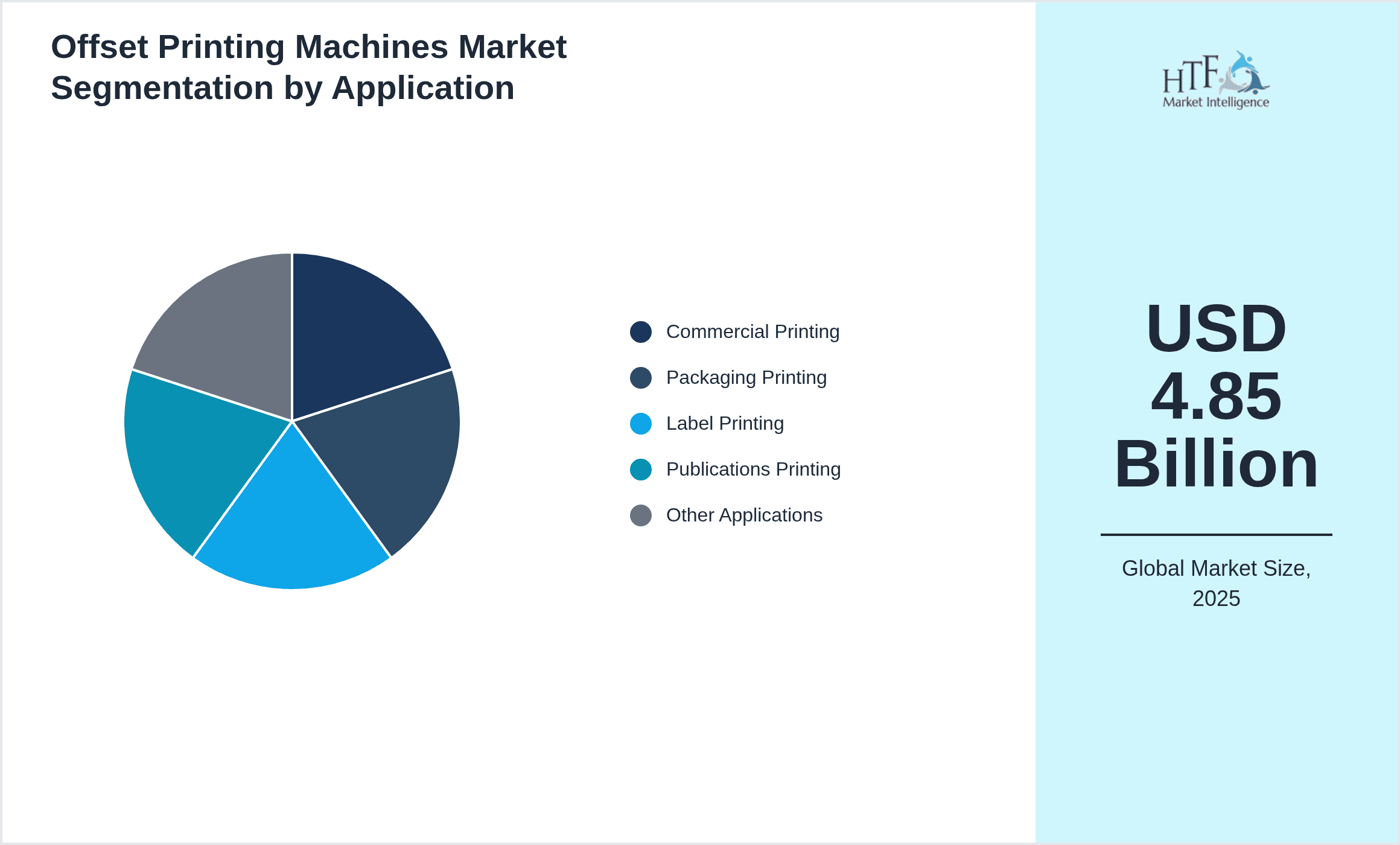
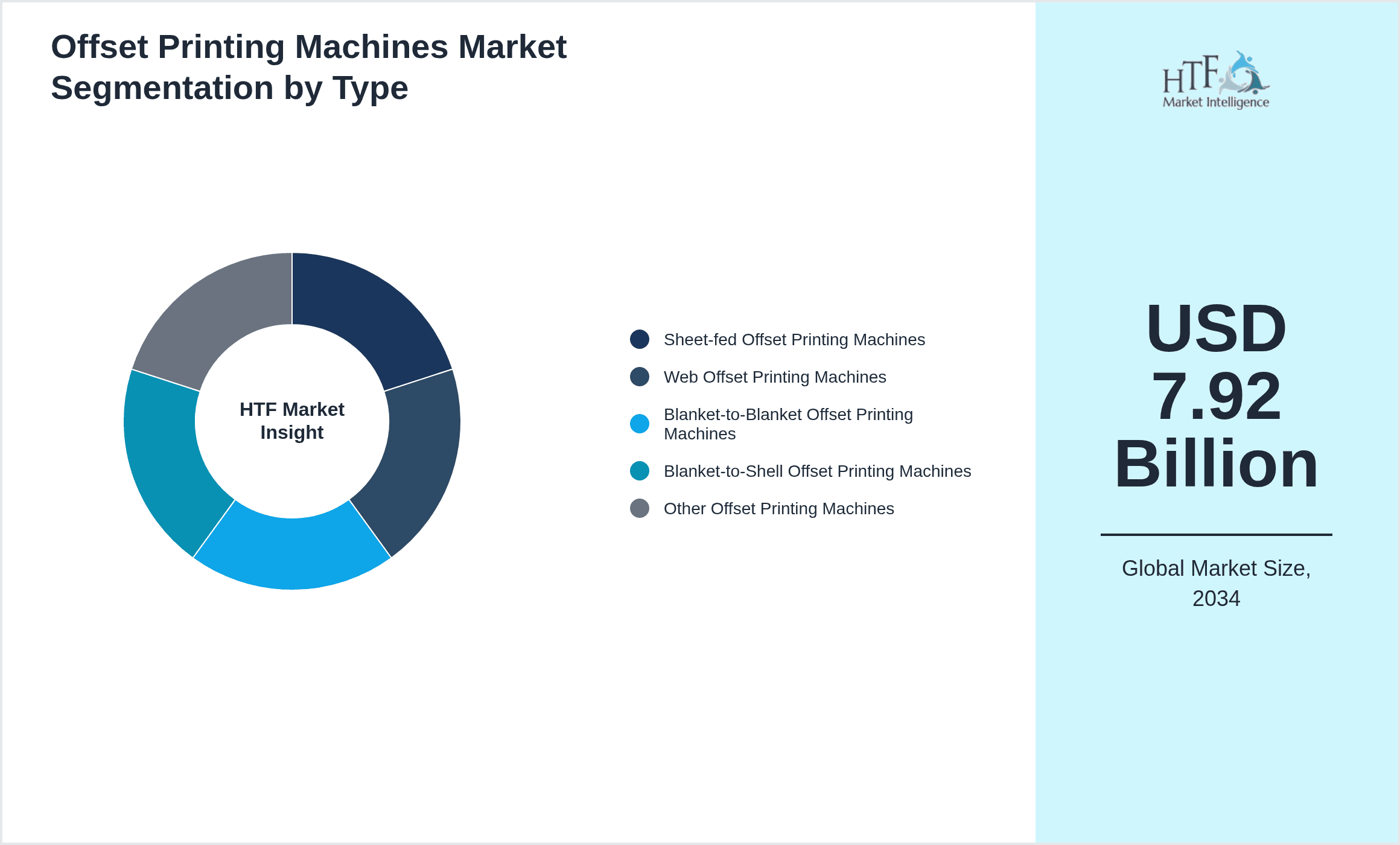
- •By Product Type
- ◦Sheet-fed Offset Printing Machines
- ◦Web Offset Printing Machines
- ◦Blanket-to-Blanket Offset Printing Machines
- ◦Blanket-to-Shell Offset Printing Machines
- ◦Other Offset Printing Machines
- •By Application
- ◦Commercial Printing
- ◦Packaging Printing
- ◦Label Printing
- ◦Publications Printing
- ◦Other Applications
- •By Service Type
- ◦Installation Services
- ◦Maintenance and Repair Services
- ◦Upgradation Services
- ◦Consultancy Services
- •By Deployment Model
- ◦On-Premise
- ◦Cloud-Enabled Monitoring
- ◦Hybrid
Growth Dynamics
- •The rising demand for sustainable and eco-friendly printing technologies is propelling investments towards offset printing machines that utilize environmentally responsible inks and energy-efficient operations. Companies are adopting greener processes to comply with tightening environmental regulations and to meet consumer expectations, thereby driving market growth globally.
- •Technological advancements such as automation, digital integration, and enhanced color management capabilities are improving operational efficiency and print quality. These innovations enable faster setup times and reduced waste, making offset printing machines more attractive to commercial and packaging printers seeking cost-effective solutions.
- •The expanding packaging industry, fueled by e-commerce and consumer product diversification, is significantly boosting demand for offset printing machines. The need for high-quality, customizable packaging solutions aligns well with the capabilities of advanced offset machinery, encouraging adoption in key regions like Asia-Pacific and North America.
- •Growing urbanization and increased marketing activities are increasing the volumes of printed materials such as brochures, flyers, and magazines, sustaining demand for offset printing despite digital alternatives. This trend is particularly evident in emerging economies where print media remains a primary communication channel.
- •Investment in smart manufacturing and Industry 4.0 initiatives by printing companies is driving the integration of IoT and real-time monitoring systems in offset printing machines. This enhances predictive maintenance and reduces downtime, thereby increasing machine utilization and customer satisfaction.
- •Manufacturers are focusing on developing compact, modular offset printing machines to cater to small and medium enterprises, expanding the market base. This trend supports adoption in regions with growing SME sectors, adding new revenue streams for industry players.
- •Strategic collaborations between offset machine manufacturers and ink and substrate suppliers are fostering innovation and tailored solutions, enabling end users to optimize print quality and operational efficiency. Such partnerships are critical for market expansion and technological leadership.
Market Trends
- •Automation of offset printing machines is becoming mainstream, with manufacturers integrating robotic plate changing and automated color control systems to reduce manual intervention and improve productivity. This trend is reshaping workflows and decreasing operational costs for printing service providers worldwide.
- •There is increasing adoption of hybrid printing systems combining offset and digital printing technologies, offering flexibility for short-run jobs without compromising on quality. This innovation addresses customer demands for quick turnaround times and customization, expanding market opportunities.
- •Sustainability initiatives are influencing market trends with a growing focus on reducing VOC emissions, utilizing recyclable materials, and adopting waterless offset printing technologies. These developments align with global environmental goals and regulatory pressures, enhancing market acceptance.
- •The packaging sector’s growth is driving demand for specialty offset printing machines capable of handling diverse substrates such as corrugated board, flexible films, and metallic foils, reflecting a trend towards diversification in offset applications.
- •Integration of cloud-based monitoring and predictive analytics in offset printing machines is gaining traction, enabling remote diagnostics and optimizing maintenance schedules. This digital transformation trend improves machine uptime and lifecycle management.
- •Emerging markets in Asia-Pacific and Latin America are witnessing rapid adoption of offset machines due to increasing industrialization and demand for printed packaging and labels, marking a shift in global market dynamics.
- •Manufacturers are increasingly offering customizable machine configurations and modular designs to meet specific customer requirements, reflecting a trend toward personalized printing solutions and enhanced customer experience.
Market Opportunities
- •Expanding e-commerce globally creates opportunities for offset printing machines in packaging applications, where demand for high-quality, customized printed packaging materials is rising. This sector offers significant growth potential for manufacturers and service providers.
- •Emerging economies in Asia-Pacific and Latin America present untapped markets with growing industrial bases and rising consumer spending, providing avenues for market expansion and increased adoption of offset printing technologies.
- •Investments in R&D for developing waterless and UV offset printing technologies offer opportunities to cater to environmentally conscious customers and comply with stringent regulations, creating differentiation in a competitive market.
- •The trend towards digital integration and smart factory solutions in printing operations opens opportunities for manufacturers to offer IoT-enabled offset printing machines with real-time data analytics, enhancing value propositions.
- •Growing demand for short-run and personalized printing solutions encourages development of hybrid offset-digital machines, enabling manufacturers to capture diverse customer segments and increase market share.
- •Partnerships with packaging and ink suppliers to provide comprehensive printing solutions can create bundled offerings, improving customer loyalty and driving incremental revenue streams.
- •Increasing adoption of modular and scalable offset printing systems by SMEs presents opportunities to target this expanding customer base with cost-effective and flexible equipment options.
Market Challenges
- •The growing penetration of digital printing technologies poses a significant challenge to the offset printing machines market, particularly in short-run and on-demand printing segments, pressuring traditional offset adoption.
- •High capital investment requirements and complex operational expertise needed for offset machines limit market penetration among small-scale printers, especially in developing regions with budget constraints.
- •Fluctuating prices and availability of raw materials such as printing plates, inks, and substrates can impact production costs and profitability for offset printing machine manufacturers and end users.
- •Environmental regulations on VOC emissions and waste management impose compliance costs and necessitate continuous technological upgrades, challenging manufacturers and operators to balance sustainability with cost efficiency.
- •Supply chain disruptions and logistical challenges, exacerbated by global events, affect timely delivery of machinery components and spare parts, impacting production schedules and customer satisfaction.
- •Skilled labor shortages and the need for specialized training in operating advanced offset printing machines hinder market growth and operational effectiveness, especially in emerging markets.
- •Competition from refurbished and low-cost imported machines pressures pricing and margins, challenging original equipment manufacturers to maintain market share and profitability.
Regulatory Framework
- •Between 2020 and 2025, multiple environmental regulations targeting volatile organic compounds (VOC) emissions from printing operations were enacted globally, requiring manufacturers and operators to adopt low-VOC inks and improve machine emission controls to comply. This has significantly influenced product development and operational practices in the offset printing machines market.
- •Regulatory mandates such as the European Union’s REACH regulation imposed strict chemical usage and safety standards, compelling offset machine manufacturers to source compliant materials and design machines that minimize hazardous emissions, thereby impacting market dynamics and product innovation.
- •Occupational health and safety regulations introduced in North America and Europe between 2020 and 2025 emphasized worker safety during machine operation, leading to stricter machine design standards and increased adoption of automation to reduce manual intervention and risk exposure.
- •Data privacy and cybersecurity regulations related to cloud-enabled printing technologies have emerged, requiring manufacturers to implement robust data protection mechanisms in IoT-enabled offset printing machines to safeguard customer information and operational data.
- •Government incentives and subsidies in emerging markets aimed at modernizing manufacturing infrastructure have encouraged adoption of advanced offset printing machines, fostering market growth and technological upgrading in regions like Asia-Pacific and Latin America.
Market Intelligence
- •15th January 2025, Heidelberger Druckmaschinen AG launched its new Speedmaster CX 104 series, featuring advanced automation and cloud connectivity designed to optimize production workflows for commercial printers. The machine integrates real-time monitoring and predictive maintenance capabilities, enhancing uptime and reducing waste. This launch targets mid to large-size printing houses seeking increased efficiency and sustainability in offset printing. The new model supports a wide variety of substrates, including eco-friendly materials, aligning with growing market demand for sustainable printing solutions. Heidelberger’s strategic focus on digital integration positions it to capitalize on Industry 4.0 trends within the offset printing market. Source: Heidelberger Official Press Release
- •10th March 2025, Koenig & Bauer AG introduced its RotaJET 76 digital hybrid press, combining offset printing quality with digital flexibility, aimed at packaging and label printing segments. The innovation addresses the demand for short runs and personalized print jobs while maintaining high throughput. Equipped with automated plate changing and inline quality control, the machine reduces setup times and improves cost efficiency. Koenig & Bauer’s initiative reflects a strategic shift towards hybrid printing technologies to retain competitiveness in a digitalizing market landscape. The product launch is expected to influence market dynamics by bridging offset and digital printing capabilities. Source: Koenig & Bauer Corporate Announcement
- •22nd April 2025, Komori Corporation announced a partnership with Fujifilm Holdings Corporation to co-develop UV offset printing machines with enhanced color vibrancy and reduced environmental impact. The collaboration aims to integrate Fujifilm’s proprietary UV ink technologies with Komori’s advanced offset press platforms, targeting packaging and specialty printing applications. This initiative is expected to accelerate adoption of environmentally friendly printing solutions and strengthen both companies’ market positions globally. The partnership reflects a broader industry trend towards sustainable innovation and collaborative R&D to meet evolving customer requirements. Source: Komori and Fujifilm Joint Press Release
- •5th June 2025, Manroland Goss web systems GmbH completed acquisition of a regional printing equipment distributor in Southeast Asia to expand its market presence in the fast-growing Asia-Pacific region. The acquisition includes service and maintenance operations, enhancing Manroland’s ability to provide localized support and faster response times. This strategic move aligns with the company’s growth plans targeting emerging markets with increasing demand for web offset printing machines. The acquisition is anticipated to improve competitive positioning and customer engagement in a critical growth geography. Source: Manroland Goss Official Statement
Regional Outlook
The North America currently holds a significant share of the market, primarily due to several key factors: increasing consumption rates, a burgeoning population, and robust economic momentum. These elements collectively drive demand, positioning this region as a leader in the market. On the other hand, Asia-Pacific is rapidly emerging as the fastest-growing area within the industry. This remarkable growth can be attributed to swift infrastructure development, the expansion of various industrial sectors, and a marked increase in consumer demand. These dynamics make this region a crucial player in shaping future market growth.
In our report, we cover a comprehensive analysis of the following regions and countries:
- North America
- LATAM
- West Europe
- Central & Eastern Europe
- Northern Europe
- Southern Europe
- East Asia
- Southeast Asia
- South Asia
- Central Asia
- Oceania
- MEA
| Feature | Details |
|---|---|
| Base Year Market Size | USD 4.85 Billion |
| Forecast Year Market Size | USD 7.92 Billion |
| CAGR | 5.3% |
| Forecast Period | 2026 to 2033 |
| YoY Growth | 5.14% |
| Scope of Report | Market is segmented by Product Type (Sheet-fed Offset Printing Machines, Web Offset Printing Machines, Blanket-to-Blanket Offset Printing Machines, Blanket-to-Shell Offset Printing Machines, Other Offset Printing Machines), Application (Commercial Printing, Packaging Printing, Label Printing, Publications Printing, Other Applications), Service Type (Installation Services, Maintenance and Repair Services, Upgradation Services, Consultancy Services), Deployment Model (On-Premise, Cloud-Enabled Monitoring, Hybrid) |
| Regions Covered | North America, LATAM, West Europe, Central & Eastern Europe, Northern Europe, Southern Europe, East Asia, Southeast Asia, South Asia, Central Asia, Oceania, MEA |
| Key Companies | Heidelberger Druckmaschinen AG (Germany), Koenig & Bauer AG (Germany), Komori Corporation (Japan), Manroland Goss web systems GmbH (Germany), Ryobi Limited (Japan), Mitsubishi Heavy Industries Printing & Packaging Machinery, Ltd. (Japan), KBA North America (USA), Fujifilm Holdings Corporation (Japan), Sakurai Graphic Systems Corporation (Japan), Toyo Ink SC Holdings Co., Ltd. (Japan), Hamada Printing Machinery Co., Ltd. (Japan), Wifag-Polytype Holding AG (Switzerland), Goss International Corporation (USA), Prinect (Germany), Dainippon Screen Mfg. Co., Ltd. (Japan), Sakurai Graphic Systems Corporation (Japan), KBA-MetalPrint GmbH (Germany), Horizon International Inc. (Japan), Mark Andy, Inc. (USA), SPGPrints (Netherlands), Gallus Ferd. Rüesch AG (Switzerland), Bobst Group SA (Switzerland), TKS Co., Ltd. (Japan), Roland DG Corporation (Japan), Sakurai Graphic Systems Corporation (Japan) |
Global Offset Printing Machines Market Size, Growth & Revenue 2025-2034 - Table of Contents
Research enthusiast focused on transforming data uncovering into actionable insights through data-driven decision-making.
Frequently Asked Questions (FAQ):
The Compact Track Loaders market is expected to see value worth 5.3 Billion in 2025.
North America currently leads the market with approximately 45% market share, followed by Europe at 28% and Asia-Pacific at 22%. The remaining regions account for 5% of the global market.
Key growth drivers include increasing construction activities, rising demand for versatile equipment in agriculture, technological advancements in track loader design, and growing preference for compact equipment in urban construction projects.