
Southeast Asia Hemp Yarn Market Scope & Changing Dynamics 2025-2034
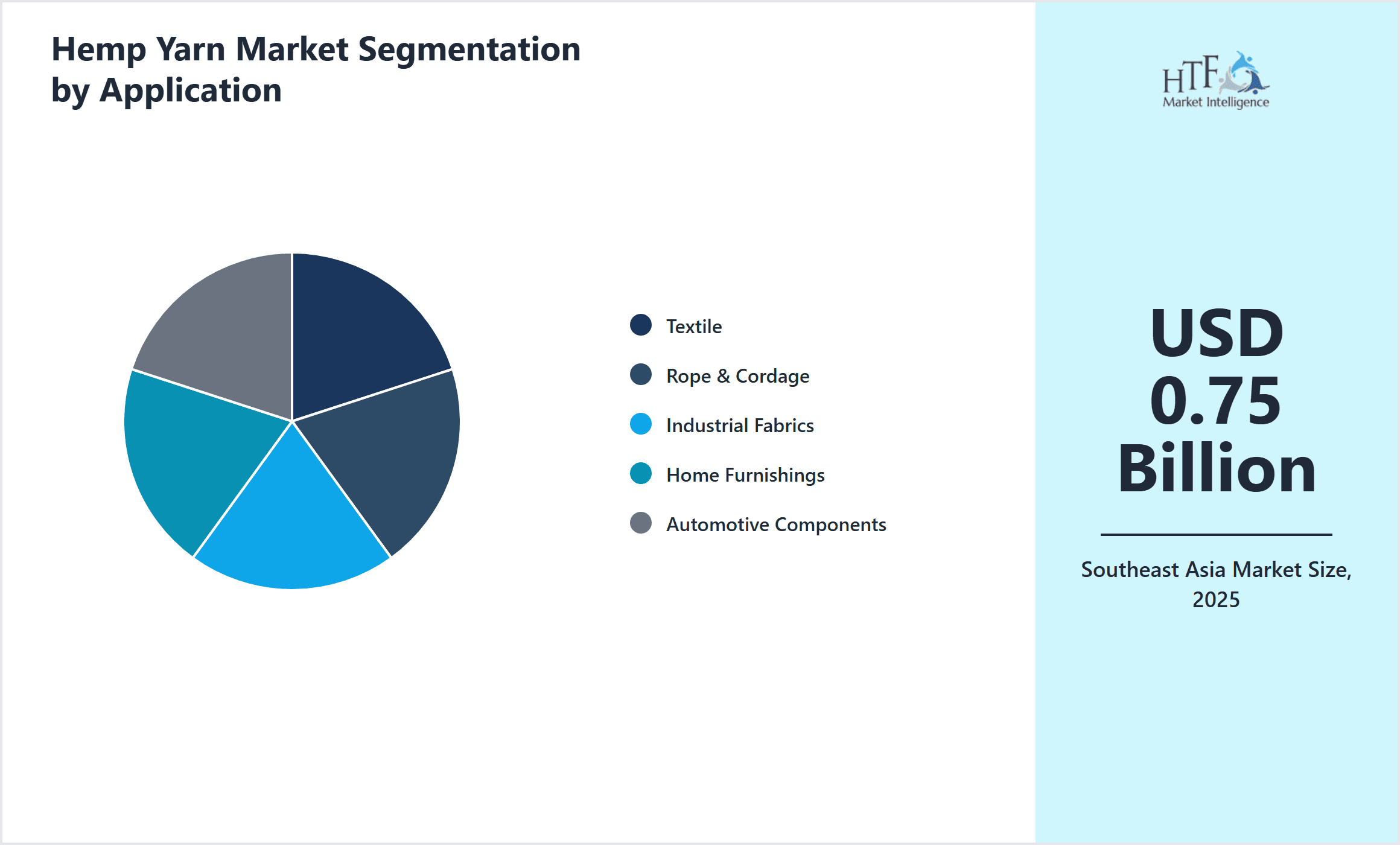
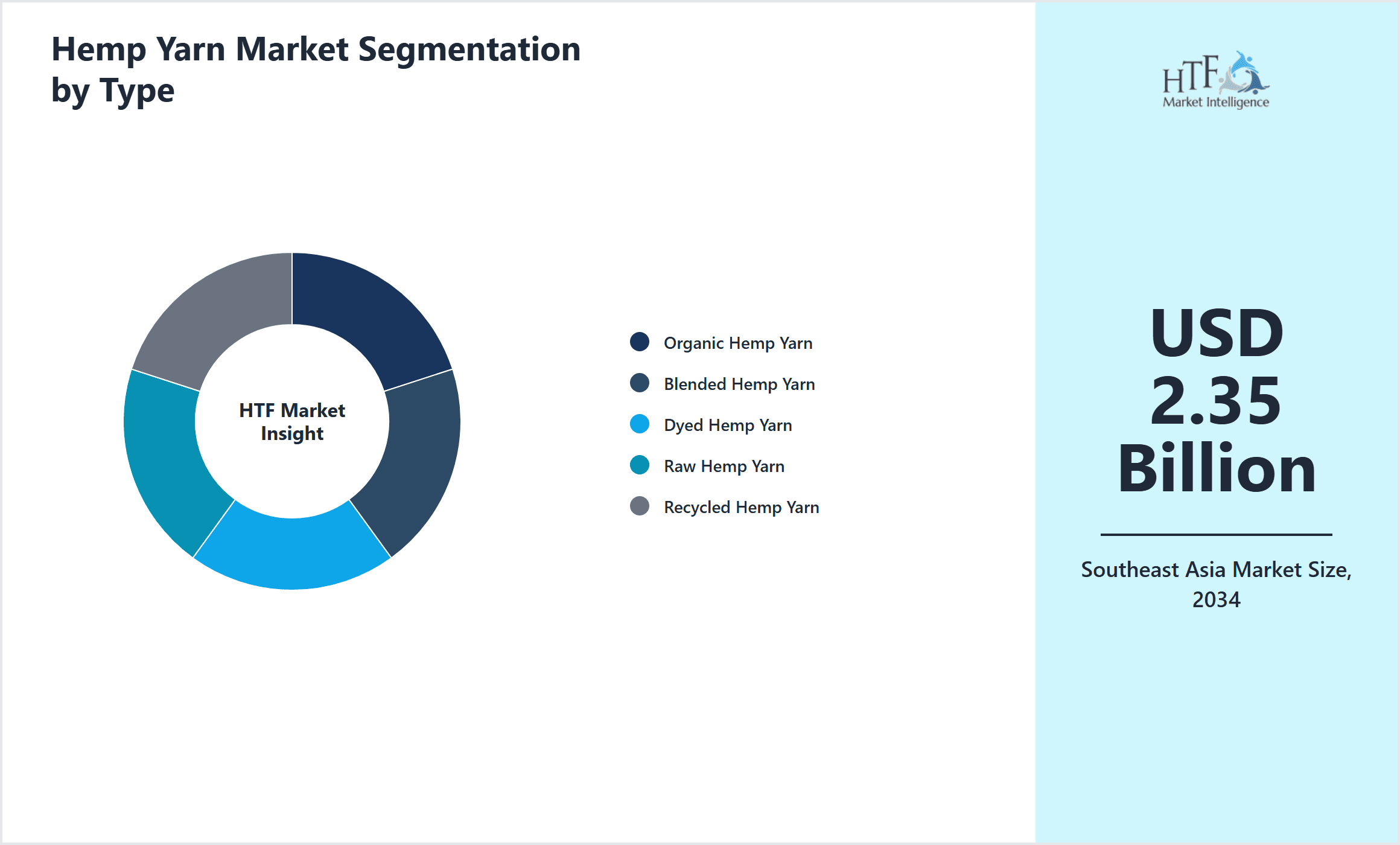
Southeast Asia Hemp Yarn Market is segmented by Application (Textile, Rope & Cordage, Industrial Fabrics, Home Furnishings, Automotive Components), Type (Organic Hemp Yarn, Blended Hemp Yarn, Dyed Hemp Yarn, Raw Hemp Yarn, Recycled Hemp Yarn), and Geography (Singapore, Malaysia, Thailand, Indonesia, Vietnam, Philippines, Others)
Pricing
Report Overview
Executive Summary
- •The Southeast Asia Hemp Yarn market covers the comprehensive ecosystem of hemp-based yarn production and consumption across key countries like Indonesia, Thailand, Vietnam, Malaysia, and the Philippines. It includes various hemp yarn types such as organic, blended, dyed, raw, and recycled yarns used across applications including textiles, rope and cordage, industrial fabrics, home furnishings, and automotive components. The market’s scope extends from hemp cultivation and fiber processing to yarn spinning and distribution, with an increasing focus on sustainability and eco-friendly materials. Growing demand for natural fibers in apparel and industrial sectors has positioned hemp yarn as a viable alternative to synthetic yarns. The market is supported by technological advancements in yarn manufacturing and finishing, regulatory frameworks encouraging hemp cultivation, and rising consumer awareness about environmental impact. Key end users comprise textile manufacturers, industrial fabric producers, automotive suppliers, and home furnishing makers, all seeking high-quality hemp yarns for durable, sustainable products. The value chain encapsulates hemp farming, fiber extraction, yarn processing, and final product manufacturing, highlighting the interdependence of agricultural and industrial stakeholders. This market is poised for robust growth driven by a shift toward green materials, expanding applications, and government initiatives promoting hemp-based economies. Southeast Asia’s favorable climatic conditions and emerging industrial infrastructure further catalyze the hemp yarn market’s expansion through 2034.
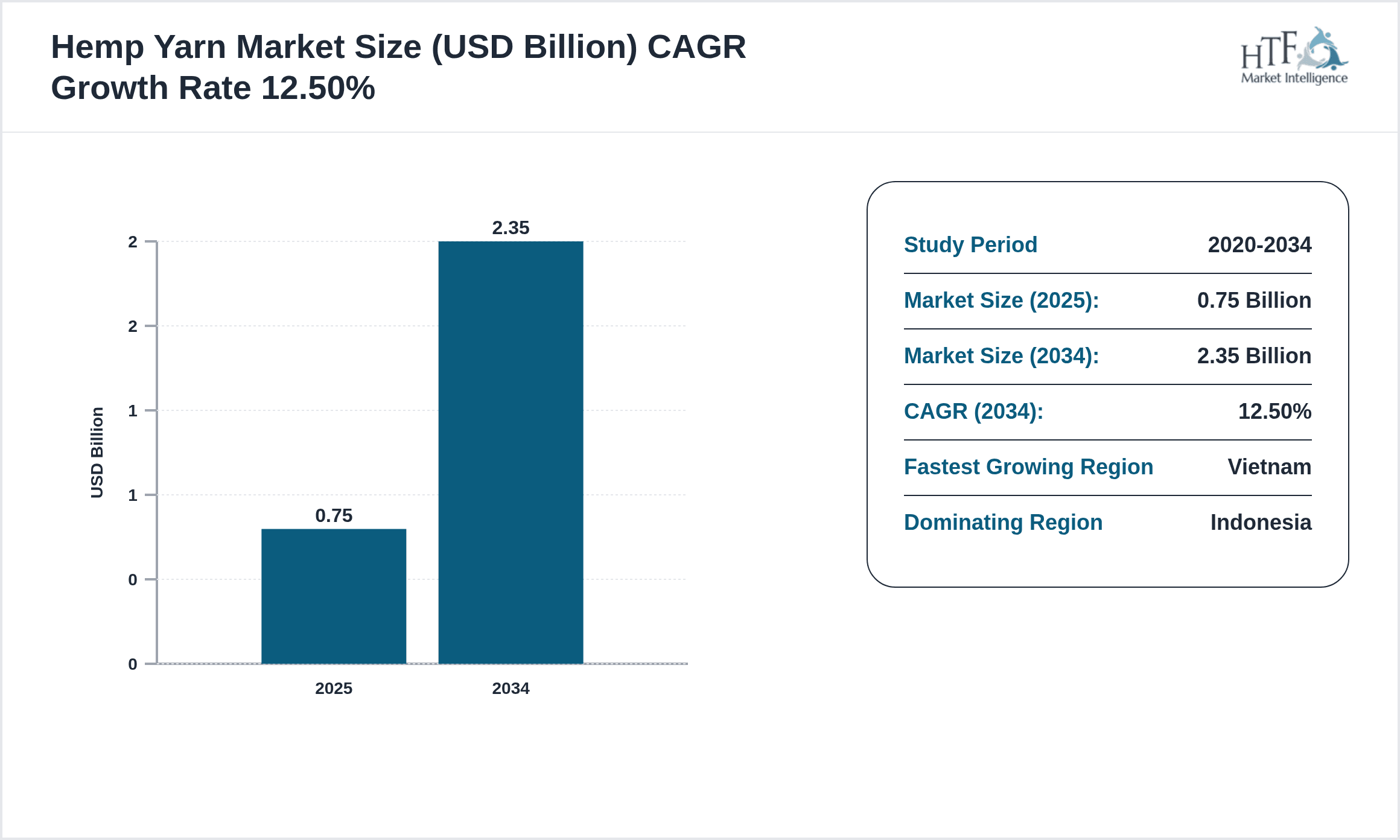
- •Key highlights of the Southeast Asia Hemp Yarn market include a base market size of USD 0.75 Billion in 2025, forecasted to reach USD 2.35 Billion by 2034, reflecting a CAGR of 12.5%. The market is witnessing accelerating adoption of organic hemp yarn due to its superior eco-friendly credentials and mechanical properties. Vietnam is identified as the fastest-growing country driven by increased hemp cultivation and textile industry modernization. Indonesia remains the dominating market due to its established hemp farming practices and large manufacturing base. Technological innovations in blending hemp with other natural and synthetic fibers are creating new avenues for product differentiation. Government policies favoring sustainable agriculture and textile exports are also instrumental in market growth. The increasing use of hemp yarn in automotive components and home furnishings signals diversification of applications, providing resilience against market volatility.
- •The Southeast Asia Hemp Yarn market presents a compelling value proposition for manufacturers, investors, and stakeholders aiming to capitalize on the global shift towards sustainability. By offering a renewable, biodegradable alternative to conventional yarns, hemp yarn aligns with environmental regulations and consumer preferences for green products. Strategic importance lies in integrating hemp yarn into diverse end-use sectors to enhance product durability and environmental footprint. The market supports economic development through rural agriculture upliftment, industrial growth, and export opportunities. Enhanced R&D efforts focusing on yarn processing and application expansion will further strengthen competitive positioning. Overall, the Southeast Asia Hemp Yarn market is a critical component of the region’s sustainable textile and industrial fabric industries, driving innovation and responsible growth.
Competitive Landscape
The Southeast Asia Hemp Yarn market exhibits a competitive environment characterized by a mix of established fiber producers, emerging local manufacturers, and international entrants targeting the region’s growing demand for sustainable yarns. Market dynamics are driven by technological innovation in fiber processing, blending techniques, and finishing methods that enhance yarn quality and usability. Competitive strategies include product differentiation through organic and recycled yarn offerings, strategic partnerships with textile manufacturers, and expansion into automotive and home furnishing sectors. Market positioning varies from cost leadership in raw hemp yarn supply to premium branding of specialized blended yarns. Innovation plays a pivotal role with companies investing in R&D for yarn strength improvement and eco-friendly dyeing solutions. Strategic partnerships and collaborations with hemp cultivators and textile firms provide supply chain integration advantages. M&A activities, though limited, focus on consolidating supply capabilities and expanding geographic reach within Southeast Asia. Pricing strategies balance raw material costs with value-added yarn features to address diverse customer segments. Distribution channels span direct sales to manufacturers and partnerships with textile distributors, facilitating market penetration. Regional competition is influenced by country-specific hemp cultivation policies and infrastructure development levels, shaping market entry barriers and growth opportunities. Future trends point towards increased automation in yarn production and enhanced sustainability certifications, intensifying competitive differentiation.
Leading Companies in Southeast Asia Hemp Yarn Market
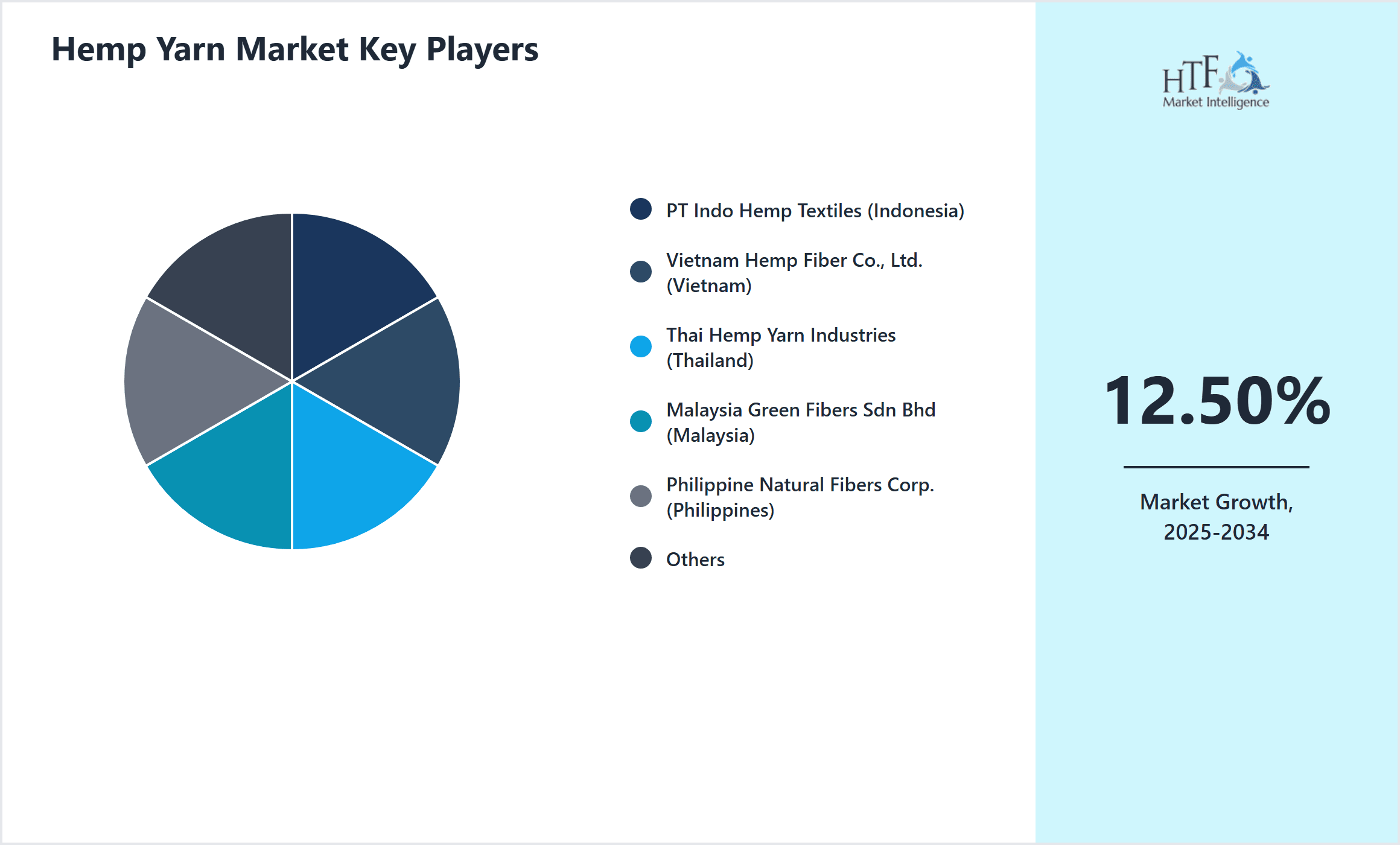
- •PT Indo Hemp Textiles (Indonesia)
- •Vietnam Hemp Fiber Co., Ltd. (Vietnam)
- •Thai Hemp Yarn Industries (Thailand)
- •Malaysia Green Fibers Sdn Bhd (Malaysia)
- •Philippine Natural Fibers Corp. (Philippines)
- •Green Fiber Solutions Pte Ltd (Singapore)
- •Hemp Blend Asia Co. (Thailand)
- •EcoTextile Innovations Ltd. (Vietnam)
- •Southeast Hemp Yarns Ltd. (Indonesia)
- •NaturWeave Hemp Fibers (Malaysia)
- •Bamboo & Hemp Yarn Co. (Philippines)
- •Asian Hemp Fiber Industries (Thailand)
- •Sustainable Yarns Asia (Vietnam)
- •GreenThread Textiles (Indonesia)
- •HempCraft Southeast Asia (Malaysia)
- •EcoFiber Solutions (Philippines)
- •Natural Yarn Makers Pte Ltd (Singapore)
- •Thai Organic Hemp Yarns (Thailand)
- •Viethamp Textiles (Vietnam)
- •IndoGreen Fibers (Indonesia)
- •Malaysia Hemp Yarn Co. (Malaysia)
- •Philippine Hemp Fiber Works (Philippines)
- •Green Weave Enterprises (Singapore)
- •Southeast Asia Hemp Yarn Solutions (Thailand)
- •VietEco Textiles (Vietnam)
Hemp Yarn Market Segmentation by Product Type, Applications, Service & Deployment in Southeast Asia
- •By Product Type
- ◦Organic Hemp Yarn
- ◦Blended Hemp Yarn
- ◦Dyed Hemp Yarn
- ◦Raw Hemp Yarn
- ◦Recycled Hemp Yarn
- •By Application
- ◦Textile
- ◦Rope & Cordage
- ◦Industrial Fabrics
- ◦Home Furnishings
- ◦Automotive Components
- •By Service Type
- ◦Custom Yarn Spinning
- ◦Bulk Yarn Supply
- ◦Technical Support Services
- ◦Quality Assurance & Testing
- •By Deployment Model
- ◦In-house Production
- ◦Outsourced Manufacturing
- ◦Joint Ventures
Growth Dynamics
- •Increasing consumer preference for sustainable and natural fibers is driving demand for hemp yarn in Southeast Asia, supported by rising environmental awareness and green consumerism. Textile manufacturers are increasingly integrating hemp yarn into eco-friendly product lines, capitalizing on its biodegradability and durability.
- •Government initiatives promoting industrial hemp cultivation and sustainable textile production in countries like Vietnam and Indonesia are enhancing raw material availability and encouraging market growth. Subsidies and relaxed regulations on hemp farming are key enablers.
- •Technological advancements in yarn processing, such as improved spinning techniques and eco-friendly dyeing processes, are enhancing product quality and broadening hemp yarn applications across industrial fabrics and automotive components.
- •Expansion of downstream industries including home furnishings and automotive sectors is increasing the adoption of hemp yarn for composite materials and upholstery, presenting new revenue streams and market diversification.
- •Rising exports of hemp yarn and related products from Southeast Asia to global markets are driving investments in production capacity and encouraging innovation in product development.
Current Market Trends
- •The adoption of blended hemp yarn combining hemp with cotton and other fibers is gaining traction, offering enhanced strength and versatility for textile manufacturers targeting premium fabrics.
- •Sustainability certifications and eco-labeling are becoming industry standards, influencing procurement decisions and strengthening market trust in hemp yarn products.
- •Digitalization in supply chain management and traceability systems is improving transparency and quality control in hemp yarn production, facilitating compliance with environmental regulations.
- •Collaborations between hemp cultivators and textile companies are increasing, fostering innovation in raw material supply and yarn processing techniques to meet evolving market demands.
Emerging Market Opportunities
- •Development of high-performance blended hemp yarns for technical textiles offers significant growth potential by addressing automotive and industrial fabric requirements for strength and sustainability.
- •Untapped markets within Southeast Asia, including Malaysia and the Philippines, present expansion opportunities through increased hemp cultivation and textile industry development.
- •Growing demand for eco-friendly home furnishing products provides avenues for hemp yarn manufacturers to diversify their product portfolios and enter new retail segments.
- •Investment in R&D for recycling and upcycling of hemp yarn waste can enhance sustainability credentials and reduce raw material costs, attracting environmentally conscious clients.
Key Market Challenges
- •Limited availability of high-quality industrial hemp fiber due to inconsistent cultivation practices and lack of standardized processing technologies hinders large-scale hemp yarn production.
- •Price volatility of hemp raw materials, influenced by agricultural uncertainties and regulatory fluctuations, impacts manufacturing cost stability and profitability margins.
- •Competition from synthetic yarns and other natural fibers like cotton and jute continues to challenge hemp yarn’s market penetration despite its sustainability advantages.
- •Infrastructure gaps in hemp fiber processing and yarn manufacturing facilities in certain Southeast Asian countries slow down capacity expansion and product innovation.
Regulatory Framework
- •Between 2020 and 2025, countries like Vietnam and Indonesia implemented regulatory reforms easing restrictions on industrial hemp cultivation, enabling farmers to legally grow hemp for fiber production under controlled licenses, which facilitated market growth.
- •Thailand introduced quality control standards for hemp yarn products, mandating compliance with chemical residue limits and fiber content specifications to ensure safety and quality in textiles.
- •Malaysia established environmental guidelines in 2023 requiring sustainable agricultural practices for hemp cultivation, promoting eco-friendly farming and reducing chemical pesticide usage.
- •The Philippines enacted import-export regulations in 2024 to streamline hemp yarn trade, enhancing customs clearance processes and reducing tariff barriers for hemp-based products.
- •Southeast Asian regional bodies have initiated harmonization efforts to align hemp fiber standards and certification processes, fostering cross-border trade and industry collaboration.
Latest Market Intelligence and Developments
- •15th January 2025, PT Indo Hemp Textiles announced the launch of its new line of organic blended hemp yarns targeting the home furnishing sector. The new product features enhanced tensile strength and natural dye compatibility, designed to meet increasing demand for sustainable upholstery materials in Southeast Asia. The initiative aims to expand the company’s footprint in regional markets while supporting local hemp farmers through direct sourcing agreements. This launch aligns with growing consumer preference for eco-friendly home products and is expected to boost company revenues by 15% in the next fiscal year. Source: PT Indo Hemp Textiles Official Press Release
- •10th March 2025, Vietnam Hemp Fiber Co., Ltd. introduced an advanced yarn spinning technology that improves hemp fiber alignment, resulting in smoother, more durable yarn with reduced processing waste. This innovation enhances product quality for textile manufacturers and reduces environmental impact, positioning the company as a leader in sustainable yarn production. The technology adoption is projected to increase production efficiency by 20% and open new exports to European markets where demand for sustainable yarns is high. Source: Vietnam Hemp Fiber Co., Ltd. Corporate Announcement
- •5th May 2025, Thai Hemp Yarn Industries forged a strategic partnership with automotive component manufacturers to supply high-strength hemp yarn composites for interior car parts. This collaboration targets the rising trend of green vehicles and lightweight materials in Southeast Asia. The partnership includes co-development of customized yarn blends tailored for automotive durability standards. Expected market impact includes a 10% increase in hemp yarn demand within the automotive sector by 2027. Source: Thai Hemp Yarn Industries Investor Relations
- •20th June 2025, Malaysia Green Fibers Sdn Bhd completed the acquisition of EcoFiber Solutions, enhancing its capabilities in recycled hemp yarn production. The acquisition aims to diversify product offerings and strengthen sustainability credentials amid rising environmental regulations. Synergies from the merger include expanded R&D resources, improved supply chain integration, and access to new client segments in industrial textiles. The deal consolidates Malaysia Green Fibers’ position as a key regional hemp yarn supplier. Source: Malaysia Green Fibers Sdn Bhd Press Release
Regional Outlook
The Indonesia currently holds a significant share of the market, primarily due to several key factors: increasing consumption rates, a burgeoning population, and robust economic momentum. These elements collectively drive demand, positioning this region as a leader in the market. On the other hand, Vietnam is rapidly emerging as the fastest-growing area within the industry. This remarkable growth can be attributed to swift infrastructure development, the expansion of various industrial sectors, and a marked increase in consumer demand. These dynamics make this region a crucial player in shaping future market growth.
In our report, we cover a comprehensive analysis of the following regions and countries:
- Singapore
- Malaysia
- Thailand
- Indonesia
- Vietnam
- Philippines
- Others
| Feature | Details |
|---|---|
| Base Year Market Size | USD 0.75 Billion |
| Forecast Year Market Size | USD 2.35 Billion |
| CAGR | 12.5% |
| Forecast Period | 2026 to 2033 |
| YoY Growth | 12.5% |
| Regions Covered | Singapore, Malaysia, Thailand, Indonesia, Vietnam, Philippines, Others |
| Key Companies | PT Indo Hemp Textiles (Indonesia), Vietnam Hemp Fiber Co., Ltd. (Vietnam), Thai Hemp Yarn Industries (Thailand), Malaysia Green Fibers Sdn Bhd (Malaysia), Philippine Natural Fibers Corp. (Philippines), Green Fiber Solutions Pte Ltd (Singapore), Hemp Blend Asia Co. (Thailand), EcoTextile Innovations Ltd. (Vietnam), Southeast Hemp Yarns Ltd. (Indonesia), NaturWeave Hemp Fibers (Malaysia), Bamboo & Hemp Yarn Co. (Philippines), Asian Hemp Fiber Industries (Thailand), Sustainable Yarns Asia (Vietnam), GreenThread Textiles (Indonesia), HempCraft Southeast Asia (Malaysia), EcoFiber Solutions (Philippines), Natural Yarn Makers Pte Ltd (Singapore), Thai Organic Hemp Yarns (Thailand), Viethamp Textiles (Vietnam), IndoGreen Fibers (Indonesia), Malaysia Hemp Yarn Co. (Malaysia), Philippine Hemp Fiber Works (Philippines), Green Weave Enterprises (Singapore), Southeast Asia Hemp Yarn Solutions (Thailand), VietEco Textiles (Vietnam) |
Southeast Asia Hemp Yarn Market Scope & Changing Dynamics 2025-2034 - Table of Contents
Research enthusiast focused on transforming data uncovering into actionable insights through data-driven decision-making.
Frequently Asked Questions (FAQ):
The Compact Track Loaders market is expected to see value worth 5.3 Billion in 2025.
North America currently leads the market with approximately 45% market share, followed by Europe at 28% and Asia-Pacific at 22%. The remaining regions account for 5% of the global market.
Key growth drivers include increasing construction activities, rising demand for versatile equipment in agriculture, technological advancements in track loader design, and growing preference for compact equipment in urban construction projects.