
Europe Synthetic Biology Market - Outlook 2025-2034
Europe Synthetic Biology Market is segmented by Type (Gene Synthesis, Genome Engineering, Bioinformatics, DNA Sequencing, Synthetic Genomics), Application (Pharmaceuticals, Agriculture & Food, Biofuels & Energy, Environmental Biotech, Specialty Chemicals), End User (Biotechnology Companies, Pharmaceutical Companies, Agricultural Firms, Research Institutes), Technology Platform (CRISPR-Cas Systems, Synthetic Gene Circuits, Metabolic Engineering, Computational Biology), and Geography (Germany, France, The United Kingdom, BeNeLux, Spain, Italy, NORDIC, CEE, Others)
Pricing
Report Overview
Executive Summary
- •The Europe Synthetic Biology market is a dynamic sector focused on engineering biological systems for applications across pharmaceuticals, agriculture, biofuels, environmental biotechnology, and specialty chemicals. This market integrates cutting-edge technologies such as genome engineering, gene synthesis, synthetic genomics, DNA sequencing, and bioinformatics to enable the design, modification, and optimization of living organisms and biological components. The scope extends from early-stage research to commercial production, involving startups, academic research centers, and established biotech companies. Europe leads with strong regulatory frameworks, significant R&D investment, and collaboration between academia and industry, driving innovation in synthetic biology applications that address healthcare challenges, sustainable agriculture, and renewable energy. Key market drivers include increasing demand for biologics, government funding for synthetic biology initiatives, and advancements in DNA synthesis costs and precision. The market faces challenges like ethical concerns, regulatory complexities, and high development costs but offers vast opportunities in personalized medicine, sustainable bio-manufacturing, and environmental remediation solutions.
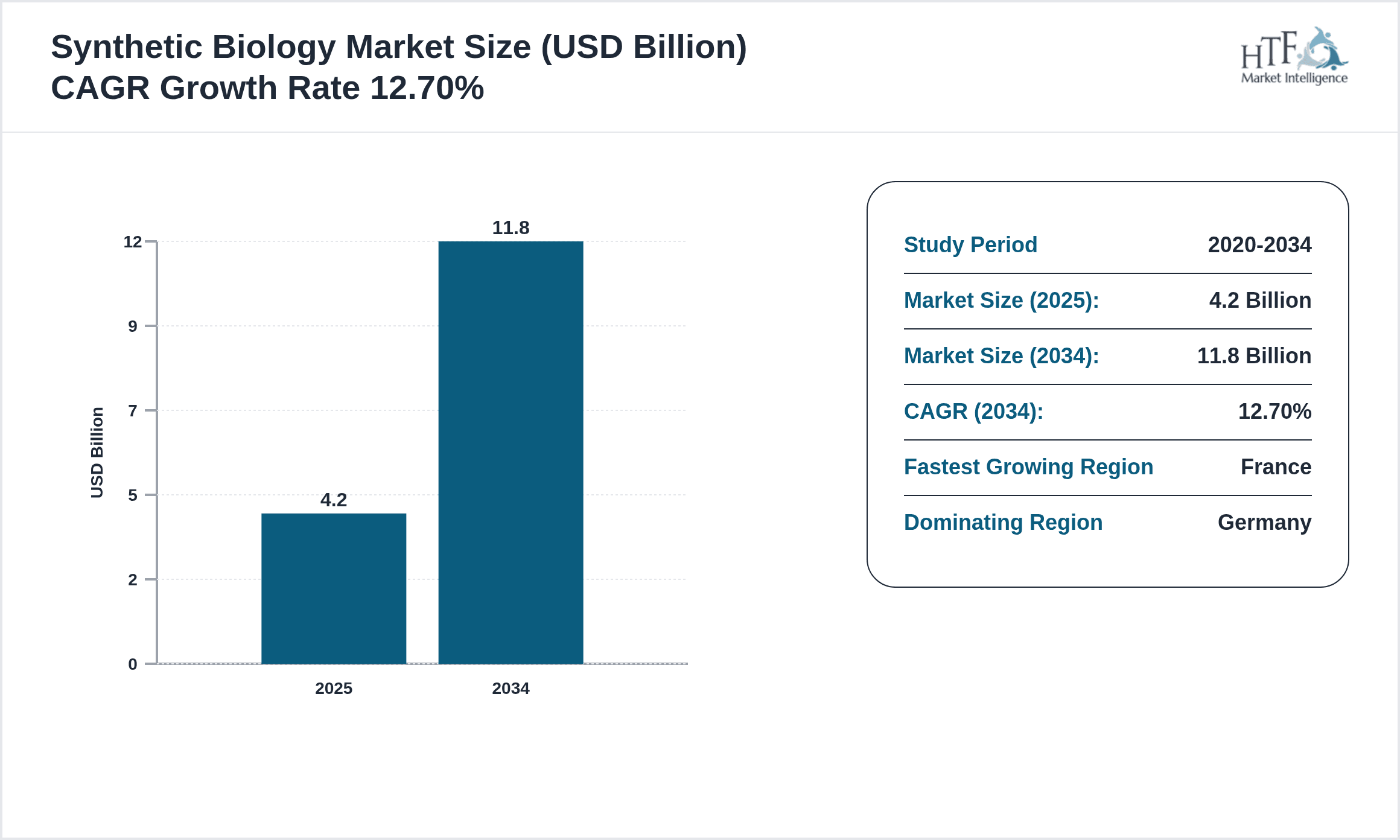
- •Key market highlights for Europe reveal a projected CAGR of 12.7% from 2025 to 2034, with the market size expected to grow from USD 4.2 billion in 2025 to USD 11.8 billion by 2034. Genome engineering dominates the product type segment, while pharmaceuticals lead applications, followed closely by agricultural biotechnology. Germany holds the largest market share within Europe, supported by a robust biotech ecosystem, with France emerging as the fastest-growing country due to increased investments and favorable policies. Recent technological advancements and strategic partnerships among companies and research institutions are accelerating product innovation and commercialization, positively impacting market growth and competitive dynamics.
- •The Europe Synthetic Biology market offers strategic value to pharmaceutical companies, agricultural firms, energy producers, and environmental agencies by enabling the development of efficient biologics, resilient crops, sustainable fuels, and eco-friendly chemicals. Stakeholders benefit from advances in synthetic biology that reduce costs, shorten development cycles, and improve product specificity. Moreover, supportive regulations and funding initiatives across the European Union foster innovation and market entry. The market's growth is catalyzed by growing consumer demand for environmentally sustainable products and personalized healthcare solutions, reinforcing synthetic biology’s role as a transformative technology with long-term industry impact across multiple sectors.
Competitive Landscape
The competitive environment in the Europe Synthetic Biology market is characterized by intense rivalry among established biotechnology firms, innovative startups, and academic spin-offs. Market players focus heavily on research and development, leveraging proprietary genome editing techniques, gene synthesis platforms, and bioinformatics tools to differentiate their product offerings. Strategic partnerships, collaborations with academic institutions, and cross-industry alliances play a crucial role in driving innovation and market penetration. Companies invest in intellectual property and technology licensing to maintain competitive advantages while expanding their product portfolios. Pricing strategies vary, balancing premium biotech innovations with market accessibility. Geographic concentration in biotech hubs such as Germany, the UK, and France fosters localized competition and talent acquisition. The market also witnesses consolidation through mergers and acquisitions, enabling firms to broaden capabilities and geographic reach. Future competitive trends include increased focus on sustainable applications, digital biology platforms, and integration of AI for enhanced synthetic biology workflows.
Prominent Players in Synthetic Biology Market
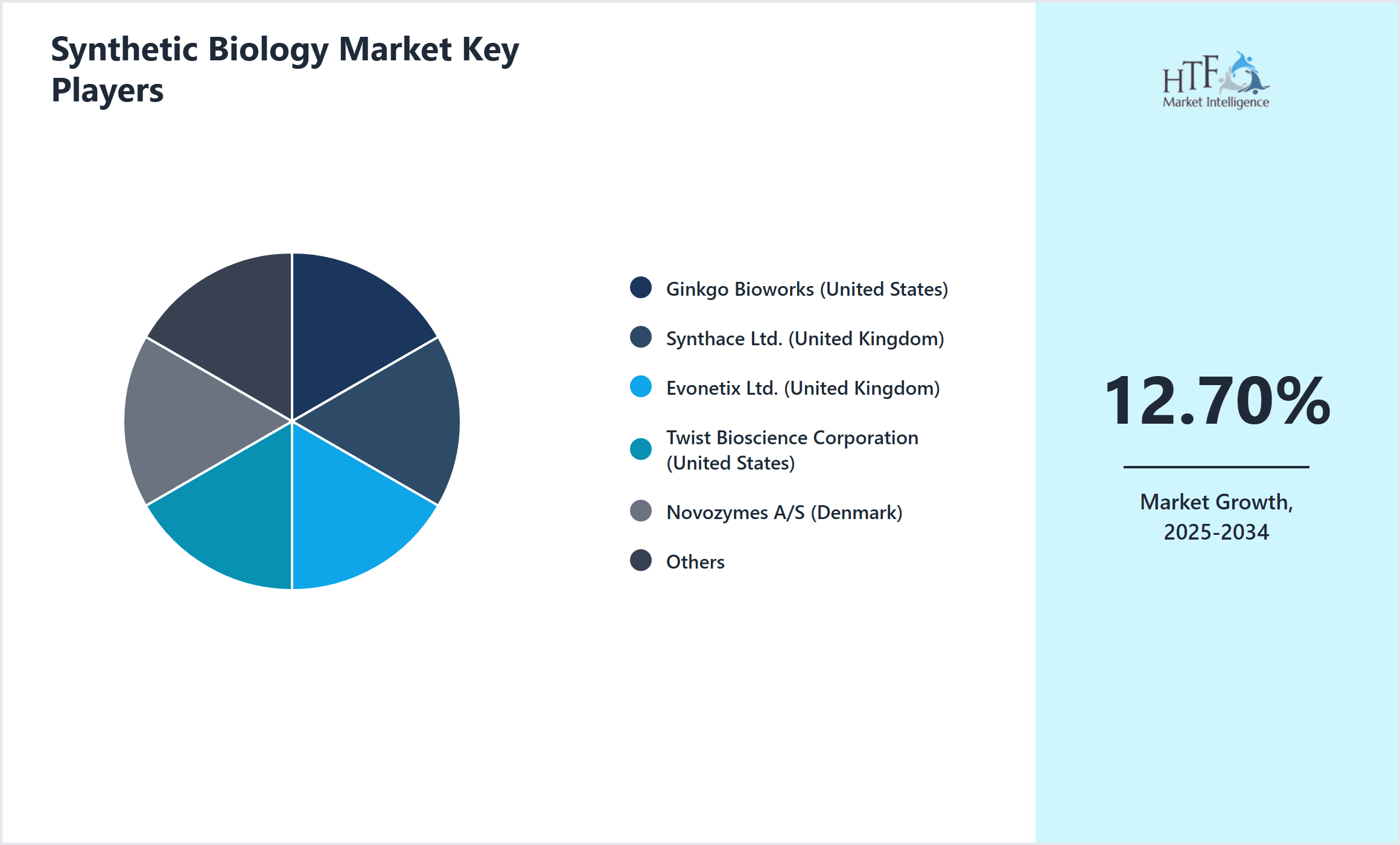
- •Ginkgo Bioworks (United States)
- •Synthace Ltd. (United Kingdom)
- •Evonetix Ltd. (United Kingdom)
- •Twist Bioscience Corporation (United States)
- •Novozymes A/S (Denmark)
- •BASF SE (Germany)
- •Synthetic Genomics Inc. (United States)
- •Zymergen Inc. (United States)
- •GenScript Biotech Corporation (China)
- •Codexis Inc. (United States)
- •Bluebird Bio, Inc. (United States)
- •Amyris, Inc. (United States)
- •Inari Agriculture, Inc. (United States)
- •Caribou Biosciences, Inc. (United States)
- •Oxford Nanopore Technologies Ltd. (United Kingdom)
- •Twist Bioscience Corporation (United States)
- •Cellectis S.A. (France)
- •Inscripta, Inc. (United States)
- •Arzeda Corporation (United States)
- •Thermo Fisher Scientific Inc. (United States)
- •Agilent Technologies Inc. (United States)
- •Eurofins Scientific SE (Luxembourg)
- •Genomatica, Inc. (United States)
- •Medicago Inc. (Canada)
- •BaseClick GmbH (Germany)
Market Breakdown
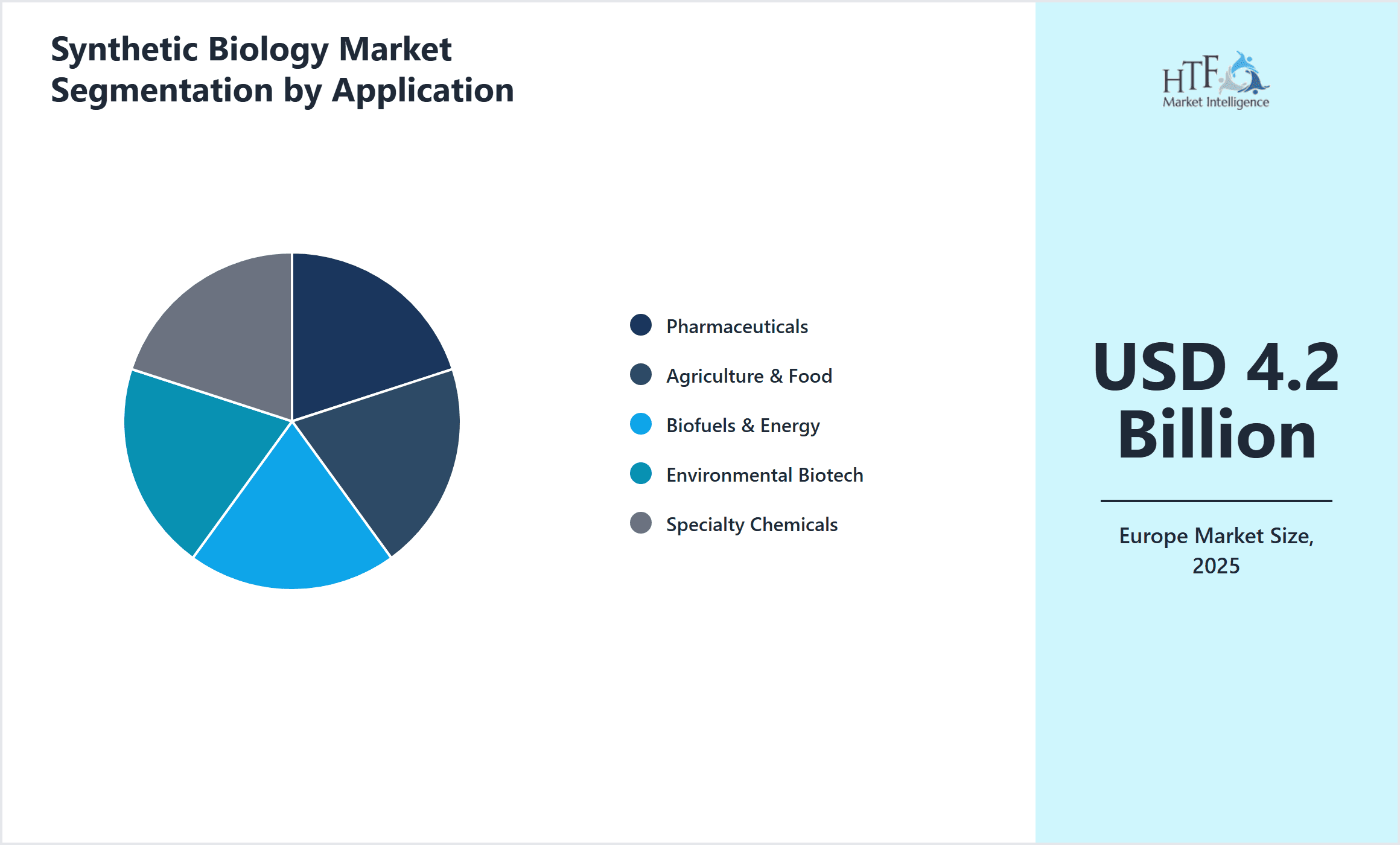
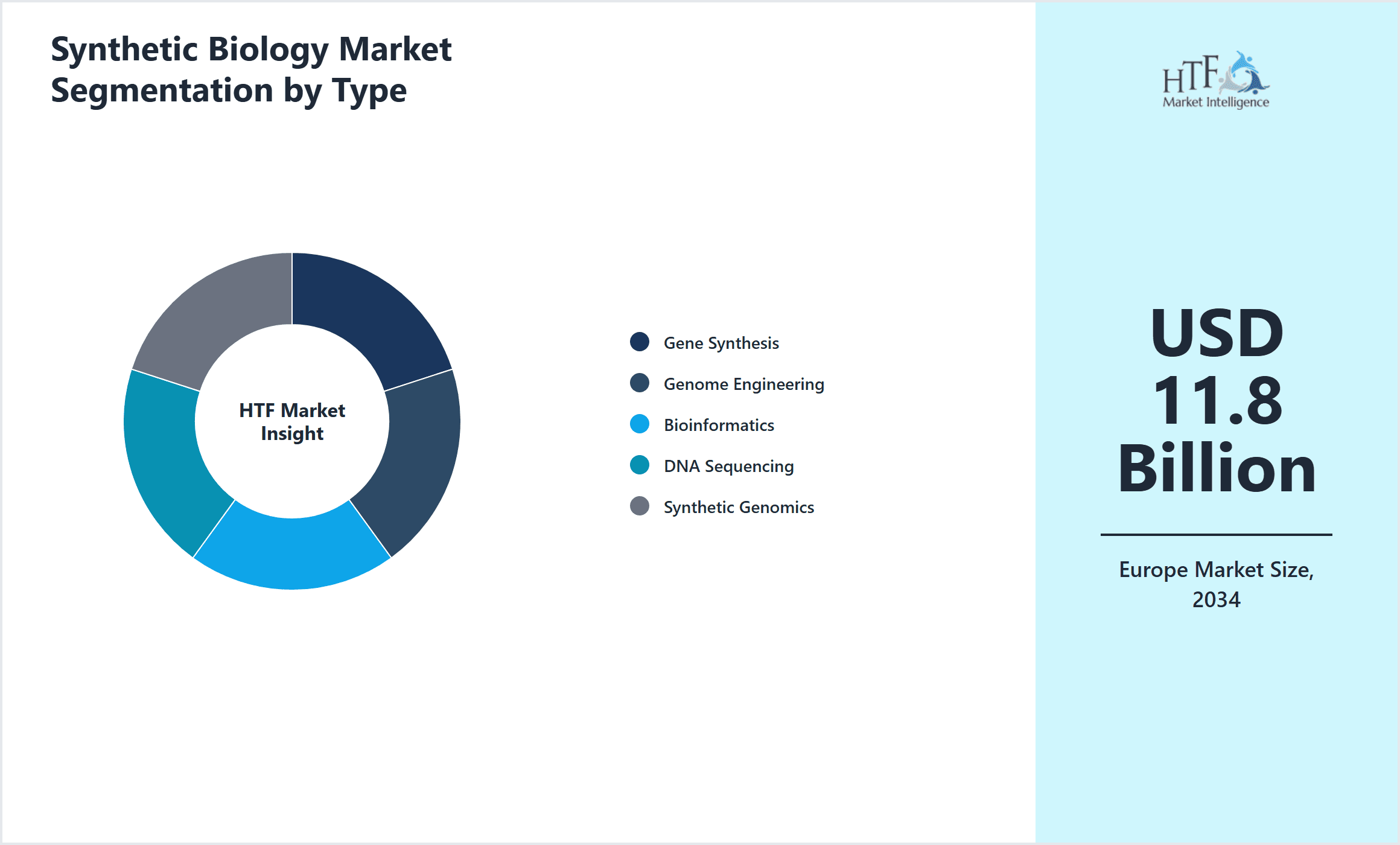
- •By Type
- ◦Gene Synthesis
- ◦Genome Engineering
- ◦Bioinformatics
- ◦DNA Sequencing
- ◦Synthetic Genomics
- •By Application
- ◦Pharmaceuticals
- ◦Agriculture & Food
- ◦Biofuels & Energy
- ◦Environmental Biotech
- ◦Specialty Chemicals
- •By End User
- ◦Biotechnology Companies
- ◦Pharmaceutical Companies
- ◦Agricultural Firms
- ◦Research Institutes
- •By Technology Platform
- ◦CRISPR-Cas Systems
- ◦Synthetic Gene Circuits
- ◦Metabolic Engineering
- ◦Computational Biology
Growth Dynamics
- •Advancements in genome engineering technologies such as CRISPR-Cas9 have significantly lowered costs and improved precision, propelling market growth by enabling development of novel therapeutics and enhanced crop varieties in Europe.
- •Increased funding from European Union initiatives like Horizon Europe and national biotech grants has fueled R&D activities, fostering innovation and commercialization of synthetic biology applications across multiple sectors.
- •Growing demand for sustainable agricultural solutions and eco-friendly biofuels in Europe is driving adoption of synthetic biology to develop resilient crops and renewable energy sources, aligning with regional climate goals.
- •Collaborations between academia, government agencies, and private enterprises have accelerated technology transfer and scale-up, enhancing market maturity and competitive positioning within Europe.
- •Rising consumer preference for personalized medicine and biologics is creating a robust market environment for pharmaceutical applications of synthetic biology, leading to increased investments and product launches.
Market Trends
- •The integration of artificial intelligence and machine learning with synthetic biology platforms is optimizing gene synthesis and metabolic pathway design, resulting in faster development cycles and cost efficiencies.
- •Europe's focus on sustainability is stimulating growth in environmental biotechnology applications, including synthetic biology-based bioremediation and biodegradable materials production.
- •Increasing adoption of high-throughput DNA sequencing technologies supports enhanced bioinformatics analysis, enabling complex genome editing and synthetic circuit construction.
- •Strategic partnerships between synthetic biology companies and pharmaceutical firms are becoming prevalent to co-develop novel biologics and gene therapies tailored to European regulatory standards.
- •Emerging models of biofoundries and automated labs are transforming synthetic biology R&D, facilitating scalable, reproducible, and efficient production pipelines across Europe.
Market Opportunities
- •The rising need for sustainable bio-manufacturing solutions offers growth prospects for synthetic biology firms to develop renewable specialty chemicals and bio-based materials in Europe’s circular economy framework.
- •Expansion into emerging markets within Central and Eastern Europe presents untapped potential for synthetic biology applications in agriculture and pharmaceuticals.
- •Innovation in synthetic genomics and genome engineering platforms is opening avenues for personalized medicine, including cell and gene therapies, addressing chronic and rare diseases prevalent in Europe.
- •Government incentives and public-private partnerships aimed at climate goals are fostering investments in biofuels and environmental biotech products developed via synthetic biology approaches.
- •Collaborative efforts to standardize synthetic biology tools and regulatory frameworks across European countries could streamline product approvals and accelerate market entry.
Market Challenges
- •Complex and evolving regulatory environments across European countries pose challenges to product development timelines and market approvals for synthetic biology innovations.
- •High initial R&D investment and operational costs limit entry for smaller startups and restrict widespread adoption of synthetic biology technologies.
- •Public concerns regarding bioethics, biosafety, and genetically engineered organisms create barriers to market acceptance and necessitate robust communication strategies.
- •Fragmented market with diverse applications requires companies to maintain multi-disciplinary expertise and flexible business models to address varied customer needs effectively.
- •Supply chain dependencies for specialized reagents and equipment may cause delays and increase costs, particularly during geopolitical uncertainties affecting Europe.
Regulatory Framework
- •Between 2020 and 2025, the European Union updated the GMO regulatory framework to include synthetic biology products, introducing stricter safety assessments and traceability requirements to ensure environmental and human health protection.
- •The EU’s Bioeconomy Strategy, reinforced in 2023, emphasizes sustainable biotechnology innovation, providing funding incentives for synthetic biology projects aligning with climate neutrality goals.
- •New guidelines issued in 2024 by the European Medicines Agency (EMA) facilitate expedited review pathways for synthetic biology-derived therapeutics, including gene editing-based medicines.
- •National regulations in Germany and France have harmonized biosafety standards for synthetic biology R&D facilities, mandating stringent containment and risk management protocols.
- •The EU’s Digital Sequence Information policy discussions ongoing since 2022 aim to balance innovation incentives with fair access and benefit-sharing for synthetic biology data resources.
Market Intelligence
- •15th February 2025, Ginkgo Bioworks announced the launch of its latest genome engineering platform designed to accelerate the development of sustainable bio-based chemicals targeted at European industrial manufacturers. The platform leverages AI-driven design tools and high-throughput DNA synthesis, enabling rapid prototyping and scale-up. This initiative aims to support Europe's circular economy goals by reducing dependence on fossil fuels and improving production efficiency for specialty chemicals. The company expects the new platform to enhance client collaboration and shorten product development cycles significantly.
- •10th January 2025, Novozymes A/S introduced an advanced synthetic biology toolkit aimed at improving enzyme performance for biofuel production. The toolkit incorporates CRISPR-Cas9 gene editing and machine learning algorithms to optimize metabolic pathways in microbial strains. Targeting the European bioenergy sector, this innovation promises higher yields and cost savings, contributing to the EU’s renewable energy targets. The company also announced plans to partner with leading European agricultural firms for field testing and commercialization over the next two years.
- •22nd March 2024, BASF SE completed a strategic partnership with Synthace Ltd. to integrate automated synthetic biology workflows into BASF's chemical research operations. This collaboration focuses on developing novel bio-based materials using synthetic genomics techniques, aiming to reduce environmental footprint and enhance material performance. The partnership combines BASF’s industrial expertise with Synthace’s cloud-based automation platform to accelerate R&D timelines and improve reproducibility of experimental data.
- •5th November 2024, Twist Bioscience Corporation expanded its European manufacturing facility in the UK to increase production capacity of synthetic DNA products. This expansion supports growing demand from pharmaceutical and agricultural clients utilizing gene synthesis for research and development. The company emphasized its commitment to European innovation ecosystems through localized production and faster delivery times, enhancing supply chain resilience amid global disruptions.
- •Source: Official company press releases, industry publications
Regional Outlook
The Germany currently holds a significant share of the market, primarily due to several key factors: increasing consumption rates, a burgeoning population, and robust economic momentum. These elements collectively drive demand, positioning this region as a leader in the market. On the other hand, France is rapidly emerging as the fastest-growing area within the industry. This remarkable growth can be attributed to swift infrastructure development, the expansion of various industrial sectors, and a marked increase in consumer demand. These dynamics make this region a crucial player in shaping future market growth.
In our report, we cover a comprehensive analysis of the following regions and countries:
- Germany
- France
- The United Kingdom
- BeNeLux
- Spain
- Italy
- NORDIC
- CEE
- Others
| Feature | Details |
|---|---|
| Base Year Market Size | USD 4.2 Billion |
| Forecast Year Market Size | USD 11.8 Billion |
| CAGR | 12.7% |
| Forecast Period | 2026 to 2033 |
| YoY Growth | 12% |
| Scope of Report | Market is segmented by Type (Gene Synthesis, Genome Engineering, Bioinformatics, DNA Sequencing, Synthetic Genomics), Application (Pharmaceuticals, Agriculture & Food, Biofuels & Energy, Environmental Biotech, Specialty Chemicals), End User (Biotechnology Companies, Pharmaceutical Companies, Agricultural Firms, Research Institutes), Technology Platform (CRISPR-Cas Systems, Synthetic Gene Circuits, Metabolic Engineering, Computational Biology) |
| Regions Covered | Germany, France, The United Kingdom, BeNeLux, Spain, Italy, NORDIC, CEE, Others |
| Key Companies | Ginkgo Bioworks (United States), Synthace Ltd. (United Kingdom), Evonetix Ltd. (United Kingdom), Twist Bioscience Corporation (United States), Novozymes A/S (Denmark) |
Europe Synthetic Biology Market - Outlook 2025-2034 - Table of Contents
Research enthusiast focused on transforming data uncovering into actionable insights through data-driven decision-making.
Frequently Asked Questions (FAQ):
The Market market is expected to see significant growth and value in 2025.
North America currently leads the market, followed by Europe and Asia-Pacific.
Key growth drivers include increasing activities, rising demand for innovative solutions, technological advancements, and growing preference for efficient products.