
United States Dietary Fiber Supplement Market Size, Growth & Revenue 2024-2034
United States Dietary Fiber Supplement Market is segmented by Type (Soluble Fiber, Insoluble Fiber, Functional Fiber, Prebiotic Fiber, Resistant Starch), Application (Weight Management, Digestive Health, Cardiovascular Health, Diabetes Management, General Wellness), End User (Adults, Elderly, Athletes, Children), Distribution Channel (Pharmacies, Specialty Stores, Online Retail, Supermarkets & Hypermarkets), and Geography (Northeast, Southwest, The South, The Midwest)
Pricing
Report Overview
Executive Summary
- •The United States Dietary Fiber Supplement market is a rapidly evolving sector focused on providing consumers with fiber-based nutritional products to enhance digestive health, support weight management, and improve cardiovascular wellness. This market involves a broad spectrum of fiber types including soluble, insoluble, prebiotic, and resistant starch fibers, each catering to specific health benefits. The market’s scope extends across product formulation, manufacturing, and distribution, targeting health-conscious consumers and those managing chronic conditions like diabetes. Increasing awareness about fiber’s role in maintaining gut health and preventing lifestyle diseases has driven demand. Additionally, innovations in fiber extraction and supplement delivery formats, such as powders, capsules, and functional foods, further diversify product offerings. The industry is shaped by regulatory frameworks, competitive dynamics, and advancements in nutritional science, making it a pivotal segment within the broader dietary supplements landscape in the United States. Growing consumer preference for natural and plant-based ingredients also significantly influences product development strategies.
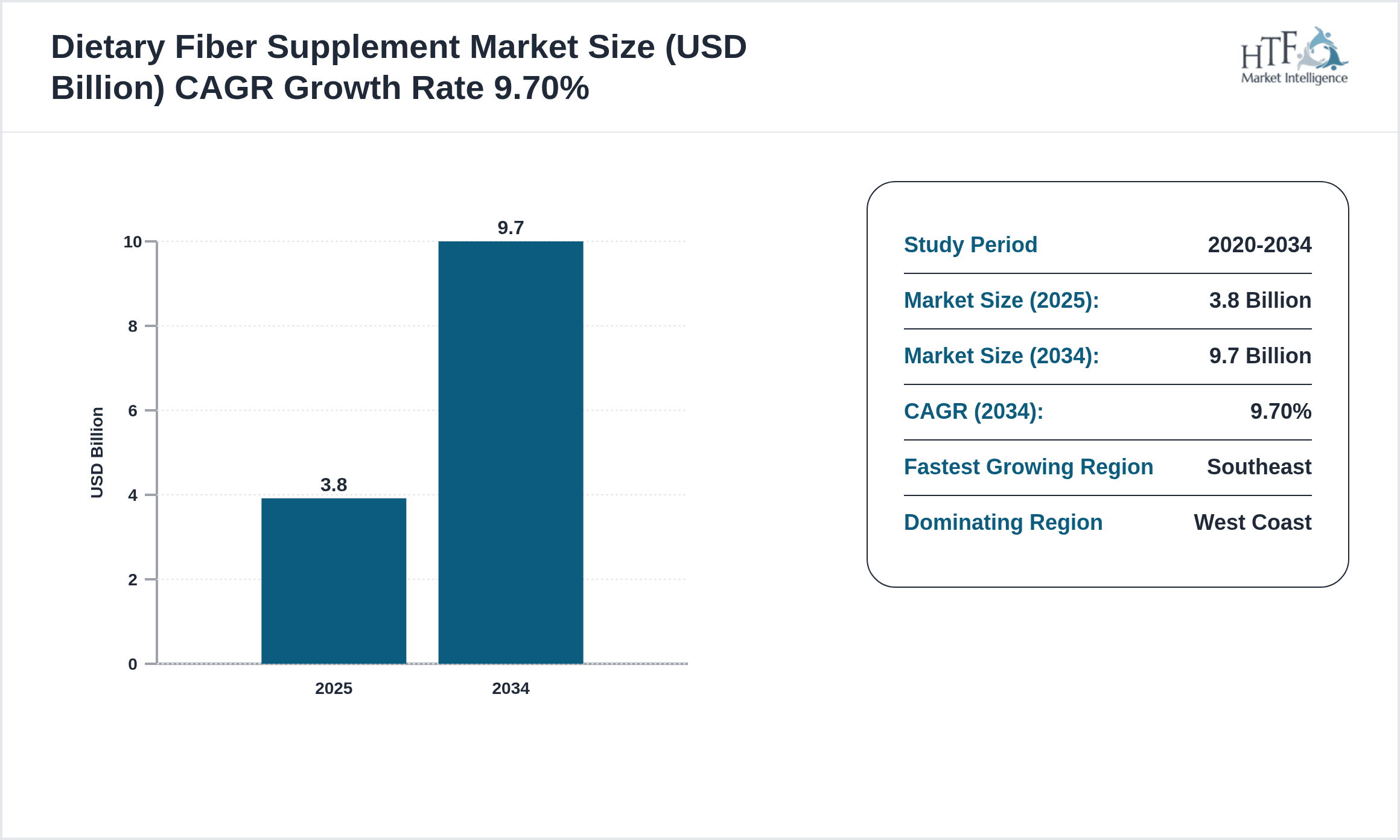
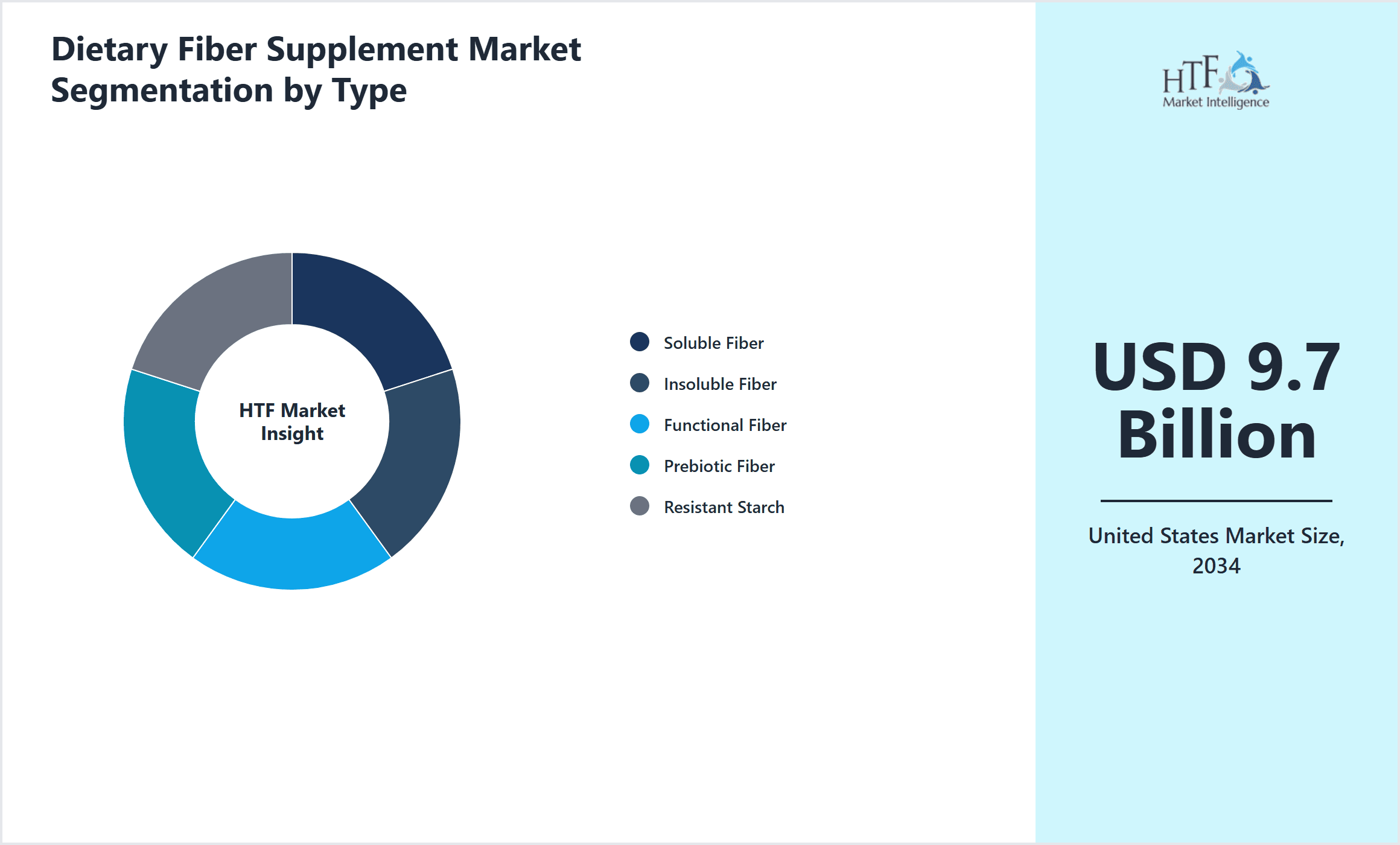
- •Key market highlights include a robust CAGR of 9.7% projected from 2024 to 2034, with the market expected to reach USD 9.7 Billion by 2034, up from USD 3.8 Billion in 2024. Soluble fiber dominates the product type segment, accounting for the largest market share, while prebiotic fiber is the fastest growing due to its dual role in digestive and immune health. Weight management is the leading application, driven by rising obesity rates and consumer focus on healthy lifestyles. The West Coast region currently leads market revenue generation, whereas the Southeast region exhibits the highest growth rate, fueled by increasing health awareness and retail penetration. These dynamics underscore a market poised for sustained expansion fueled by innovation and evolving consumer preferences.
- •The United States Dietary Fiber Supplement market offers strategic value to manufacturers, healthcare practitioners, and retailers by addressing critical health challenges and consumer demand for preventive nutrition. Its growth supports public health objectives by promoting dietary fiber intake, which is often deficient in typical American diets. Stakeholders can leverage this market’s expansion through product innovation, personalized nutrition, and targeted marketing aligned with demographic and regional health trends. Collaboration between regulatory bodies and industry players ensures product safety and efficacy, fostering consumer trust. Overall, the market presents promising opportunities for investment and development within the functional foods and nutraceuticals sectors in the United States.
Competitive Landscape
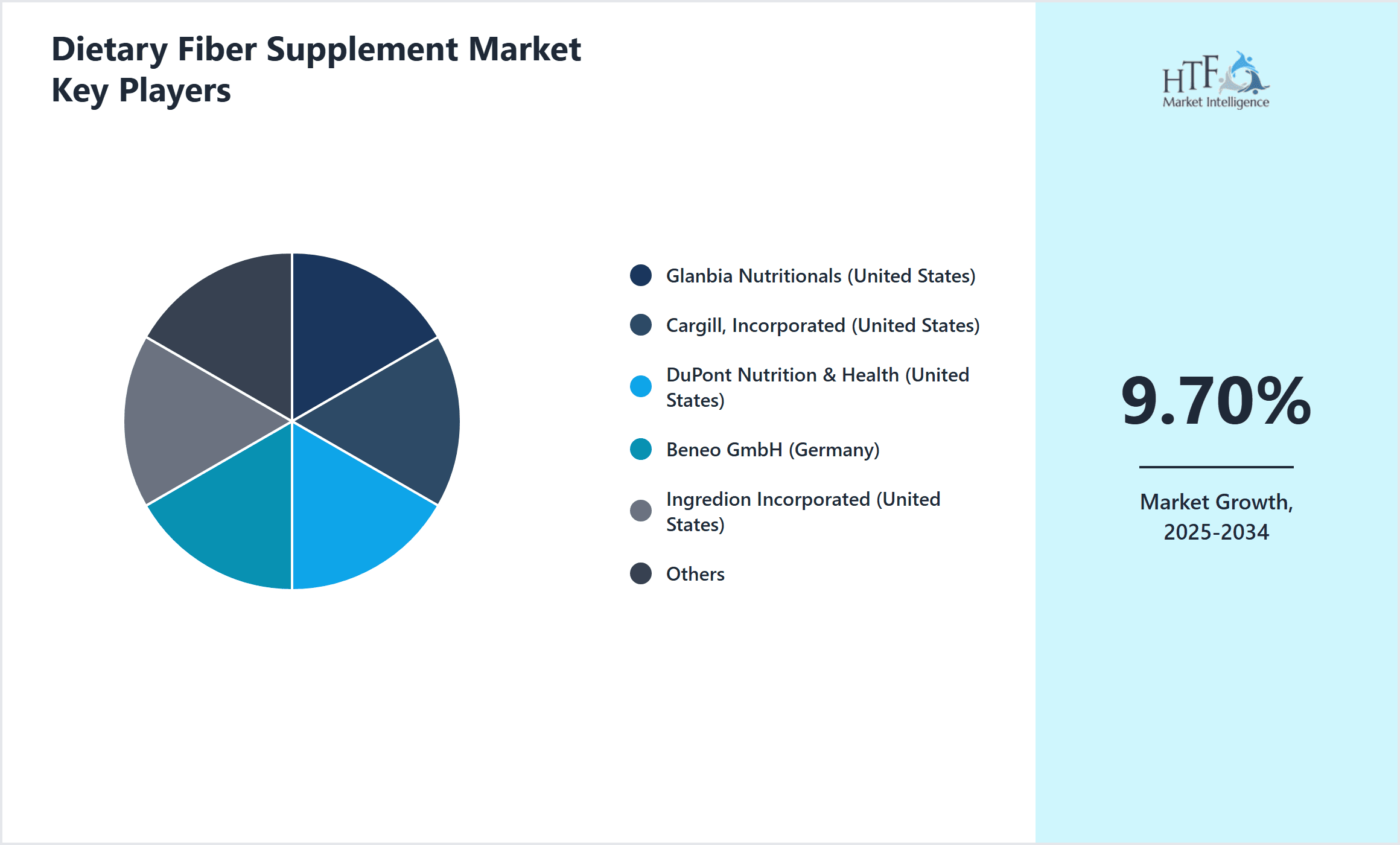
The competitive environment in the United States Dietary Fiber Supplement market is marked by intense rivalry among established nutraceutical giants and emerging specialized manufacturers. Companies compete through innovation in fiber formulations, enhancing bioavailability, and introducing convenient delivery formats such as gummies and ready-to-drink products. Market players emphasize research and development to create differentiated products addressing specific health conditions, particularly digestive and metabolic health. Strategic partnerships and collaborations with ingredient suppliers and research institutes are common to accelerate product development. Pricing strategies vary, with premium positioning for clinically validated fibers and value offerings targeting mass-market consumers. Distribution channels including e-commerce, specialty health stores, and mainstream retail chains contribute to competitive dynamics. Furthermore, regulatory compliance and quality certifications serve as critical differentiators, influencing brand reputation and consumer preference. The market is also witnessing consolidation trends through mergers and acquisitions aimed at expanding product portfolios and geographic reach within the United States.
Leading Companies in Dietary Fiber Supplement Market
- •Glanbia Nutritionals (United States)
- •Cargill, Incorporated (United States)
- •DuPont Nutrition & Health (United States)
- •Beneo GmbH (Germany)
- •Ingredion Incorporated (United States)
- •Tate & Lyle PLC (United Kingdom)
- •Nestlé Health Science (Switzerland)
- •ADM (Archer Daniels Midland Company) (United States)
- •Kerry Group plc (Ireland)
- •BASF SE (Germany)
- •DuPont Danisco (United States)
- •Roquette Frères (France)
- •FMC Corporation (United States)
- •Herbalife Nutrition Ltd. (United States)
- •NOW Foods (United States)
- •Sunfiber (Taiwan)
- •Nippon Suisan Kaisha, Ltd. (Japan)
- •Jarrow Formulas, Inc. (United States)
- •Nature’s Way Products, LLC (United States)
- •Metagenics, Inc. (United States)
- •Vitacost.com, Inc. (United States)
- •Life Extension (United States)
- •Nature’s Bounty Co. (United States)
- •Glanbia plc (Ireland)
- •Nutraceutical Corporation (United States)

Market Breakdown
- •By Type
- ◦Soluble Fiber
- ◦Insoluble Fiber
- ◦Functional Fiber
- ◦Prebiotic Fiber
- ◦Resistant Starch
- •By Application
- ◦Weight Management
- ◦Digestive Health
- ◦Cardiovascular Health
- ◦Diabetes Management
- ◦General Wellness
- •By End User
- ◦Adults
- ◦Elderly
- ◦Athletes
- ◦Children
- •By Distribution Channel
- ◦Pharmacies
- ◦Specialty Stores
- ◦Online Retail
- ◦Supermarkets & Hypermarkets
Growth Dynamics
- •Increasing consumer awareness about the health benefits of dietary fiber, particularly its role in digestive health and chronic disease prevention, is driving market growth. Public health campaigns and nutrition guidelines emphasizing fiber intake have significantly boosted demand for supplements, especially among aging populations seeking to manage weight and cardiovascular health.
- •The rise in lifestyle-related diseases such as obesity, diabetes, and heart conditions has increased the adoption of fiber supplements as complementary therapies. Healthcare professionals increasingly recommend fiber supplements to patients, stimulating market expansion through clinical endorsements and improved product formulations enhancing efficacy.
- •Technological advancements in fiber extraction and processing have led to the development of novel fibers like prebiotic and functional fibers with enhanced health benefits. These innovations allow manufacturers to offer diversified product portfolios catering to specific health needs, thus attracting a broader consumer base.
- •Expansion of e-commerce and online retail channels provides convenient access to dietary fiber supplements, enabling manufacturers to reach a wider audience. Enhanced digital marketing strategies targeting health-conscious millennials and Gen Z consumers further fuel market penetration and sales growth.
- •Government initiatives promoting preventive healthcare and nutrition education encourage higher dietary fiber consumption. These programs, coupled with regulatory support for fiber supplement safety and labeling, create a favorable environment for market players to innovate and expand their offerings.
Market Trends
- •There is a growing trend toward personalized nutrition, with dietary fiber supplements being formulated to target individual health profiles and gut microbiome diversity. This consumer-centric approach is driving product customization and innovation in the United States market.
- •Sustainability and clean-label products are gaining traction; manufacturers are focusing on plant-based, natural fibers sourced through environmentally friendly processes to meet consumer demand for transparency and ethical production.
- •Integration of dietary fiber supplements into functional foods and beverages, such as fiber-enriched snacks and drinks, is expanding product accessibility and consumer convenience, fostering market growth.
- •Digital health platforms and mobile apps promoting gut health and nutrition education are influencing consumer purchasing behavior, increasing awareness and driving supplement adoption.
- •Collaborations between supplement manufacturers and healthcare providers are rising, facilitating clinical research and evidence-based marketing strategies that strengthen consumer trust and market credibility.
Market Opportunities
- •The expanding elderly population in the United States presents a significant opportunity for dietary fiber supplements tailored to age-related digestive and metabolic health issues, encouraging product innovation in this segment.
- •Emerging markets within the country’s regional zones, especially the Southeast and Midwest, offer untapped consumer bases with rising health awareness and disposable incomes, creating avenues for market expansion.
- •Integration of prebiotic fibers with probiotics in synbiotic formulations offers potential for new product development, targeting gut microbiome modulation and immune support, aligning with current health trends.
- •Increasing demand for convenient and on-the-go supplement formats such as gummies, powders, and ready-to-drink beverages allows manufacturers to capture busy consumers seeking easy dietary solutions.
- •Strategic partnerships between ingredient suppliers and supplement producers can enhance supply chain efficiency and innovation, enabling faster time-to-market for novel fiber products.
Market Challenges
- •Regulatory complexities and varying state-level regulations regarding dietary supplements pose challenges for market entry and product labeling compliance, increasing operational costs for manufacturers.
- •Consumer skepticism due to misinformation about supplement efficacy and safety requires companies to invest heavily in education and transparent communication to build trust.
- •High competition and market saturation with numerous fiber supplement variants lead to pricing pressures and reduced profit margins, demanding continuous innovation and differentiation.
- •Supply chain disruptions, especially for natural fiber sources, can affect raw material availability and pricing, impacting production schedules and product costs.
- •Technological challenges in maintaining fiber functionality and bioavailability during processing and formulation require advanced R&D capabilities, limiting entry for smaller players.
Regulatory Framework
- •From 2019 to 2024, the U.S. Food and Drug Administration (FDA) has enhanced regulations on dietary supplement labeling, mandating clearer fiber content declarations and health claims substantiation, affecting product formulations and marketing.
- •The Dietary Supplement Health and Education Act (DSHEA) continues to govern the industry, with recent FDA guidance emphasizing safety reporting and adverse event monitoring to protect consumers and ensure market integrity.
- •State-level regulations, such as those in California and New York, have introduced stricter quality control requirements and ingredient transparency mandates, prompting companies to upgrade compliance practices regionally.
- •The FDA’s modernization efforts include digital tracking and traceability initiatives aimed at improving supply chain transparency and reducing counterfeit products in the dietary fiber supplement market.
- •Government initiatives promoting dietary fiber consumption as part of national nutritional guidelines support market growth, with regulatory bodies collaborating to harmonize standards and encourage innovation in functional fiber ingredients.
Market Intelligence
- •15th January 2025, Glanbia Nutritionals launched a new line of prebiotic fiber supplements formulated to enhance gut health and immune function. The product features a patented soluble fiber blend designed for superior fermentability and consumer-friendly taste profiles. Targeting the growing segment of health-conscious millennials and elderly consumers, the launch aims to capture increasing demand for clinically backed fiber supplements. Strategic marketing campaigns include collaborations with healthcare professionals and digital platforms to educate consumers on digestive wellness benefits. This initiative aligns with Glanbia's focus on innovation and expanding its presence in the United States nutritional supplements market. Source: Official Glanbia Nutritionals Press Release
- •10th March 2025, Ingredion Incorporated introduced a novel functional fiber ingredient extracted from sustainable plant sources, engineered to improve product texture and dietary fiber content in beverages and snacks. This innovation targets manufacturers seeking clean-label ingredients to meet consumer demand for natural and sustainable products. Ingredion’s new fiber ingredient boasts enhanced solubility and prebiotic properties, supporting digestive health claims. The company has partnered with leading supplement brands to incorporate this fiber into next-generation dietary fiber supplements, expanding market reach. This development reflects Ingredion’s commitment to sustainability and health-driven innovation in the United States supplement industry. Source: Ingredion Corporate Announcement
- •22nd February 2025, Herbalife Nutrition Ltd. announced a strategic partnership with a biotech firm specializing in microbiome research to develop personalized dietary fiber supplements. The collaboration focuses on leveraging gut microbiota profiling to create customized fiber formulations that address individual digestive and metabolic health needs. This initiative positions Herbalife at the forefront of personalized nutrition trends in the United States, with plans for pilot programs and clinical trials scheduled for late 2025. The partnership aims to enhance product efficacy and consumer engagement through data-driven customization, expanding Herbalife’s market differentiation. Source: Herbalife Official Statement
- •5th April 2025, NOW Foods completed the acquisition of a regional dietary fiber supplement manufacturer to broaden its product portfolio and strengthen distribution networks in the Southeast United States. This acquisition provides NOW Foods with enhanced access to niche consumer segments and accelerates its innovation pipeline with proprietary fiber blends. The strategic move supports NOW Foods’ growth objectives and competitive positioning in the fast-growing dietary fiber supplement market. Integration plans include product line expansion and marketing alignment to leverage combined brand equity and operational synergies. This consolidation trend highlights the dynamic nature of the United States dietary fiber supplement market landscape. Source: NOW Foods Corporate Release
Regional Outlook
The West Coast currently holds a significant share of the market, primarily due to several key factors: increasing consumption rates, a burgeoning population, and robust economic momentum. These elements collectively drive demand, positioning this region as a leader in the market. On the other hand, Southeast is rapidly emerging as the fastest-growing area within the industry. This remarkable growth can be attributed to swift infrastructure development, the expansion of various industrial sectors, and a marked increase in consumer demand. These dynamics make this region a crucial player in shaping future market growth.
In our report, we cover a comprehensive analysis of the following regions and countries:
- Northeast
- Southwest
- The South
- The Midwest
| Feature | Details |
|---|---|
| Base Year Market Size | USD 3.8 Billion |
| Forecast Year Market Size | USD 9.7 Billion |
| CAGR | 9.7% |
| Forecast Period | 2026 to 2033 |
| YoY Growth | 9.3% |
| Scope of Report | Market is segmented by Type (Soluble Fiber, Insoluble Fiber, Functional Fiber, Prebiotic Fiber, Resistant Starch), Application (Weight Management, Digestive Health, Cardiovascular Health, Diabetes Management, General Wellness), End User (Adults, Elderly, Athletes, Children), Distribution Channel (Pharmacies, Specialty Stores, Online Retail, Supermarkets & Hypermarkets) |
| Regions Covered | Northeast, Southwest, The South, The Midwest |
| Key Companies | Glanbia Nutritionals (United States), Cargill, Incorporated (United States), DuPont Nutrition & Health (United States), Beneo GmbH (Germany), Ingredion Incorporated (United States) |
United States Dietary Fiber Supplement Market Size, Growth & Revenue 2024-2034 - Table of Contents
Research enthusiast focused on transforming data uncovering into actionable insights through data-driven decision-making.
Frequently Asked Questions (FAQ):
The Compact Track Loaders market is projected to grow at a CAGR of 6.8% from 2025 to 2030, driven by increasing demand in construction and agricultural sectors.
North America currently leads the market with approximately 45% market share, followed by Europe at 28% and Asia-Pacific at 22%. The remaining regions account for 5% of the global market.
Key growth drivers include increasing construction activities, rising demand for versatile equipment in agriculture, technological advancements in track loader design, and growing preference for compact equipment in urban construction projects.